


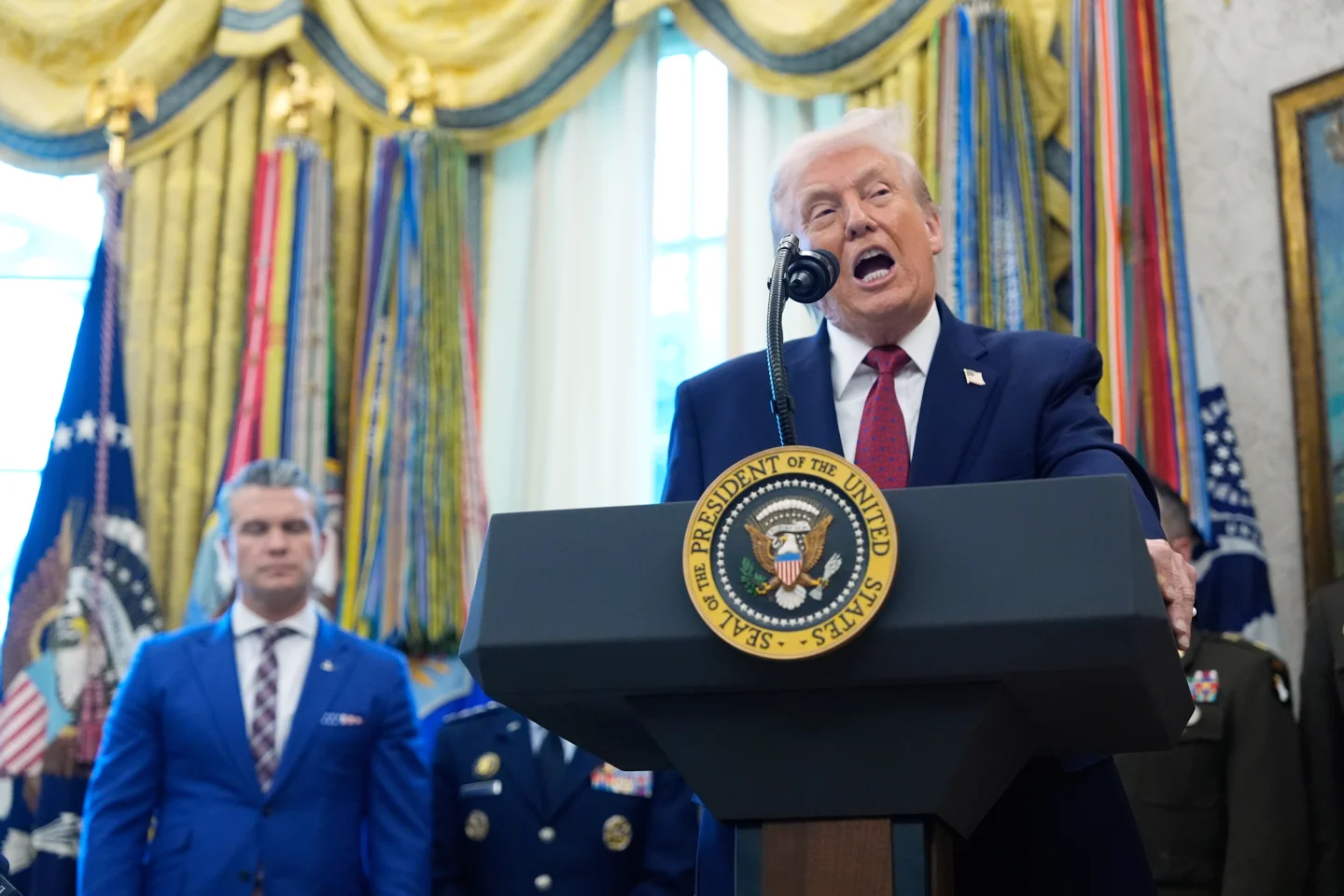
Boat strikes triggered urgent concern as senior officials prepared to return to Capitol Hill. Defense Secretary Pete Hegseth and Secretary of State Marco Rubio now face mounting pressure. Lawmakers want clarity on the rapid expansion of U.S. military force near Venezuela. Moreover, they seek answers about deadly actions taken without clear congressional approval.
Briefings follow deadly September incident
Congressional scrutiny intensified after a September operation in international waters. U.S. forces targeted a vessel suspected of drug smuggling. An initial strike disabled the boat. A follow-up strike then killed two survivors who remained on the wreckage. Since then, questions about legality and intent have grown sharper.
Growing military presence raises alarms
The administration has increased warships, aircraft, and troop deployments in the region. Officials also seized an oil tanker linked to Venezuela. Critics argue these actions resemble undeclared warfare. However, the administration has not requested authorization from Congress. As a result, war powers resolutions now advance toward possible votes.
Lawmakers criticize lack of transparency
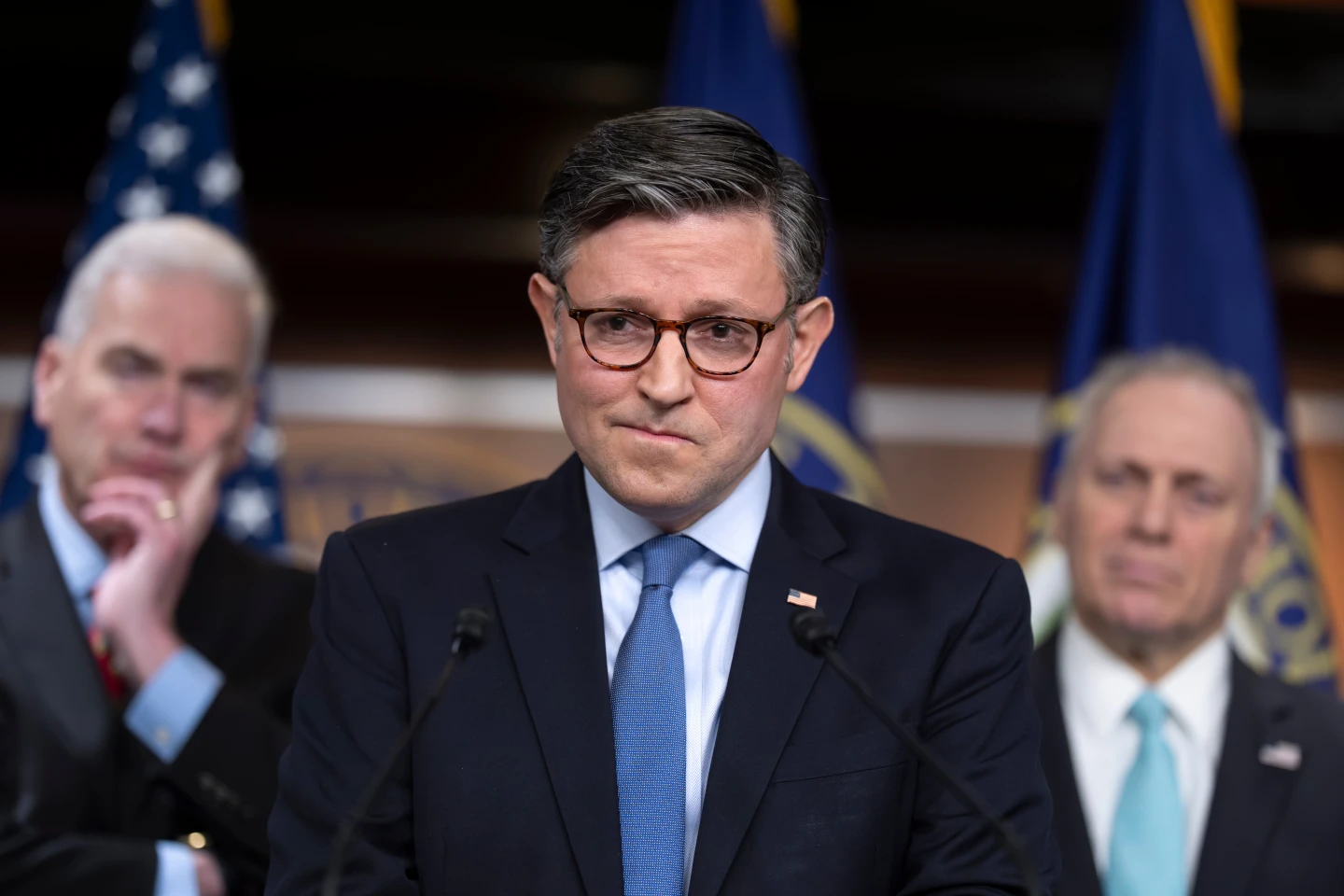
Several members of Congress voiced frustration over limited briefings. Many learned about operations through social media posts instead of official channels. Senators argued that such communication undermines oversight. They insist that democratic accountability requires timely and detailed explanations.
Debate over civilian harm intensifies
The September operation sits at the center of the controversy. Legal experts question the decision to strike survivors on a damaged vessel. Critics argue that the individuals posed no immediate threat. They stress that military force against civilians demands clear justification and strict adherence to the laws of war.
Administration defends its legal authority
Supporters within Congress strongly back the campaign. They argue that drug trafficking threatens American lives. According to this view, aggressive action prevents harm before it reaches U.S. shores. Some lawmakers insist the operations comply fully with domestic and international law.
Shifting explanations fuel skepticism
Initial explanations described the follow-up strike as necessary self-defense. Officials later acknowledged that the survivors attempted to overturn the boat. However, commanders reportedly conceded that such efforts likely posed little risk. These evolving accounts weakened trust among skeptical lawmakers.
Demand grows for video evidence
Pressure increased for the Pentagon to release video footage of the incident. Lawmakers argue that transparency can clarify disputed facts. Critics believe the footage may reveal excessive force. Supporters claim it will confirm the mission’s legality. The decision now carries major political consequences.
Laws of war enter the spotlight
Military law experts highlight long-standing rules that protect shipwrecked individuals. They note that firing on disabled vessels raises serious legal concerns. According to these experts, intent to destroy contraband does not override humanitarian obligations. This legal tension now anchors congressional debate.

Venezuela policy remains unclear
Beyond the strikes, lawmakers question the broader strategy toward Venezuela. Officials deny seeking regime change. Yet the scale of operations suggests broader objectives. Without a clear policy framework, critics warn of mission creep and regional instability.
Capitol Hill prepares for critical testimony
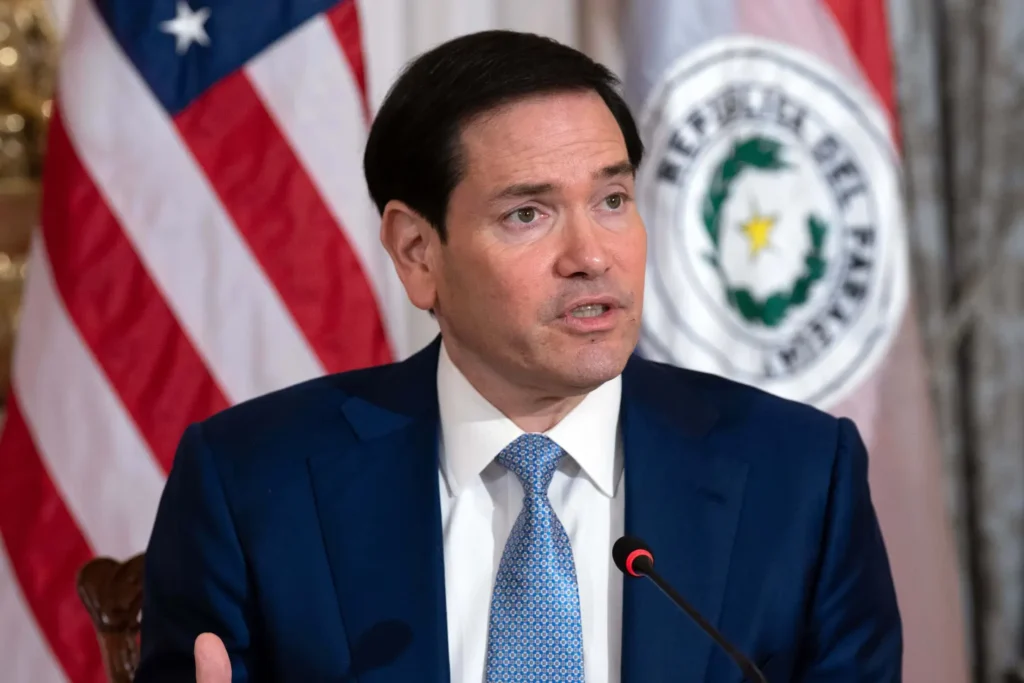
Hegseth and Rubio are expected to address these issues directly. Military commanders will also appear in classified sessions. Lawmakers aim to understand intelligence sources, decision-making processes, and legal reviews. These briefings may shape future limits on executive power.
Accountability shapes the path forward
Boat strikes have forced a national reckoning on military authority and oversight. Congress now asserts its role in defining the scope of force. The outcome may reshape how future operations unfold. For now, transparency and accountability remain at the center of the debate.


Leave a Reply