


Introduction
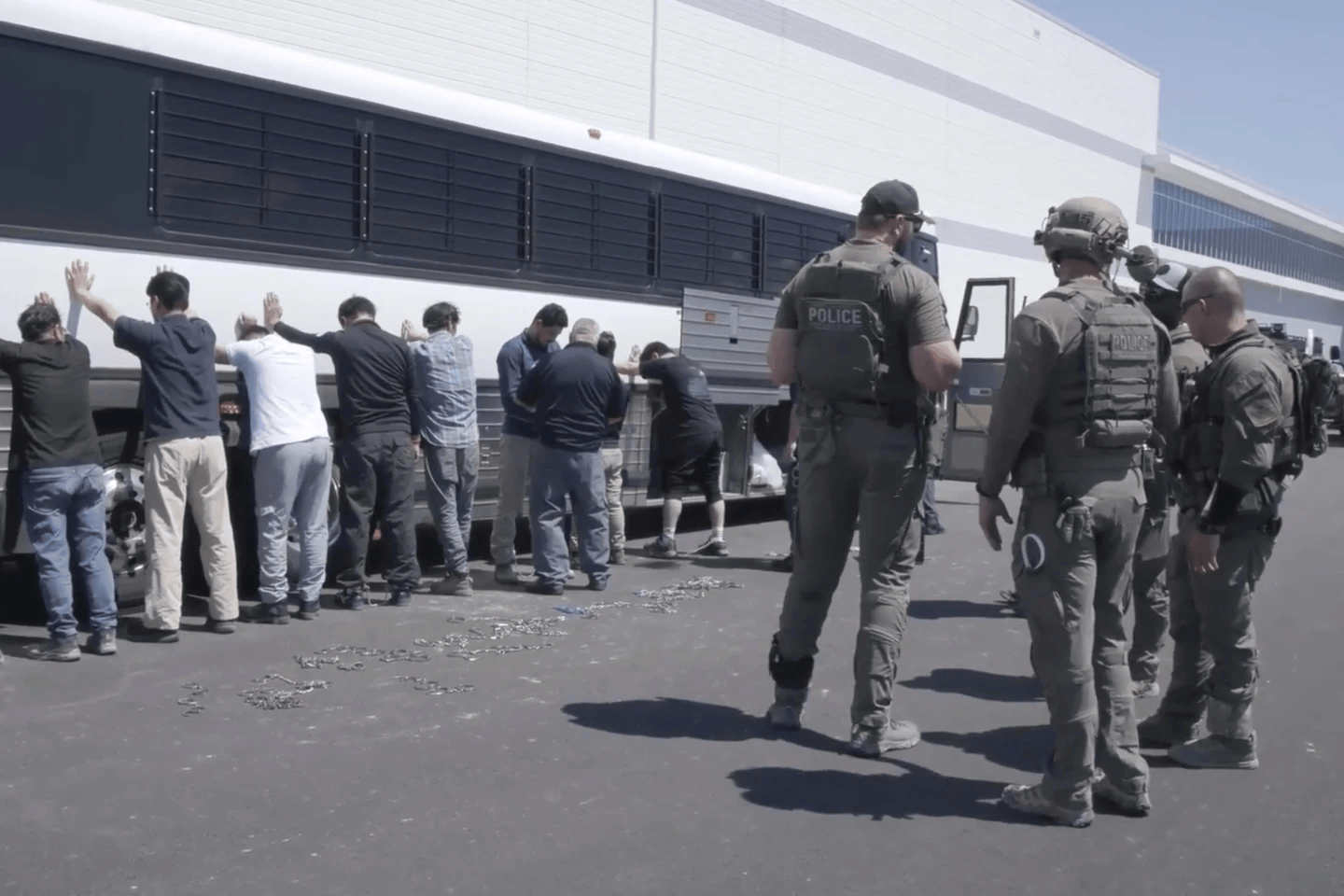
The South Korea Hyundai plant raid in Georgia has created shockwaves in Seoul and Washington. On September 4, U.S. immigration agents detained 475 workers at Hyundai’s new electric vehicle plant in Ellabell, Georgia. More than 300 of those detained were South Korean nationals, many of whom appeared shackled in video released by U.S. Immigration and Customs Enforcement.
Workers Detained and Released
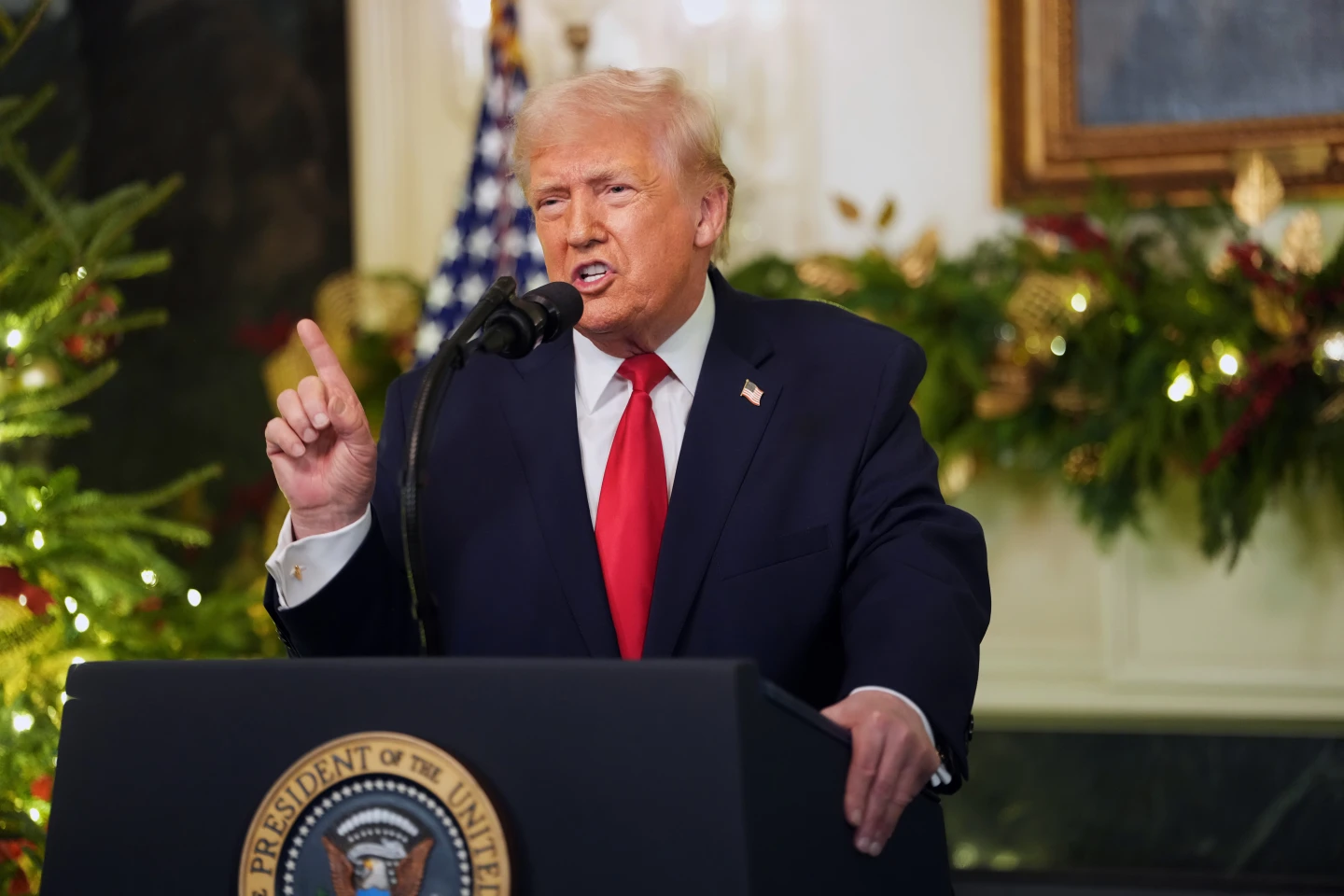
South Korea’s foreign ministry said Sunday that the U.S. had agreed to release the detained workers. Officials confirmed that a charter plane is being prepared to bring them home once administrative steps are complete. President Donald Trump, while defending the raid, suggested some workers might return under a new arrangement to help train American employees in high-tech manufacturing.
Political Fallout in Seoul
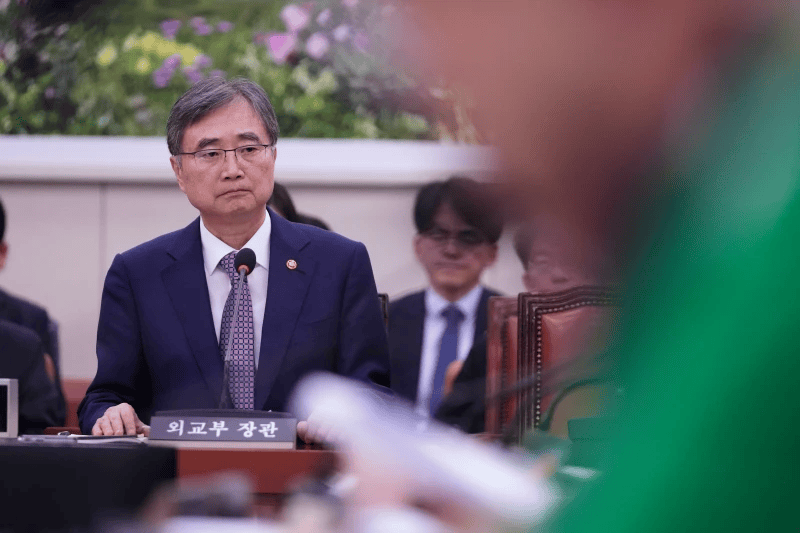
The incident immediately roiled South Korea’s political community. Lawmakers from both ruling and opposition parties denounced the raid, calling it humiliating and damaging to bilateral trust. Foreign Minister Cho Hyun described the action as “a very serious matter” before departing for the U.S. to negotiate. Some lawmakers warned that South Korean firms could reconsider future American investments if their workers remain vulnerable.
Visa Issues at the Core
Experts say the South Korea Hyundai plant raid exposed deeper problems in the U.S. visa system. Many South Korean firms rely on short-term visitor visas or waivers to send engineers and skilled workers needed for plant construction and technology transfers. With strict limits on H-1B and H-2B visas, companies face legal uncertainty that leaves workers vulnerable to enforcement actions. Analysts warn this could disrupt Hyundai’s electric vehicle rollout in the U.S. and increase labor costs.
Strain on the Alliance
The raid comes just weeks after Seoul pledged billions in U.S. investments as part of a tariff agreement. Now, South Koreans question whether the alliance ensures fair treatment of their businesses and workers. Editorials in major newspapers described the raid as a “betrayal,” raising doubts about America’s reliability as a partner.
For South Korea, the Hyundai plant represents not only an economic project but also a symbol of bilateral cooperation. The raid has now cast a long shadow over that relationship, one that Seoul insists must be addressed through immediate dialogue and reforms.


Leave a Reply