


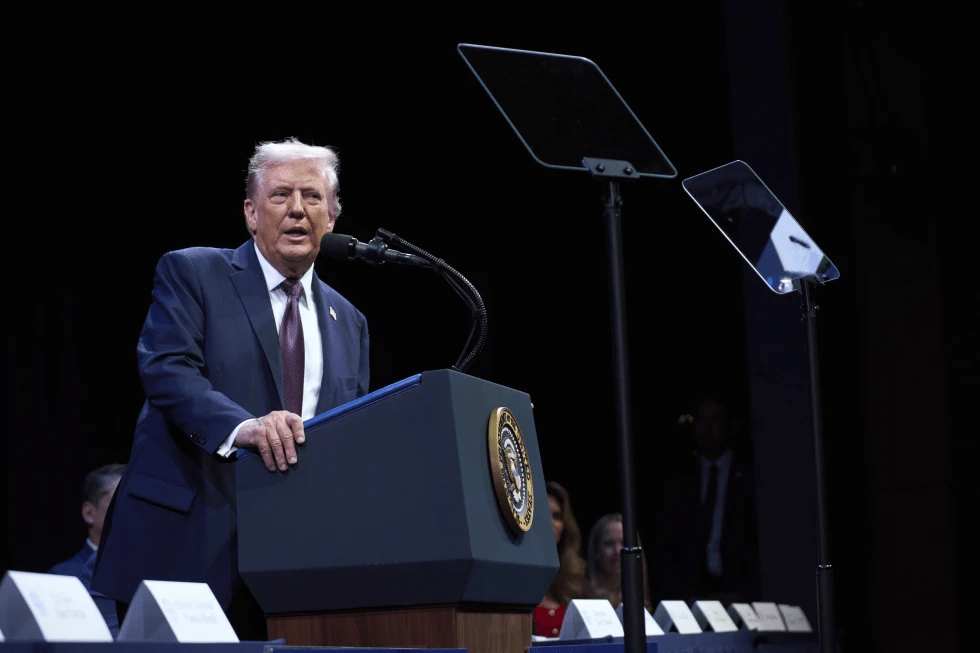
Trump’s travel ban has left thousands of international students stranded this fall, preventing them from joining American colleges despite years of preparation. The restrictions, which target citizens from 19 countries, have derailed academic plans and forced many to defer admissions or pursue alternatives in Europe.
Afghan Student’s Dream Deferred
For Bahara Saghari, 21, higher education offered an escape from Taliban restrictions on women in Afghanistan. After years of practicing English and earning admission to Knox College in Illinois, she was ready to begin classes this fall. But Trump’s travel ban crushed her dream.
“You think you are finally going to your dream, and then something comes up and everything is gone,” Saghari said.
She postponed her visa interview in Pakistan but canceled it after learning she would not be allowed to travel. Knox College refused to defer her admission. She turned to European universities, facing new hurdles such as retaking expired English exams and paying tuition upfront.
Visa Restrictions Disrupt Academic Plans
The State Department issued more than 5,700 F-1 and J-1 visas to students from the affected countries between May and September last year. More than half went to citizens of Iran and Myanmar. This year, many of those students never arrived on U.S. campuses.
Some students encountered delays in visa interviews due to tougher screening, while others lost legal status after abrupt immigration policy changes. But students from banned countries faced the toughest road: outright exclusion.
Currently, the ban blocks citizens from 12 countries across Africa, Asia, the Middle East, and the Caribbean. Another seven face restrictions that also limit student visas.
Holding Out Hope
Despite the ban, some students refuse to give up. Pouya Karami, a 17-year-old from Shiraz, Iran, focused his entire college search on the U.S. He secured admission to Pittsburg State University in Kansas to study polymer chemistry.
Instead of beginning classes, Karami remains at home. He deferred admission and is preparing for his embassy interview while contacting U.S. lawmakers to reconsider the ban.
“I’m doing everything I can about it,” he said.
Families Struggle With Broken Plans
In Myanmar, an 18-year-old student known as Gu Gu had been accepted to the University of South Florida. His family celebrated his acceptance letter, believing it was a path to a better future.
But when the travel ban was announced, his hopes ended overnight. Unlike others, Gu Gu could not defer admission.
“I was all in for the U.S., so this kind of breaks my heart,” he said.
With Myanmar’s civil war forcing many of his peers into the military or resistance groups, Gu Gu had been looking forward to the freedom of walking to school and playing sports in America. Now, those dreams remain out of reach.
Students Search for Alternatives
With Trump’s travel ban closing U.S. doors, many students are looking elsewhere. Universities in Germany and Poland report increased applications from affected countries. Yet European schools come with challenges: stricter documentation, language barriers, and advance tuition payments.
Amir, a 28-year-old Iranian researcher, lost a chance to join the University of Pennsylvania as a visiting scholar. His professor deferred the offer to next year, but Amir remains uncertain.
He is now applying to European programs, though they require more paperwork and possibly learning a new language. “You lose this idealistic view of the world,” he said. “You think if you work hard, you belong somewhere. Then you learn maybe people don’t want you there.”
Trump Defends the Ban
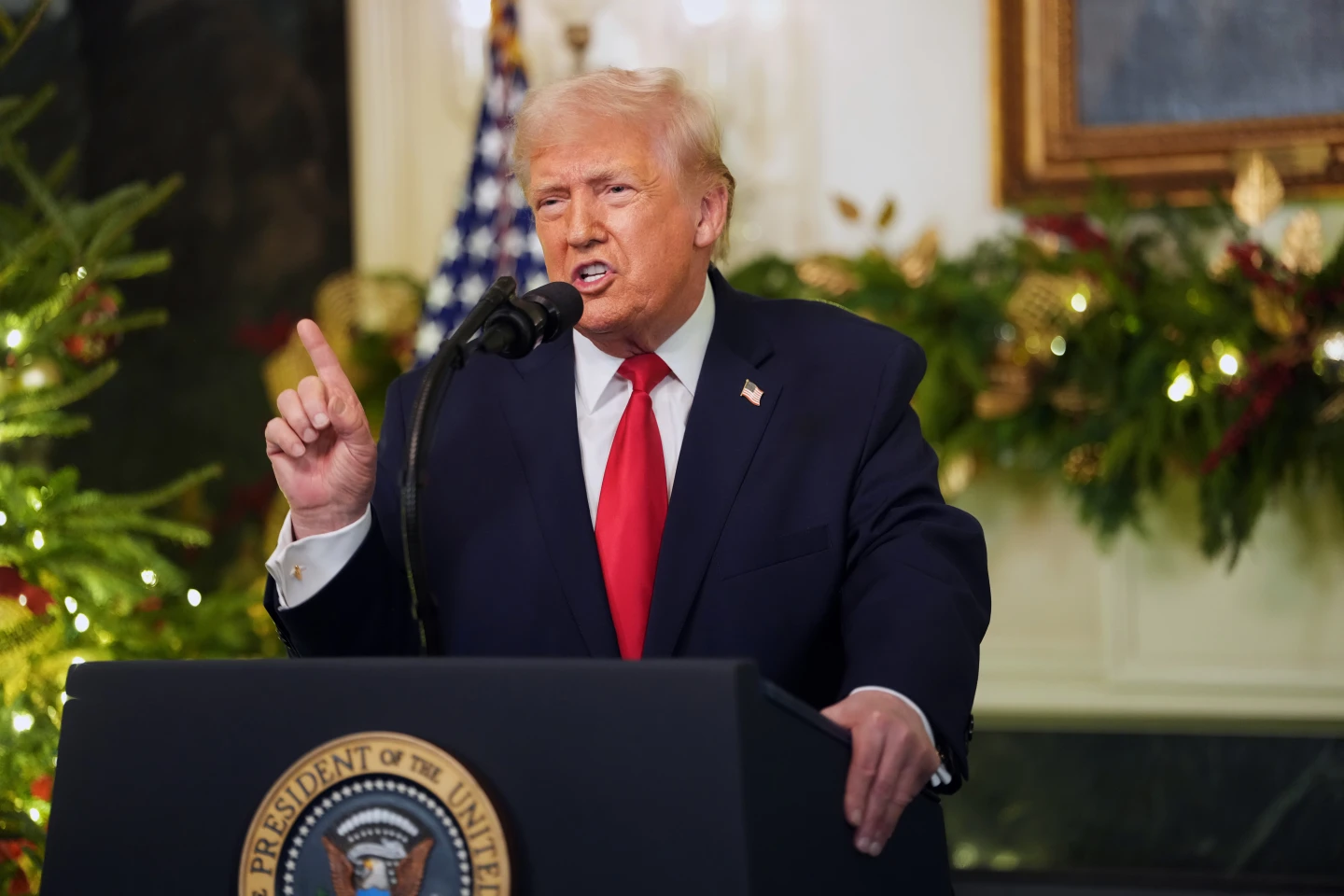
Trump introduced the travel ban in June, citing high visa overstay rates and national security threats from governments with what he called “deficient” screening. He promised to keep restrictions until those systems improve.
Although exemptions exist for dual citizens, green card holders, and some athletes, most students from affected countries remain excluded. Trump’s firm stance signals little chance of change in the near future.
Global Education at Risk
The United States has long been the top choice for international students, valued for world-class research and academic diversity. But Trump’s travel ban threatens that reputation. Many students now see Canada and Europe as safer and more reliable options for their education.
For students like Saghari, Karami, and Gu Gu, the decision is not just about visas. It is about lost time, family sacrifices, and broken dreams. The ban has shifted their paths and reshaped how the world views American higher education.


Leave a Reply