


Sikh community leaders have strongly criticized the recent India ban on Sikh pilgrims traveling to Pakistan to visit the shrine of Guru Nanak, the founder of their faith. They said the decision violates international norms, religious rights, and moral values, urging New Delhi to immediately reverse it.
Sikh leaders raise concern over ban
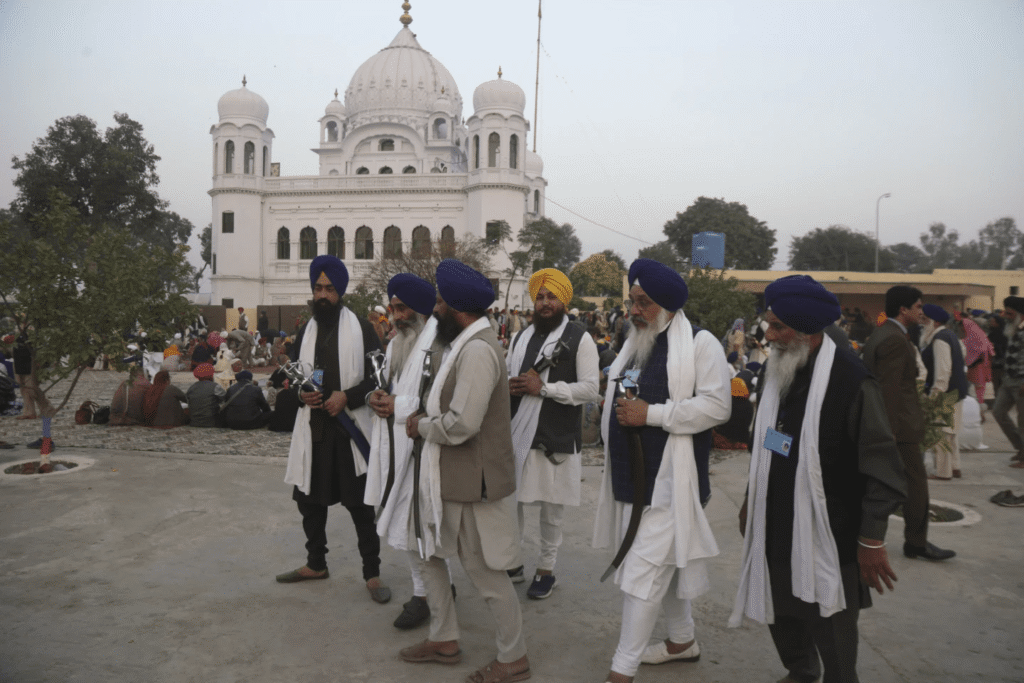
Mahesh Singh, vice president of the Pakistan Sikh Gurdwara Parbandhak Committee (PSGPC), condemned the move, stressing that thousands of Indian Sikhs had planned to attend Guru Nanak’s birth anniversary celebrations in November. “The ban deeply hurts the religious sentiments of our community,” Singh said. “Pakistan has always welcomed pilgrims with open arms, but India is restricting its own citizens.”
The federal government of India announced the decision on September 12, citing security concerns. New Delhi has not issued further details, but Sikh organizations on both sides of the border have dismissed the justification, calling it politically motivated.
Religious bodies call ban discriminatory
The Shiromani Gurdwara Parbandhak Committee in India described the ban as discriminatory. In a statement, it said stopping Sikhs from traveling to Pakistan while allowing sporting and cultural exchanges with the country showed “double standards.”
Punjab Chief Minister Bhagwant Mann echoed the criticism. He said the federal government had permitted cricket matches between India and Pakistan but denied Sikhs the right to perform a sacred pilgrimage. “If cricket can happen, why can’t pilgrims visit shrines?” he asked.
Broader impact on India-Pakistan relations
The India ban on Sikh pilgrims has added new strain to already tense relations between the nuclear-armed neighbors. Since the deadly clashes in Kashmir and tit-for-tat strikes in recent years, diplomatic ties have been downgraded, visas suspended, and cross-border movement restricted.
Although a U.S.-brokered ceasefire has reduced direct hostilities, mistrust remains high. Religious pilgrimage, once considered a way to build people-to-people ties, now faces major obstacles due to political decisions.
Pakistan assures pilgrims of support
Despite India’s restrictions, Pakistani officials said Sikh pilgrims will remain welcome under existing arrangements. Many of Sikhism’s holiest sites, including the shrine at Kartarpur, are located in Pakistan after the partition of 1947.
Ghulam Mohiuddin, a senior Pakistani official, said, “We are making full arrangements for lodging and food for Sikh pilgrims from India and abroad. If New Delhi lifts the ban, we expect a record number of visitors this year.”
He confirmed that visas will be issued through Pakistan’s High Commission in New Delhi, and the Kartarpur Corridor — inaugurated in 2019 to facilitate visa-free travel — remains operational.
Kartarpur shrine’s resilience
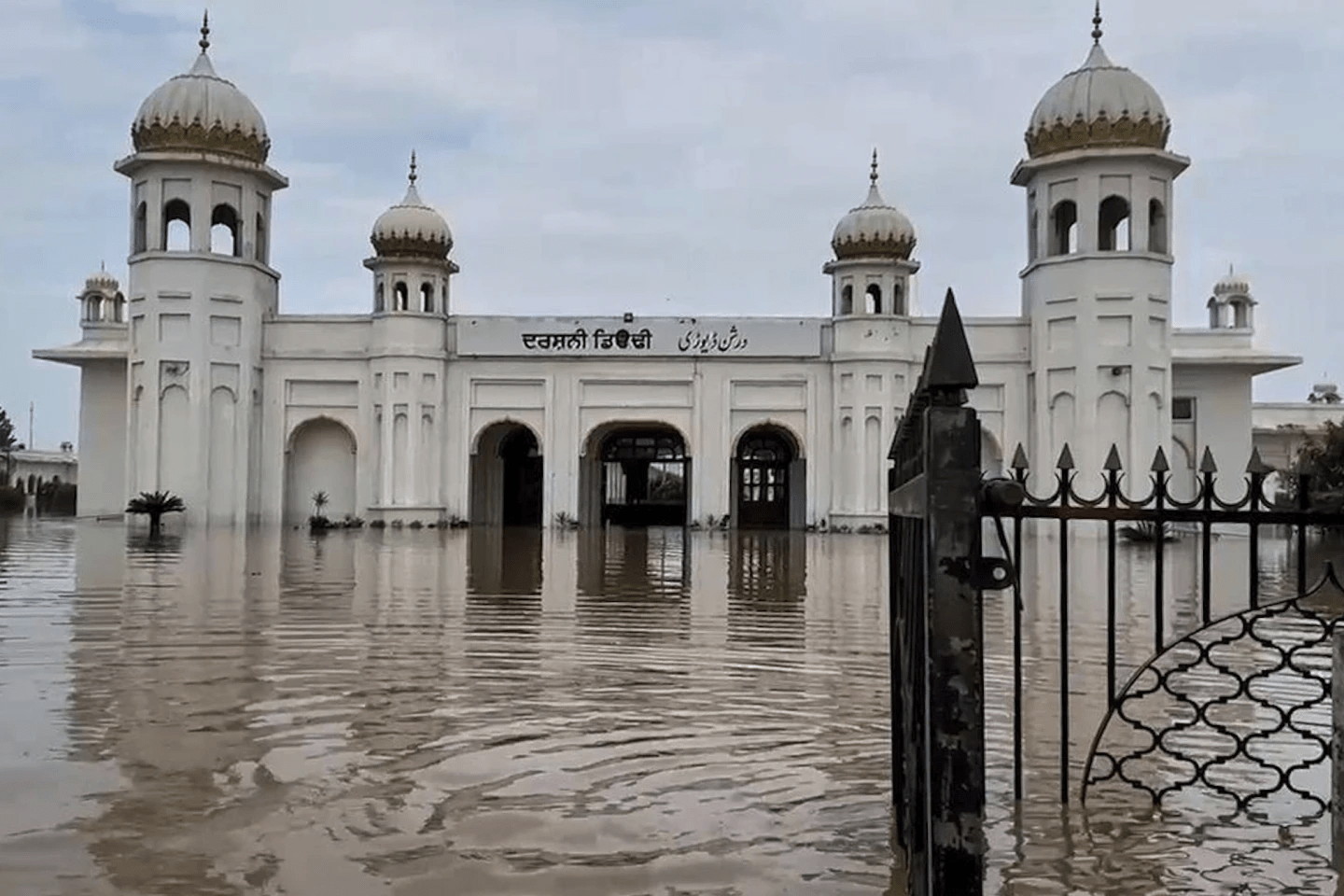
The Kartarpur shrine, the second-holiest site in Sikhism, was heavily damaged by flooding last month after heavy rains and excess water release from Indian dams. At one point, water stood 20 feet deep inside the shrine complex.
Punjab’s Chief Minister Maryam Nawaz Sharif ordered immediate restoration, and within a week, the shrine reopened for worshippers. This swift response reinforced Pakistan’s commitment to safeguarding Sikh holy sites.
International voices of concern
Global Sikh leaders have also weighed in. Gyani Harpreet Singh criticized the ban on social platform X, arguing that India cannot justify cultural or sports exchanges with Pakistan while blocking religious pilgrimages. He urged the government “not to play with the emotions of Sikhs.”
Rights activists noted that international treaties on religious freedom support free access to holy sites. They said New Delhi’s restrictions may undermine India’s image as a secular state.
A call for reversal
Sikh leaders insist that the India ban on Sikh pilgrims should be lifted before Guru Nanak’s 556th birth anniversary in November. Mahesh Singh of PSGPC said Pakistan has repeatedly assured that “the doors of Pakistan are open for Indian Sikh pilgrims.”
For many Sikhs, the pilgrimage is not just a religious duty but also a spiritual connection with their history and heritage. By denying permission, they argue, India risks alienating a large section of its Sikh population while fueling resentment abroad.
Outlook
As the deadline for the celebrations approaches, pressure is mounting on New Delhi. Sikh organizations, opposition leaders, and international voices are demanding the reversal of the ban. Pakistan, meanwhile, has positioned itself as a facilitator, promising a safe and hospitable environment for pilgrims.
Whether India reconsiders its stance will likely depend on both security assessments and political calculations. But for now, the India ban on Sikh pilgrims remains a flashpoint in South Asia’s complex mix of religion, politics, and diplomacy.






Leave a Reply