


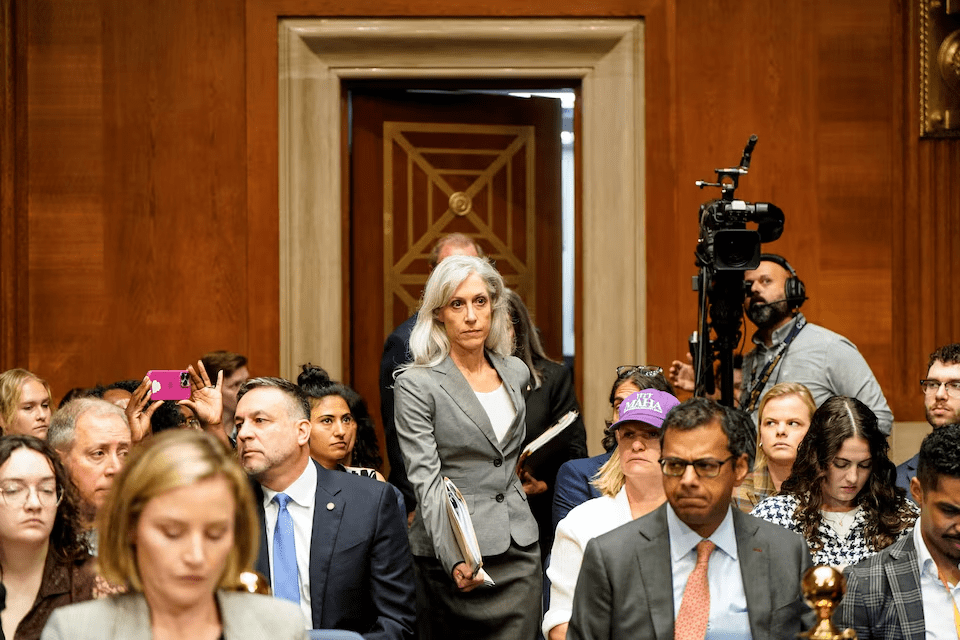
WASHINGTON — The fired CDC chief testimony shook Washington on Wednesday as Susan Monarez accused Health Secretary Robert F. Kennedy Jr. of pressuring her to approve controversial vaccine recommendations without reviewing scientific evidence. She told senators that Kennedy gave her an ultimatum: endorse the new guidelines or lose her job.
Kennedy’s ultimatum to Monarez
In her remarks, Monarez said Kennedy demanded she preapprove vaccine guidance from a CDC advisory panel filled with members known for questioning vaccine safety. She refused. “I was asked to endorse recommendations before the science was shown. That was unacceptable,” she told lawmakers.
The fired CDC chief testimony also revealed that Kennedy ordered her to dismiss senior CDC staff without cause. Monarez said she rejected that request as well, which led to her removal only weeks after taking office.
Clash inside the Trump administration
Monarez, who President Donald Trump had nominated on Kennedy’s advice, expected to lead the CDC during a critical moment. Instead, her firing exposed rifts within the administration over vaccine policy.
Lawmakers pressed Monarez on whether Kennedy placed politics over science. She responded bluntly: “When leaders push ideology instead of evidence, every American faces risk.”
Fallout after the firing
The fired CDC chief testimony quickly sparked a political storm. Democrats accused Kennedy of undermining science, while several Republicans voiced concern about public trust in health institutions.
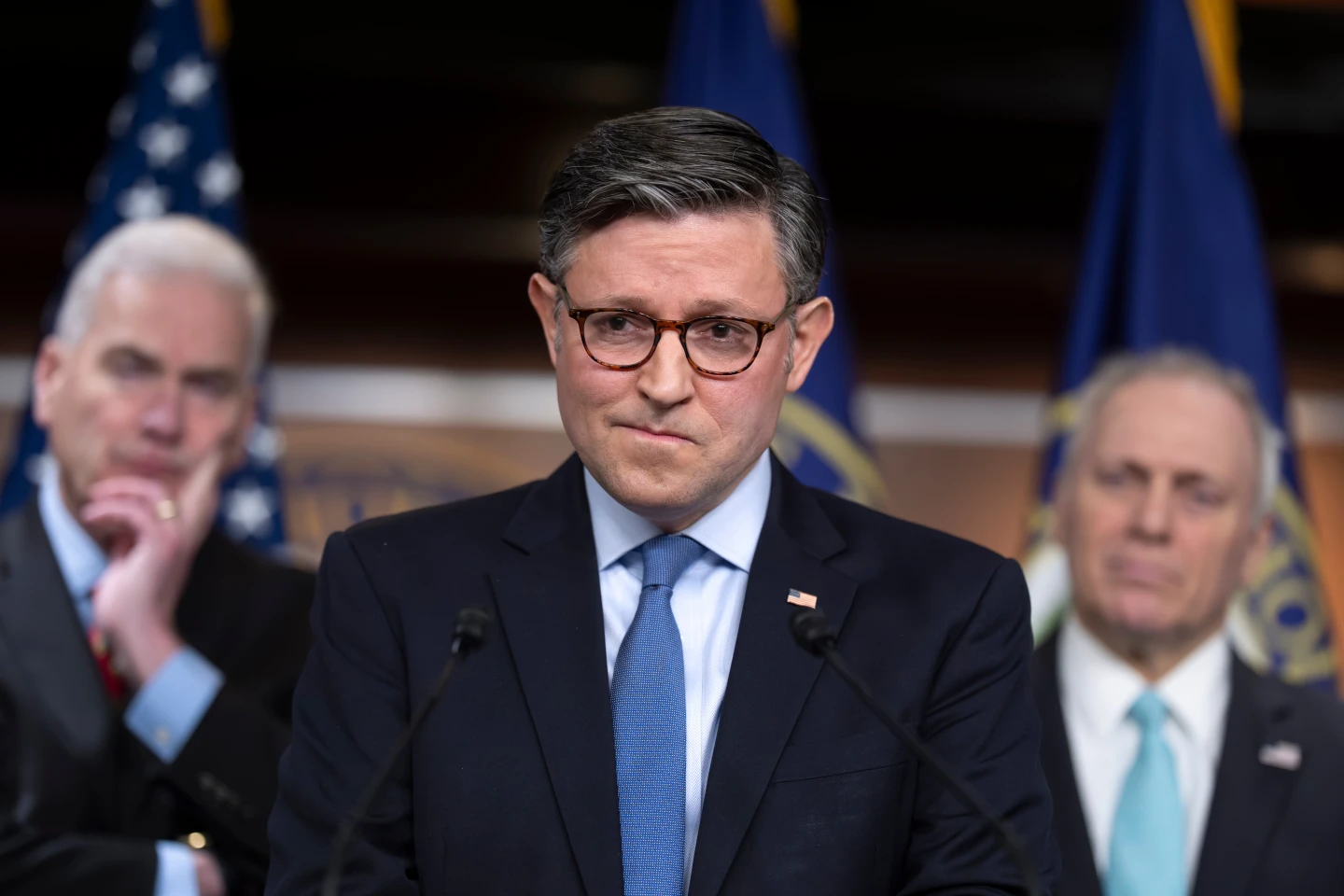
Kennedy has not directly addressed Monarez’s allegations but defended the advisory panel. He argued that it brings fresh voices into a system long controlled by pharmaceutical interests.
Still, firing a CDC director so soon after appointment remains unprecedented, adding weight to Monarez’s claims.
Broader controversies around Kennedy
Kennedy’s vaccine stance has drawn criticism for years, but his role as Health Secretary has placed his views under new scrutiny. With the advisory panel set to vote on vaccine recommendations this week, critics fear political influence could overshadow scientific review.
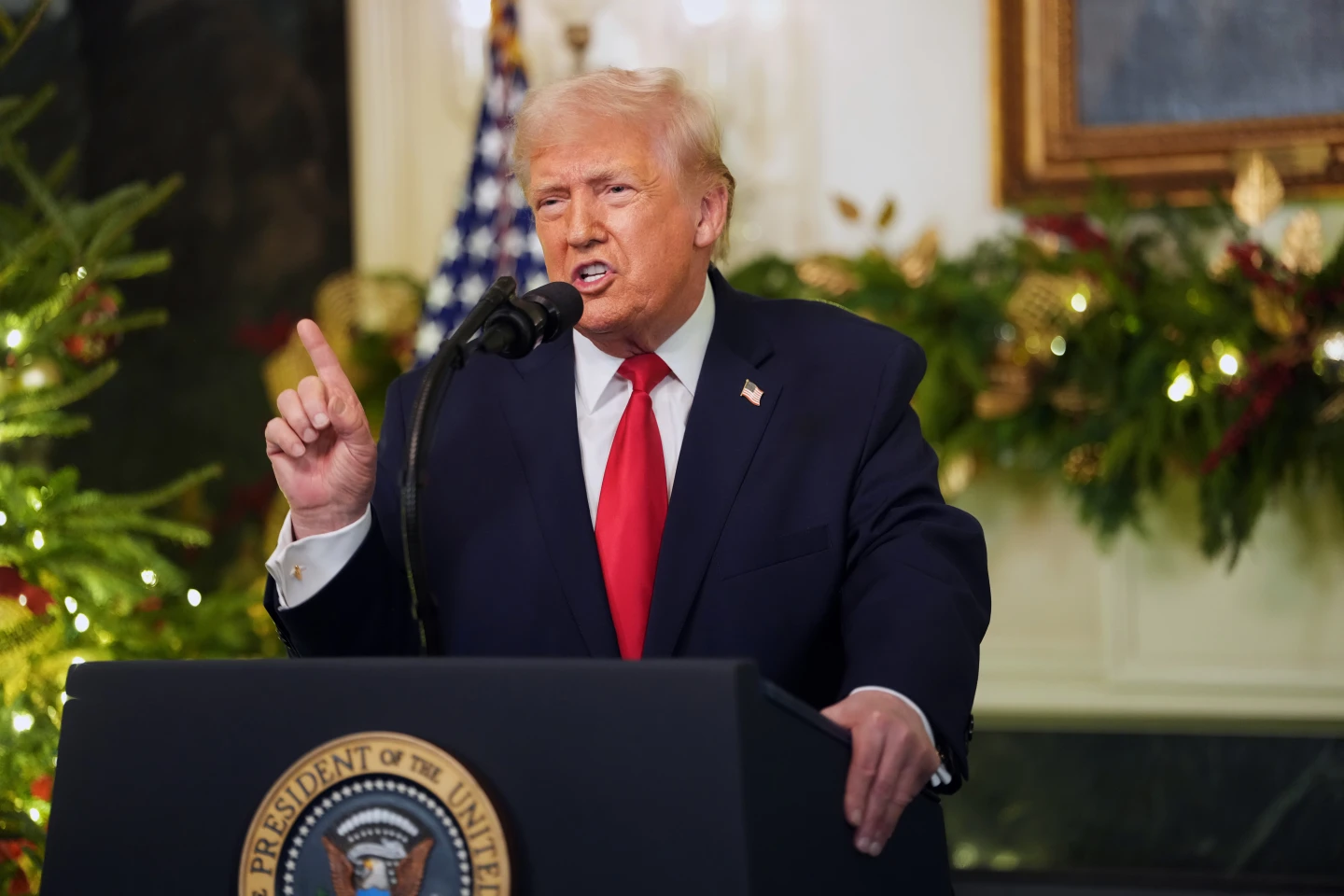
Meanwhile, Trump continued high-profile activities abroad. During Monarez’s testimony, he began a state visit to the United Kingdom, meeting King Charles III at Windsor Castle before scheduled talks with Prime Minister Keir Starmer.
At home, Trump’s administration pressed forward with a crackdown on progressive groups, signaling potential racketeering probes and tax-exempt status reviews. Critics called the move political retaliation.
FBI clarifies Trump not linked to Epstein
The hearing also unfolded as FBI Director Kash Patel told Congress that Trump is “absolutely not implicated” in the Jeffrey Epstein case. Patel explained that most files contain child sex abuse evidence unsuitable for release, which keeps much of the investigation sealed.
Why the testimony matters
The fired CDC chief testimony underscored deep questions about the balance of science and politics in American health policy. Monarez said allowing unproven recommendations would erode vaccine confidence and threaten public safety.
“The integrity of our health system depends on evidence,” she warned. “Every guideline must stand on facts, not pressure.”
What comes next
The Senate health committee plans more hearings this week. Lawmakers may call additional witnesses, including current CDC staff, to assess whether Kennedy interfered with agency decision-making.
The advisory panel will vote on its vaccine guidance in the coming days, setting the stage for another showdown between scientific standards and political authority.
For now, the fired CDC chief testimony has become a flashpoint. It highlights not only the stakes of vaccine policy but also the credibility of government institutions tasked with protecting public health.


Leave a Reply