


Trump H-1B visa $100K annual fee proclamation
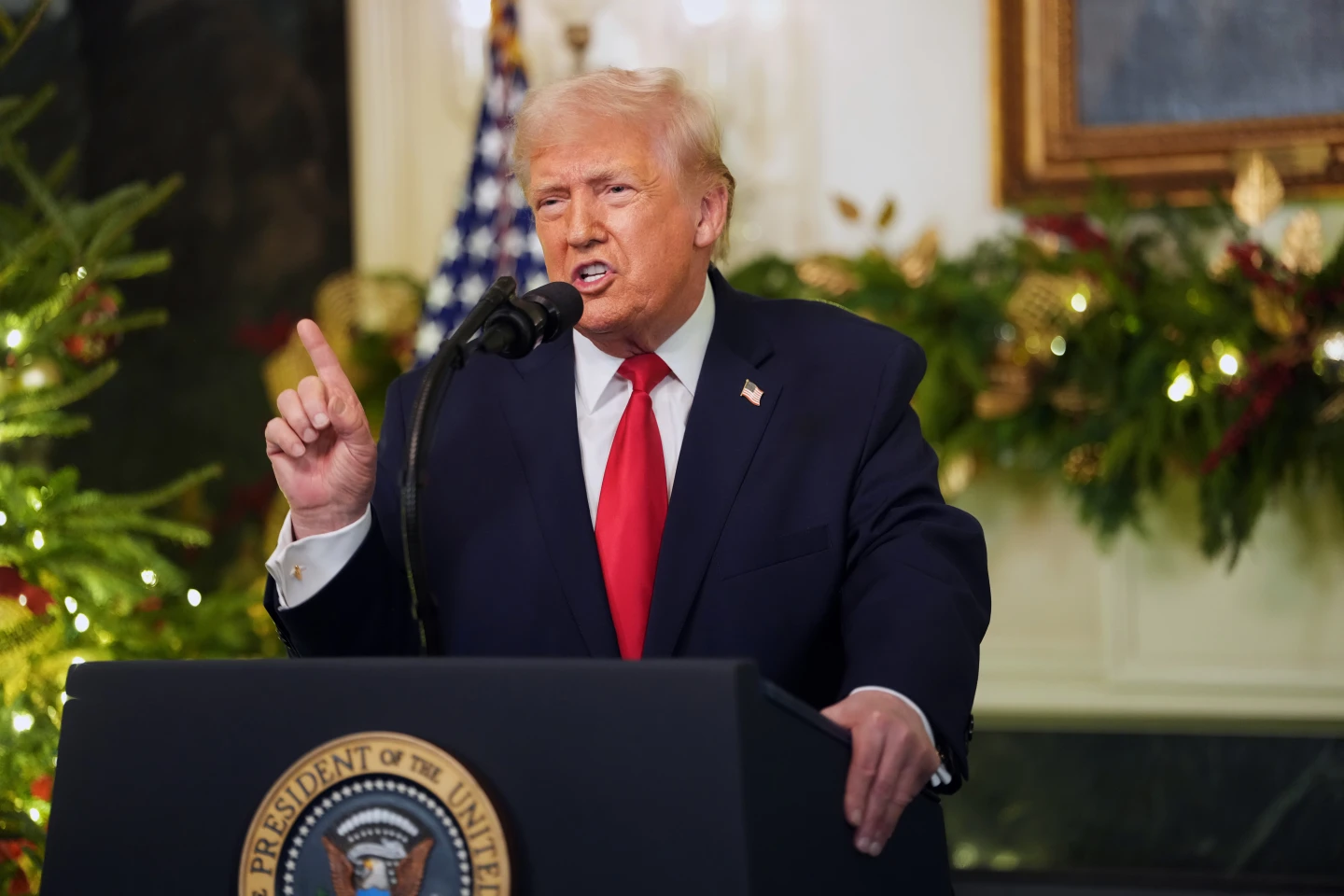
President Donald Trump has signed a proclamation imposing a Trump H-1B visa $100K annual fee, a move that marks the steepest cost hike in the program’s history. The new rule increases the application charge from just $215 to an unprecedented $100,000 per year. Analysts warn it could reshape the tech industry, trigger legal challenges, and deter skilled foreign workers from applying. Supporters argue the fee will protect American jobs and reduce dependency on overseas labor.
Gold card and platinum card visas introduced
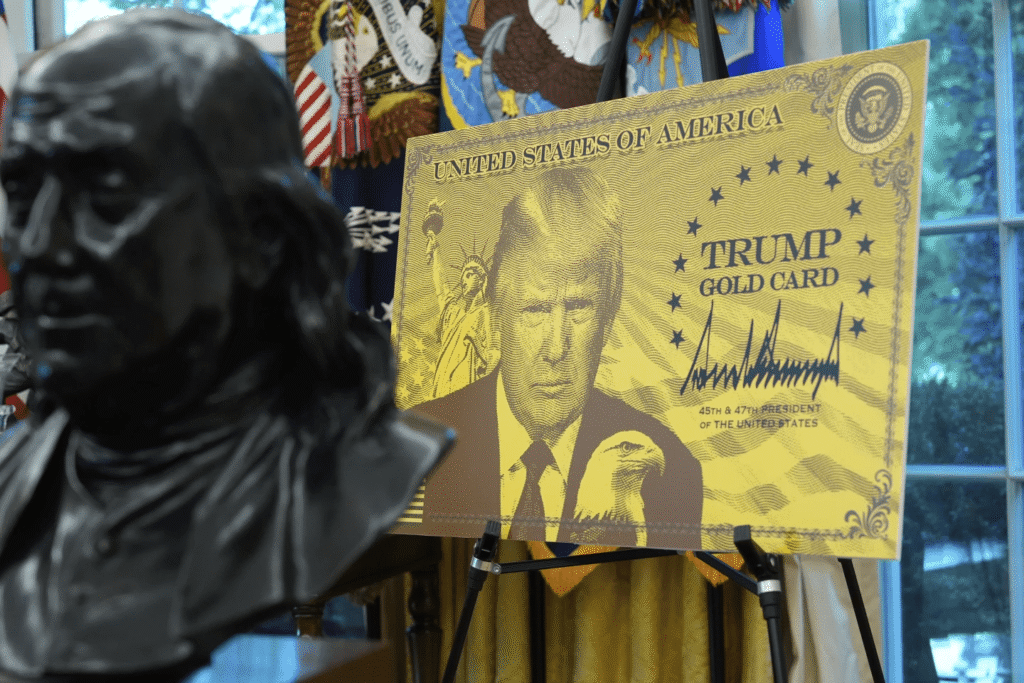
Alongside the new H-1B rule, Trump also announced the creation of new investor-based visas. A “gold card” visa will cost $1 million and offer a path to U.S. citizenship. A “platinum card” visa will cost $5 million, allowing foreigners to spend up to 270 days in the U.S. without being subject to U.S. taxes on overseas income.
Commerce Secretary Howard Lutnick said the gold and platinum card visas will replace other employment-based visas, including those for scientists, professors, and artists. Critics say this system favors the wealthy over merit-based immigration.
Industry reaction to the Trump H-1B visa $100K annual fee
The tech industry, a primary user of the H-1B program, has not officially responded to Trump’s proclamation. Amazon, Apple, Google, Meta, and Microsoft declined or failed to comment. Analysts expect many companies will struggle to justify the massive cost increase.
Experts say this annual fee could sharply reduce applications, especially for smaller firms and startups. Historically, 85,000 H-1B visas are available each year. Lutnick admitted the cap will no longer be reached, saying, “It’s just not economic anymore.”
U.S. Tech Workers, a group critical of the H-1B program, praised the move. They called it “the next best thing to abolishing the visas altogether.” Labor unions, including the AFL-CIO, argue that the visas should go to companies offering the highest wages, not those chosen by lottery.
Legal challenges expected
Immigration experts say Trump’s move bypasses Congress, which typically sets visa rules. Doug Rand, a senior official under the Biden administration, called the proclamation “ludicrously lawless.” He warned that courts are likely to block the Trump H-1B visa $100K annual fee, at least temporarily.
Critics argue the order violates administrative law and unfairly targets foreign workers. Lawsuits are expected from advocacy groups, tech firms, and possibly state governments.
Impact on U.S. companies and workers
The H-1B program was designed to help companies fill roles requiring specialized skills. In recent years, however, critics claimed outsourcing firms exploited the system to bring in lower-paid workers. By raising the fee, Trump says he is discouraging abuse and encouraging firms to hire Americans.
Supporters of the Trump H-1B visa $100K annual fee argue that U.S. universities produce enough talent, and higher costs will force companies to invest in local workers. Detractors warn it could push global tech companies to move jobs overseas, harming U.S. competitiveness.
Historical background of H-1B visas
The H-1B visa has long been controversial. Introduced in 1990, it became central to the growth of Silicon Valley. The program requires applicants to hold at least a bachelor’s degree and a job offer in a specialty occupation.
In 2024, bids for the visa lottery fell 40% after stricter anti-fraud measures. Despite this, demand often exceeds supply. Amazon, Microsoft, Apple, Google, and Tata Consultancy are among the largest recipients each year.
The Trump H-1B visa $100K annual fee represents a radical departure from past policy, transforming what was once an affordable visa into one of the most expensive in the world.
Broader immigration strategy
Trump’s changes reflect his broader immigration agenda, which prioritizes reducing low-cost foreign labor while opening doors to wealthy investors. By creating gold and platinum cards, Trump signals a preference for cash-rich applicants who can contribute immediately to the U.S. economy.
This contrasts sharply with traditional immigration policy, which balanced family reunification, skilled workers, and humanitarian visas.
What happens next
The Trump H-1B visa $100K annual fee will likely take months to implement. Lawsuits are almost certain, and Congress may attempt to override or block the proclamation. Meanwhile, U.S. companies and skilled foreign workers face uncertainty about their futures.
For now, Trump’s announcement has sent shockwaves through the global tech sector, legal community, and immigration advocates. The coming months will reveal whether the measure survives legal scrutiny or is struck down in court.


Leave a Reply