


Introduction: China UN Speech Marks a Global Debut
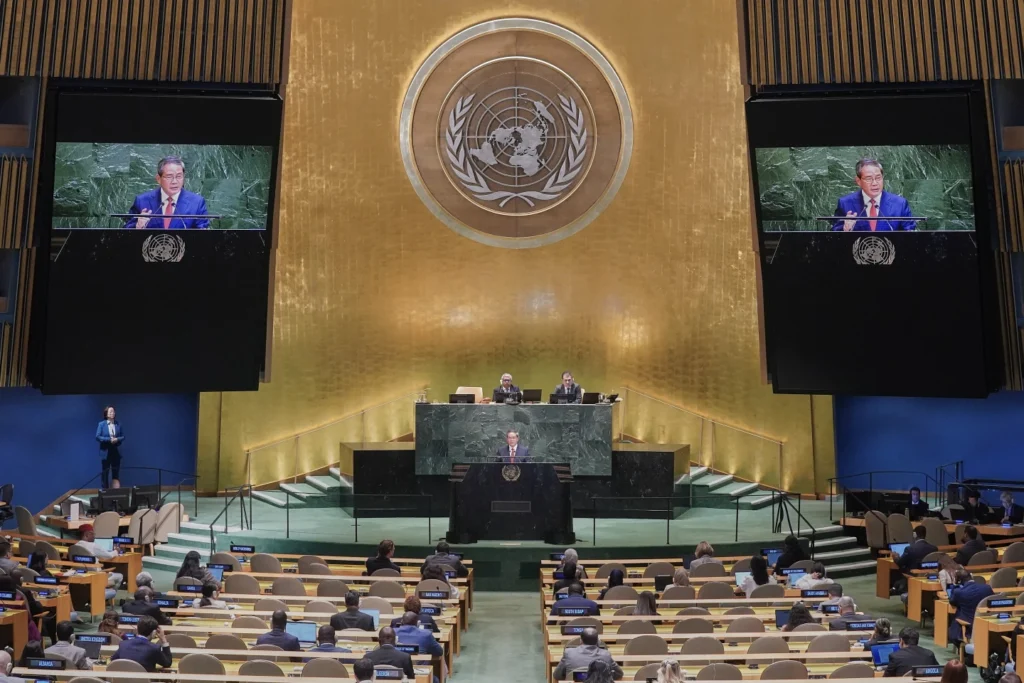
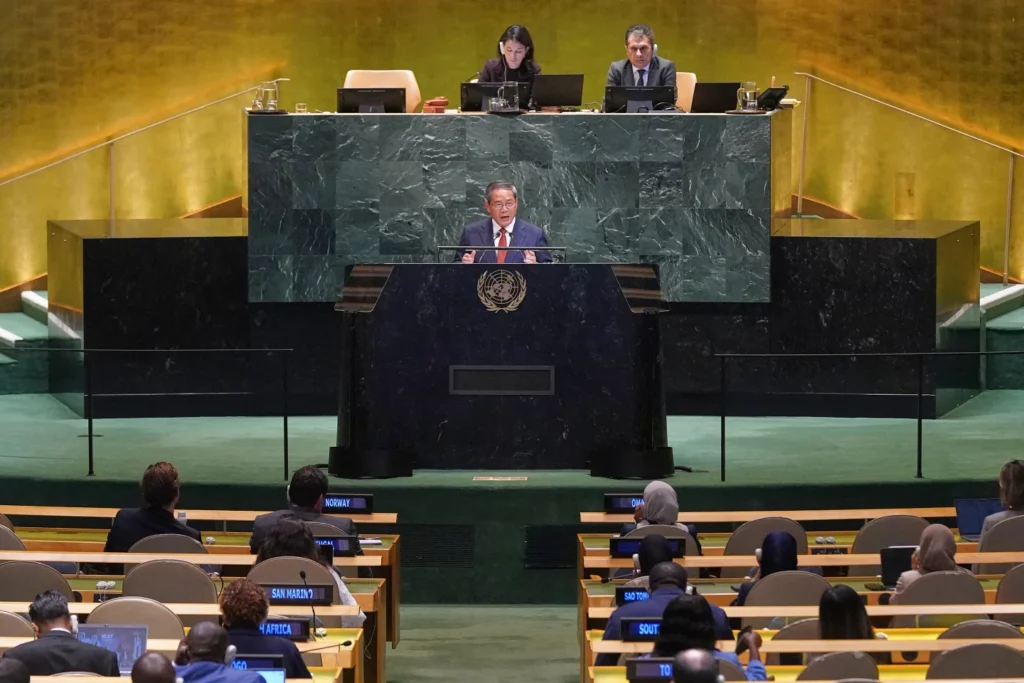
In his first major China UN Speech, Premier Li Qiang positioned Beijing as a defender of multilateralism while warning against unilateralism and “Cold War mentality.” Speaking before world leaders at the United Nations General Assembly, Li urged cooperation, hinted at US policies without naming them, and cast China as a stabilizing force in an era of turbulence.
The address, seen as Li’s international debut since his elevation to premier more than two years ago, highlighted Beijing’s long-standing concerns over U.S. dominance and its impact on global order.
Li Qiang’s Rising Role on the Global Stage
The China UN Speech also underscored Li Qiang’s growing influence within Beijing’s leadership. As China’s No. 2 official behind President Xi Jinping, Li has primarily focused on domestic and economic affairs. Yet Xi’s decision to let Li represent China at the UN signals confidence in his diplomatic role and a deliberate attempt to broaden his international profile.
Li struck a tone that blended assertiveness with cultural imagery. He described flags fluttering at UN headquarters and sculptures symbolizing peace, using them as metaphors for collective progress. This personal reflection distinguished his remarks from China’s usually cautious diplomatic rhetoric.
Warning Against Unilateralism and Hegemony
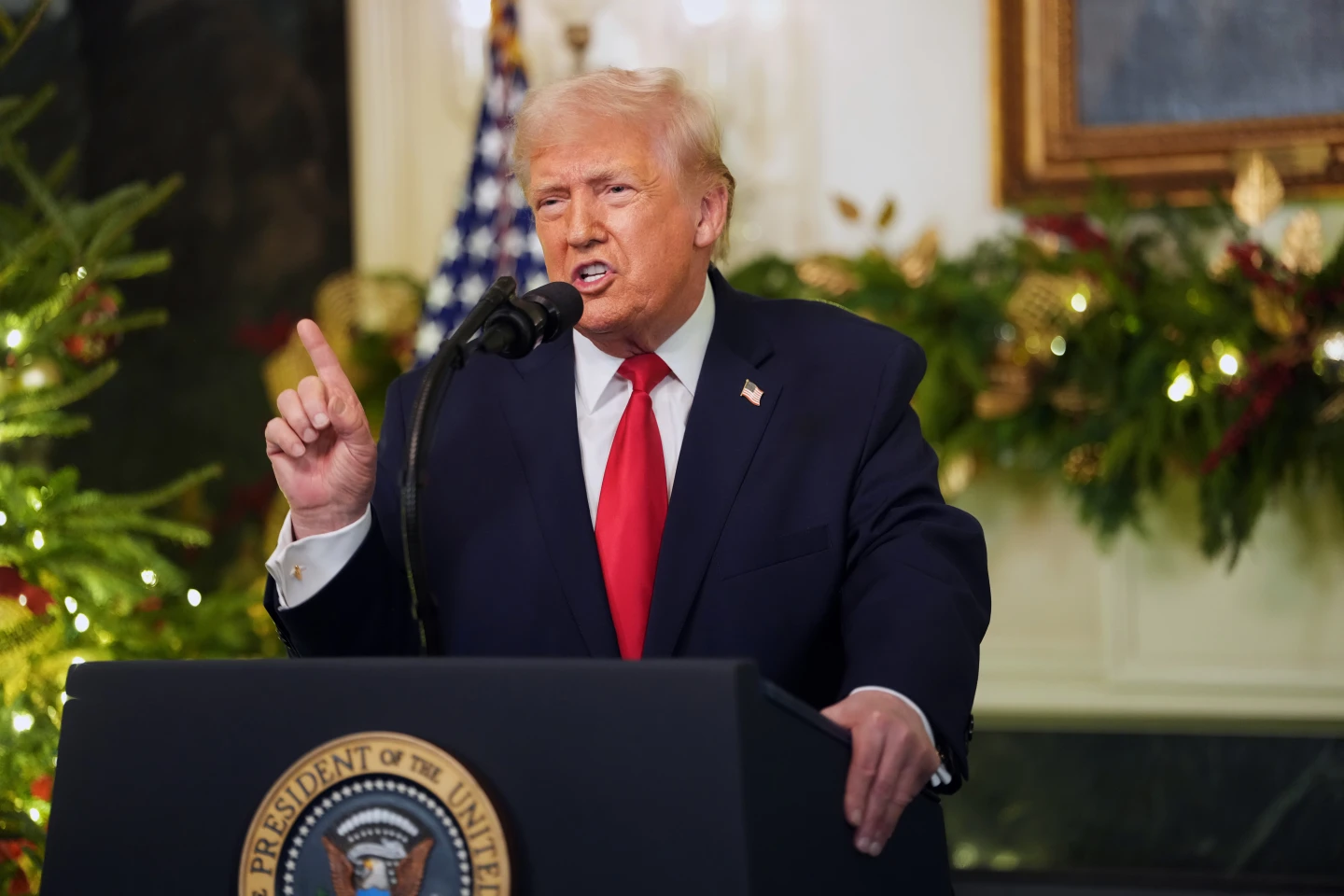
Throughout the China UN Speech, Li stressed that unilateral policies and protectionism are destabilizing the world economy. He warned that when “might dictates right,” division and regression follow. The comments were widely interpreted as an indirect critique of Washington’s tariffs and Trump’s “America First” agenda.
Li argued that solidarity is the only path forward. “Solidarity lifts everyone up while division drags all down,” he declared, framing China as a champion of fairness in global governance.
China’s Emphasis on Multilateralism
Multilateralism has long been central to Beijing’s foreign policy narrative, and the China UN Speech reinforced that theme. By championing cooperation and consensus, Li positioned the UN as a counterbalance to what Beijing views as U.S. dominance.
However, critics note the contradiction between rhetoric and action. While Beijing emphasizes sovereignty and mutual respect abroad, it faces international criticism for domestic policies in Xinjiang, Hong Kong, and its assertive approach toward Taiwan.
Economic Concerns in the China UN Speech
Beyond political principles, Li focused on economic anxieties shared worldwide. He pointed to tariffs and “walls and barriers” as drivers of stagnation. With Trump’s administration having paused but not abandoned harsh tariffs on Beijing, Li’s remarks carried particular weight.
By linking trade challenges to global economic “doldrums,” the China UN Speech sought to rally support from developing nations that have suffered under protectionist measures.
A Diplomatic Balance: Criticism Without Naming the US
Interestingly, Li never mentioned the “United States” by name in the China UN Speech. This omission itself was a diplomatic maneuver, allowing Beijing to deliver pointed criticism while avoiding direct confrontation in front of the global audience.
Observers viewed this as a sign of China’s tactical messaging: firm on principle, flexible on delivery.
Why the China UN Speech Matters
The China UN Speech matters for several reasons:
- Li’s Debut: It marked Li Qiang’s first major appearance on the world stage.
- China’s Image: It reinforced Beijing’s self-styled role as a defender of peace and stability.
- US-China Tensions: It highlighted ongoing friction without triggering open escalation.
- Global Order: It reminded world leaders that the balance between unilateralism and multilateralism will shape future cooperation.
As Xi Jinping gradually shares more international responsibilities with Li, the premier’s words at the UN provide clues about China’s evolving diplomatic posture.
Conclusion: China Seeks to Shape the Narrative
The China UN Speech by Li Qiang showcased Beijing’s attempt to control the global narrative. By emphasizing multilateralism, criticizing unilateralism, and presenting China as a responsible stakeholder, Li positioned his country as a counterweight to U.S. influence.
Yet, as global observers note, rhetoric must match reality. For China, balancing its assertive regional policies with its calls for international solidarity will remain its greatest challenge.


Leave a Reply