


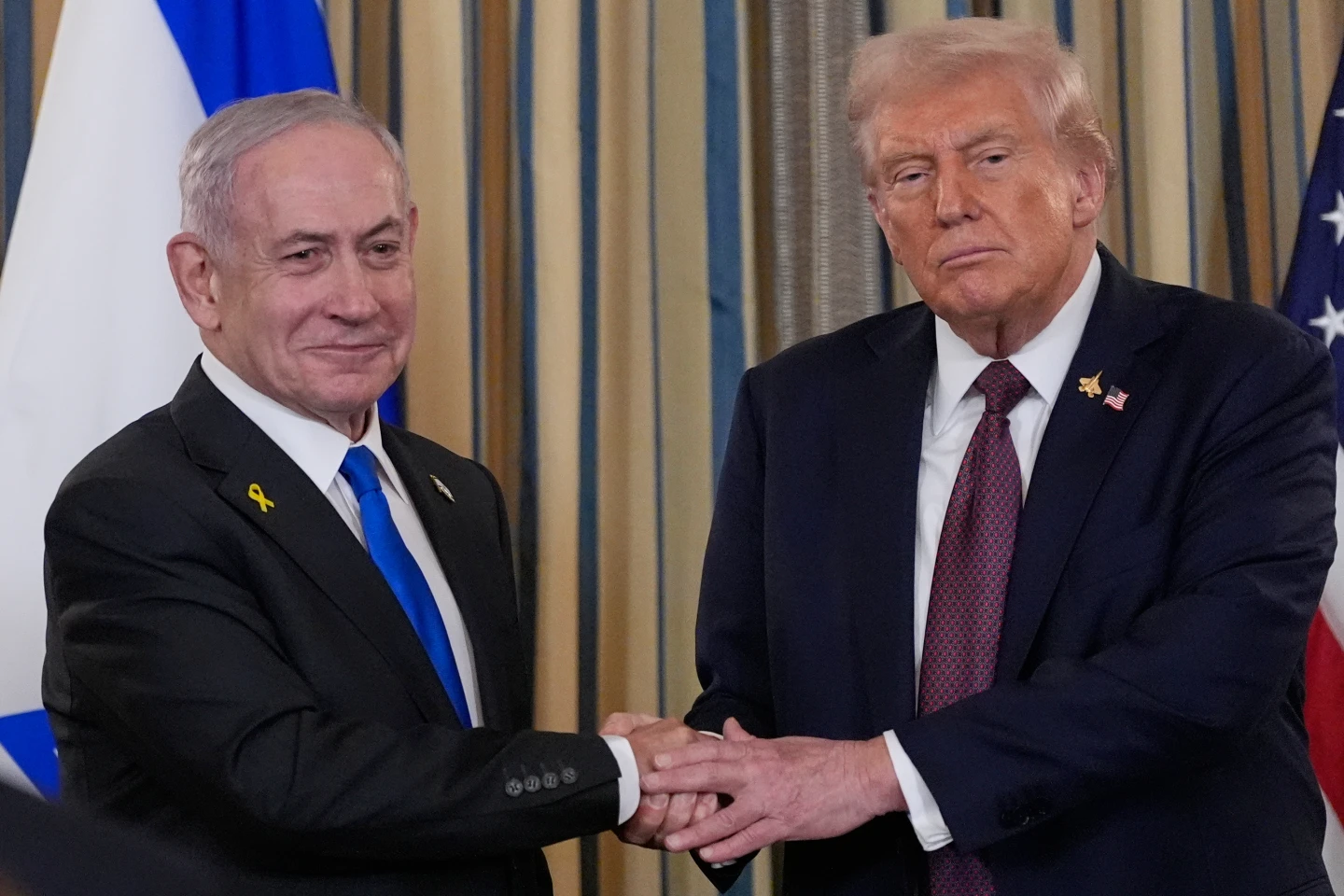
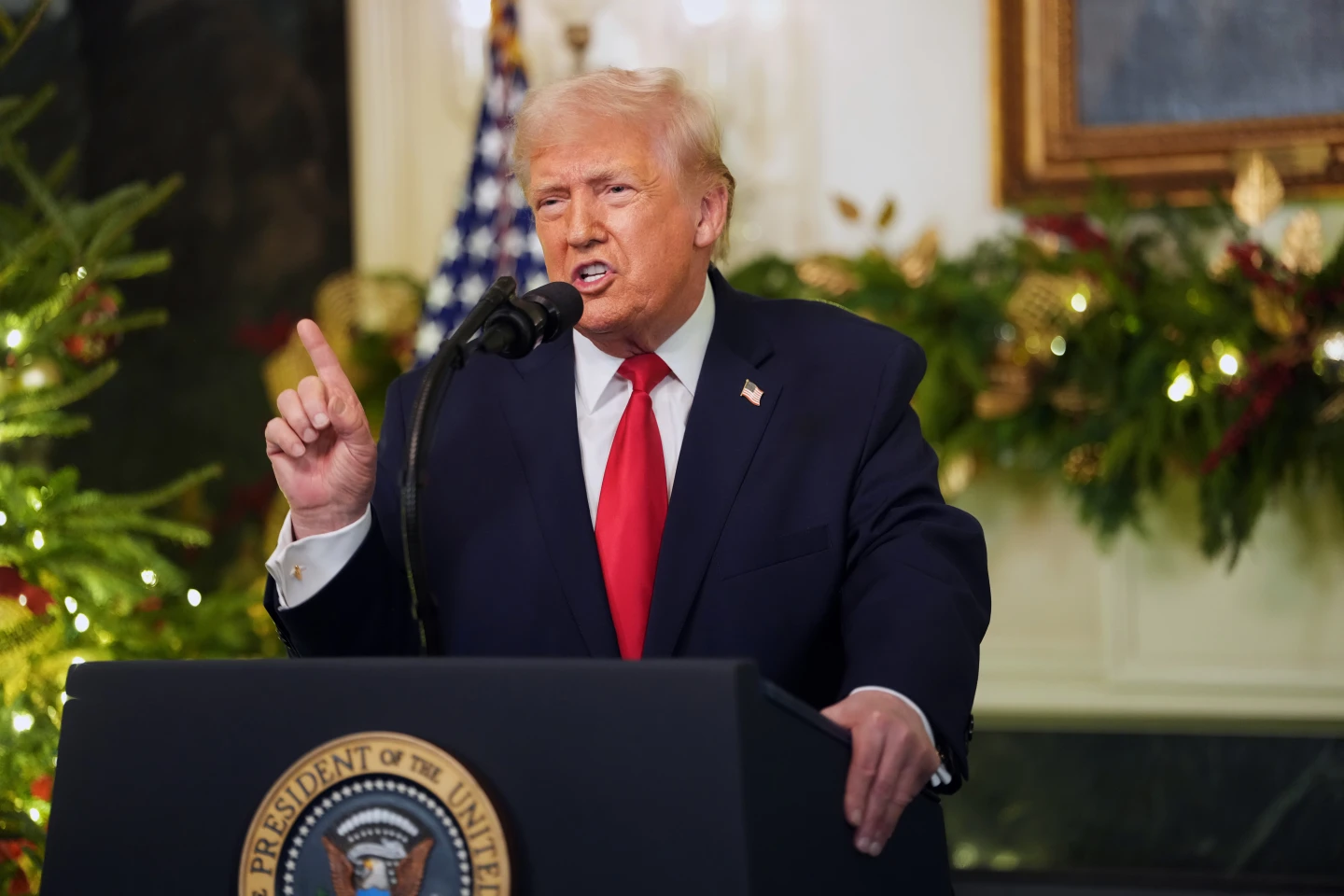
WASHINGTON — President Donald Trump and Israeli Prime Minister Benjamin Netanyahu announced on Monday that they had reached agreement on a 20-point Gaza peace plan designed to end the war, secure the release of hostages, and create a framework for post-conflict governance. The initiative, now under review by Hamas, represents the most ambitious U.S.-backed effort to bring an end to the devastating conflict that has dragged into its third year.
Trump presented the plan during a White House meeting with Netanyahu, framing it as a “last, best offer” for peace. While both leaders hailed it as a breakthrough, many provisions mirror conditions that Hamas has historically rejected.
“If Hamas rejects your plan, Mr. President, or if they supposedly accept it and then do everything to counter it, then Israel will finish the job by itself,” Netanyahu warned during their joint appearance.
Key Details of the Trump-Netanyahu Gaza Peace Plan
According to U.S. officials, the Trump Netanyahu Gaza peace plan calls for:
- A 72-hour deadline for Hamas to release all remaining hostages once the group accepts the deal.
- The release of hundreds of Palestinian prisoners, including many serving life sentences, by Israel.
- The creation of a temporary governing committee, chaired by Trump and including former British Prime Minister Tony Blair, to oversee implementation.
- A Palestinian technocratic committee to manage Gaza’s civilian affairs, with eventual power transfer to a reformed Palestinian Authority.
- Amnesty and safe passage for Hamas members who disarm or choose to leave Gaza.
Notably, the plan drops earlier proposals requiring mass displacement of Palestinians, which had been firmly rejected by regional leaders.
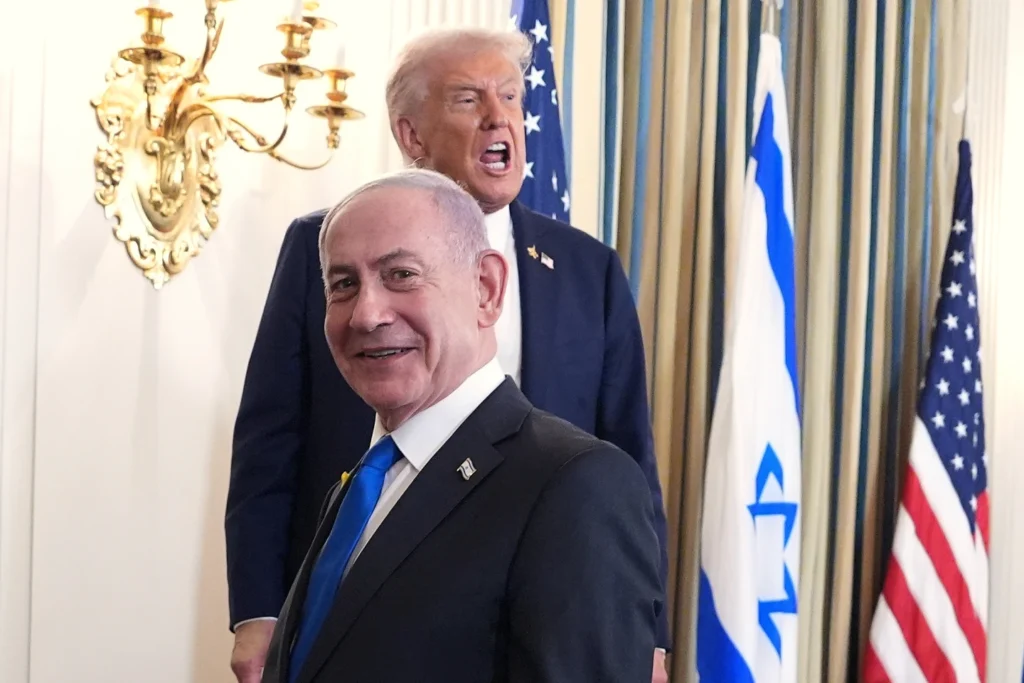
Hamas Response Under Review
The proposal was delivered to Hamas negotiators in Doha by Qatar’s prime minister and Egypt’s intelligence chief. A source close to the talks said the group is reviewing it “in good faith,” though skepticism remains about the feasibility of disarmament demands.
Hamas is believed to be holding 48 hostages, with Israel estimating that only 20 are still alive. Previous negotiations have faltered over Hamas’ insistence on a complete Israeli withdrawal from Gaza.
Regional and International Reactions
The Palestinian Authority in the West Bank welcomed the plan, pledging to implement the reforms it requires. Meanwhile, governments of Egypt, Jordan, Indonesia, Pakistan, Turkey, Qatar, Saudi Arabia, and the UAE issued a joint statement applauding Trump’s efforts.
Trump also engaged Arab and Islamic leaders during last week’s U.N. General Assembly meetings in New York. He cast the initiative as a historic opportunity:
“We have a real chance for greatness in the Middle East,” he declared. “I challenge the Palestinians to take responsibility for their destiny, because that’s what we’re giving them.”
Netanyahu’s Apology to Qatar
Alongside the peace announcement, Netanyahu made a rare apology to Qatar, an essential mediator in Gaza negotiations and a close U.S. ally.
He expressed regret for Israel’s Sept. 9 missile strike targeting Hamas leaders in Qatar, which inadvertently killed a Qatari serviceman and drew sharp criticism from Washington.
In a call with Qatari Prime Minister Sheikh Mohammed bin Abdulrahman Al Thani, Netanyahu pledged Israel would not repeat such an attack. The White House described the exchange as a “heart-to-heart” conversation aimed at repairing strained ties.
Despite Netanyahu’s contrition, Israel’s far-right National Security Minister Itamar Ben-Gvir defended the strike as “an important, just and ethical attack,” exposing divisions within Israel’s ruling coalition.
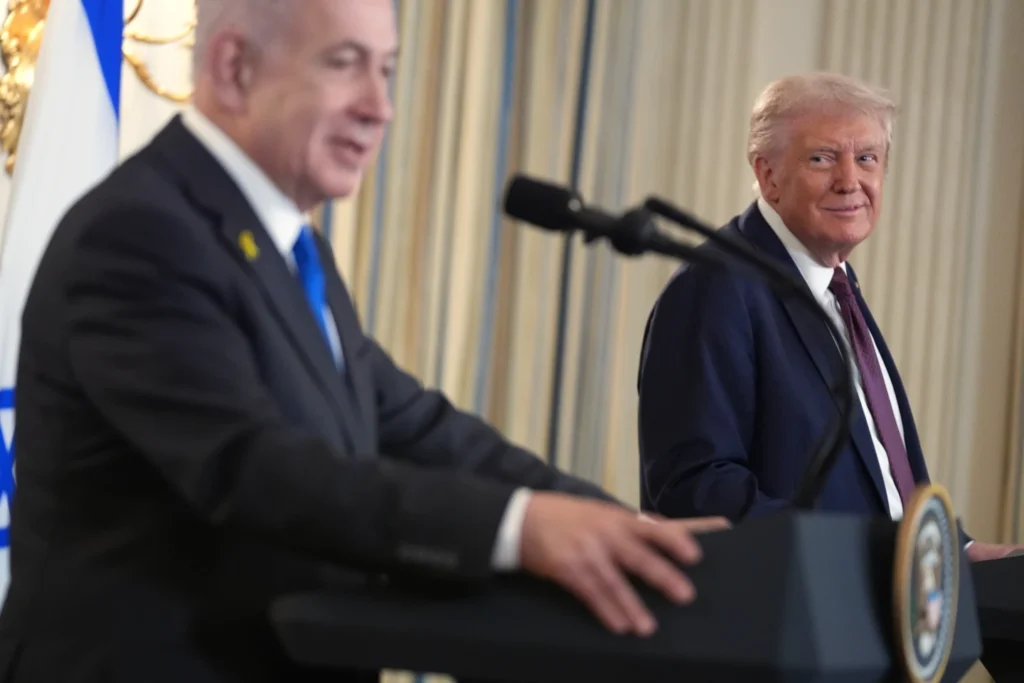
Challenges Facing the Peace Plan
While the Trump Netanyahu Gaza peace plan marks a turning point, several obstacles loom:
- Hamas’ Disarmament: The plan’s requirement that Hamas surrender weapons remains the biggest sticking point. The militant group has consistently refused, tying its arms to the struggle for Palestinian statehood.
- Fragile Israeli Coalition: Netanyahu faces resistance from far-right allies who insist on continuing the war until Hamas is eliminated. Accepting Trump’s plan could fracture his governing coalition.
- Global Pressure: Israel has lost significant international support. Several Western nations have recognized Palestinian statehood in recent months, while Arab states and human rights groups accuse Israel of committing atrocities in Gaza.
- Humanitarian Crisis: More than 66,000 Palestinians have been killed since the war began, according to Gaza health authorities, with famine spreading due to restrictions on aid. Any peace plan will need to address urgent humanitarian needs to gain legitimacy.
Trump’s Role and Political Stakes
Trump has positioned himself as the key broker in ending the war, emphasizing his close partnership with Netanyahu. He also tied the peace push to his broader vision for reshaping the Middle East.
Yet, tensions between the two leaders have grown. Trump was angered by Israel’s failed strike on Hamas officials in Qatar earlier this month, and he recently vowed to block any Israeli annexation of the West Bank — a goal of Netanyahu’s right-wing allies.
Despite these strains, Trump has stood by Netanyahu throughout the conflict, even ordering U.S. bombers to strike Iranian nuclear sites during Israel’s brief war with Iran in June. He described Netanyahu as a leader who “understands better than any other” the shared threats facing Israel and America.
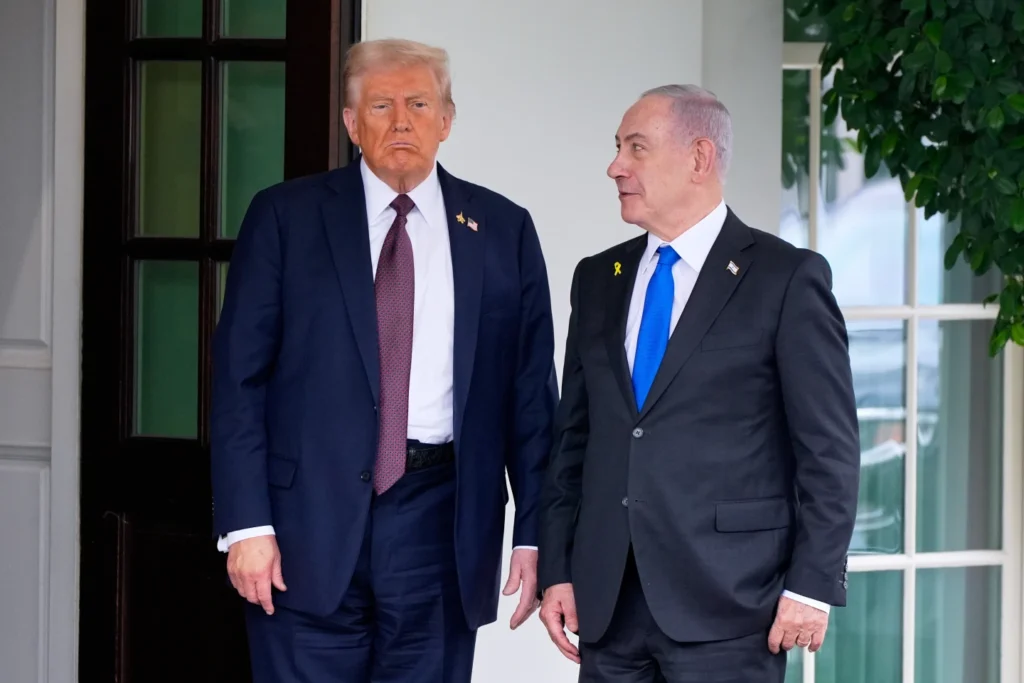
What Comes Next?
For now, all eyes are on Hamas’ decision. If the group accepts the plan, implementation could begin within days, starting with the release of hostages. If Hamas rejects it, Netanyahu has vowed to intensify Israel’s military campaign with U.S. backing.
The stakes are high: Trump has cast the proposal as a defining moment for his presidency and a chance to usher in “lasting peace and prosperity” in the Middle East. But analysts caution that without addressing the issue of Palestinian statehood, the plan may only offer a temporary pause rather than a durable solution.
Conclusion
The Trump Netanyahu Gaza peace plan represents the boldest attempt yet to end a war that has devastated Gaza and shaken global politics. While it has drawn praise from Arab states and cautious support from the Palestinian Authority, the outcome hinges on Hamas’ response and Netanyahu’s ability to navigate domestic political opposition.
Whether this initiative marks the beginning of peace or another false dawn will be determined in the coming weeks.



Leave a Reply