


Introduction
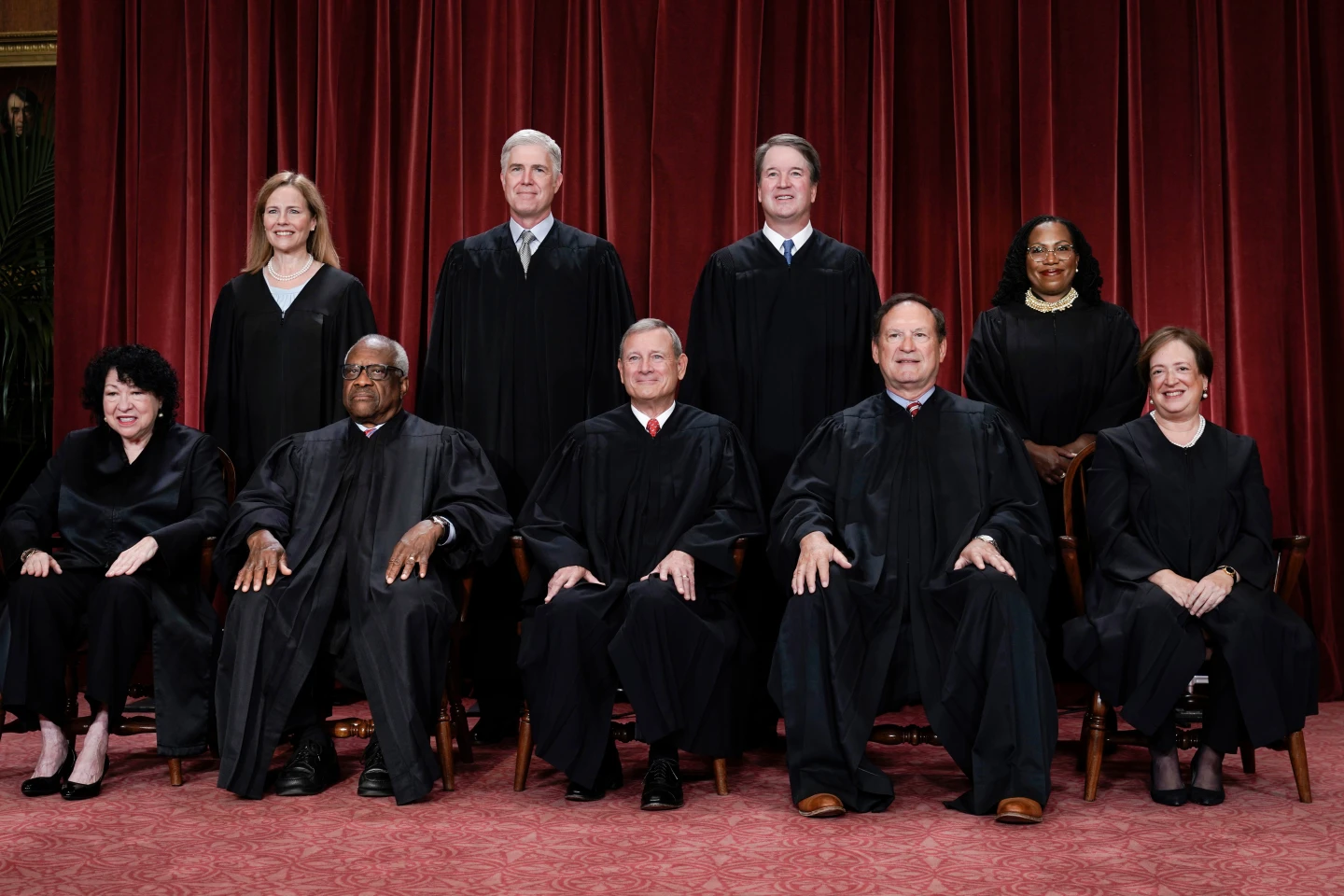
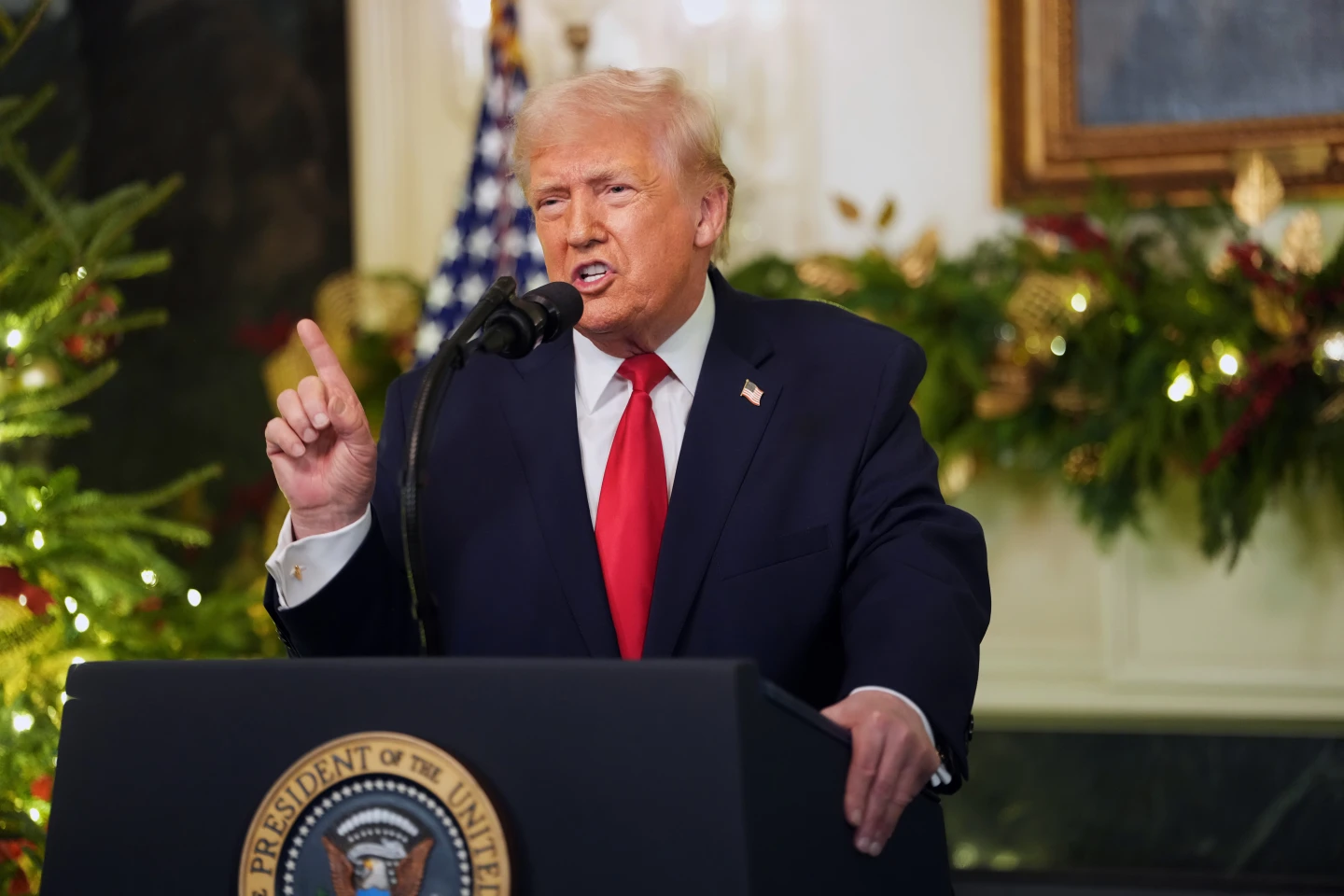
Trump presidential power is at the center of one of the most pivotal Supreme Court terms in modern U.S. history. As the justices return to the bench, they face cases that could redefine how much authority a president holds over trade, citizenship, and independent agencies.
This new term will also revisit voting rights, campaign finance, and transgender participation in sports — but the biggest spotlight remains on how far this presidential power can go without crossing constitutional lines.
Supreme Court Faces Trump’s Expanding Use of Power
The conservative-leaning court has often sided with Trump’s administration in past rulings. However, the justices will now confront full arguments over several of his most controversial exercises of authority.
Justice Ketanji Brown Jackson, a liberal voice on the bench, warned that the court risks inconsistency by bending rules to favor executive dominance. Her warning reflects a growing concern that unchecked presidential power could weaken traditional checks and balances.
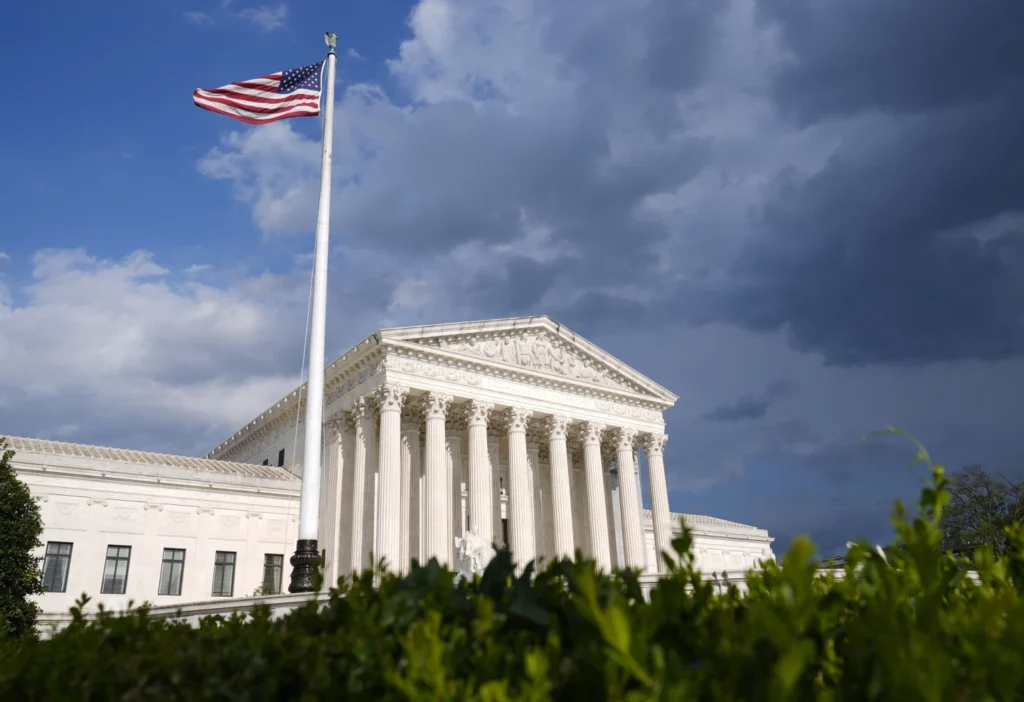
Key Cases Defining Trump Presidential Power
1. Trump’s Tariff Authority Under Review
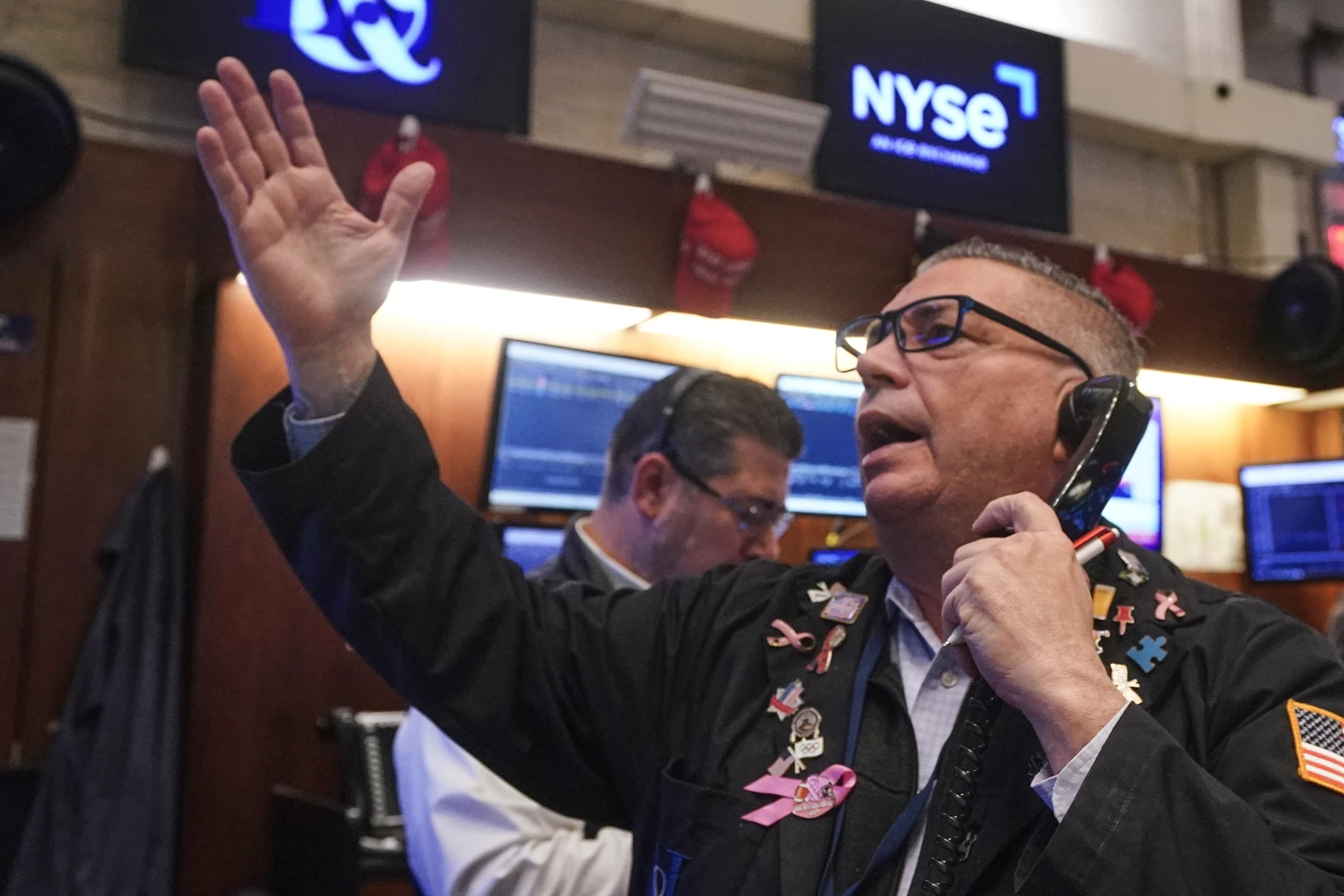
A major test of Trump presidential power begins in November when the Supreme Court hears arguments over the legality of his sweeping tariffs. Two lower courts ruled that Trump exceeded his emergency powers by using them to impose import taxes without Congress’s approval.
The administration defends its decision, saying the law allows broad presidential discretion during national emergencies. Legal analysts believe this ruling could set a powerful precedent, either strengthening or sharply limiting presidential power over trade.
2. Trump’s Power to Fire Agency Officials
In December, the court revisits whether the president can remove independent agency officials without cause. Trump fired several Senate-confirmed officers, claiming he needed flexibility to implement his agenda.
If the justices rule in his favor, it would further expand Trump presidential power, giving the White House greater control over regulatory bodies. Such a move could reshape how future administrations manage independent institutions.
3. Birthright Citizenship and Executive Limits
Another case expected later this term challenges Trump’s executive order denying birthright citizenship to children born in the U.S. to undocumented or temporary immigrant parents.
Lower courts blocked the order as unconstitutional, citing the 14th Amendment. But if the Supreme Court agrees to review it, the outcome could redefine immigration law — and reveal just how far Trump presidential power can reach in altering long-standing constitutional principles.
Broader Political Impacts Beyond Trump Presidential Power
Voting Rights at Risk in Louisiana
In mid-October, the justices will hear a Louisiana redistricting case that could weaken the Voting Rights Act. The state wants to remove race-based considerations in drawing congressional maps, potentially erasing majority-Black districts.
Critics warn this would harm representation for minority voters. The case does not directly involve Trump presidential power, but the conservative justices’ decisions could signal how they interpret federal authority in politically charged cases.
Campaign Finance Limits Under Challenge
Another high-stakes case will determine whether Congress can restrict coordinated spending between political parties and candidates. Republicans and Trump’s team argue that the law limits free speech.
If overturned, it would open the door for unlimited coordinated spending — a victory aligned with Trump’s push to loosen campaign finance rules. That, too, reflects an indirect expansion of Trump presidential power through financial influence and party control.
Transgender Rights and Equal Treatment
Two cases from Idaho and West Virginia focus on whether transgender women and girls can participate in school sports. While unrelated to Trump presidential power, these cases test how the Supreme Court balances state laws and federal equality protections under Title IX.
Legal experts say the outcomes could shape future debates over civil rights and the limits of government authority in defining gender.
Possible Justice Alito Retirement Could Shape Future of Trump Presidential Power
Justice Samuel Alito, 76, could retire as early as 2026. If he steps down while Republicans hold the Senate, Trump could nominate a younger conservative justice. That move would secure a strong ideological advantage and help preserve Trump presidential power-friendly rulings for decades.
Observers note that Alito’s retirement would likely spark one of the most politically charged confirmation battles in years.
The Supreme Court’s Defining Term
This term may ultimately decide the scope of Trump presidential power in the U.S. government. From tariffs to citizenship, every major case questions how much freedom a president should have to act without congressional approval.
Legal scholars warn that decisions favoring broad executive power could tilt the American system toward a more centralized presidency.
As Georgetown Law’s Irv Gornstein said, “If the same conservative-liberal divide holds, we’re in for one of the most polarizing terms yet.”
By next summer, the court’s rulings will clarify whether Trump presidential power will expand further or face new constitutional limits.


Leave a Reply