


Introduction
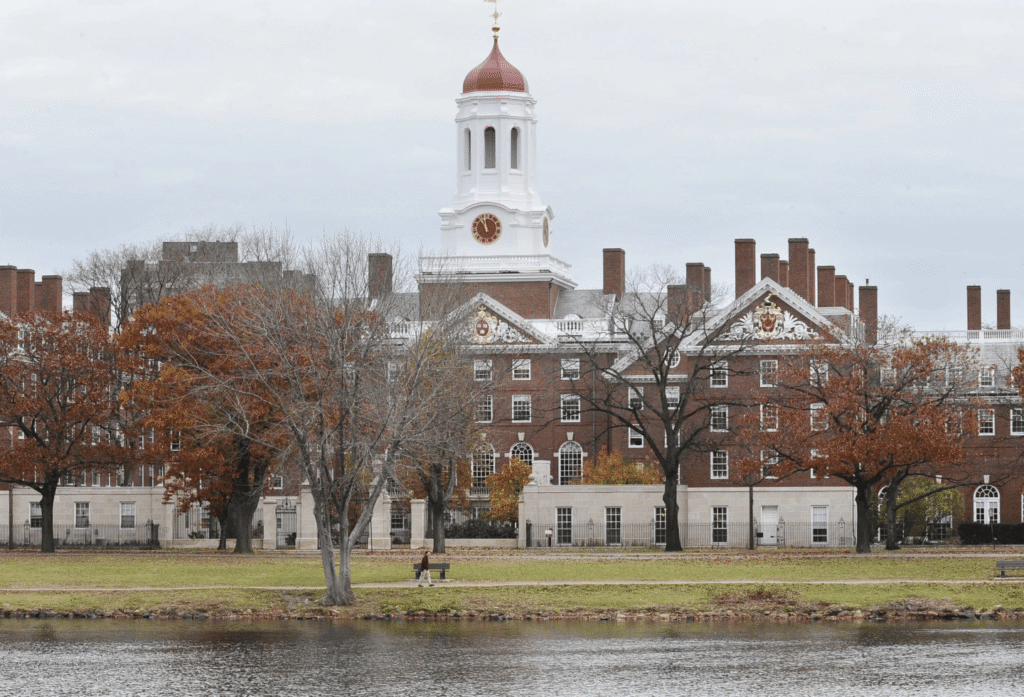
A federal judge in Boston handed Harvard University a major win by overturning the Trump administration’s $2.6 billion funding cuts. The Harvard funding ruling not only restores billions in research support but also reaffirms limits on presidential retaliation against universities. Moreover, it sets a new precedent in the ongoing clash between politics and higher education.
Why the Harvard Funding Ruling Matters
The ruling is significant for several reasons. First, it confirms that federal funding decisions must follow the law and cannot be used as political weapons. Second, it safeguards academic freedom by preventing the government from tying grants to ideological demands. Finally, it reminds universities that courts will defend constitutional rights even in heated political battles.
The Judge’s Decision on the Harvard Funding Ruling
Retaliation and Free Speech
Judge Allison Burroughs ruled that the Trump administration’s cuts amounted to illegal retaliation. She argued that antisemitism concerns acted as a smokescreen for punishing Harvard after it rejected federal demands. As a result, the cuts violated the university’s First Amendment rights.
Illegal Funding Procedures
In addition, the court said the government failed to follow the steps required by Congress under Title VI of the Higher Education Act. Consequently, the funding freezes and contract terminations were unlawful.
Key Facts from the Harvard Funding Ruling
- Harvard lost more than $2.6 billion in research grants since April.
- The judge ordered all freezes and cuts reversed.
- The government plans an immediate appeal, calling Burroughs an “activist” judge.
- The ruling bars future cuts that violate Harvard’s constitutional rights.
Political and Academic Reactions to the Harvard Funding Ruling
Harvard’s President Alan Garber called the decision a validation of the school’s fight for academic freedom. However, he cautioned that legal battles will likely continue. Meanwhile, the Trump administration dismissed the ruling as judicial activism, promising an appeal.
Faculty and researchers welcomed the decision, yet many worried funding might still be delayed. Moreover, faculty groups urged Harvard not to compromise with the administration in back-room deals.
Broader Implications of the Harvard Funding Ruling
The Harvard funding ruling extends beyond one university. It could shape how future administrations attempt to use financial leverage against colleges. In addition, it sends a signal to other schools facing political scrutiny: academic institutions retain legal protections, even when unpopular with the government.
What Comes Next?
The government intends to appeal, and the case could reach the Supreme Court. If higher courts uphold Burroughs’ ruling, it will strengthen protections for universities nationwide. On the other hand, if the decision is overturned, presidents could gain new power to pressure institutions by linking federal money to policy disputes. Therefore, the next stages of this case will be closely watched by both academics and policymakers.
Conclusion
The Harvard funding ruling reversed billions in research cuts and struck a blow against political retaliation in higher education. Consequently, it represents a turning point in the struggle between universities and the federal government. In addition, it underscores the enduring role of courts in defending free speech and academic independence.



Leave a Reply