


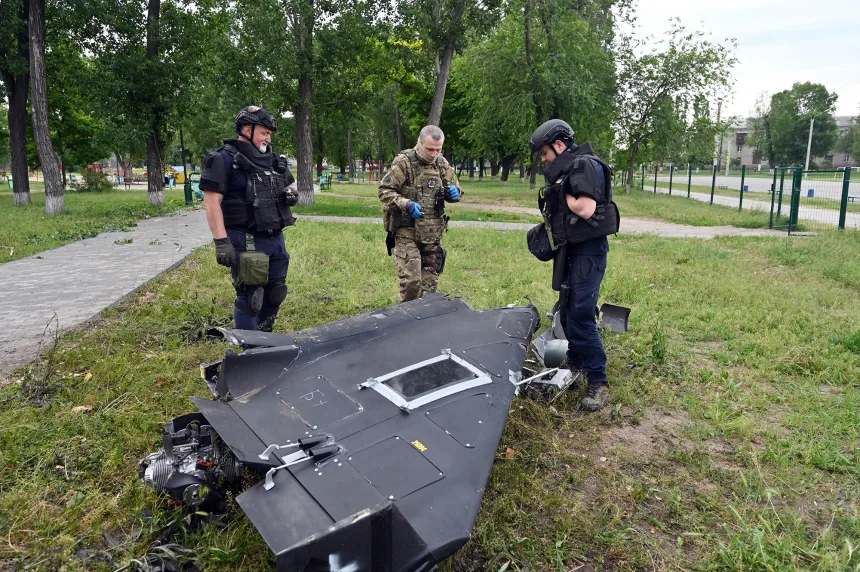
The evolution of Russian drone warfare has dramatically reshaped the battlefield in Ukraine, placing relentless pressure on Ukrainian defenses. What was once an advantage for Ukraine has rapidly turned into a vulnerability, as Russia adopts advanced technologies, expands drone production, and deploys specialized units like Rubicon. These innovations have not only shifted strategic control but also transformed how modern wars are fought, emphasizing the importance of unmanned aerial systems, artificial intelligence, and frequency-based combat.
The Rise of Rubicon: Russia’s Drone Innovation Engine
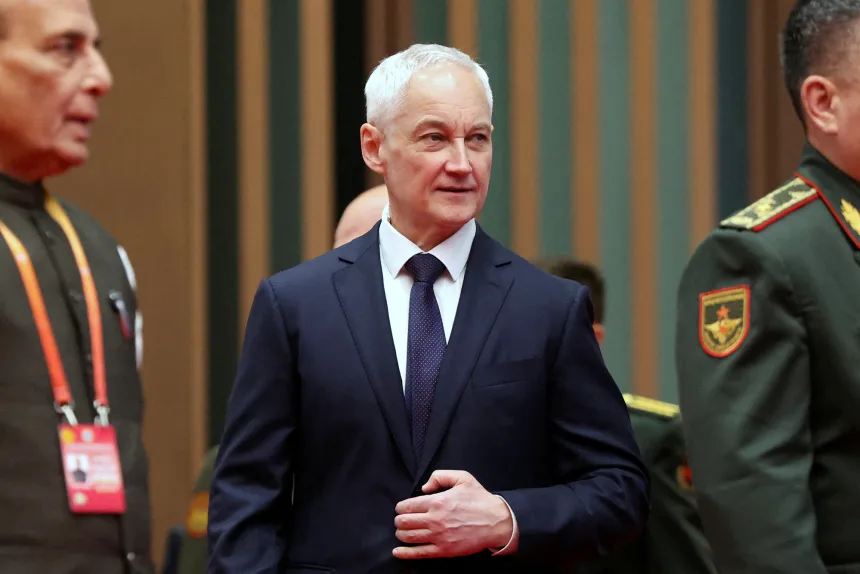
At the heart of Russian drone warfare is a top-secret unit named Rubicon, officially known as the Rubicon Center for Advanced Unmanned Technologies. Based in Moscow, this unit has rapidly grown under Russian Defense Minister Andrei Belousov since mid-2024. Unlike traditional Russian military structures, Rubicon embraces agility, rapid innovation, and battlefield adaptability.
Rubicon designs, tests, and deploys advanced drones, including fiber-optic drones that provide secure, jam-resistant real-time video feeds. These drones have transformed how Russia tracks Ukrainian logistics, disrupts supply lines, and hunts drone operators. The fiber-optic design prevents electronic jamming, allowing uninterrupted surveillance and strike capabilities.
Rubicon also trains other Russian drone units, making its influence far-reaching. According to defense experts, its operators and engineers have reshaped aircraft deployment, command strategies, and how Russian troops control territory.
From Laboratory to Battlefield
The success of Russian drone warfare became clear when Ukrainian forces briefly controlled part of the Kursk region. Shortly after Rubicon’s deployment in the area, Ukrainian supply routes were heavily disrupted by drones, forcing them to retreat. Commanders later admitted they had underestimated the impact of Russia’s enhanced drone units.
Rubicon drones have targeted Ukrainian drone launch sites, vehicles, antennas, and even underground command posts. Ukrainian battalion leaders confirmed that troops lost most mobility within days due to drone strikes.
Military analyst Mick Ryan described the battlefield as a “saturated drone operating environment,” where movement within 15 kilometers of the front line has become nearly impossible. Soldiers are forced to march long distances, and vehicles are frequently destroyed before reaching combat positions.
Drone Dominance: Changing Combat Rules
The advancement of Russian drone warfare has not only introduced new drone platforms but also redefined battle tactics. Ukrainian intelligence confirmed that Rubicon units now target Ukrainian drone operators—an innovative approach that cripples command and surveillance capabilities.
One significant breakthrough has been the development of naval drones. Rubicon claimed successful strikes on Ukrainian vessels in the Black Sea and Danube estuaries. This expansion into naval drone warfare highlights a major shift in Russia’s military strategy, blending land, air, and sea drone capabilities.
Additionally, Rubicon has implemented radar networks and captured Ukrainian drones to reverse-engineer their technology. Russian forces now understand Ukrainian communication systems, making interception more accurate and countermeasures more effective.

Ukrainian Response: Countering Russian Drone Warfare
Despite being pressured by Russian drone warfare, Ukrainian forces have adapted. They deploy anti-drone nets, electronic warfare systems, and have developed their own advanced UAVs like the FP-2, capable of striking Russian command centers from more than 20 kilometers away.
Ukrainian units also hunt Rubicon bases using drones, targeting antennas, communications hubs, and training centers. Their intelligence teams intercept radio communications to identify Rubicon movements and disrupt its operations.
Still, Ukrainian drone operators admit Russia currently has an advantage in drone numbers, reconnaissance reach, and fiber-optic technology.

Constant Innovation: How War Shapes Armies
The fierce competition in Russian drone warfare has led to continuous technological advancements. Russia now embraces private drone manufacturing startups like Oko Design Bureau, a major shift from its historically centralized defense system.
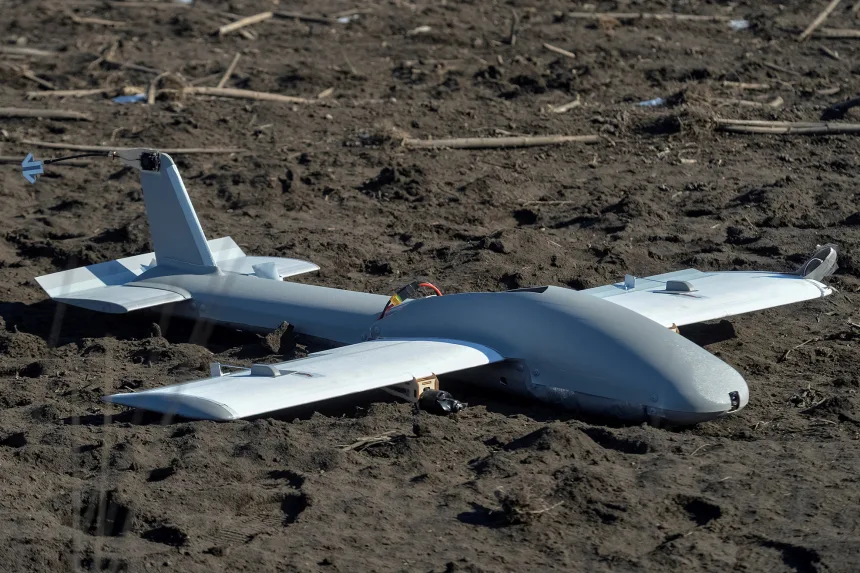
One standout drone is the Molniya, a plywood-based UAV capable of carrying two FPV munitions and striking targets 30 kilometers behind enemy lines. Once Ukrainians captured a Molniya, they replicated and enhanced it—demonstrating how innovation rapidly cycles between armies.
Electronic warfare has also become critical. Both armies now constantly shift frequencies, reprogram communication systems, and create anti-spoofing measures to maintain drone control. Each side adapts weekly, making drone strategy vital for survival.
AI and the Future of Drone Warfare
Experts warn that Russian drone warfare will soon evolve further, leveraging AI, autonomous swarms, and advanced microdrones. Analysts predict future drones will mimic wildlife, evade radar detection, and overwhelm defenses through coordinated swarms.
Military thinkers emphasize that warfare is no longer just physical—it is digital, autonomous, and remote-controlled. Drone pilots now shape battlefield outcomes, replacing traditional tank and infantry strategies in many zones.
As Dara Massicot puts it, “Experts are fond of saying that armies shape war. But war shapes armies, as well.” This statement perfectly captures how drone warfare has transformed military structure, command planning, and even recruitment.
Final Thoughts
The rise of Russian drone warfare through Rubicon has created a powerful strategic shift, challenging Ukrainian defenses and redefining military innovation. With Russia’s growing drone capabilities and Ukraine’s adaptive countermeasures, this war demonstrates how technology now dominates modern conflict.
As the battlefield evolves, drones, AI, and electronic warfare will determine success more than traditional weapons. In this new era of combat, detection and destruction form a relentless cycle—one that shows no signs of slowing down.






Leave a Reply