


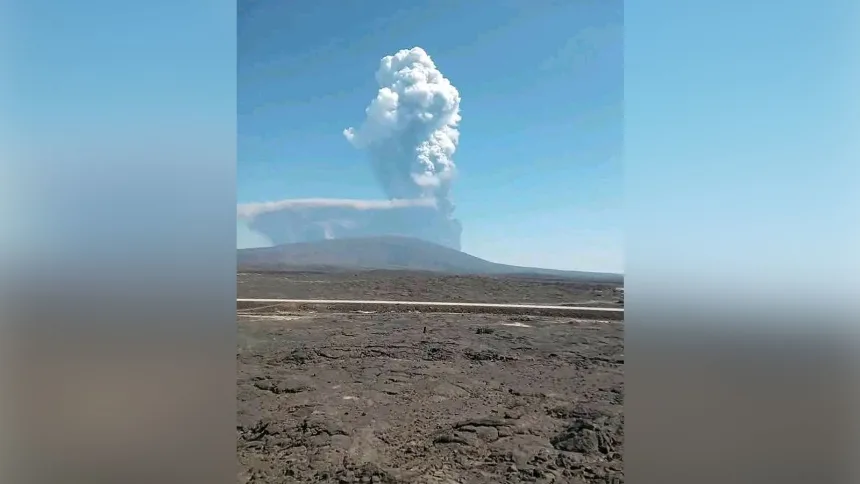
The Hayli Gubbi eruption in Ethiopia has shocked scientists and locals alike. After lying dormant for nearly 10,000 years, the volcano suddenly roared to life, releasing massive plumes of ash and smoke into the sky. The ash clouds from the Hayli Gubbi eruption spread rapidly, affecting countries thousands of miles away and disrupting global air travel.
A Rare Geological Event
Located in Ethiopia’s Afar region, the Hayli Gubbi volcano is part of the Erta Ale Range. It lies at the meeting point of two tectonic plates, making it an active geological zone. The volcano rises about 500 meters and has been silent for millennia. However, the recent eruption marked a surprising and powerful return.
Impact on Local Communities
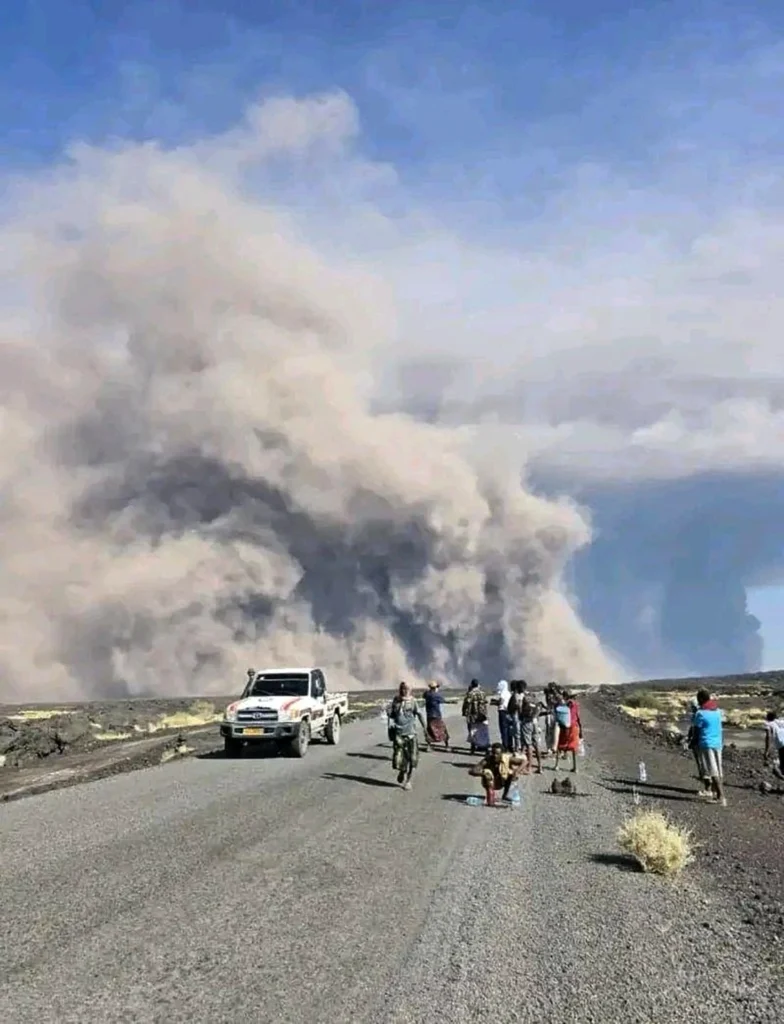
During the Hayli Gubbi eruption, neighboring villages were covered in thick layers of ash. Farmers struggled as the volcanic dust smothered grazing lands, posing a threat to livestock and crops. Local residents described the sound of the eruption as a sudden and terrifying blast. One resident said it felt like a bomb had exploded. While no casualties were reported, daily life changed drastically due to ash and dust.
Ash Clouds Spread Across Continents
The power of the Hayli Gubbi eruption was visible from space. NASA satellite images showed massive ash clouds rising high into the atmosphere and drifting over the Red Sea. The plumes traveled across Yemen, Oman, and even reached Pakistan and India. This widespread movement of ash highlighted the scale of the eruption.
Pakistan’s Meteorological Department issued warnings after the ash entered its airspace. In India, several Air India flights were canceled. The airline announced precautionary inspections for aircraft that may have been exposed to volcanic ash. Although Delhi already faced severe air pollution, the ash from the Hayli Gubbi eruption remained at high altitudes and was not expected to worsen local air quality.
Effects on Air Travel
Volcanic ash can cause serious damage to airplane engines. During the Hayli Gubbi eruption, authorities responded quickly to avoid risk. India’s Meteorological Department confirmed that the ash was moving rapidly eastwards. This information helped airlines adjust routes and plan safety measures.
Geological Significance
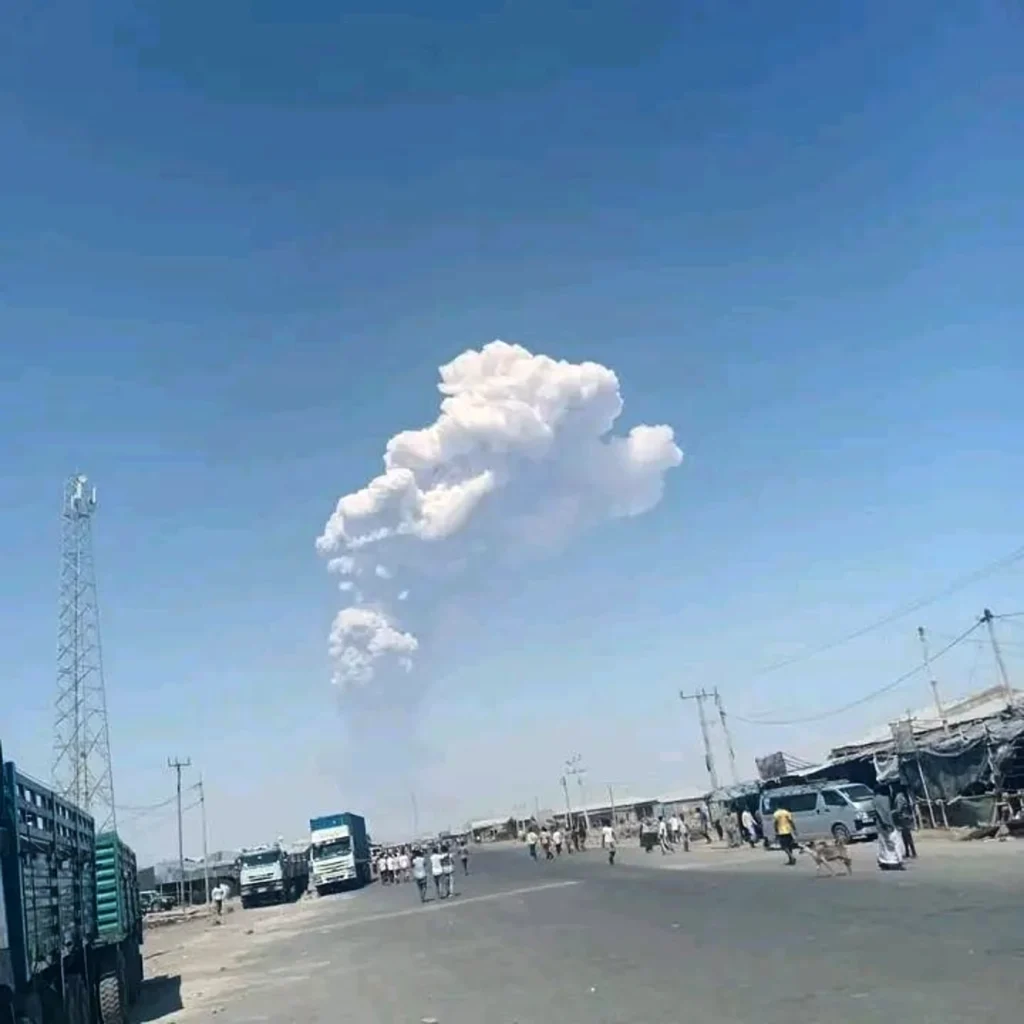
The Hayli Gubbi eruption has drawn attention from geologists worldwide. It occurred in one of the most active tectonic regions on Earth. The Afar region is known for its rift valleys and frequent seismic activities. Scientists believe eruptions like this can help us understand how Earth’s crust evolves over time.
Global Awareness and Scientific Interest
The Hayli Gubbi eruption reminded the world of the power of nature. It also highlighted how natural events in one region can affect distant countries. From flight disruptions to agricultural challenges, the eruption had both local and global consequences. Researchers are now closely monitoring the volcano for future activity.
Moving Forward
Communities near the Hayli Gubbi volcano are working to recover from the ash damage. Authorities are offering support to herders and farmers facing losses. Meanwhile, scientists continue to study the eruption to improve early warning systems. The Hayli Gubbi eruption proved that even long-dormant volcanoes can come back to life with little warning.






Leave a Reply