


National Guard Shooting shocked the nation as leaders, citizens, and military families questioned security, policy, and immigration issues. The event triggered emotional conversations about safety, responsibility, and the impact of the Afghanistan War on U.S. soil. The story unfolded with grief, urgency, and rising tension across the country.
The Shocking Announcement
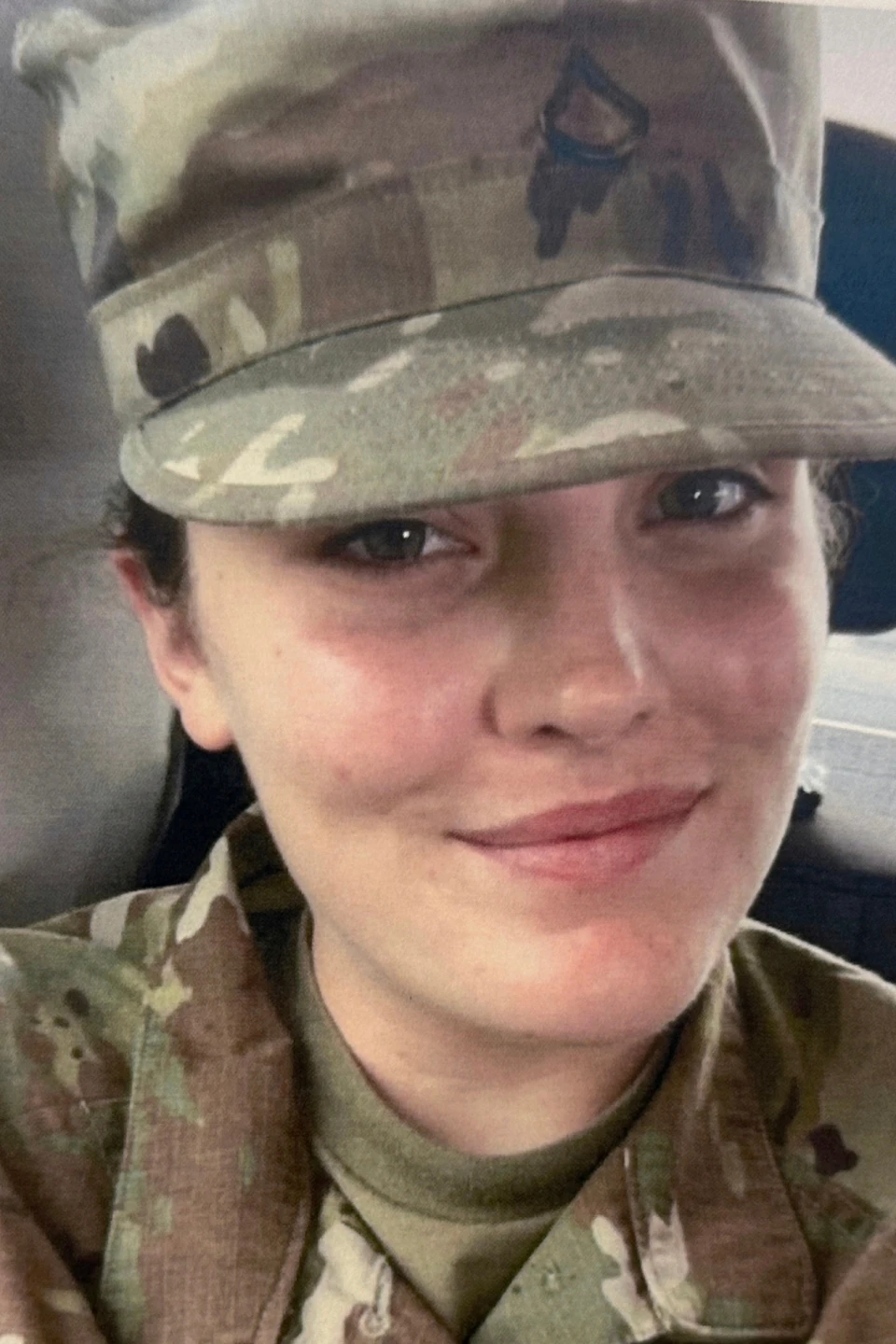
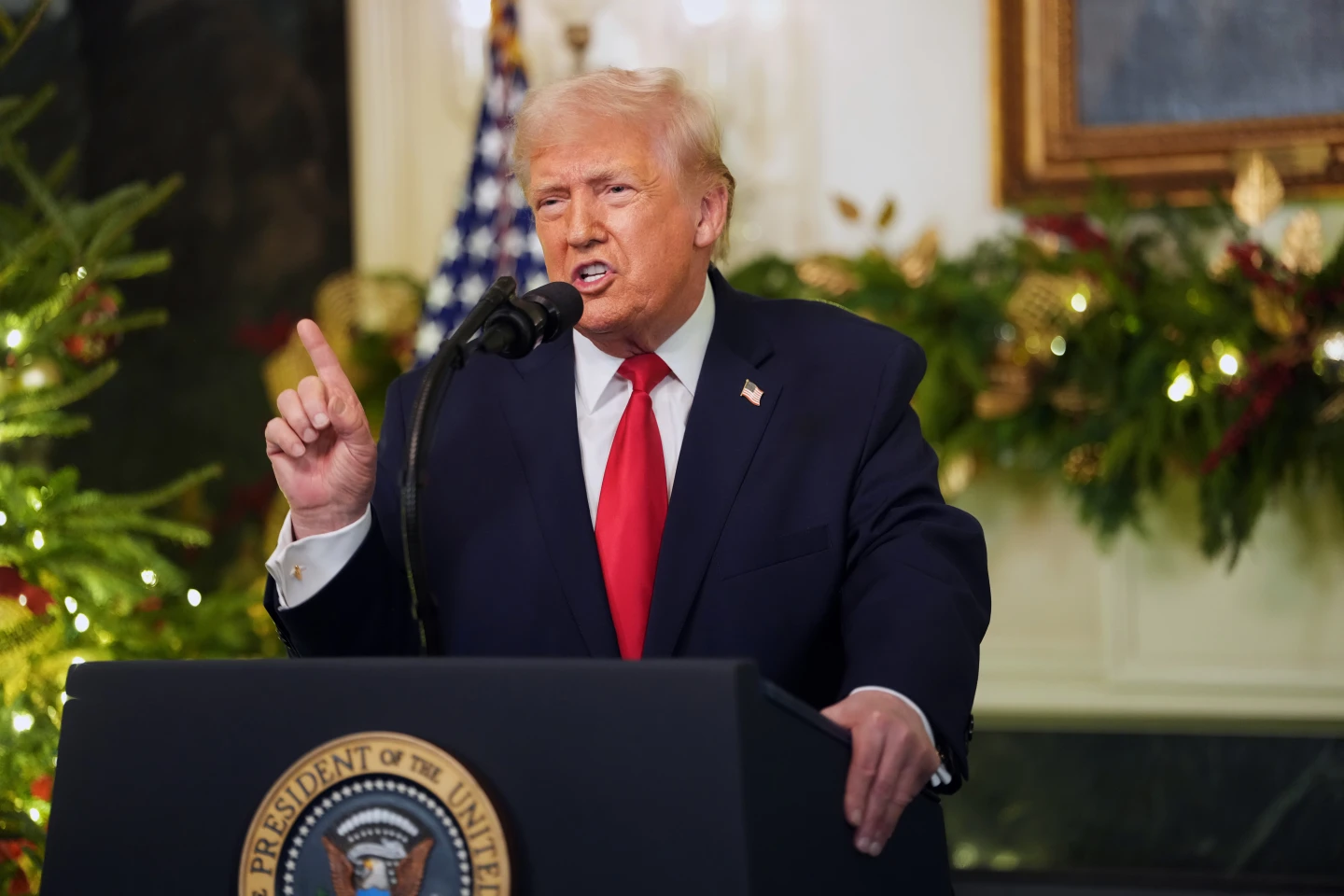
During a Thanksgiving call, President Donald Trump announced that Specialist Sarah Beckstrom, 20, had died following the National Guard Shooting near the White House. Meanwhile, Staff Sgt. Andrew Wolfe, 24, continued to fight for his life. Trump called Beckstrom an “incredible person,” honoring her dedication and service. He also spoke with her parents, offering condolences during a heartbreaking moment.
Moreover, Trump labeled the attack a terrorist act and strongly criticized the immigration policies that allowed Afghan evacuees into the country. He claimed that the screening process failed, leading to potential national security risks. These comments sparked a larger debate about the Afghan resettlement program.
The Suspect and His Background
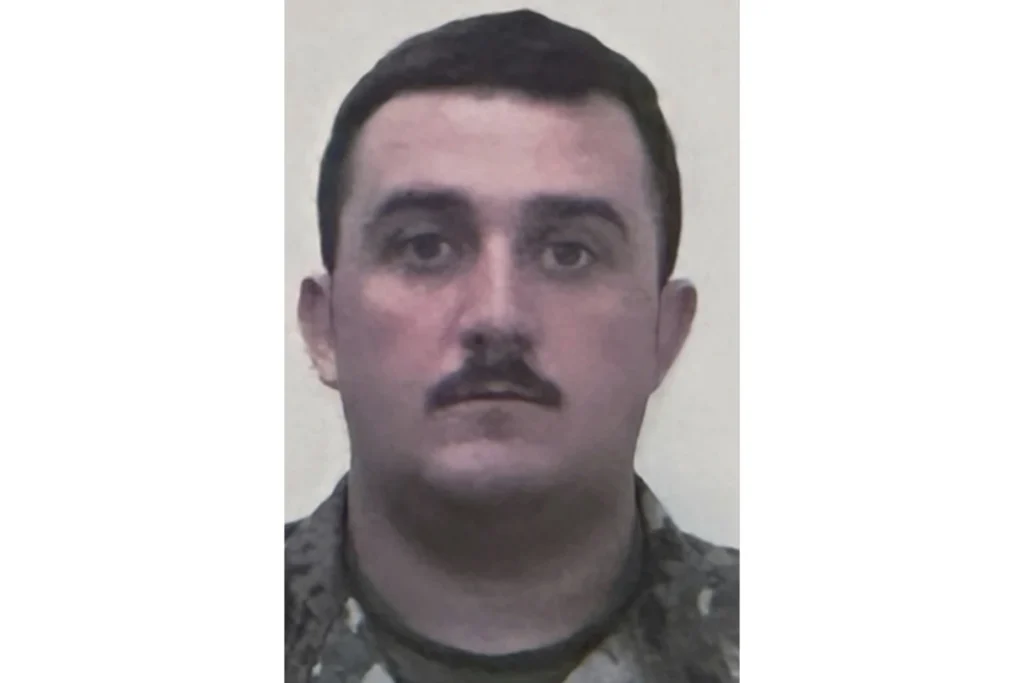
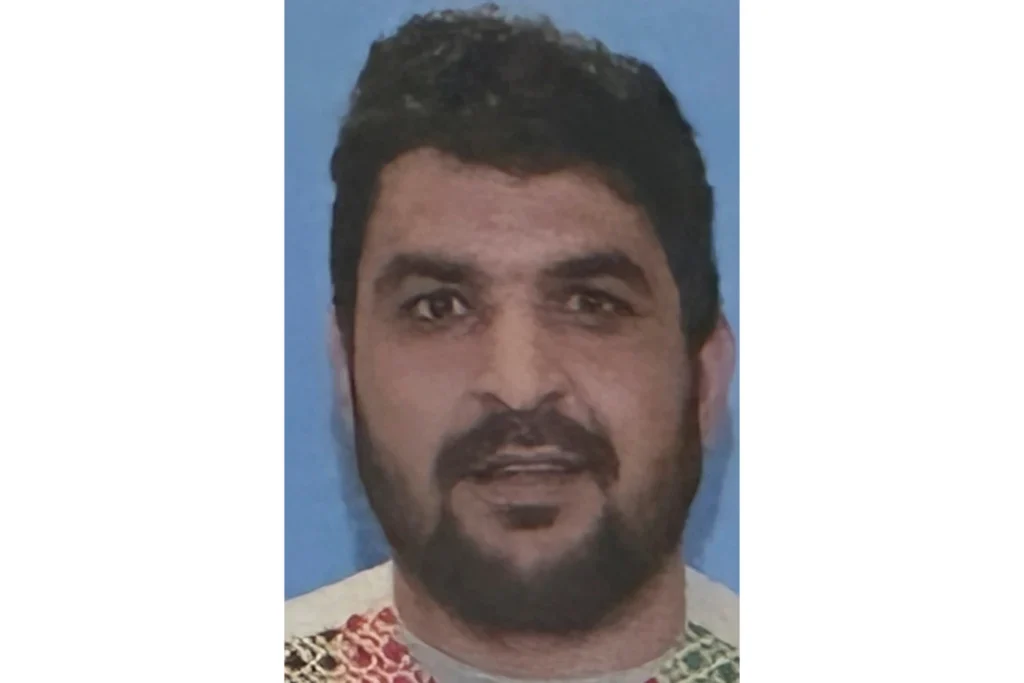
Authorities identified the suspect as Rahmanullah Lakanwal, 29, an Afghan national who had previously worked with U.S. forces. He served in a CIA-backed Afghan Army unit known as the Zero Units. His expertise included security and GPS specialization. He later entered the United States in 2021 through Operation Allies Welcome, a program created to protect Afghans facing Taliban reprisals.
However, his background raised sensitive questions. Although he assisted U.S. forces, officials revealed concerns about mental health and emotional trauma after the Afghanistan War. Some sources suggested he may have struggled to adjust to life in America. Consequently, investigators focused on both motive and mental state.
Details of the National Guard Shooting
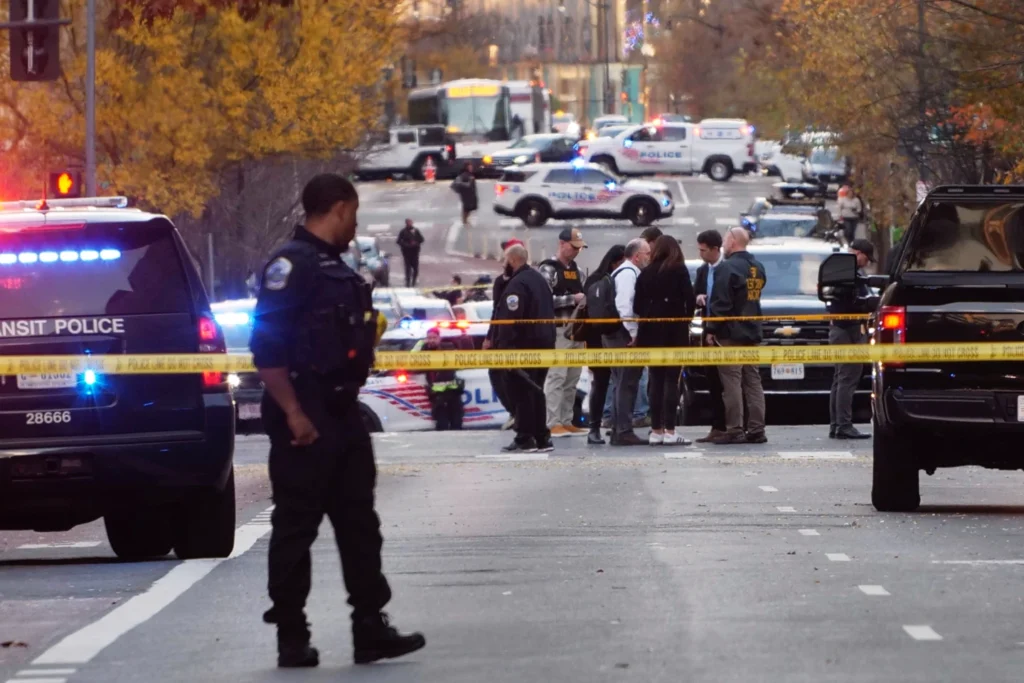
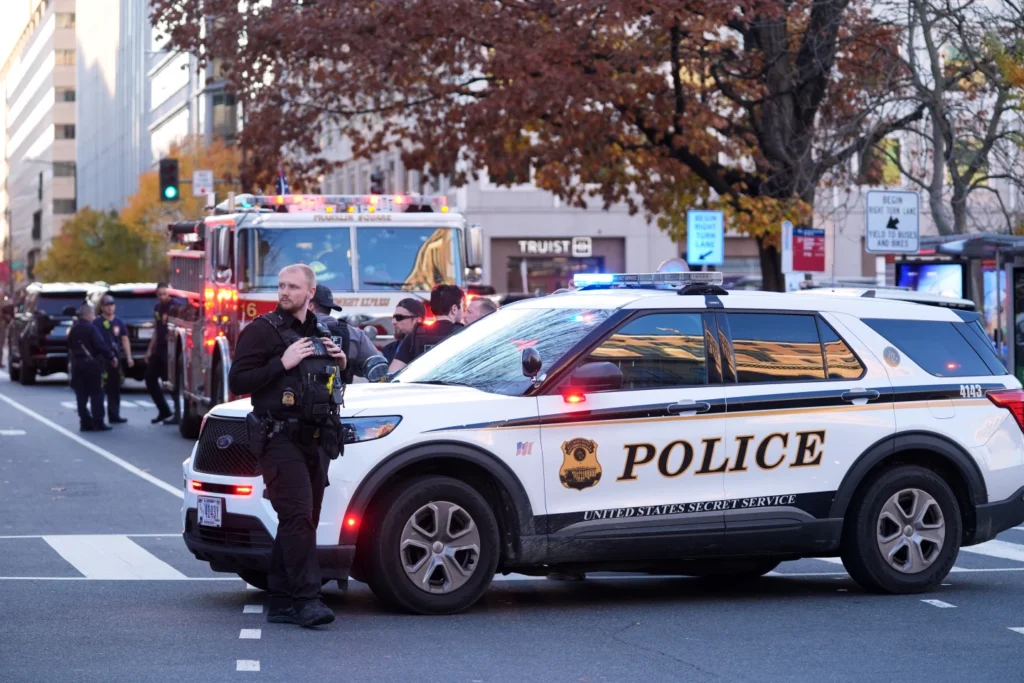
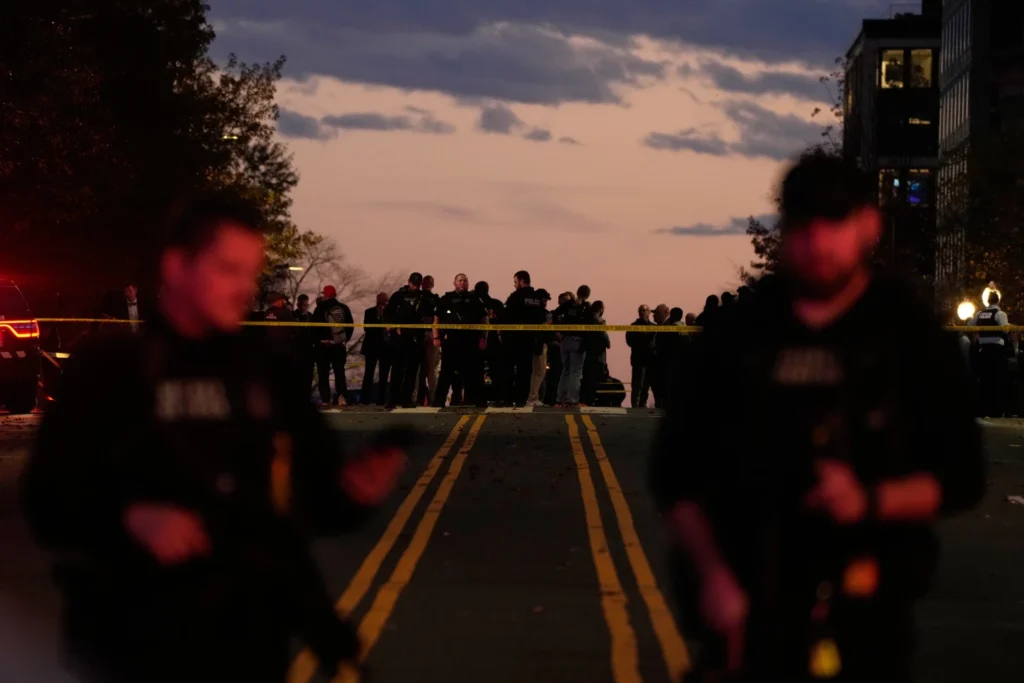
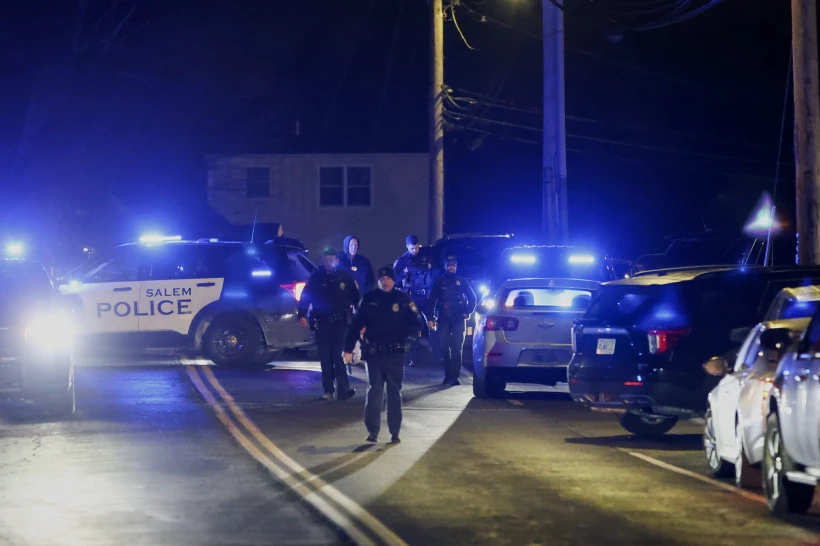
U.S. Attorney Jeanine Pirro stated that the suspect carried out an “ambush-style” attack with a .357 Smith & Wesson revolver. The attack took place just blocks from the White House, causing nationwide alarm. Emergency responders rushed to the scene, while National Guard forces secured nearby government buildings.
Furthermore, Pirro explained that initial charges included assault with intent to kill and possession of a firearm during a violent crime. After the death of Beckstrom, officials expected upgraded charges, potentially including murder and terrorism-related offenses.
Growing Concerns About Security
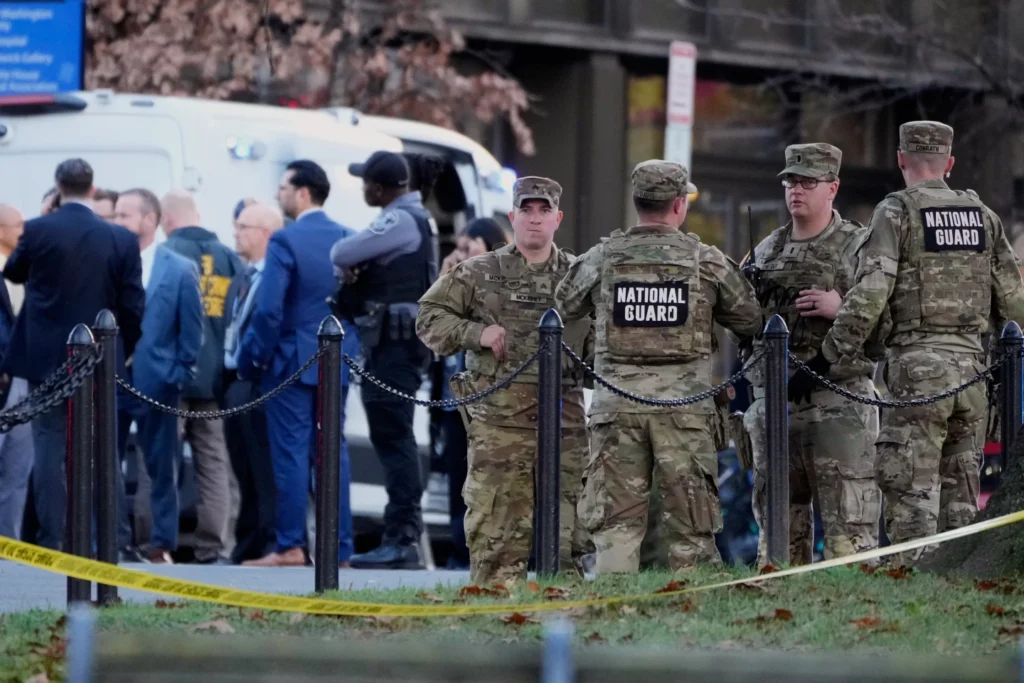
The National Guard Shooting reignited concerns about public safety. It also raised questions about the deployment of National Guard members in urban areas. More than 2,200 Guard troops had been stationed in Washington, patrolling transportation hubs, sporting events, and busy streets. Their presence aimed to reduce crime and assist local law enforcement.
However, with the attack targeting military personnel near top government buildings, many began to question the effectiveness of current security protocols. As a result, officials deployed an additional 500 troops to Washington for increased protection.
Immigration, Screening, and Policy Debate
The National Guard Shooting quickly became a political flashpoint. Trump argued that the Afghan asylum process lacked proper security screening. He demanded reinvestigations of refugees from high-risk countries. Meanwhile, U.S. Citizenship and Immigration Services pledged to intensify vetting efforts.
On the other hand, advocacy groups defended the program, stating that Afghan allies risked their lives to help U.S. forces. They emphasized that most evacuees underwent extensive background checks before relocating. Because of differing views, the nation faced rising tensions over immigration policies and security priorities.
Trauma, War, and Psychological Impact
Another aspect of the National Guard Shooting focused on trauma from war. Many veterans and war partners suffer from emotional scars, stress, and mental health challenges. Advocates said that individuals like Lakanwal may have experienced trauma from the Afghanistan conflict and chaotic evacuation.
Therefore, experts urged the government to improve mental health programs for both American soldiers and foreign allies. They argued that compassion, screening, and support must work together to prevent future tragedies.
Community Responses and Grief
The tragedy deeply affected military families, especially in West Virginia. The community honored Specialist Beckstrom for her service and bravery. Meanwhile, Staff Sgt. Wolfe’s condition remained critical, and people across the country prayed for his recovery.
Military officials praised the dedication of both soldiers. They reminded the nation that National Guard members serve not only overseas but also within local communities, protecting lives and supporting critical missions.
Political and Social Implications
The National Guard Shooting highlighted several key issues—national security, immigration policy, mental health, and military deployment. It also exposed the emotional strain soldiers face while performing their duties on American soil.
Additionally, the incident brought up delicate questions about responsibility. Should former wartime allies face stricter screening? Should troops receive stronger protection while serving domestically? How can the nation balance empathy with safety?
These questions created strong opinions on both sides. Some demanded stricter enforcement and border control. Others called for compassion, mental health support, and respect for those who risked their lives alongside U.S. troops.
Moving Forward with Purpose
In the aftermath of the National Guard Shooting, leaders stressed the importance of unity while addressing national safety. They emphasized honoring the lives of those who serve and protecting both citizens and soldiers.
Moreover, many encouraged responsible discussion, free from judgment or discrimination. They urged the country to focus on solutions, not blame. Balanced screenings, stronger mental health care, and better support for military personnel may prevent such tragedies in the future.
Tragedies like this remind us that military service demands courage, sacrifice, and resilience. Therefore, as the nation grieves, it must also take steps to protect those who protect it.

Leave a Reply