


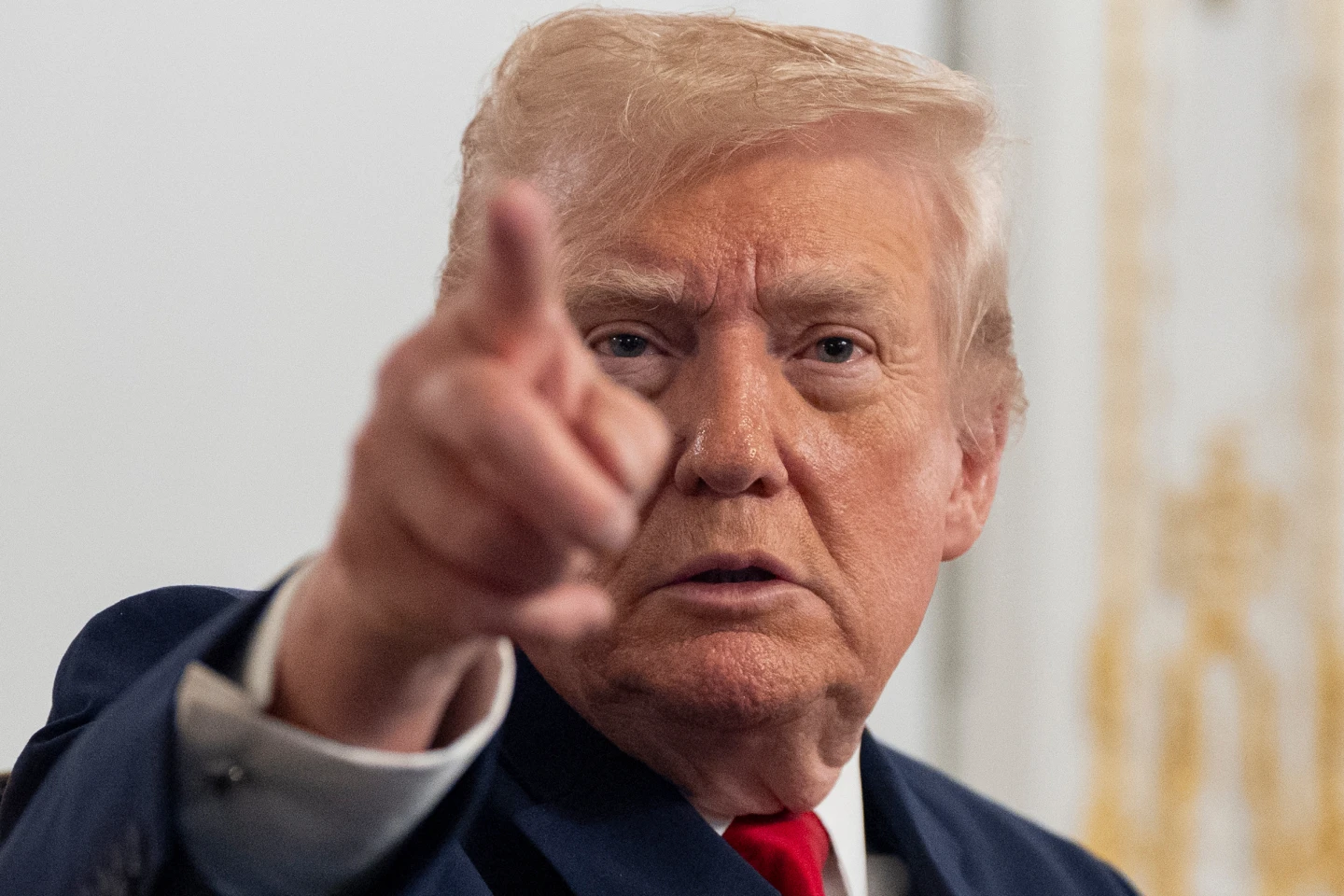
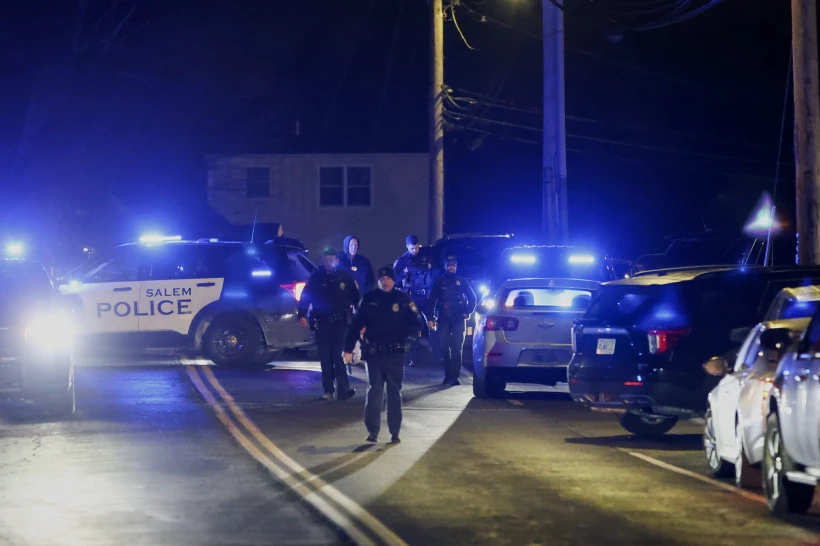
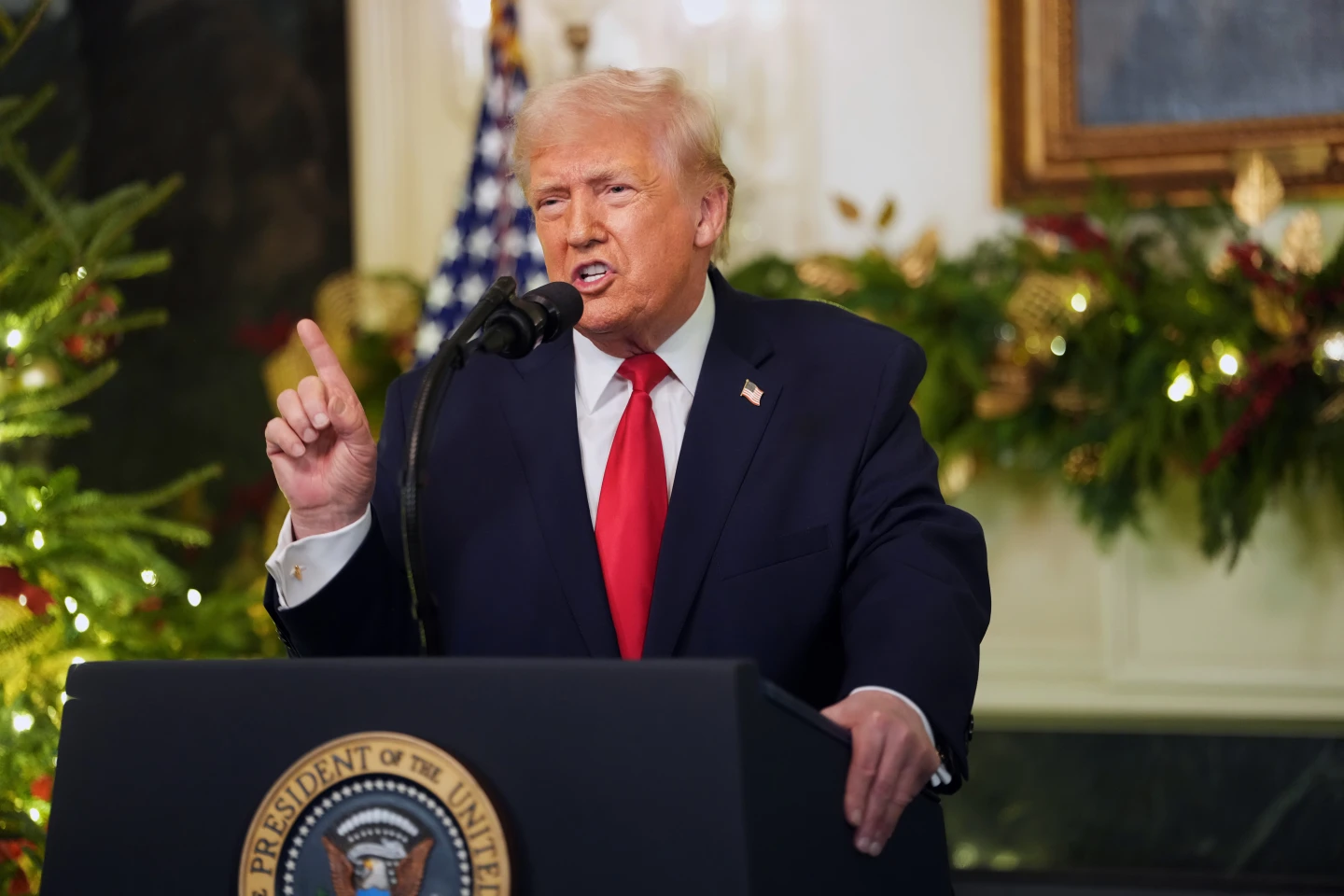
Afghan Refugee Restrictions have become a major political focus after an Afghan national was charged in the shooting of two National Guard members. Former President Donald Trump called for stricter measures targeting Afghan migrants, even though immigration experts say Afghans already face one of the toughest vetting systems in the world. The debate has sparked fear, uncertainty, and growing scrutiny among the nearly 200,000 Afghans living in the United States.
Calls for More Restrictions Gain Momentum
Trump and his allies quickly seized on the incident to argue that current vetting procedures are inadequate. They pledged to pause migration from several countries, terminate existing programs, and deport those not considered assets to the U.S. However, experts emphasized that Afghans are extensively vetted, especially those who arrived through Operation Allies Welcome and Operation Enduring Welcome. These programs brought around 200,000 Afghans to the U.S., many of whom had worked alongside American troops and diplomats.
According to immigration specialists, individuals like the alleged shooter undergo multiple layers of security screening, involving agencies like the CIA, State Department, and Department of Homeland Security. “This is not a failure of screening,” said Haris Tarin, a former U.S. official. Instead, he argued it reflects gaps in integration and mental health support for both veterans and refugees.
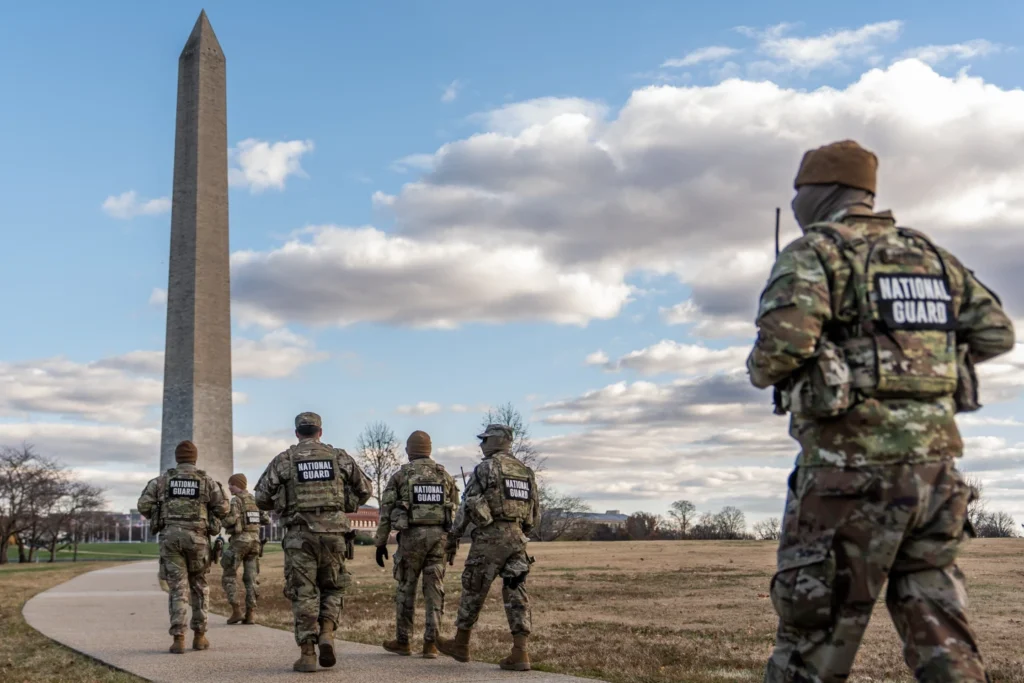
Existing Vetting Systems Already Tough
Experts clarified that Afghan applicants face some of the world’s most rigorous processes when seeking asylum or resettlement. They are vetted across military, intelligence, and immigration databases. Andrew Selee of the Migration Policy Institute said that people who worked with American agencies were often screened repeatedly. Many waited years before being cleared to enter the U.S.
Despite this, Trump called current immigration policies “the single greatest national security threat,” while others insisted that the shooting proves existing systems are flawed. Yet former policy adviser Andrea Flores explained these new policy announcements mostly repeat measures already being implemented through previous executive actions.
Fear Spreads Among Afghan Communities
As political rhetoric intensified, many Afghan refugees felt targeted and ashamed. Nearly 200,000 Afghans in the U.S. now worry that their legal status could be reconsidered. Some fear being associated with the actions of one individual, despite most having risked their lives to support U.S. forces during the war.
Nesar, a 22-year-old Afghan, said he finally felt settled in America. But after the shooting, he said he felt uneasy in public. He and his father had been waiting years for their green card interview. Now, they do not know if their case will move forward.
Another Afghan refugee, a former defense attorney, said he came to the U.S. hoping to contribute to society. But now, he worries that people will associate all Afghans with violence. “It seems that whenever a terrorist commits a crime, its shadow falls upon me,” he said.
Integration, Not Isolation, Is Key
While politicians focus on restrictions, experts say the real issue lies in integration programs, mental health support, and community resources. Strong screening is important, but successful resettlement depends on helping refugees adapt, find jobs, learn English, and receive emotional support. Without integration, fear and misunderstanding grow.
Removing support or blaming entire communities can deepen social tension. Instead, experts recommend strengthening partnerships between local communities, veteran groups, and immigrant support organizations.
The Way Forward
Afghan Refugee Restrictions may continue to be debated. But the conversation should remain focused on facts. The vetting system is already strict. Many Afghans are lawful residents, allies, and contributors to American society. Responsible policymaking must protect national security while respecting fairness, dignity, and truth.

Leave a Reply