


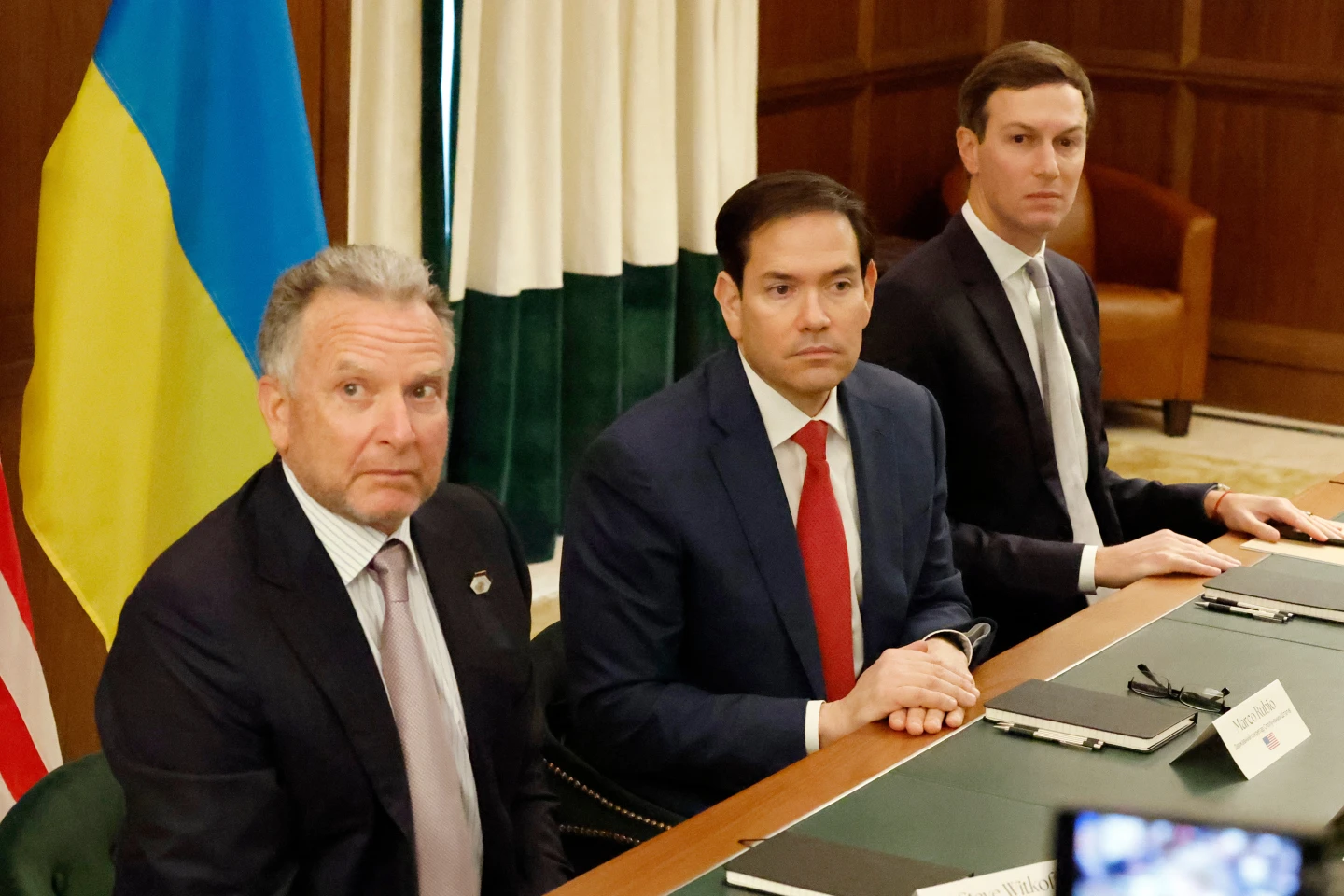
Ukraine peace talks gained renewed momentum as U.S. and Ukrainian officials met in Florida for four hours of strategic discussions. Secretary of State Marco Rubio described the talks as productive while emphasizing that much work remains. He explained that the goal goes beyond simply ending the fighting; instead, the mission aims to secure Ukraine’s long-term stability, sovereignty, and prosperity.
Productive Discussions, Yet Challenges Remain
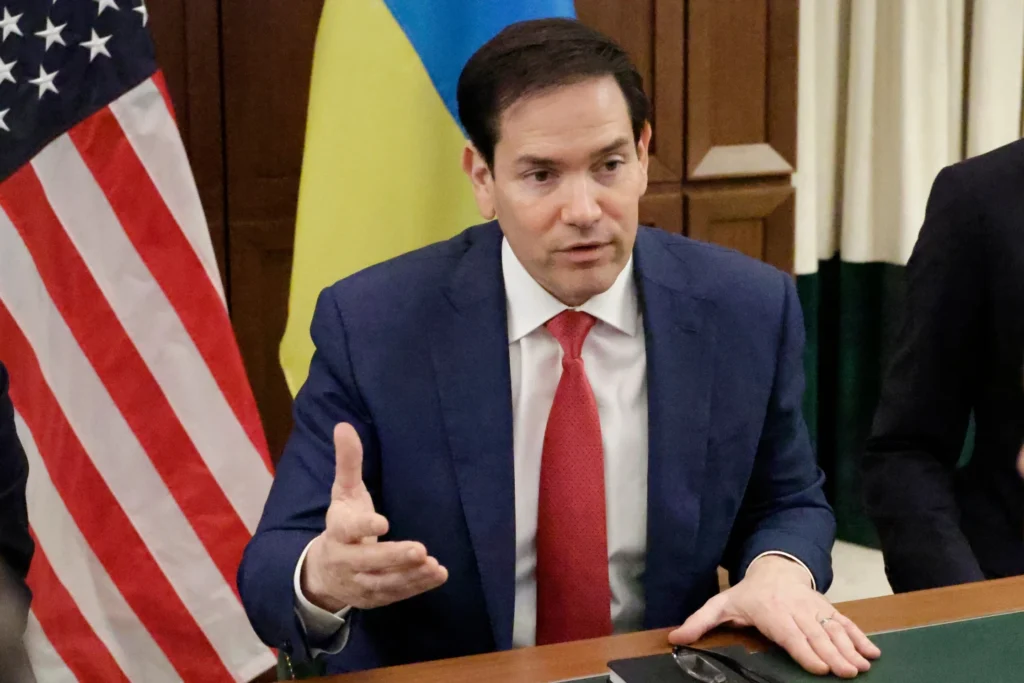
During the talks, Rubio highlighted the importance of building a peace plan that ensures Ukraine’s independence and future growth. Rather than focusing solely on ceasefire terms, negotiators emphasized rebuilding the nation and protecting it against future aggression. He noted that the progress made was meaningful but incomplete.
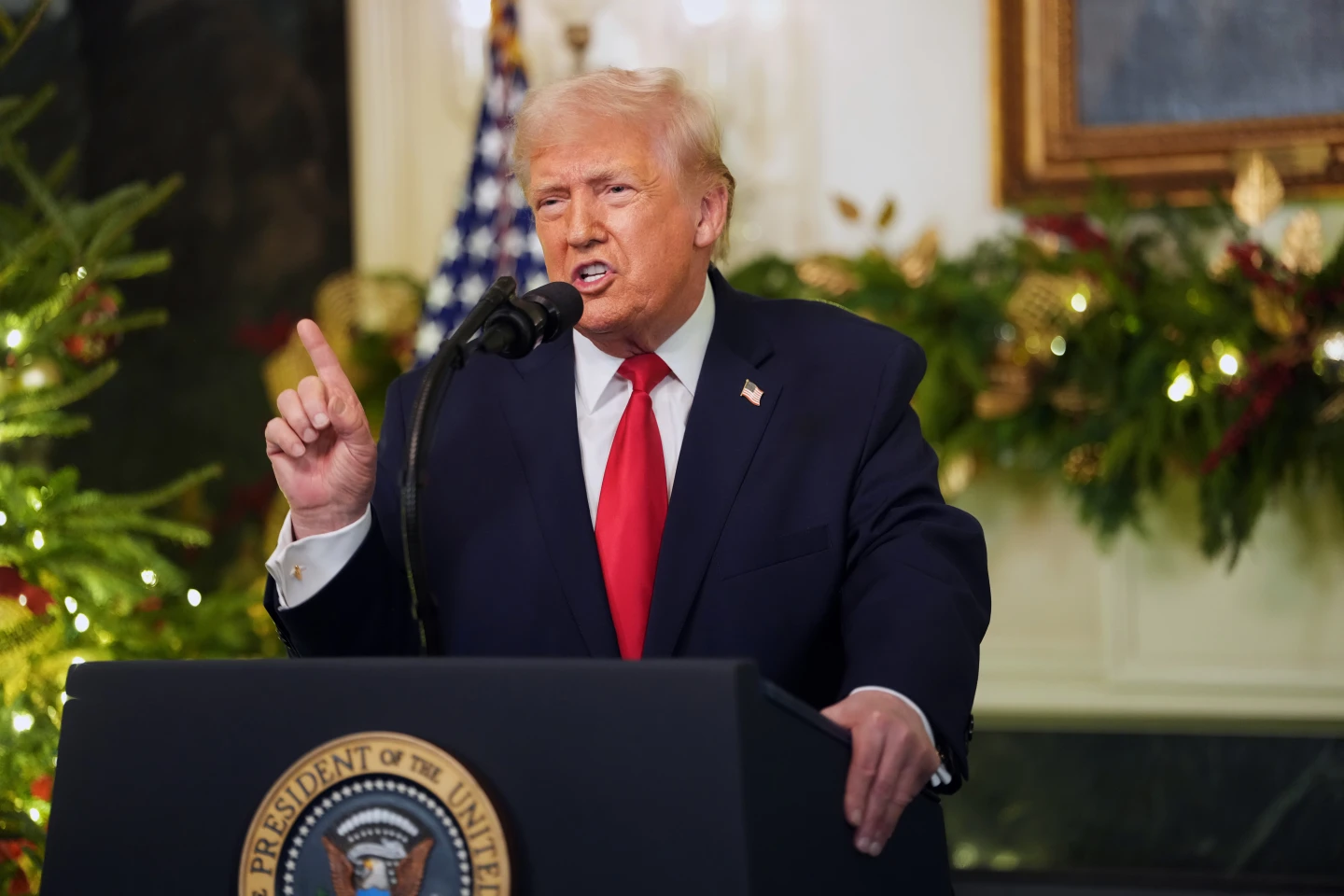
President Donald Trump’s special envoy, Steve Witkoff, will soon travel to Moscow to meet with Russian President Vladimir Putin. This upcoming meeting adds urgency to the diplomatic efforts. Trump, speaking aboard Air Force One, confirmed that he had been briefed and believed there is “a good chance we can make a deal.”
A Broader Peace Vision
The meeting, held at the Shell Bay Club in Hallandale Beach, involved Rubio, Witkoff, and Jared Kushner representing the U.S. side. They discussed both military and economic strategies, focusing on how Ukraine could emerge stronger after the war. Trump previously suggested that expanded economic ties could help discourage future conflicts.
Rubio insisted that any agreement must prioritize Ukraine’s sovereignty, economic development, and regional security. Therefore, the talks extended beyond military concerns and into economic rebuilding, infrastructure, and technology partnerships.
Ukraine Expresses Gratitude, But Remains Cautious
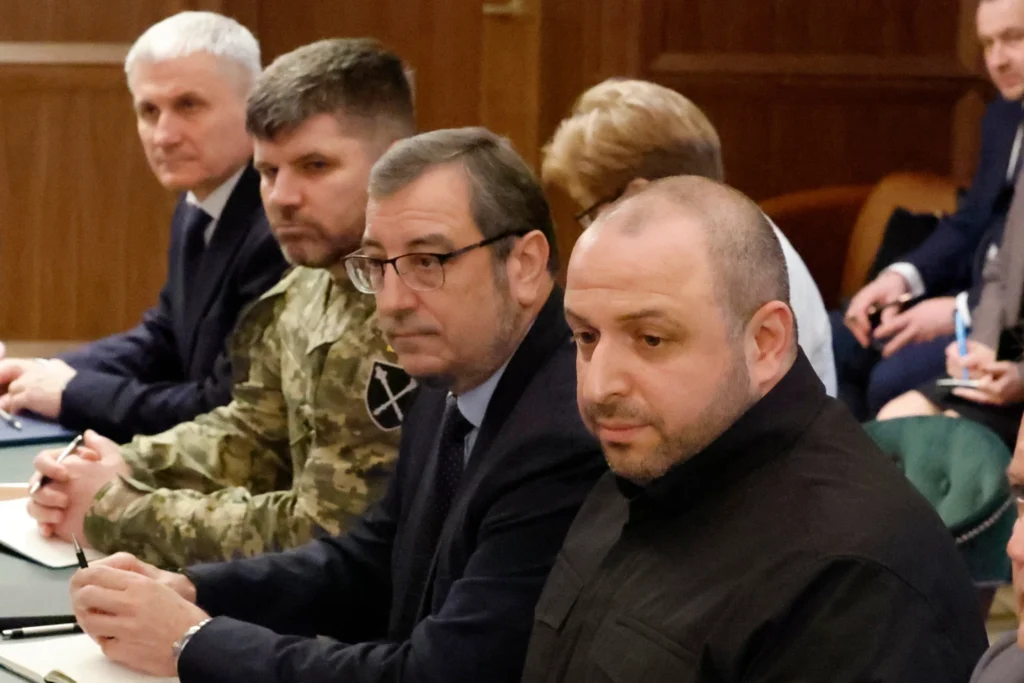
Rustem Umerov, head of Ukraine’s security council, expressed gratitude for U.S. support. He reaffirmed that collaboration with the U.S. remains essential for Ukraine’s survival and long-term strategy. However, he did not reveal details about possible concessions or political decisions.
Ukraine continues to face domestic challenges. A corruption scandal involving $100 million embezzled from the energy sector has intensified pressure on President Volodymyr Zelenskyy’s government. Recently, top negotiator Andrii Yermak resigned after anti-corruption investigators searched his home. Despite these internal issues, Ukrainian officials remain committed to diplomatic progress.

Draft Peace Proposals Under Review
Negotiators reviewed a revised version of a U.S.-authored peace proposal. Early drafts were criticized for favoring Russian demands, including limits on Ukraine’s military size and blocking NATO membership. The previous proposal had even suggested that Ukraine cede all of Donbas to Russia, which was unacceptable to Kyiv.
Although official details were not disclosed, Rubio confirmed that updates to the framework aimed to protect national sovereignty while promoting long-term recovery. He stated that Ukraine should not just rebuild but rebuild stronger, more secure, and more prosperous.
Economic Partnerships as a Path to Stability
The talks also focused heavily on economic empowerment. Earlier this year, the U.S. and Ukraine signed an agreement granting American access to Ukraine’s valuable mineral resources. Negotiators also discussed a proposed Ukraine Development Fund, which would invest in technology, artificial intelligence, and infrastructure.
Washington plans to help Kyiv rebuild its damaged energy grid, which Russia has repeatedly targeted during the war. This includes modernizing gas pipelines, storage facilities, and power systems to help Ukraine become energy independent and stable.
Moscow Awaits Critical Talks
Witkoff and possibly Kushner are scheduled to meet with Putin in Moscow ahead of his departure for India. Kremlin officials confirmed the meeting. Their involvement signals an unconventional approach to diplomacy, drawing from their background in business and conflict mediation. Both played roles in shaping proposals that contributed to a Gaza ceasefire agreement.
With Moscow talks approaching, global attention remains focused on the possibility of diplomatic progress. Yet, significant challenges persist, especially regarding territorial control, military guarantees, and Ukraine’s NATO aspirations.

Conflict Continues Despite Diplomatic Push
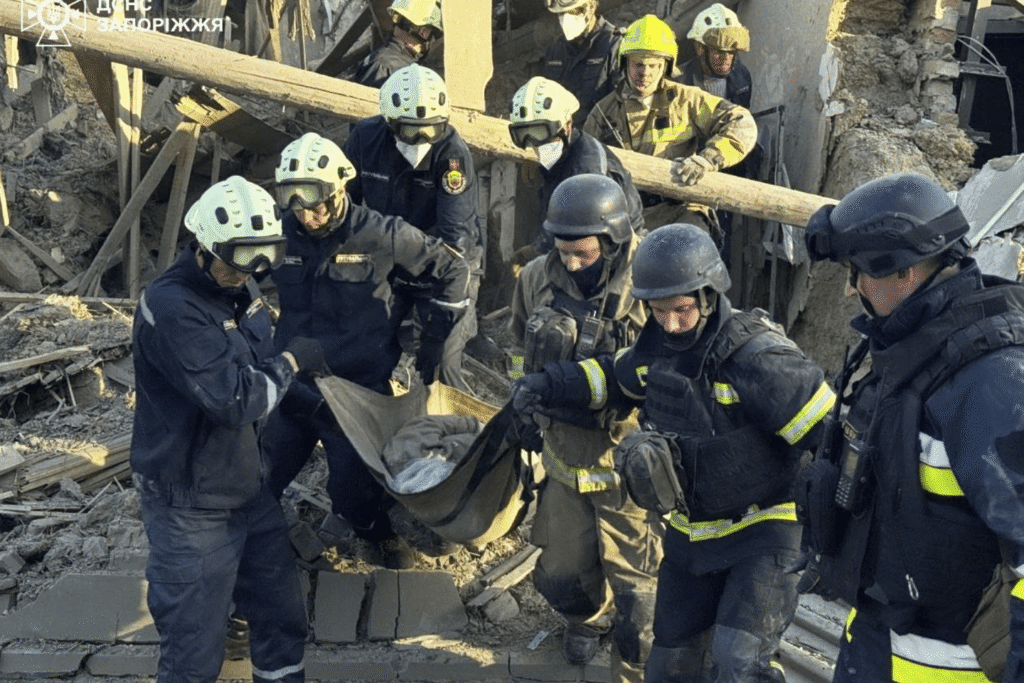
While peace talks advance, fighting continues. Russian drone and missile strikes killed at least three people in Kyiv and wounded dozens more. Further attacks killed one person and injured children when a drone struck an apartment building in the Kyiv region. Zelenskyy reported that Russia launched over 120 strike drones and missiles in recent days.
He stated that Ukraine needs stronger air defense systems and security partnerships. “We need real, reliable solutions that will help end the war,” he said, stressing the importance of both peace efforts and military readiness.
International Reactions and Regional Concerns
Ukraine recently claimed responsibility for damaging a major oil terminal in Novorossiysk, disrupting operations linked to Kazakhstan’s exports. In response, Kazakhstan warned Ukraine to avoid further attacks, calling them harmful to bilateral relations. This incident highlights how the conflict affects wider regional stability and global energy markets.
Hope for Progress, Despite Complex Realities
Despite the ongoing conflict and political challenges, Rubio emphasized that talks were constructive and forward-looking. He believes Ukraine can emerge stronger—with support, peace, and prosperity.
Zelenskyy echoed similar optimism, stating that both sides are showing a “constructive approach” and that progress could soon become more defined. While obstacles remain, there is growing belief that diplomacy, economic partnerships, and strategic cooperation can guide Ukraine toward a dignified and lasting peace.


Leave a Reply