


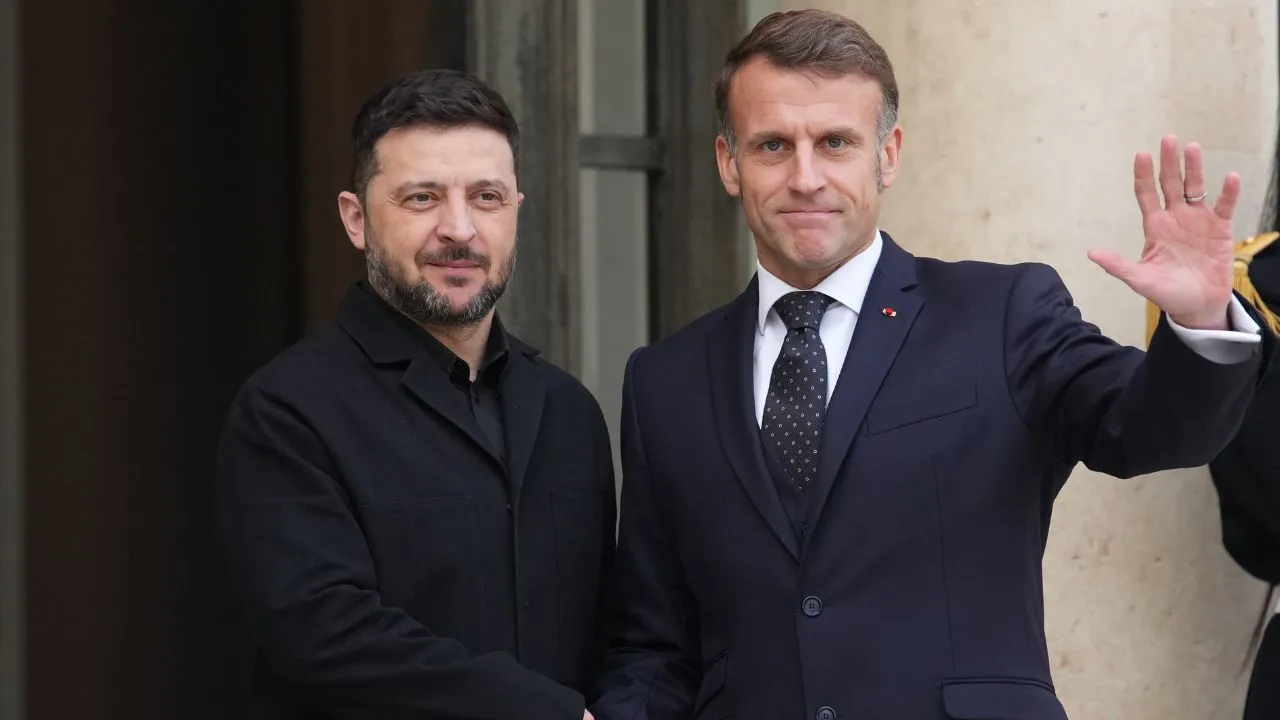
The US peace plan looks better after revisions, and President Volodymyr Zelenskyy said so at the start of the week. He opened talks in Paris with cautious optimism. He also stressed that Ukraine will keep working with partners to refine the framework. The goal remains to end Russia’s nearly four-year war. The ongoing dialogue still shapes the possible conditions for a ceasefire.
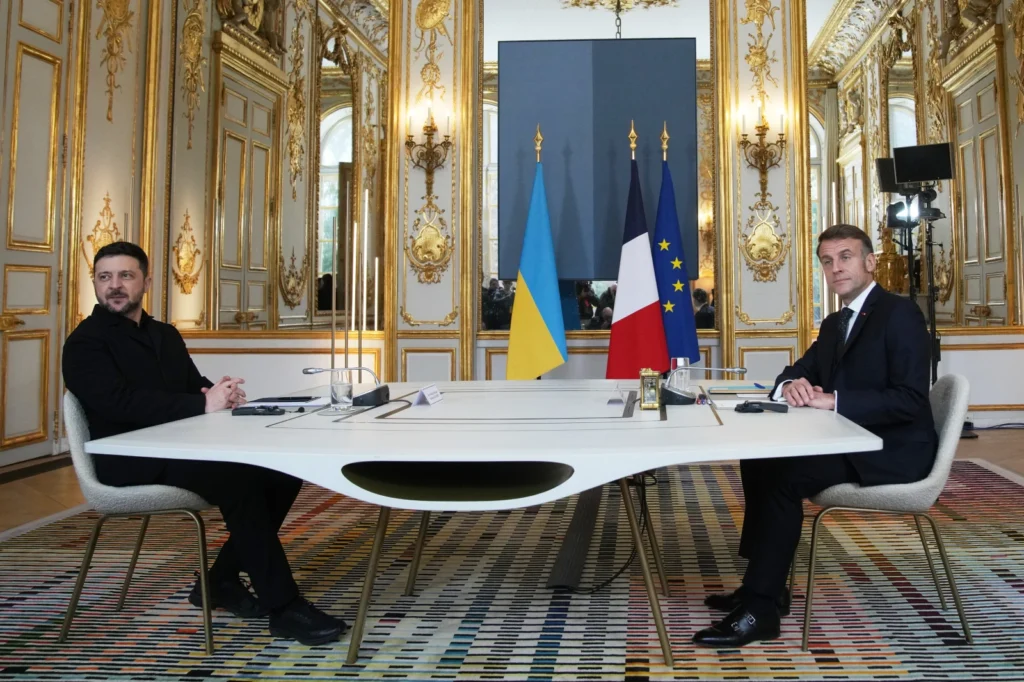
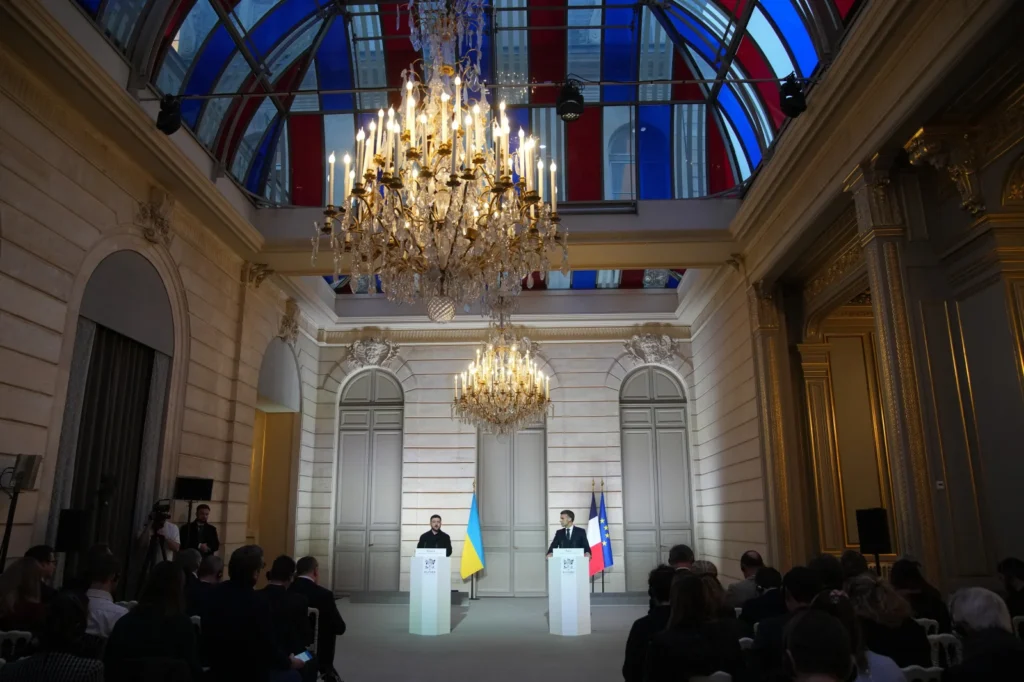
During his meeting with France’s President Emmanuel Macron, Zelenskyy outlined key concerns. He repeated that Ukraine seeks fair terms that respect its sovereignty. He also noted that more internal discussions will help prepare for the next stages. These meetings highlight a new push by Western allies to coordinate approaches. The transition from early drafts to refined proposals creates new diplomatic momentum.
International Coordination
Macron echoed Zelenskyy’s focus. He said the discussions sit in a “preliminary phase,” but he believes the current moment could become a turning point. He argued that Europe must stay involved. He also suggested that allies must understand the full scope of the US commitment, especially regarding security guarantees.
Macron’s office later said that he and Zelenskyy met with leaders from several European nations. They held joint conversations with officials from the UK, Germany, Poland, Italy, Norway, Finland, Denmark and the Netherlands. They also engaged with European Union leaders and NATO Secretary-General Mark Rutte. These meetings show the growing regional effort to agree on a united course of action. The coordinated environment increases trust and strengthens strategic planning.
US and Ukrainian Alignment
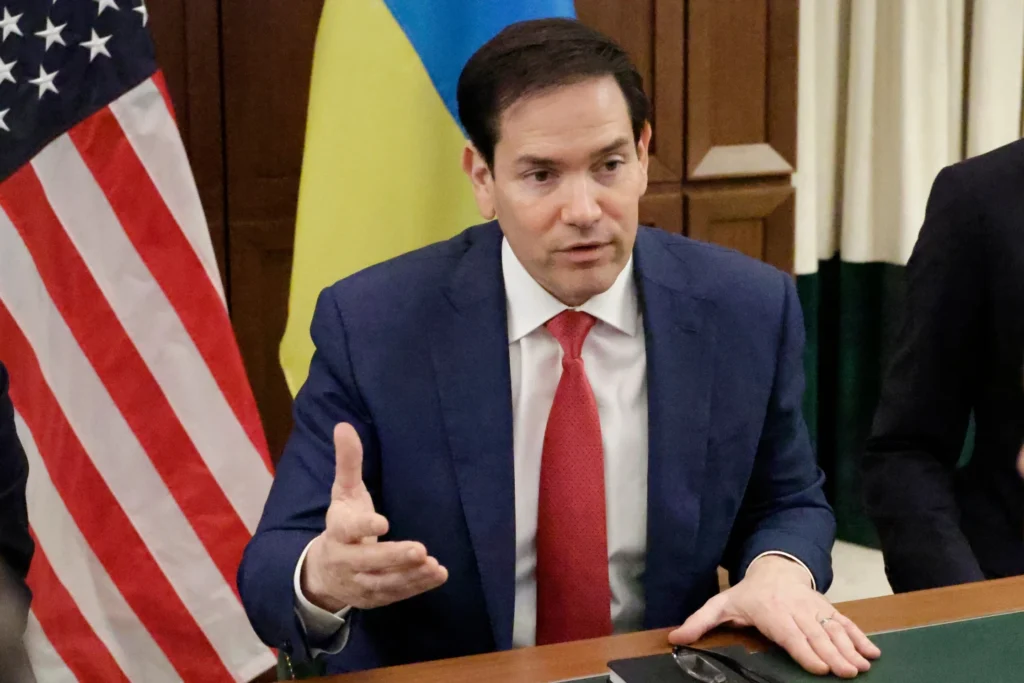
Zelenskyy’s visit to France happened after a productive meeting between Ukrainian and US officials the day before. US Secretary of State Marco Rubio described the meeting as constructive. Both sides focused on revising the US proposal. Critics had argued that the earlier framework leaned too far toward Russian demands. The new edits aim to balance realities on the ground with Ukraine’s long-term security.
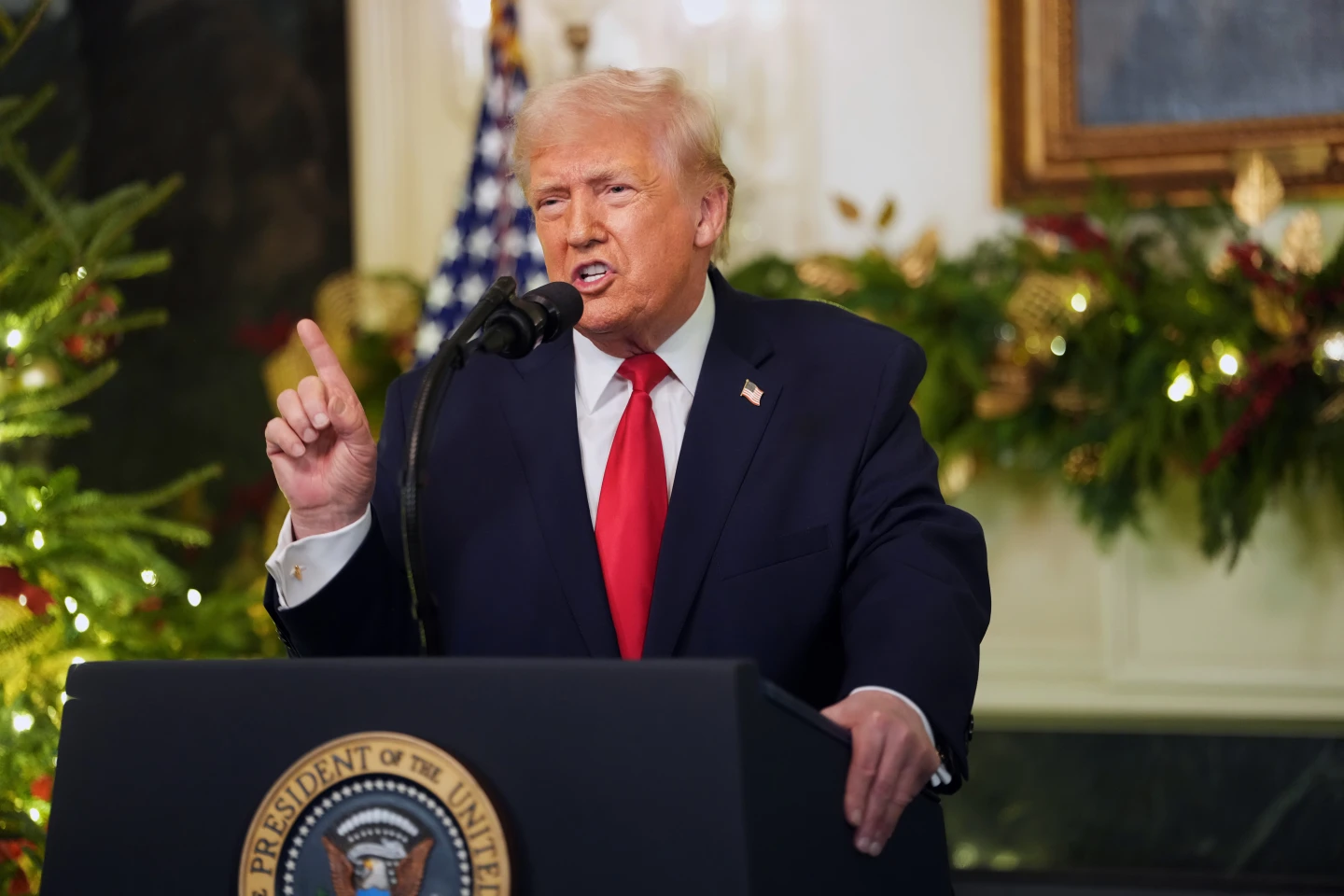
President Donald Trump has also adjusted his stance. He now calls the plan a concept that still needs fine-tuning. His change reflects pressure from Ukraine and its allies. They pushed back on provisions that would have restricted Ukraine’s military, blocked NATO membership, or forced territorial concessions. The updated version removes several points that Kyiv strongly opposed. This shift supports trust-building and eases tensions during negotiations.
Territorial Concerns
Control of territories remains the most sensitive topic. Zelenskyy stressed that territorial integrity represents the core challenge in the peace process. He said Ukraine cannot accept forced concessions. He also called for honest assessments of battlefield conditions.
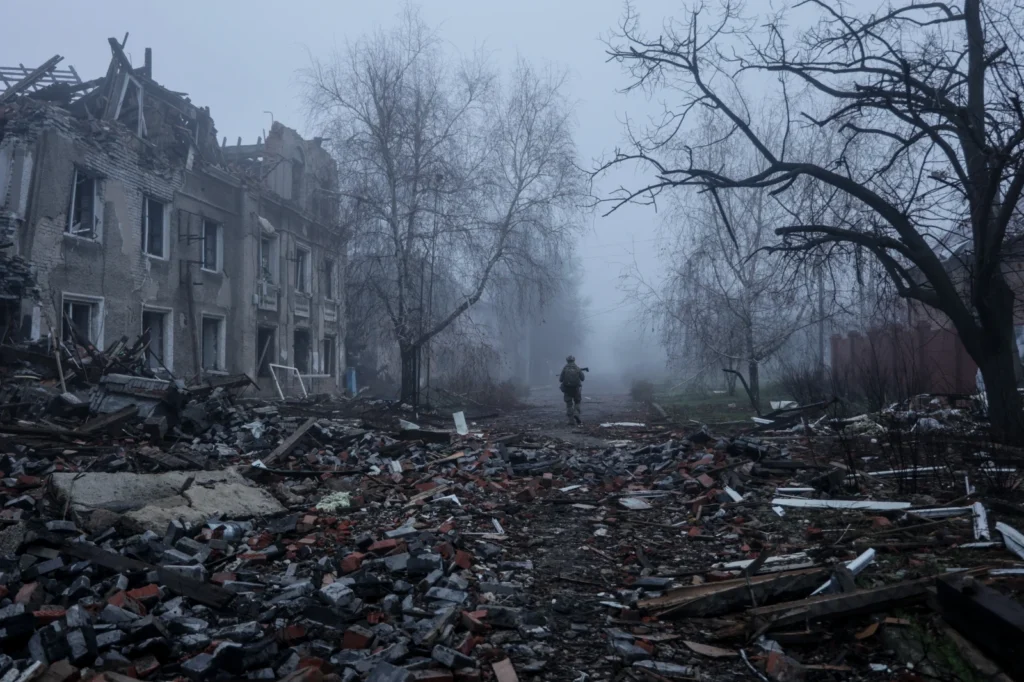
Russia claimed fresh gains in Donetsk, including the capture of Pokrovsk. The Kremlin said President Vladimir Putin received reports confirming its seizure. Yet Zelenskyy contradicted that statement. He told reporters that fighting in Pokrovsk continued. He also denied Russia’s earlier claims of taking Kupiansk. According to him, Ukraine cleared out most Russian forces there. These conflicting reports show the volatility of the battlefield. They also underline the need for reliable information as negotiators review ceasefire terms.
Security Guarantees
Macron continues urging Western nations to prepare “rock-solid” guarantees for Ukraine. He suggested a reassurance force to operate across land, air, and sea. He also pressed for clarity on the role the US would play if a ceasefire emerges. The next round of talks will likely address these questions in detail. Clear guarantees could stabilize the situation and deter future escalations.
The diplomatic push reflects the broader European concern about regional security. EU foreign policy chief Kaja Kallas warned that the US-Russia discussions might pressure Ukraine to surrender more than it can accept. She said that Ukraine should not bear unfair burdens. Her remarks echo widespread fears that rushed compromises could weaken Europe’s long-term stability.
Russian Messaging
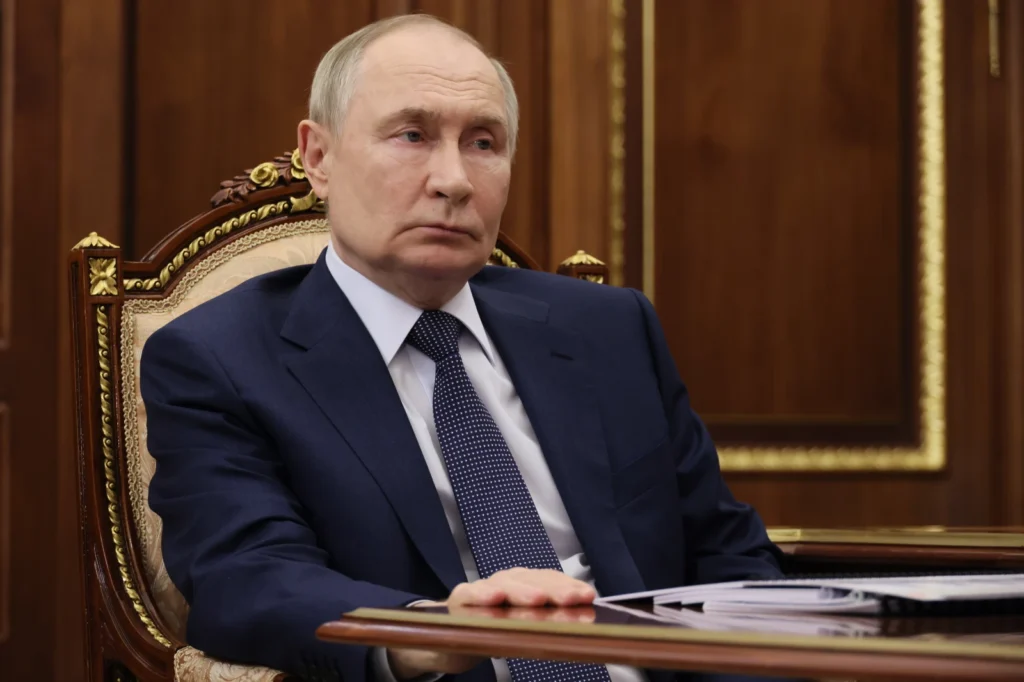
The Kremlin released footage of Putin meeting military leaders. Its generals claimed control over Pokrovsk and Vovchansk. They also insisted that Russian troops increased pressure along the entire front line. The language aimed to project strength before upcoming talks. Moscow also condemned Ukrainian strikes on oil infrastructure, including an attack on a major Caspian Pipeline Consortium terminal. It also criticized naval drone strikes on two tankers in the Black Sea. The Russian Ministry of Defense reported destroying several Ukrainian drones overnight as well.
Ukraine confirmed responsibility for the strikes on Russian oil assets. Kyiv argued that these actions target resources used to support the invasion. Each side continues advancing contrasting narratives to influence political leverage. The information war remains intense as the diplomatic track gains speed.
Civilian Impact
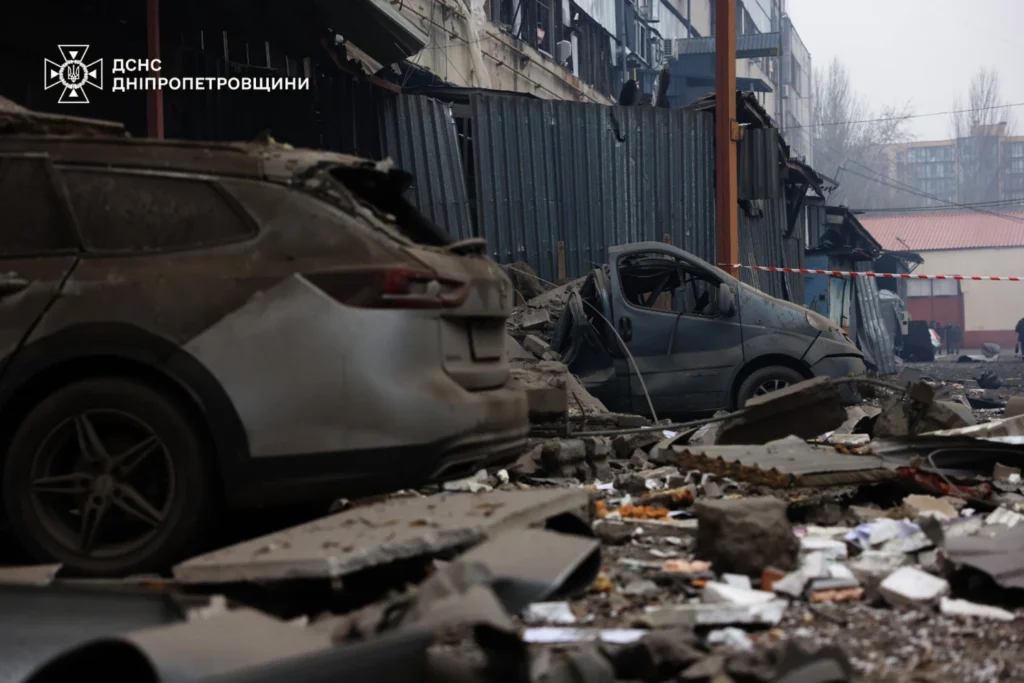
Fresh violence in the city of Dnipro added urgency. A Russian missile strike killed several civilians and injured many more. The blast damaged residential towers, an educational building, and a humanitarian storage site. Local officials said rescue teams continued searching through the debris. Ukraine’s Air Force said it intercepted most of the drones launched during the night, though not all threats could be stopped.
The November Air Force report listed over 9,500 reconnaissance and strike drones launched by Russia during the month. Frequent attacks show the scale of ongoing risks to civilians. These continued assaults underscore why leaders push for progress on the peace plan. The human toll strengthens international resolve to speed up negotiations.
The Road Ahead
Despite hardships, Zelenskyy described a more hopeful atmosphere. The revised US peace plan aligns more closely with Ukraine’s priorities. It also gains stronger backing from European partners. The next steps involve refining security conditions, addressing territorial debates and coordinating global commitments. The rhythm of talks suggests that political space for compromise is slowly expanding.
At the same time, both sides remain cautious. Russia signals confidence in its battlefield advances. Ukraine emphasizes its resistance and its refusal to accept forced concessions. European leaders push for unity while balancing their own strategic interests. The process will continue in stages. But for now, the shared work on the plan offers a potential route toward reducing violence. If partners maintain their coordination, the diplomatic path may widen further.

Leave a Reply