


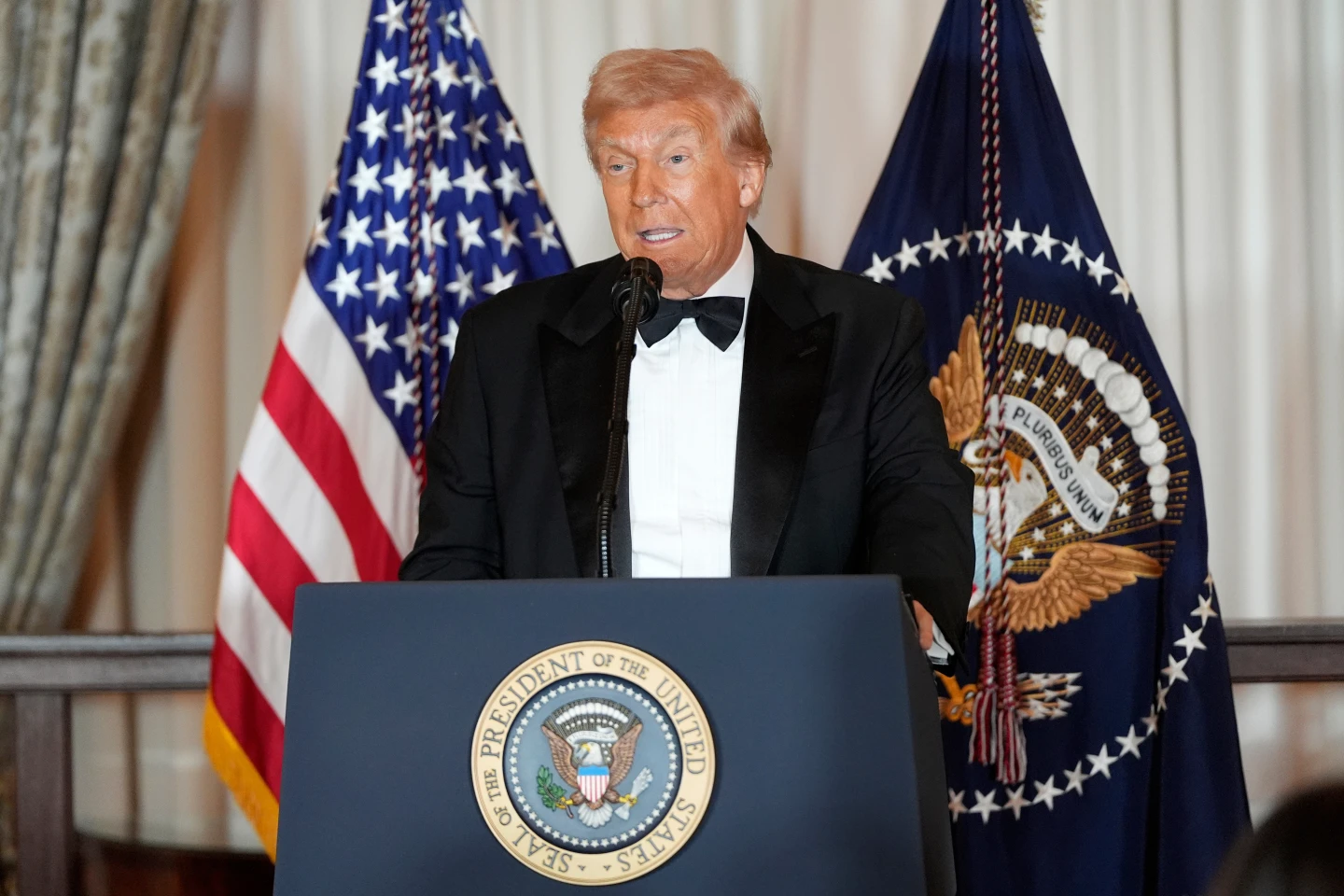
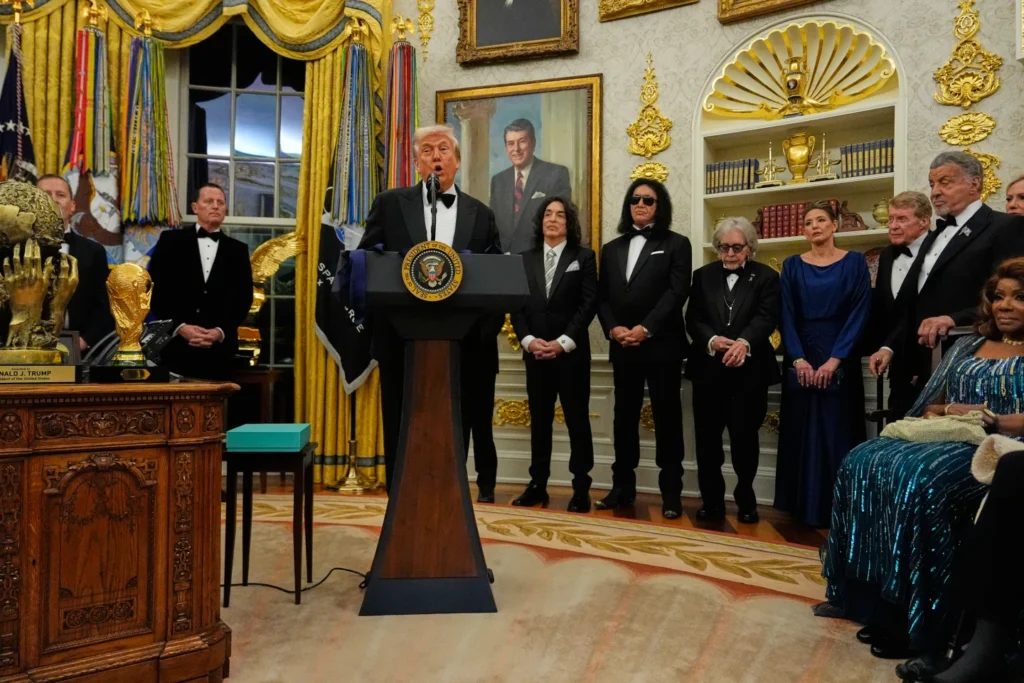
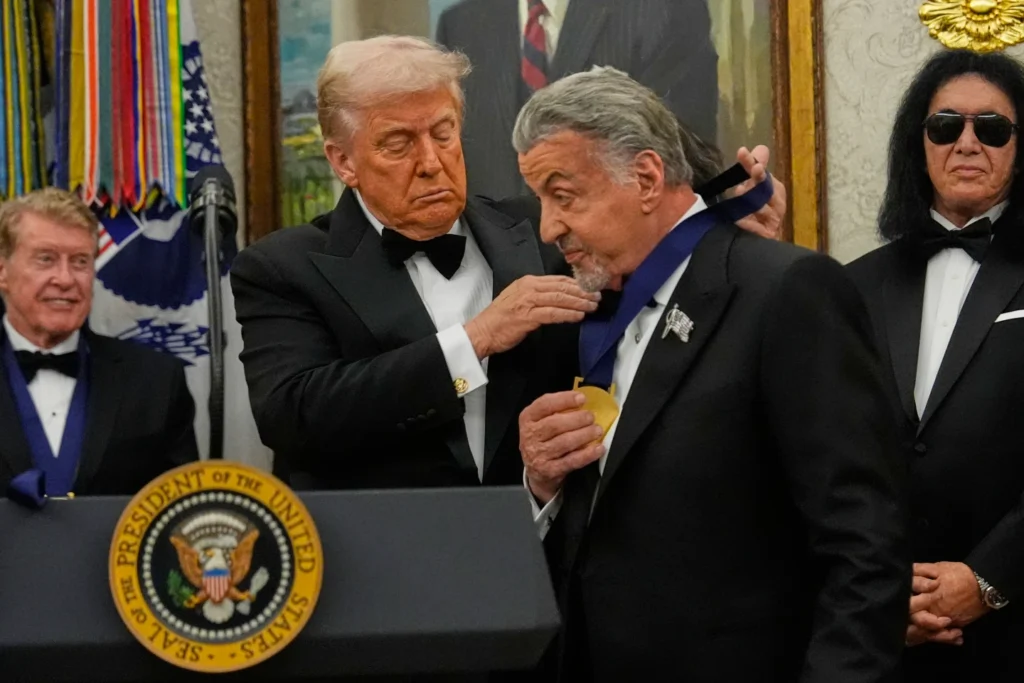
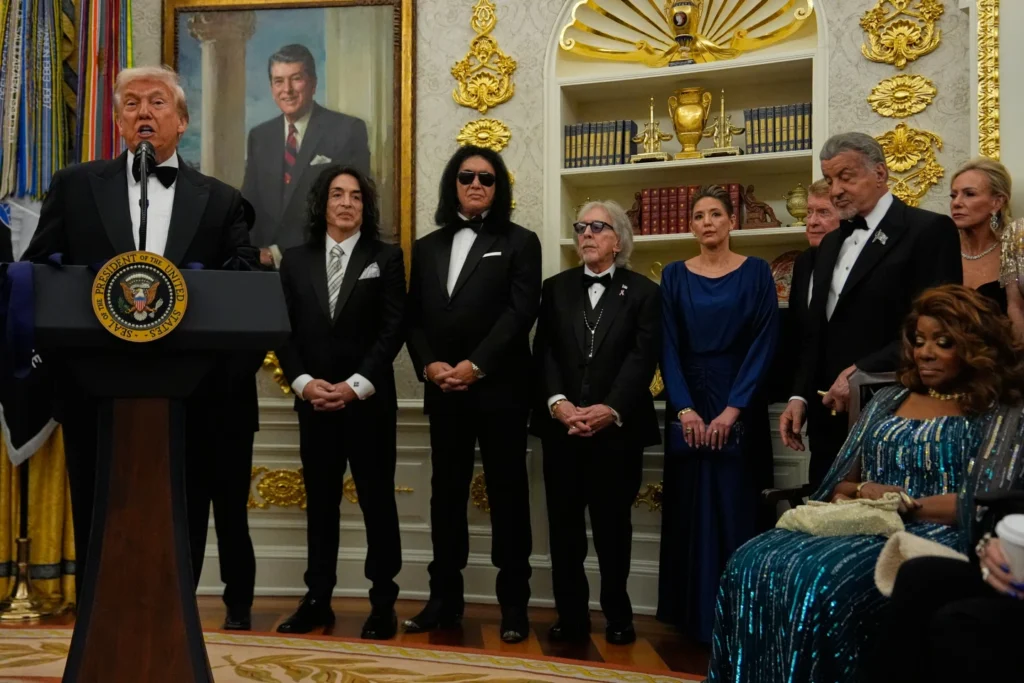
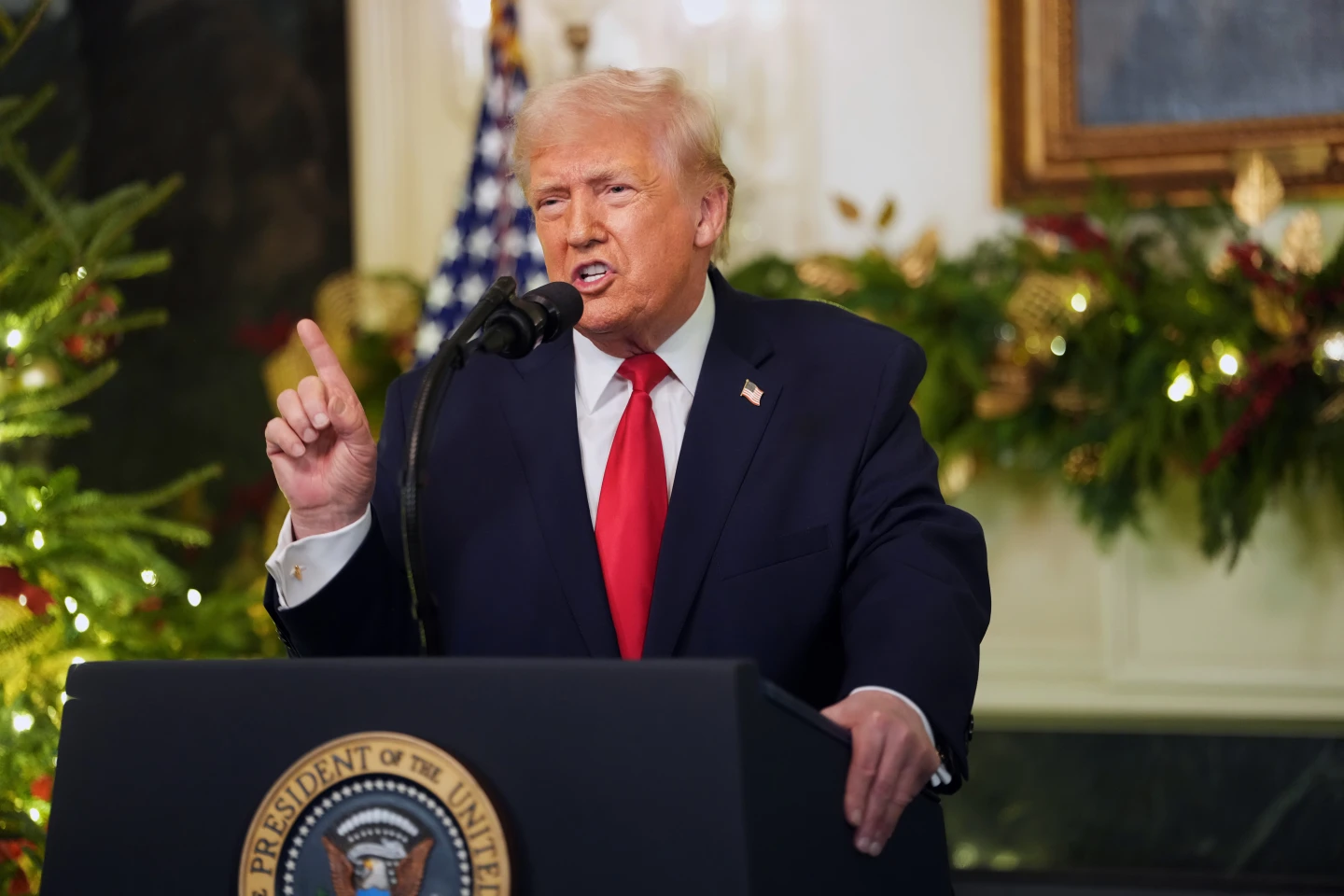
Kennedy Center ceremony events reached a new milestone as President Donald Trump awarded the 2025 honorees their medals during an Oval Office celebration. The president praised this year’s recipients as “perhaps the most accomplished and renowned class” ever. The honorees—Sylvester Stallone, Gloria Gaynor, George Strait, Kiss, and Michael Crawford—stood beside Trump as he highlighted their influence on American culture. He described them as icons whose work inspires millions and expressed admiration for each one, noting that he personally knows most of them.
Trump’s Control Over the Kennedy Center
Trump barely engaged with the Kennedy Center during his first term. However, his second term brought sweeping changes. He removed the center’s board of trustees and replaced them with political allies, ultimately becoming board chairman. The president also criticized the center’s programming and appearance, promising extensive updates. These changes signaled a new era of administrative influence over an institution once insulated from direct political control.
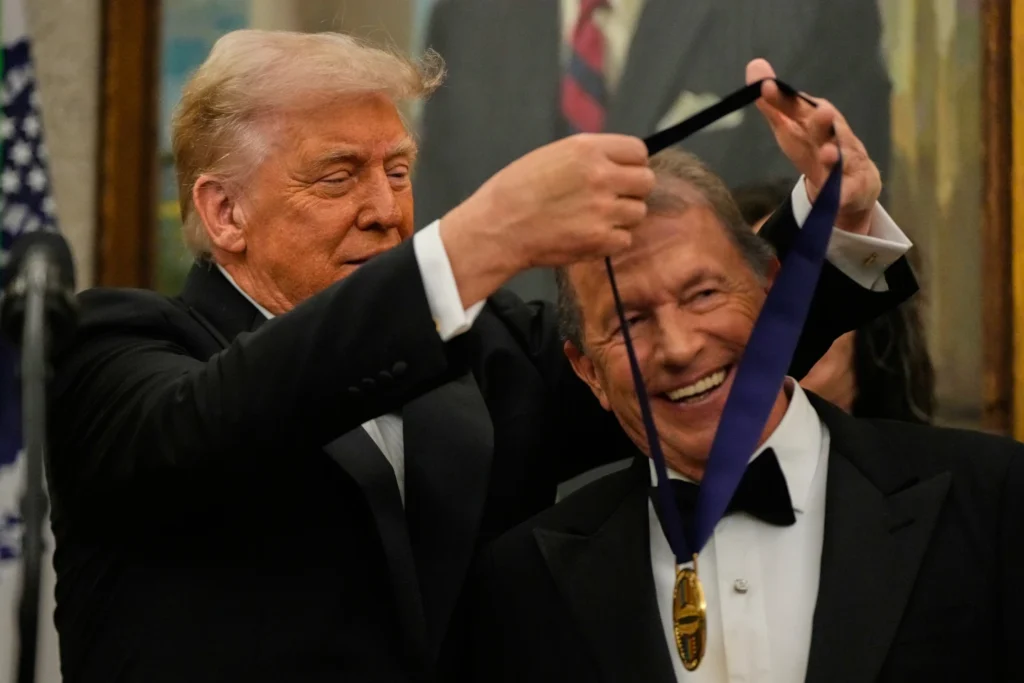
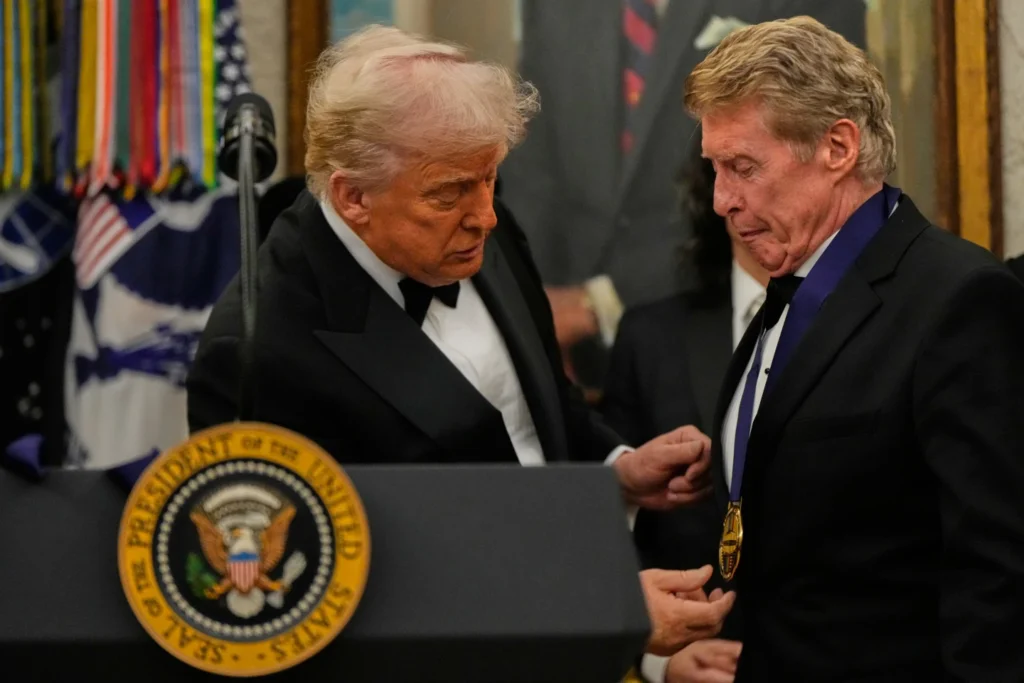
A major symbolic shift came with the unveiling of a new medal. Tiffany & Co. designed and donated the gold medallion, which features the Kennedy Center’s image and rainbow colors on the front. The honoree’s name and ceremony date appear on the reverse. A navy-blue ribbon supports the disc, replacing the long-used rainbow ribbon adorned with gold plates. This redesign marked a departure from a visual identity maintained since 1978.
Honoring the 2025 Recipients
Trump began the medal presentations with George Strait. When Strait attempted to remove his cowboy hat, Trump encouraged him to keep it on, though the singer removed it anyway. The president praised Michael Crawford for his career-defining role in “The Phantom of the Opera,” calling him a “great star of Broadway.” He celebrated Gloria Gaynor as the “disco queen” whose music shaped an era.
Trump saved his most effusive praise for his friend Sylvester Stallone, calling him “wonderful,” “spectacular,” and “one of the great legends.” He applauded Kiss as an “incredible rock band” and emphasized their place in American rock history. Music from Gaynor and Kiss played in the Rose Garden as reporters waited for the ceremony, setting the atmosphere for the afternoon.
These honorees represent the first class chosen under Trump’s leadership. He claimed he was “about 98% involved” in their selection—a break from past practice, when a bipartisan committee handled the decision. While it remains unclear how the new process unfolded, Trump repeatedly asserted that the recipients reflect the best of American talent.
Defining Cultural Legacy Through Leadership
During the ceremony, Trump emphasized that each honoree left a lasting mark on American arts. He celebrated Strait as the king of country music and Gaynor as the first lady of disco. He credited Crawford with defining Broadway for decades and described Kiss as “the hottest band in the world.” He held Stallone up as one of Hollywood’s most innovative figures. Trump underscored how each person shaped entire genres.
These remarks aligned with his broader strategy to strengthen presidential ties to cultural institutions. His decision to personally announce the honorees months earlier further demonstrated this shift. Traditionally, the Kennedy Center released its list quietly via press announcement. Trump’s involvement transformed the process into a presidential spotlight.
A Shift in Tradition at the State Department Dinner
The State Department typically hosted the medallion ceremony at a formal dinner. Trump moved that part of the event to the White House, though he still attended the dinner later in the evening. During pre-dinner remarks, he told the honorees they were “more than celebrities” and expressed gratitude for their contributions. He thanked them for their “wisdom” and “genius,” reinforcing the significance of the weekend’s events.
Trump Takes Center Stage at the Honors Show
A major departure from tradition will take place when the Kennedy Center Honors program is taped. For the first time, a sitting president will host the broadcast. Trump revealed he agreed to host “at the request of a certain television network.” He also predicted record-breaking viewership, claiming the show would reach its highest ratings ever.
Melania Trump will join him for the taping, marking his first attendance at the program since taking office years ago. His participation contrasts with earlier years, when he avoided the ceremony entirely due to strained relations with many artists.
A Jab at Jimmy Kimmel
Trump used part of the evening to target Jimmy Kimmel, with whom he shares a long-running public feud. He mocked Kimmel’s talent and criticized his past award-show hosting roles. Trump even suggested that outperforming Kimmel should be easy, adding that if he “can’t beat Jimmy Kimmel in terms of talent,” he shouldn’t be president. The jab came after ABC temporarily suspended Kimmel’s program earlier in the year following controversy over comments linked to the killing of conservative activist Charlie Kirk.
The Broader Significance of This Year’s Honors
The Kennedy Center ceremony reflected more than an awards presentation. It showcased the extent to which Trump has intertwined cultural institutions with presidential influence. From choosing honorees to redesigning medals to hosting the broadcast, Trump reshaped nearly every element of the tradition.
This year’s ceremony also emphasized how the honorees’ achievements intersect with American storytelling. Stallone’s cinematic characters, Gaynor’s anthems of resilience, Strait’s country legacy, Crawford’s Broadway mastery, and Kiss’s electrifying stage presence all represent distinct pieces of national culture. Their recognition highlights the power of the performing arts to unify audiences, even amid political shifts.
As Trump continues to leave his mark on the Kennedy Center, the debate about tradition, influence, and artistic celebration will likely intensify. For now, the 2025 honorees stand at the center of a transformed landscape—one where the arts remain vibrant, even as the institution itself evolves.


Leave a Reply