


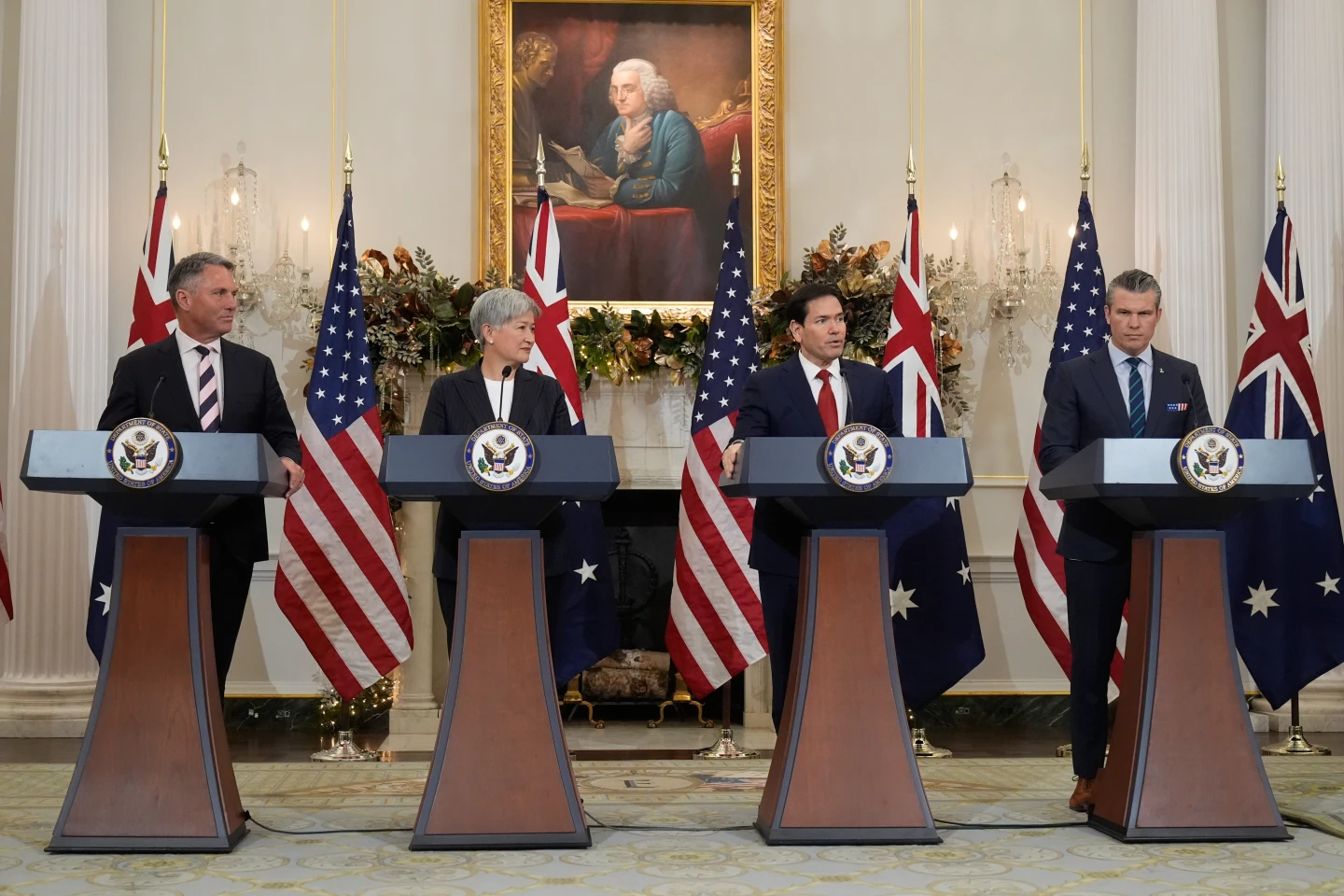
The Indo-Pacific security landscape is shaping a new phase of cooperation between the United States and Australia. As global tensions rise, both nations aim to reinforce unity, enhance defense capabilities, and counter destabilizing pressures in the region. Their meeting in Washington highlights a shared commitment to readiness, resilience, and a secure regional order.
Focus on Regional Stability
Leaders from both countries gathered to address challenges that affect stability across the Indo-Pacific. Although they avoided naming rival nations directly, the concerns surrounding assertive behavior in the South China Sea and tensions involving Taiwan underscored the urgency of the discussions. These are issues that influence trade routes, territorial norms, and the broader balance of power.
The presence of additional global crises, such as the Russia-Ukraine war and the fragile environment in Gaza, added complexity to the agenda. Even so, Indo-Pacific priorities remained central through every exchange. This reflects the alliance’s strategic belief that regional security is not isolated but connected to global stability.
Building on Momentum
U.S. and Australian officials emphasized momentum in their long-standing partnership. They highlighted progress in defense production, troop cooperation, and joint efforts to secure critical resources. Recent events, including new agreements on minerals and supply chains, demonstrate their focus on reducing vulnerabilities that could be exploited during geopolitical friction.
These supply chains include essential components for modern technologies, from mobile devices to advanced defense systems. Ensuring diverse access prevents any one nation from exerting undue control over industrial and security-related materials.
Critical Minerals and Economic Security
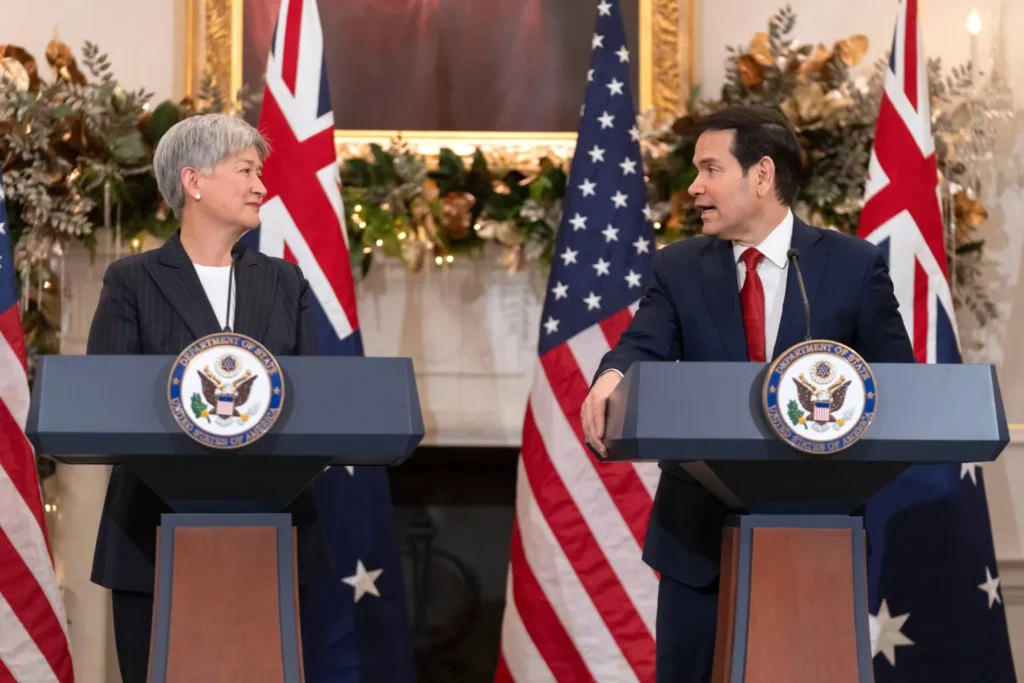
Access to minerals has become a strategic priority. Officials stressed that reliable and diversified supply chains protect both nations from potential economic coercion. Their ongoing cooperation builds on recent agreements designed to counter overreliance on a single source of critical materials.
This effort ensures that neither the United States nor Australia faces disruption in the production of key technologies. As the Indo-Pacific grows more competitive, these economic safeguards become as important as military readiness. They support resilience, innovation, and economic independence.
AUKUS and Defense Integration
The AUKUS partnership remains a cornerstone of enhanced military cooperation. Under this pact, the United States, the United Kingdom, and Australia are progressing toward developing nuclear-powered submarines for the Australian fleet. Officials reaffirmed their dedication to AUKUS and expressed confidence in its ability to drive innovation, share technology, and bolster deterrence across the region.
Australia’s planned contribution to expanding U.S. submarine production demonstrates its deep commitment to the alliance. This investment strengthens industrial capacity, accelerates shared goals, and reinforces the collective defense posture.

A Unified Strategic Vision
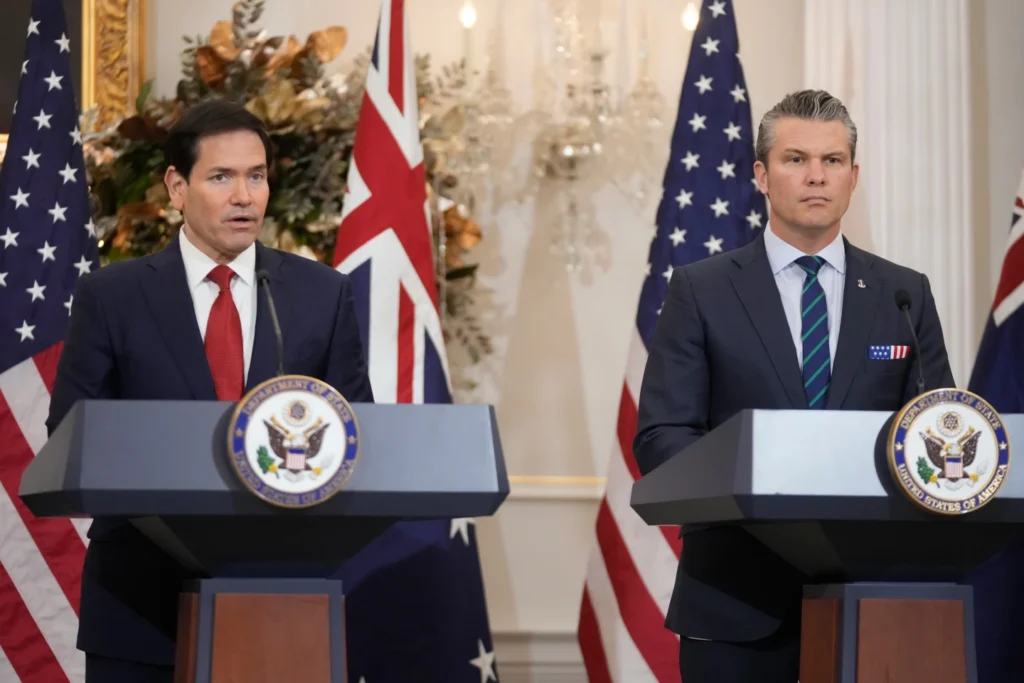
Military and diplomatic leaders voiced strong alignment in their goals. They highlighted the need to prepare for a world where contested environments are increasingly common. Therefore, strengthening ties with trusted partners becomes essential. Both nations view their alliance as indispensable to maintaining peace and safeguarding shared interests.
This unity sends a clear signal: cooperation is the foundation of regional security. Whether addressing maritime issues, technological competition, or supply chain threats, their partnership is designed to prevent instability and uphold international norms.
Commitment to Future Cooperation
The discussions also included broader topics affecting global peace. Although Indo-Pacific challenges were the central focus, the leaders also addressed ongoing concerns in Europe, the Middle East, and the Western Hemisphere. These issues demonstrate how interconnected security has become.
Still, each official reiterated that enhancing Indo-Pacific security remains a top priority. By expanding cooperation through AUKUS, strengthening supply chains, and deepening military coordination, both countries are preparing to meet emerging challenges head-on.
Shared Responsibility in a Contested Era
As the world becomes more competitive, the U.S.-Australia alliance serves as a model for strategic partnership. Their cooperation reinforces deterrence, supports open trade routes, and protects smaller nations that depend on a rules-based order.
This shared approach builds trust and establishes a unified front. It signals that both nations stand ready to safeguard the Indo-Pacific’s stability, prosperity, and freedom. Their collaboration will continue shaping the region’s future as new challenges emerge and global dynamics evolve.




Leave a Reply