


Japan quake alerts surged late Monday when a magnitude 7.5 earthquake struck off northern Japan. The powerful tremor injured 23 people and triggered a tsunami that reached coastal communities within minutes. The quake hit at about 11:15 p.m., shaking Aomori and nearby prefectures with force that startled residents from their routines. After the shaking eased, authorities quickly warned of aftershocks and raised concerns about the possibility of a far stronger event.
Officials scrambled to assess damage while urging communities to stay vigilant. Because the epicenter sat roughly 80 kilometers off the Aomori coast, towns along Honshu’s northern edge felt the impact sharply. People in Hachinohe described the tremors as unlike anything they had experienced in years.
Damage Reports and Early Assessments
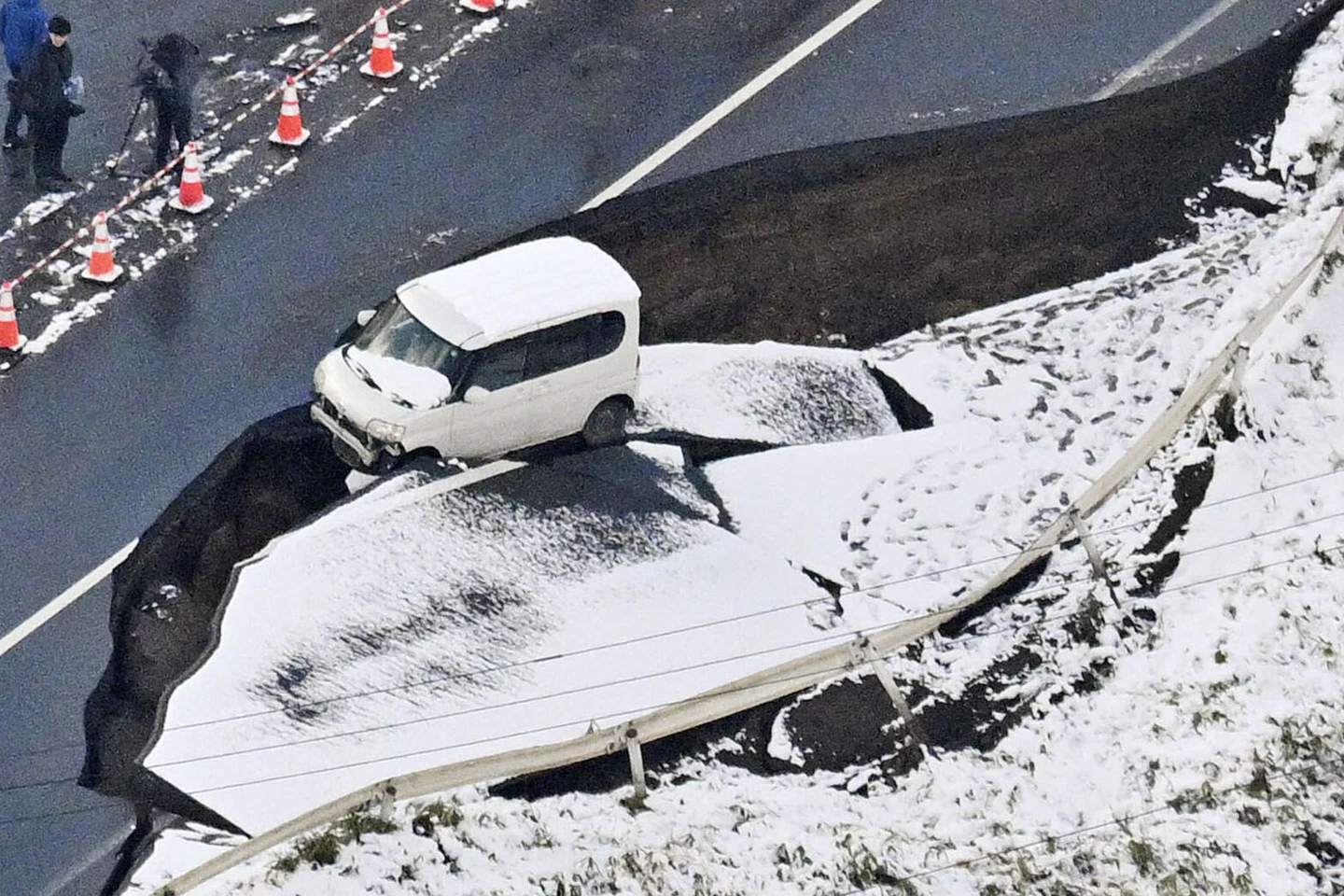
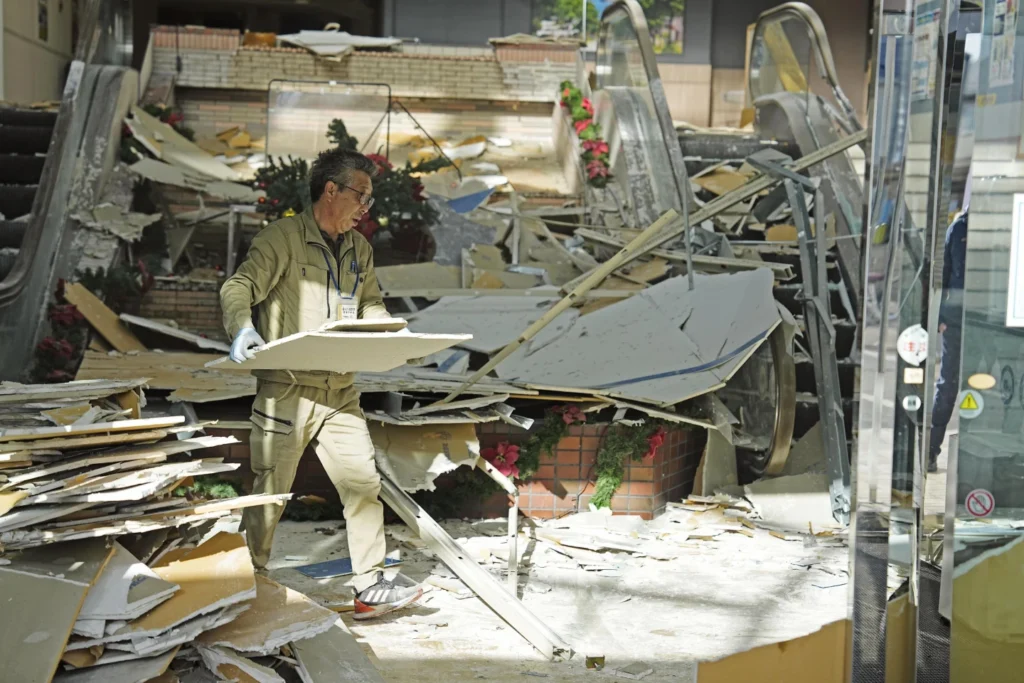
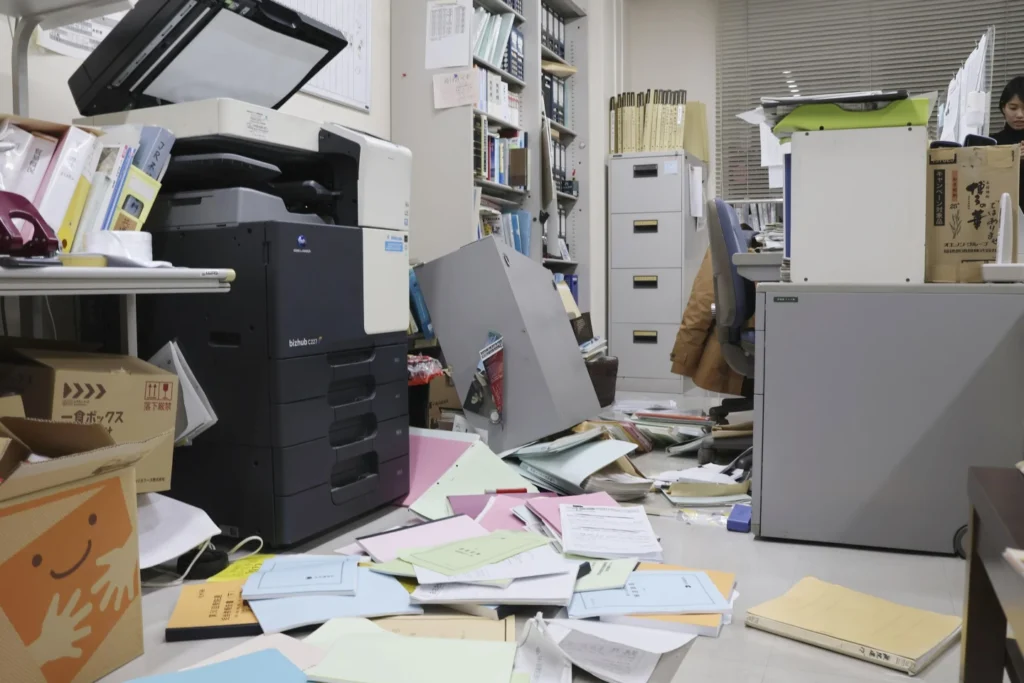
Many injuries came from falling objects. A hotel in Hachinohe saw several guests hurt, while a man in Tohoku suffered a minor injury when his car plunged into a hole created by the quake. These smaller incidents painted a picture of widespread but varied damage. Meanwhile, residents shared accounts of fear and confusion as buildings swayed strongly.
A tsunami of up to 70 centimeters reached Kuji port in Iwate prefecture. Smaller waves struck other coastal towns. Though modest in size, these surges still prompted evacuation calls. The Japan Meteorological Agency initially warned some areas could face waves up to 3 meters before downgrading the alert to an advisory.
Government Response and Local Impact
Chief Cabinet Secretary Minoru Kihara urged residents to head to higher ground or shelters until the risk passed. Around 800 homes lost power, and both the Shinkansen bullet trains and some regional rail lines halted service in parts of northern Japan. Commuters and travelers faced delays that stretched well into the night.
Nuclear facilities carried out immediate safety checks. At the Rokkasho fuel reprocessing plant, water spilled from a spent fuel cooling area. However, officials confirmed the water level remained normal and presented no safety danger. This reassurance helped calm public concern, especially given Japan’s nuclear history.
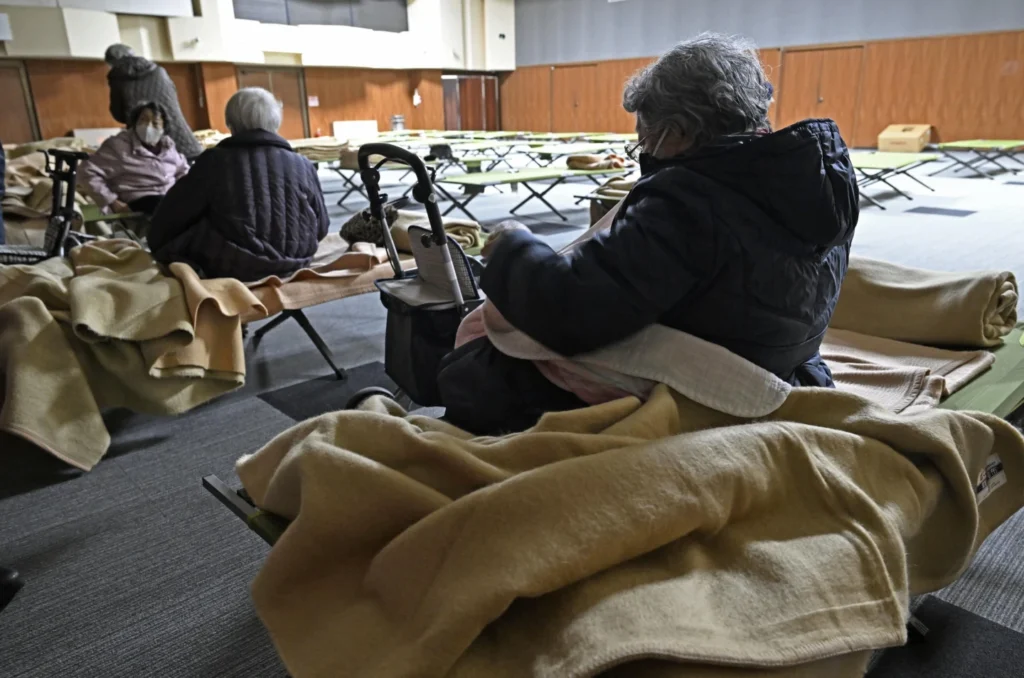
About 480 people found refuge at Hachinohe Air Base. Eighteen defense helicopters deployed to inspect damage and support local authorities. As the night progressed, more residents sought updates from municipal offices. Many communities also activated emergency centers to prepare for renewed shaking.
Warnings of Aftershocks and Elevated Risks
Meteorologists cautioned that aftershocks could strike for days. They also noted a slight increase in the risk of a magnitude 8-level quake. This warning covered coastal regions from Chiba to Hokkaido. Officials asked residents in 182 municipalities to review their emergency plans and remain prepared.
Memories of the 2011 disaster surfaced quickly. The 9.0 quake and resulting tsunami devastated northeastern Japan and caused the Fukushima Daiichi nuclear crisis. Experts reminded the public that preparedness remained essential. Satoshi Harada of the earthquake and volcano division stressed that communities must assume a major event could recur.
Scenes from the Ground
Across Aomori and Iwate, residents described chaotic moments. Convenience store owner Nobuo Yamada said he had never felt such strong shaking. Though power stayed on in his area, shelves rattled and merchandise toppled.
A high school vice principal, Satoshi Kato, said he rushed to his school because it served as an evacuation center. On the drive, he saw traffic jams and minor collisions as panicked drivers tried to escape coastal zones. Even so, the shelter remained empty for some time, reflecting uncertainty among residents about evacuation timing.
About 200 people became stranded overnight at New Chitose Airport in Hokkaido after transport disruptions. Some passengers slept in terminal seats as staff provided updates. With train lines suspended and roads congested, many travelers had little choice but to wait.
Political and Administrative Actions
Prime Minister Sanae Takaichi set up an emergency task force shortly after the quake. She emphasized that lives came first and that all government agencies were working quickly to understand the extent of the damage. Later, she urged residents to stay alert and follow the latest municipal guidance. Her message focused on readiness, especially for those living near the coast.
By early Tuesday morning, authorities lifted all tsunami advisories for northern Japan’s Pacific coastline. Even so, meteorologists underscored that aftershocks could still produce hazards. Communities kept evacuation centers on standby, and local governments pledged to update residents immediately if conditions changed.
Secondary Seismic Activity
The U.S. Geological Survey reported another magnitude 5.1 quake early Tuesday south of Honcho at a depth of 35 kilometers. While no additional impacts were immediately known, the news heightened anxiety. Residents and officials interpreted the new tremor as part of an active seismic pattern rather than an isolated event.
Japan’s long experience with earthquakes offers a framework for response, but the unpredictability of seismic activity keeps people on edge. The combination of a major offshore quake, a measurable tsunami, and warnings of elevated risk created a tense atmosphere across much of northern Honshu.
Preparing for the Days Ahead
Even with tsunami alerts lifted, communities must prepare for the possibility of ongoing shaking. Officials urged residents to check emergency kits, rehearse evacuation routes, and stay tuned to municipal updates. Schools reviewed procedures, transportation companies monitored rail lines, and local governments prepared rapid response teams.
People across the region are balancing normal routines with heightened caution. They continue cleaning homes, repairing minor damage, and supporting neighbors. Still, the uncertainty lingers. The quake served as a reminder of both Japan’s vulnerability and its resilience.
As the assessment continues, authorities aim to restore services, repair infrastructure, and ensure shelters remain ready. The focus now shifts to stability, recovery, and readiness for whatever seismic events may follow.






Leave a Reply