


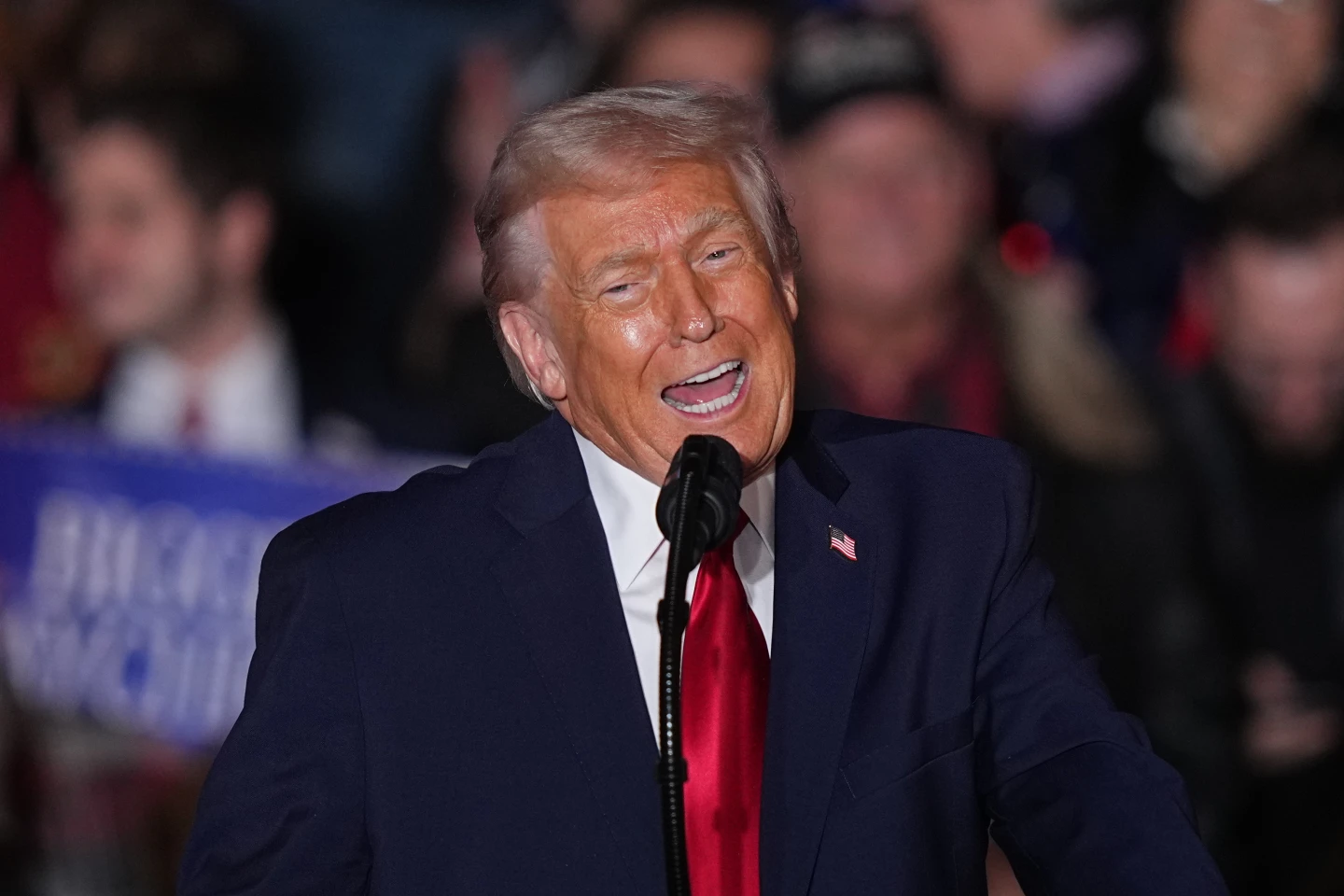
The political speech controversy continues to shape national conversations as public figures escalate their language. The latest storm centers on former President Donald Trump, who revisited a remark he once denied using. He now openly embraces the inflammatory phrasing that ignited worldwide backlash years ago. The shift highlights how rhetoric changes over time and how leaders frame their own narratives. It also shows how voters respond when political language sharpens.
A Remark Revisited
Trump admitted that he used a vulgar slur to describe Haiti and several African nations during a 2018 meeting. He had previously rejected the claim. However, during a recent rally in Pennsylvania, he celebrated the moment. He retold the story with confidence. His renewed comments echoed what witnesses shared at the time. He recalled asking why the United States accepted immigrants from what he called “shithole countries.” He contrasted those nations with places like Norway and Sweden. His remarks again stirred debate.
Escalation at the Rally
He moved further when speaking about Somalia. He called the country “filthy, dirty, disgusting, ridden with crime.” His comments drew cheers from some supporters. Someone in the crowd even shouted the original 2018 slur, prompting him to revisit the episode. The rally showcased how political speech evolves when a leader adjusts their tone. It also showed how supporters respond to emotional language. As a result, the moment reignited global conversations about respect, diplomacy, and leadership.
Context Behind the Shift
Trump used the rally to promote his new immigration stance. He described a “permanent pause” on migration from what he labeled “Third World” countries. He included Afghanistan, Haiti, and Somalia in the group. He listed many others as well. His approach reflects a broader trend in his recent speeches. He often uses sharp language to energize his base. He also aims to contrast himself with political rivals. Consequently, political speech controversy grows as he continues this pattern.
Historical Response
Back in 2018, leaders around the world condemned the remark. Many viewed it as racist because it targeted predominantly Black nations while praising mostly white countries. African leaders spoke out loudly. Botswana summoned the U.S. ambassador. Senegal’s President Macky Sall said he felt shocked. He said that Africa and the Black race deserve respect. Some Republicans in Congress also voiced concern. They distanced themselves from the language even if they supported certain policies. Their reaction showed how political norms once influenced public statements.
Trump’s Initial Pushback
At the time, the White House chose not to deny the comment outright. Yet Trump posted online that he did not use that language. He insisted he never said anything negative about Haitians. Despite that claim, many witnesses recalled the same version of events. Now, his latest admission contradicts his earlier denial. This shift reveals how narrative control changes over time. It also reflects how leaders adjust their accounts as political environments shift.

A Pattern of Sharper Language
In recent years, Trump has used profanity more frequently. He even dropped the F-bomb on camera during two separate events this year. His Thanksgiving posts criticized immigrants and targeted Minnesota Gov. Tim Walz. He used a slur for people with intellectual disabilities. When reporters asked if he regretted using the term, he did not. He simply said, “I think there’s something wrong with him.” His reaction highlighted a trend toward more aggressive political rhetoric.
Impact on Public Discourse
This pattern fuels ongoing debate. Voters question how such language affects global perception. They also ask how it shapes policy discussions. Political communication experts note that strong language can energize supporters. However, it may also divide communities. Therefore, the political speech controversy reflects more than one moment. It reveals a broader shift in how leaders interact with the public. It influences how people view credibility, character, and accountability.
Why This Matters
Elections hinge on trust, clarity, and leadership. When rhetoric escalates, citizens must evaluate the impact. They need to consider how words influence diplomacy and domestic unity. The current climate demands critical thinking. People look for transparency. They also expect leaders to uphold certain standards. The latest controversy serves as a reminder that language carries weight. It shapes policy debates. It influences international relationships. It defines political identity.


Leave a Reply