


A Red Sea undersea cables cut disrupted internet access across Asia and the Middle East, slowing connectivity in multiple countries. Experts confirmed the disruption Sunday, though the exact cause remains unclear.
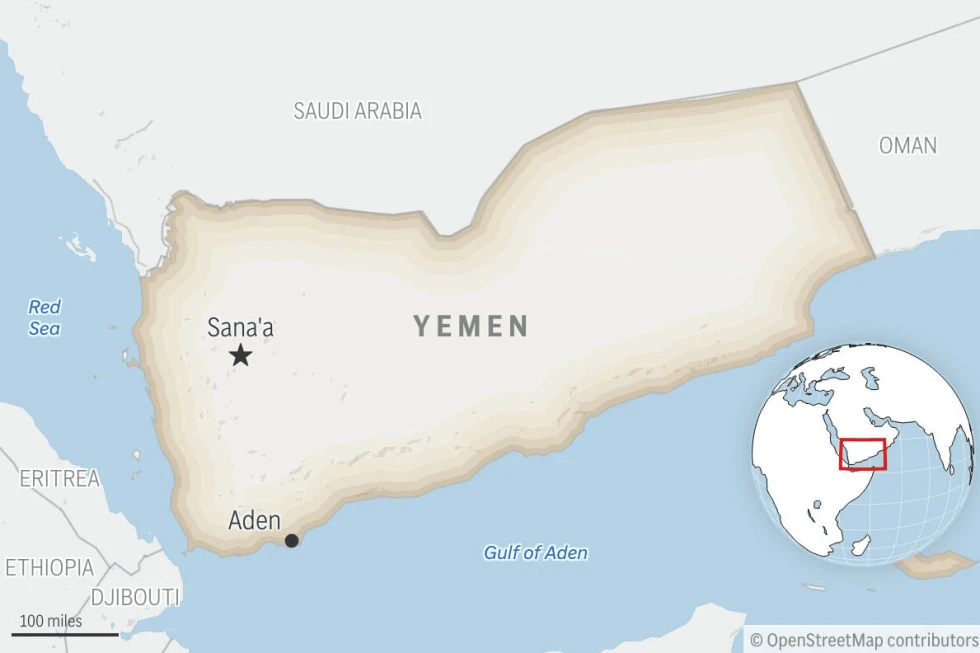
Concerns have grown that Yemen’s Houthi rebels might target subsea cables as part of their Red Sea campaign linked to the Israel-Hamas war. The rebels, however, have repeatedly denied responsibility.
Multiple cables cut near Saudi Arabia
Microsoft warned that the Middle East “may experience increased latency due to undersea fiber cuts in the Red Sea.” NetBlocks, which monitors internet access, reported outages affecting India, Pakistan, and Gulf states, blaming failures near Jeddah on the SMW4 and IMEWE cable systems.
Pakistan Telecommunications confirmed the cuts. Kuwait also reported disruptions on the FALCON GCX line, while UAE residents complained of slower speeds on Etisalat and Du networks. Saudi authorities have not publicly addressed the incident.
Why undersea cables are critical
Undersea cables are vital to global internet infrastructure, carrying 95% of international data. When damaged, internet providers reroute traffic, but users often face slower connections.
Cables can be severed by ship anchors or deliberate sabotage. Repairs may take weeks, requiring specialized ships to locate and fix the breaks deep beneath the sea.
Regional conflict heightens concerns
The Red Sea undersea cables cut comes amid escalating tensions. Yemen’s Houthi rebels have carried out drone and missile attacks on ships since late 2023, sinking four vessels and killing at least eight mariners.
Though the Houthis deny cutting cables, Yemen’s exiled government previously accused them of planning such attacks. The timing of the outages raises suspicions as ceasefire talks over the Israel-Hamas war remain fragile.
The Iranian-backed rebels recently resumed strikes after a U.S.-led air campaign, ordered by President Donald Trump, temporarily halted their attacks. The renewed disruption underscores how regional instability now threatens both maritime trade and global digital infrastructure.
Conclusion
The Red Sea undersea cables cut highlights the vulnerability of the internet’s hidden infrastructure to geopolitical conflict. With connectivity slowed across Asia and the Middle East, experts warn that further disruptions could follow if regional instability escalates.






Leave a Reply