


The vaccine guidance conflict is intensifying as parents face mixed messages from doctors and federal officials. Many families feel caught in the middle as the Trump administration challenges long-accepted childhood vaccines. This clash has created confusion at a time when parents need steady, evidence-based advice. Doctors warn that the turmoil risks public health while families struggle to decide what to do next.
Growing Divide Between Doctors and Federal Officials
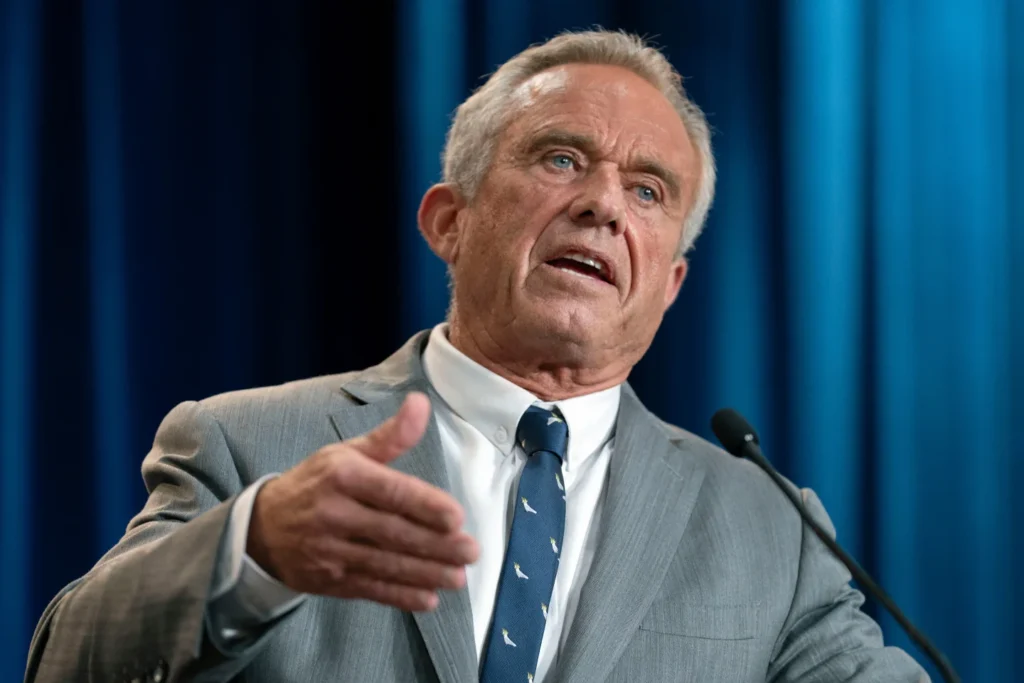
Pediatricians, obstetricians, infectious disease specialists, and family doctors are in an unprecedented standoff with federal health leaders. The situation escalated when an advisory panel selected by Health Secretary Robert F. Kennedy Jr. recommended ending routine newborn vaccination for hepatitis B. Medical groups immediately pushed back. They stressed that the vaccine has decades of safety data and protects against a virus that can lead to liver failure and cancer.
However, the disagreement goes far beyond a single vaccine. The advisory panel is now questioning ingredients, dosage schedules, and long-standing scientific conclusions. Doctors say the discussions lack transparency and ignore critical evidence. Parents now face conflicting recommendations from government agencies and leading medical organizations.
Doctors Issue Their Own Recommendations
Because of the federal shift, the American Academy of Pediatrics and other medical groups released updated guidance. Their recommendations largely follow pre-2025 federal standards. Several state and local public health departments joined this effort, aiming to provide consistent advice based on science rather than politics. Physicians emphasize that their role is to deliver clear information rooted in research, not ideology.
Yet even experts admit that mixed messages have created anxiety. Many parents feel overwhelmed. They want trustworthy information but often lack access to medical specialists who can explain complex vaccine science. Doctors stress that families should bring their concerns to their pediatricians, who can tailor recommendations to each child.
Policy Changes Without New Evidence Raise Red Flags
The administration also revised a CDC webpage to suggest a link between vaccines and autism. That reversal goes against decades of research. In addition, federal officials have limited COVID-19 vaccinations and hinted at future restrictions affecting flu and coronavirus shots.
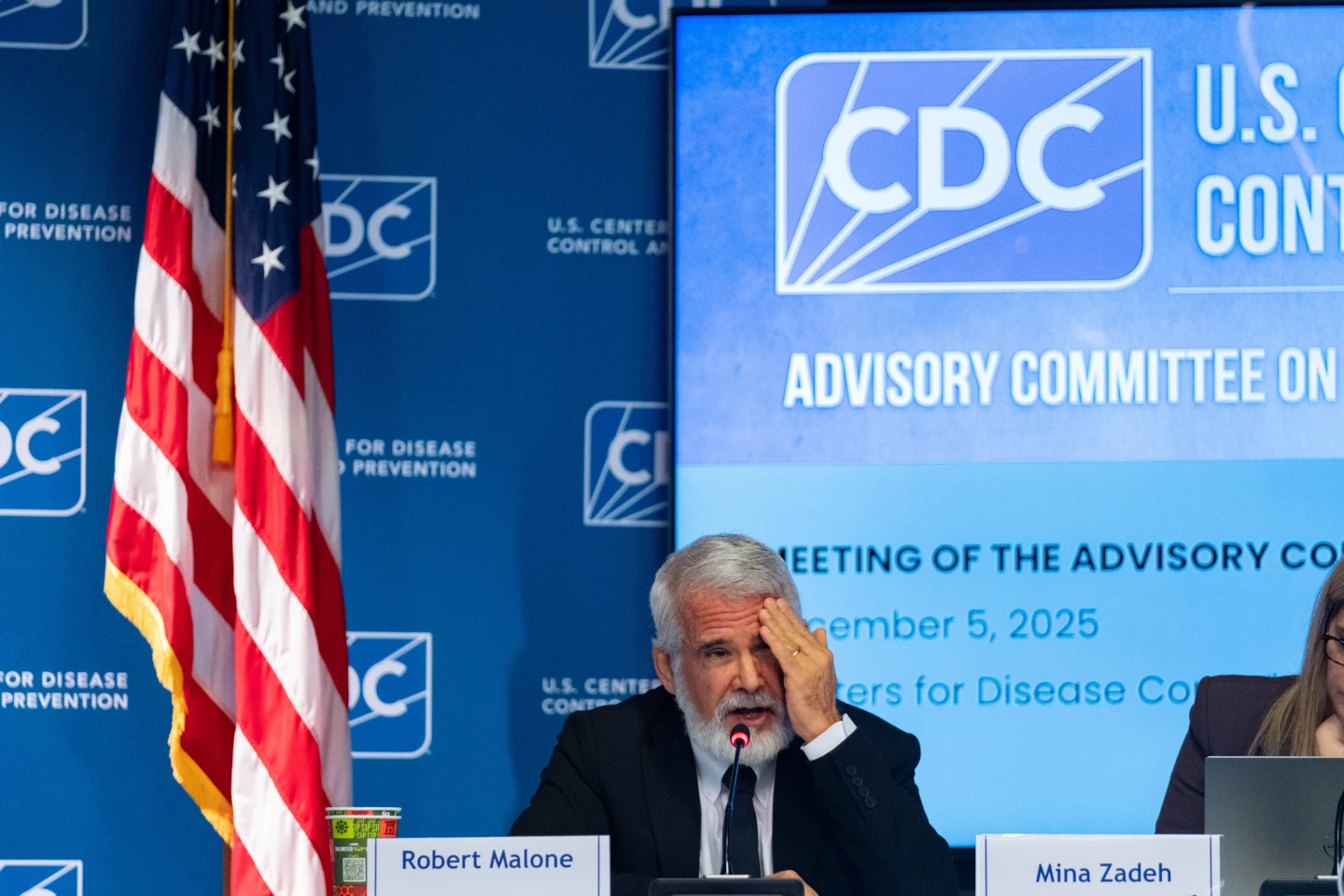
Doctors worry that the new policies are not grounded in data. Traditionally, the Advisory Committee on Immunization Practices relied on disease specialists and reviewed detailed safety and efficacy studies. The recent meeting of Kennedy’s panel broke from that model. CDC scientists were barred from presenting data. Several panel members lacked public health experience. Some even misunderstood key vaccine science.
At one point, a physician publicly corrected the panel for misinterpreting her research. Another member compared unrelated vaccines in ways that experts called scientifically inaccurate. The session also featured a lengthy presentation by a lawyer involved in vaccine litigation, a move that seasoned researchers described as unprecedented.
Experts Warn of Eroding Trust
Public health experts say these actions undermine the credibility that ACIP recommendations once carried. They argue that parents rely on clear, consistent vaccine guidance. When political motives overshadow science, trust fades. Researchers note that most families will continue to follow their pediatricians’ advice. However, ongoing disputes may still weaken confidence over time.
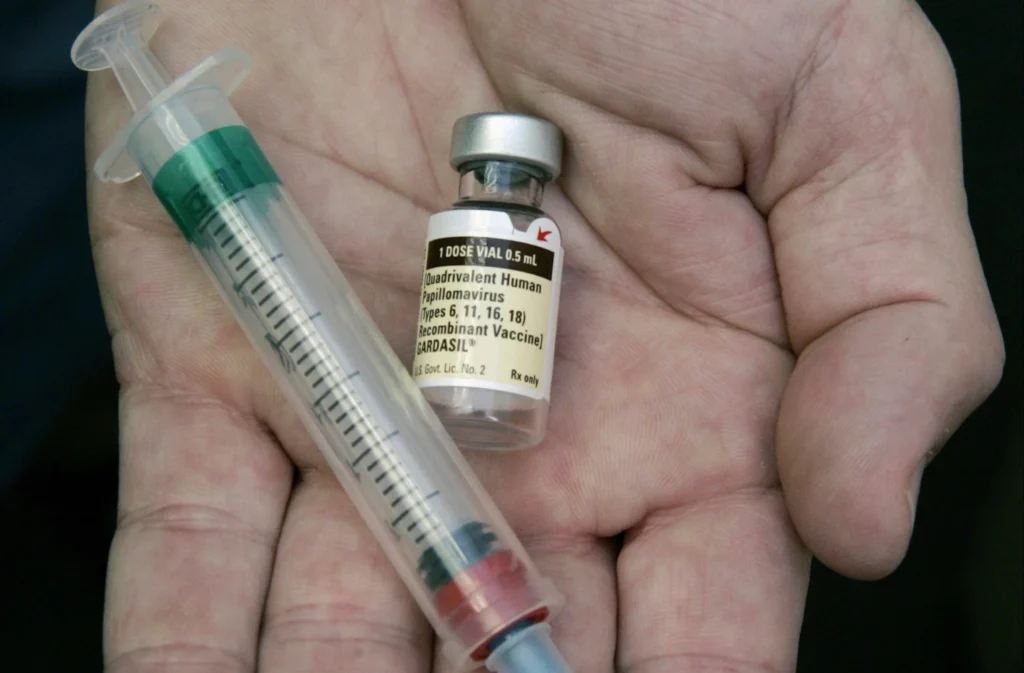
Doctors say that if the administration has new evidence, it should be shared transparently. Without data, they refuse to change their recommendations. They stress that decades of research show that multiple childhood vaccines are safe and vital for preventing deadly diseases.
Parents Caught in the Middle
Officials defend recent policy shifts as efforts to give parents more choice. They argue that families can choose newborn hepatitis B vaccination later. Yet physicians point out that parents already have choice. Pediatricians guide decisions based on each child’s health history, while federal recommendations serve as national standards.
The real problem, doctors say, is that most physicians don’t have the time or resources to conduct their own vaccine research. They depend on expert panels to analyze data and translate it into practical guidance. When those panels become inconsistent, pediatricians must fill the gap with their own guidelines. It is a huge task, but one they believe is necessary.
Moving Forward With Reliable Information
Medical groups urge parents to ask questions and seek honest conversations with their doctors. They want families to feel empowered rather than frightened. The goal is to maintain trust during a time of uncertainty. As the vaccine guidance conflict continues, doctors emphasize that evidence, not politics, must guide the decisions that protect children.





Leave a Reply