



The defense bill advances major changes to U.S. military policy while boosting pay, reshaping weapons purchasing and increasing congressional oversight. It reflects rising tension between Congress and the Trump administration and sets the stage for significant shifts in national defense strategy.
Pay Raises and Base Improvements
The House approved the $900 billion legislation with strong bipartisan support. It includes a 3.8% pay raise for many troops. It also upgrades housing, facilities and other critical infrastructure on bases. Lawmakers argue these improvements help strengthen readiness and morale. They also say the bill aligns national security priorities with the needs of service members and their families.
Overhauling Weapons Acquisition
A major goal of the bill is speeding up the Pentagon’s acquisition process. Lawmakers across parties say the defense industry has delayed key systems for years. They believe faster purchasing supports a stronger, more responsive military. Defense Secretary Pete Hegseth considers this reform a top priority. Rep. Adam Smith called the overhaul the boldest attempt at fixing these systems in years, while noting it does not go as far as Democrats had hoped in checking the administration’s authority.

Rising Friction With the Administration
Congress and the Trump administration increasingly disagree on military management. Lawmakers inserted measures requiring more transparency, including disclosures on boat strikes in the Caribbean. They also demanded congressional review of orders behind recent operations. Smith said the Pentagon under Hegseth and Trump shows limited accountability. Supporters of the reforms believe stronger oversight protects both service members and U.S. interests.
Military Airspace Concerns
The bill sparked criticism for failing to address military flights over Washington. Senators from both parties pushed for restrictions after a deadly midair collision involving an Army helicopter and a jetliner. Families of the victims and the National Transportation Safety Board also opposed the lack of reform, warning that the airspace remains unsafe.
Boat Strike Footage and Oversight Measures
Lawmakers used the bill to force transparency on recent boat strikes near Venezuela. They cut Hegseth’s travel budget until the Pentagon releases unedited videos. They also required Congress to review related military orders. These measures reflect rising congressional concern about the administration’s handling of high-risk operations.
Support for Europe and Korea
The legislation reaffirms U.S. commitments abroad. It requires at least 76,000 troops to remain stationed in Europe unless NATO partners are consulted and the change benefits U.S. interests. It also authorizes $400 million in weapons manufacturing for Ukraine in each of the next two years. Lawmakers kept a minimum of 28,500 troops in South Korea to support regional stability and deter aggression.
Cuts to Climate and Diversity Programs
The bill reduces climate-related spending by $1.6 billion. It also eliminates diversity, equity and inclusion offices and training programs, saving an estimated $40 million. Committee members said these moves align with the administration’s priorities. Critics argue the cuts weaken efforts to address climate-driven risks and reduce military representation.
Repealing Iraq War Authorization
The bill repeals the 2002 authorization for the Iraq War. Supporters say this step closes a long chapter in U.S. foreign policy and prevents future misuse of outdated war powers. They note that the authorization played a role in the legal justification for the 2020 drone strike that killed Iranian General Qassim Suleimani.
Ending Syria Sanctions
A provision permanently lifts sanctions on Syria that were imposed in 2019. Supporters argue that long-term economic rebuilding requires businesses to feel secure from future penalties. They say the repeal encourages investment as Syria works to recover from years of conflict.
IVF Coverage Removed
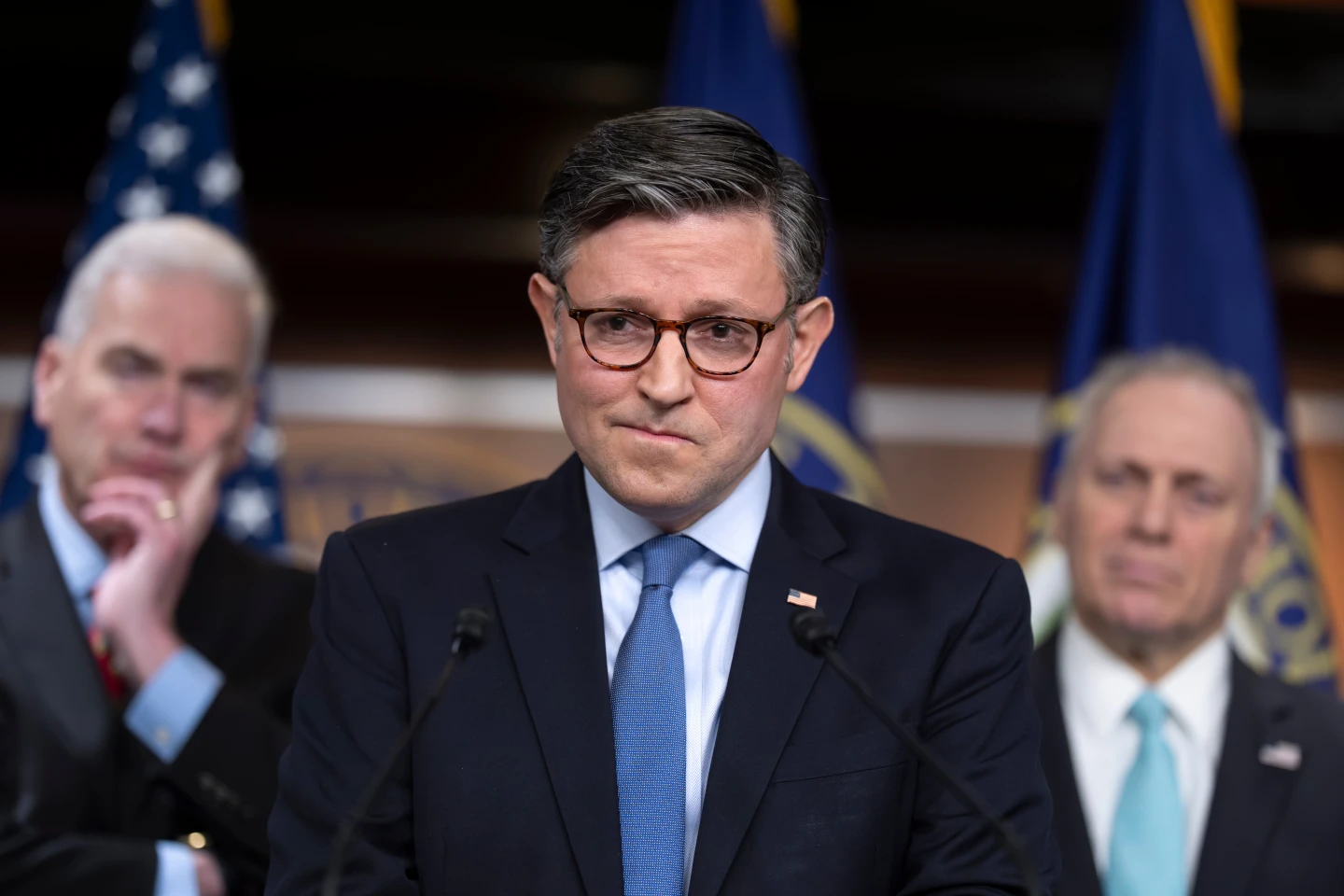
Democrats objected to House Speaker Mike Johnson’s removal of a provision expanding IVF coverage for active-duty service members. The earlier version supported infertility treatment. Its removal sparked renewed debate about military family benefits and reproductive health access.




Leave a Reply