


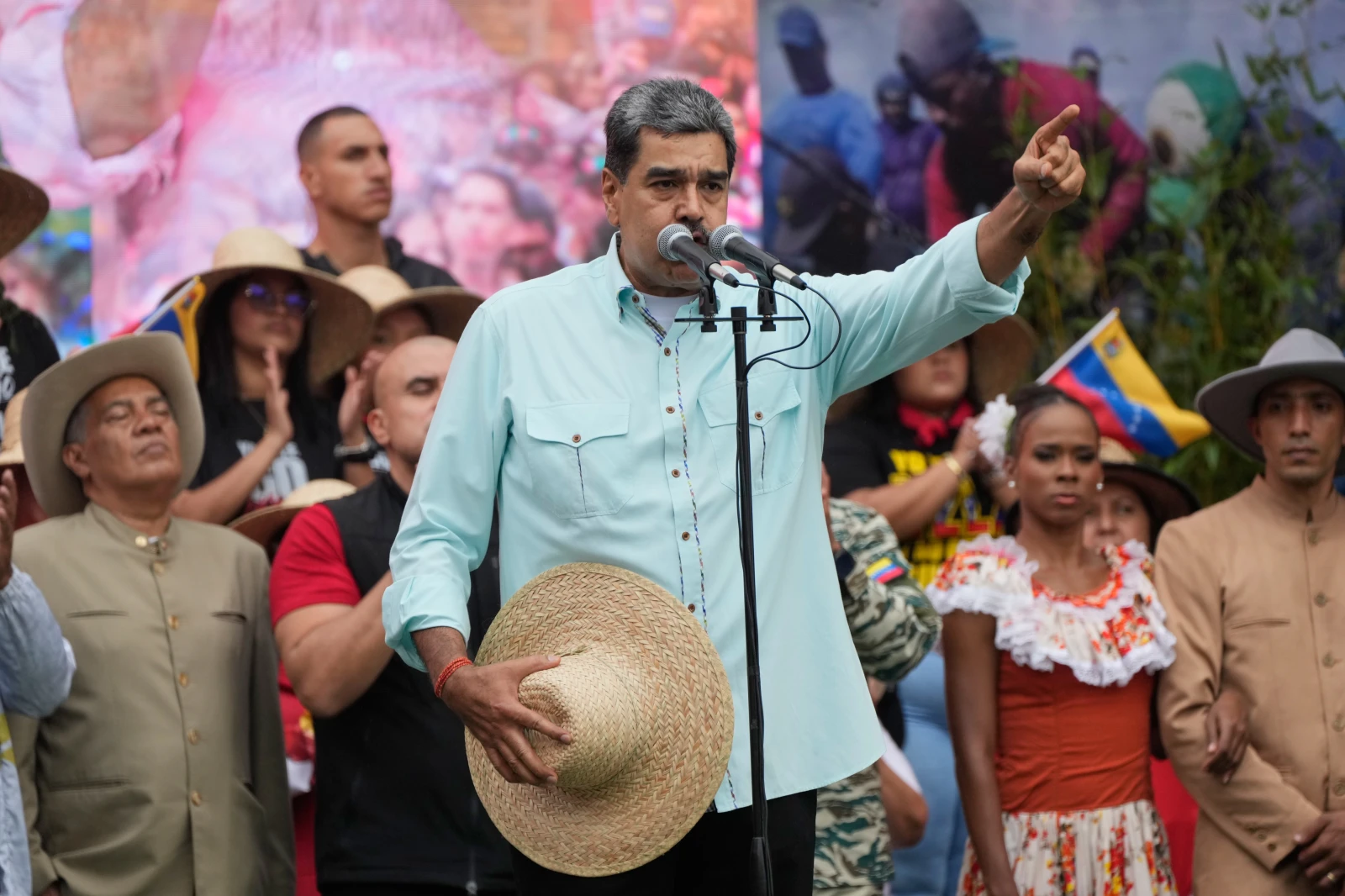
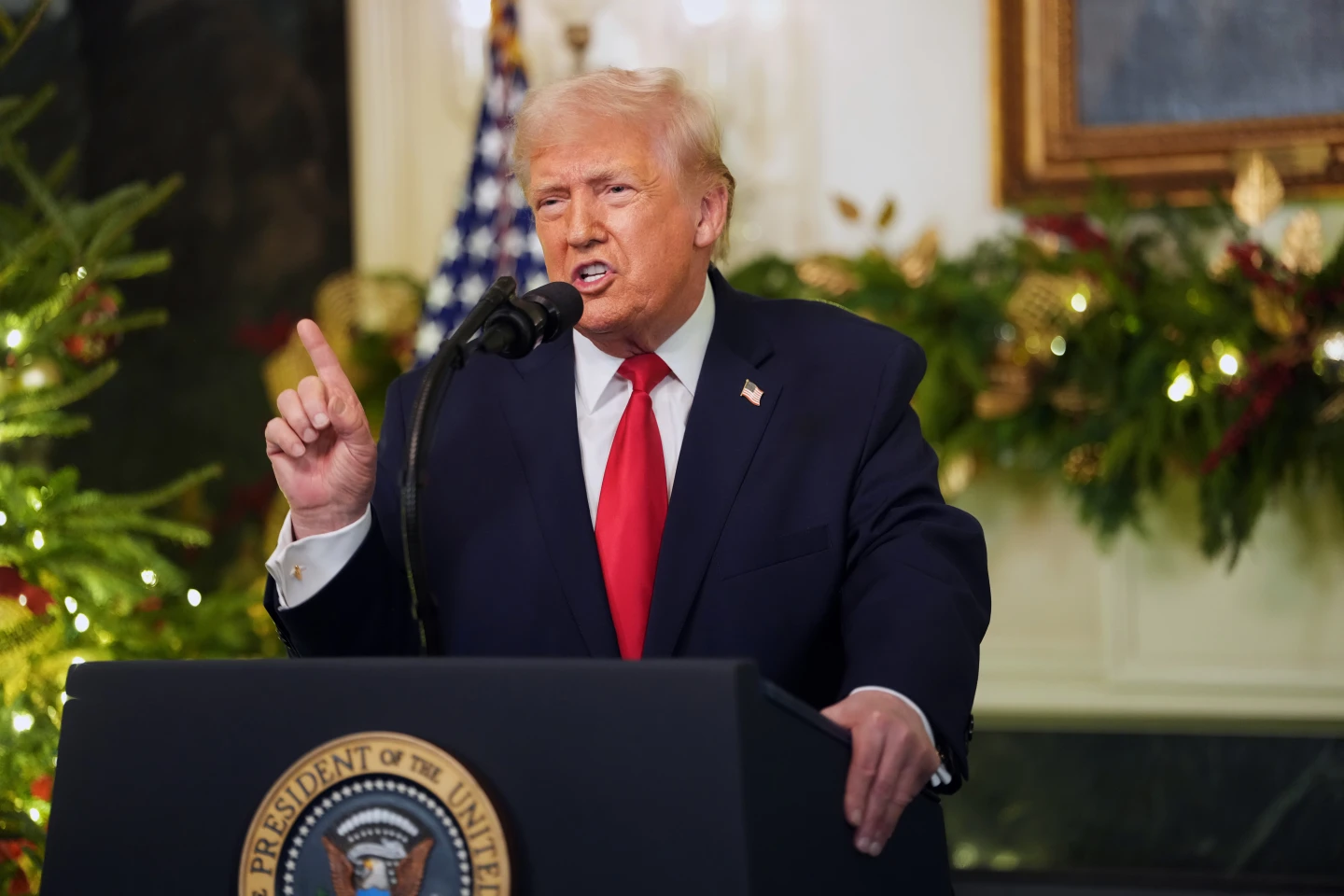
The oil tanker seizure near Venezuela has intensified a long-brewing standoff between the United States and President Nicolás Maduro’s government. President Donald Trump confirmed the move as part of a wider campaign targeting Venezuela’s sanctioned oil industry and alleged narcoterrorism ties.
A Rare and Forceful Operation
Trump announced that U.S. forces had taken control of a large tanker off the Venezuelan coast. He did not share operational details but said the nation would keep the cargo. The U.S. Coast Guard, backed by the Navy, carried out the mission under law enforcement authority. Officials said the action represents one of the most aggressive maritime seizures in years.
The Coast Guard deployed from the USS Gerald R. Ford. Video shared by Attorney General Pam Bondi showed teams fast-roping onto the ship from a helicopter hovering close to the deck. Armed personnel moved through the superstructure as part of the operation. Bondi said the tanker had been sanctioned for years due to its role in an illicit oil network that supported foreign terrorist groups.
Venezuela Condemns the Action
Venezuelan officials called the seizure an act of piracy. They argued that the United States aims to exploit the country’s oil wealth. Their statement accused Washington of revealing its true motive: controlling Venezuela’s natural resources. Maduro avoided directly addressing the incident during a rally but warned supporters that the country remained ready to defend itself against U.S. aggression.
The Skipper and Its Shadowy Network
A U.S. official identified the vessel as the Skipper, formerly known as the M/T Adisa. Documents from PDVSA indicated that the tanker left port on Dec. 2 with about 2 million barrels of heavy crude. Roughly half of the shipment belonged to a Cuban state-run importer. The Adisa was sanctioned in 2022 for operating within a covert shipping network linked to Iran’s Revolutionary Guard and Hezbollah.
The network reportedly relied on shell companies and ghost tankers that hid their locations and exchanged cargoes at sea. These tactics became more common after the first Trump administration expanded sanctions in 2020, making it risky for companies to deal openly with the Maduro government.
Impact on Venezuela’s Oil Economy
Venezuela holds the world’s largest proven oil reserves and produces about 1 million barrels per day. Its economy depends heavily on PDVSA. Sanctions pushed the company into dependence on intermediaries, while allies including Russia and Iran helped skirt restrictions. The seizure of the Skipper deals another blow to an already strained oil industry. Naval historian Vincent P. O’Hara called the operation unusual and provocative. He warned that it could discourage ships from approaching Venezuela’s coastline, harming the nation’s economic lifeline.
Growing Scrutiny of U.S. Military Actions
The tanker operation comes amid mounting concern over the administration’s broader campaign in the Caribbean. The U.S. military has conducted at least 22 deadly strikes on suspected drug-smuggling vessels since early September. These strikes killed at least 87 people. Critics say the missions may violate laws governing the use of force. Lawmakers are demanding access to unedited footage, but Defense Secretary Pete Hegseth has not yet agreed to release it.
Sen. Chris Van Hollen argued that the tanker seizure undermines the stated purpose of the U.S. buildup. He said the administration’s explanation that operations focus solely on drug interdiction is untrue. According to him, the seizure reinforces concerns that the campaign aims to force regime change in Venezuela.
Rising Tensions in the Region
The seizure followed a show of force in which two U.S. fighter jets flew over the Gulf of Venezuela. Trump has hinted that land operations may come soon but has provided no details. The combination of air operations, maritime seizures and expanded naval presence has raised fears of further escalation.
As pressure mounts from Congress and critics challenge the legality of recent strikes, the administration faces increasing demands for transparency. The Coast Guard directed questions about the tanker seizure to the White House, signaling that more information may emerge as the situation develops.

Leave a Reply