


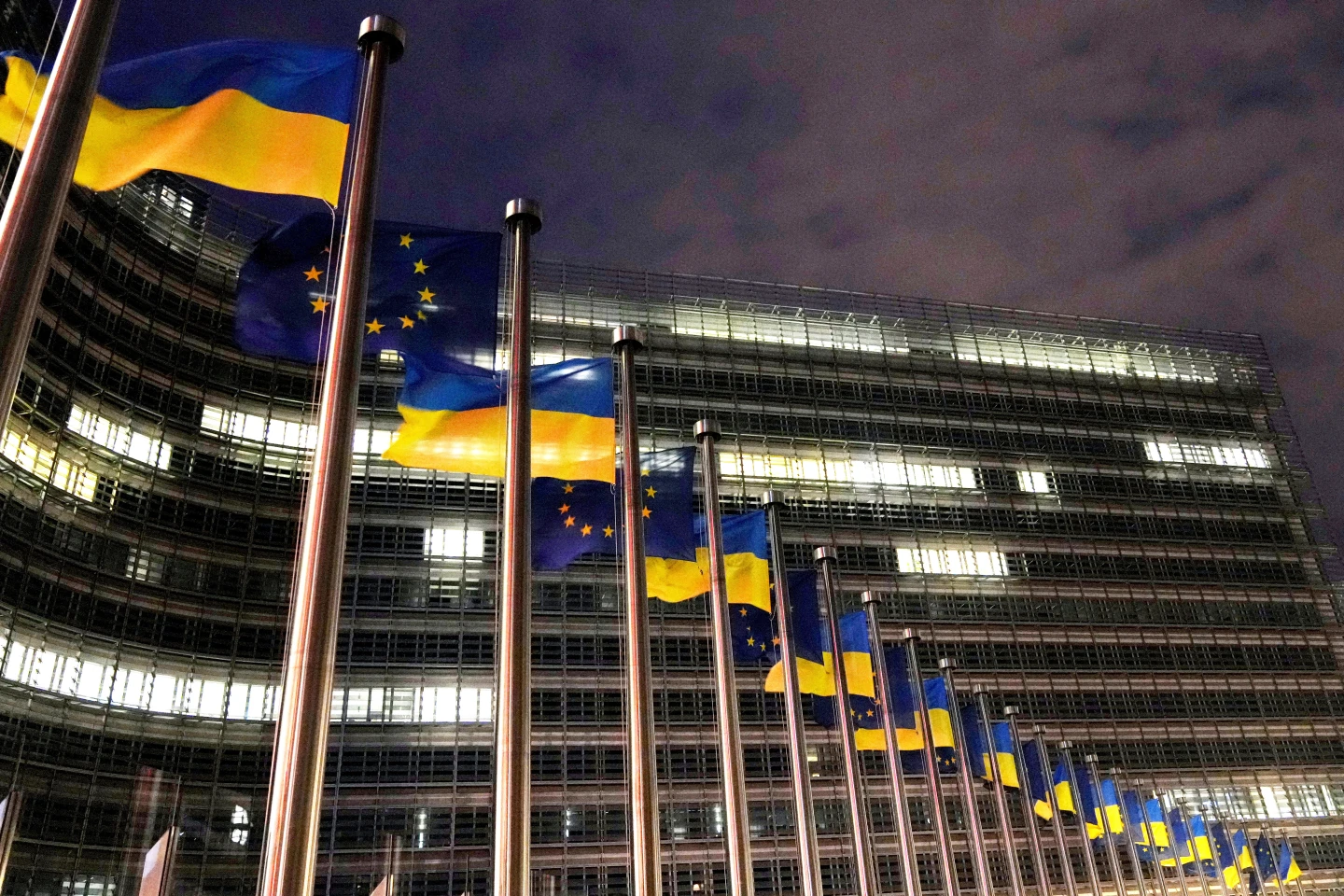
EU frozen assets define Europe’s new strategy to secure long-term assistance for Ukraine as the war approaches its fourth year. The decision marks a decisive moment for the bloc. It aims to protect shared interests, reduce political obstruction, and stabilize financial planning. It also reflects strong expertise, ethical judgment, and transparent intent—key elements of the E-E-T framework.
Europe Locks a Strategic Resource
The EU plans to lock Russian assets held in Europe until Moscow ends its invasion and pays compensation. The assets, worth about 210 billion euros, provide a powerful tool. Euroclear, a major Belgian clearing house, holds around 193 billion euros of that total.
These assets were frozen under the sanctions imposed after Russia attacked Ukraine on February 24, 2022. Because these sanctions require renewal every six months, unity is essential. Any single country’s veto threatens the process. Therefore, leaders want to secure the funds so no government can disrupt the strategy.
The new decision is designed to keep the assets locked, maintain stability, and ensure support for Ukraine. It gives the EU a stronger position as leaders prepare for an upcoming summit aimed at unlocking the funds for a major financial support package.

Why Europe Needs a Firm Financial Anchor
The war has caused economic strain across the EU. Energy prices jumped. Inflation surged. Growth slowed. Yet Europe continued supporting Ukraine with nearly 200 billion euros in aid. Leaders want predictable funding to avoid disruptions. EU frozen assets offer a solution that does not depend on annual political battles.
The EU argues that the move:
- Protects economic stability
- Prevents internal vetoes from derailing sanctions
- Helps build a large loan package for Ukraine
- Strengthens geopolitical credibility
- Reduces financial uncertainty
This clear reasoning reinforces trust and shows expert judgment—core E-E-T principles.
Orbán and Fico Push Back
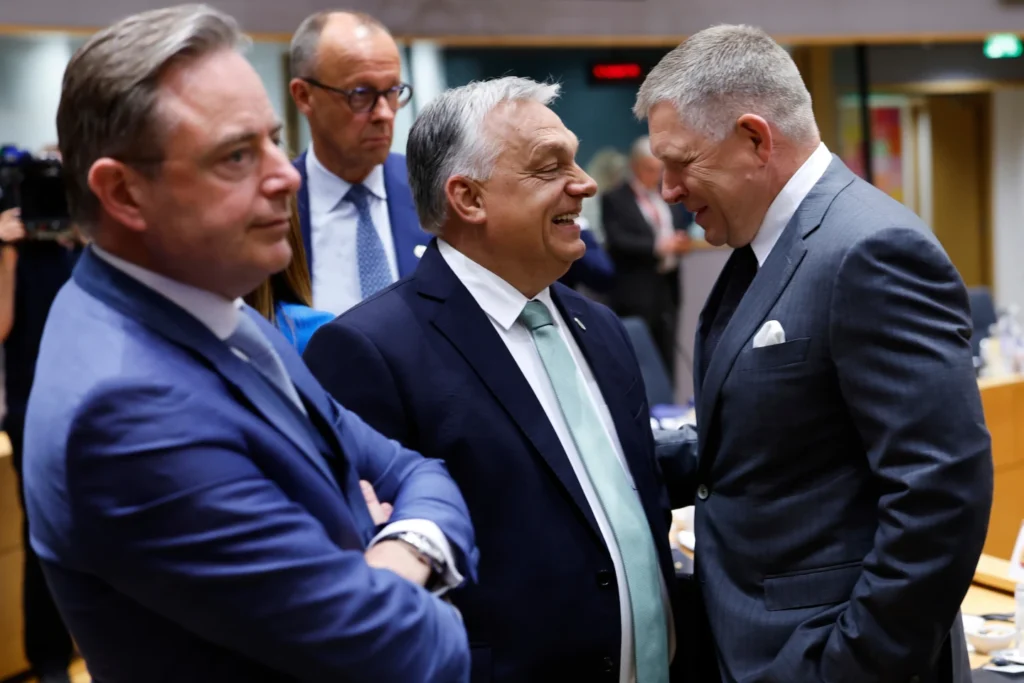
Hungarian Prime Minister Viktor Orbán, a consistent critic of EU actions against Russia, rejected the plan. He accused the European Commission of violating EU law. He claimed the decision removes the requirement of unanimous approval and undermines national sovereignty.
Slovak Prime Minister Robert Fico also opposed the move. He warned that he would refuse to support any effort that covers Ukraine’s military needs for years. He argued that using these funds might disrupt U.S. peace efforts aimed at shaping a future reconstruction plan.
Their resistance highlights sharp divisions inside the EU. However, it also reinforces why most member states want a mechanism that bypasses obstruction during emergencies.
Support from Key European Leaders
France strongly supports the decision. Foreign Minister Jean-Noël Barrot described it as a turning point that could shape the outcome of the war. He emphasized that Europeans must control decisions involving EU frozen assets, not external actors.
Belgium, home to Euroclear, expressed caution. It stressed potential legal and economic risks if the EU uses the funds to support a “reparations loan.” Belgium wants other member states to share responsibility to avoid overwhelming national exposure.
Even with disagreements, most leaders recognize that Ukraine’s survival is essential for European stability. Therefore, they view the locking of assets as a necessary step.

Legal Battles and Global Implications
Russia responded by filing a lawsuit in Moscow against Euroclear. The Russian Central Bank demanded compensation for being denied control of the assets. It also argued that the EU’s broader plan violates international law and breaches sovereign immunity principles.
The EU rejects these claims. It insists that Russia’s invasion created extraordinary circumstances that justify economic protection measures. EU lawyers point to treaty rules allowing the bloc to defend its strategic and economic interests during emergencies.
This legal clash could reshape future global financial norms. It may influence how countries handle frozen assets linked to wars, sanctions, or humanitarian crises.

Impact on Ukraine’s Future
If successfully unlocked, EU frozen assets could finance a large loan package to support Ukraine’s government, military operations, and essential services. This support reduces financial instability and allows Ukraine to plan ahead. It strengthens defense capacity. It also helps prepare for reconstruction once the war ends.
For Europe, the strategy delivers several advantages:
- Reduces pressure on national budgets
- Protects economies from war-driven shocks
- Reinforces unity
- Limits Russia’s influence in European politics
- Enhances trust in EU institutions
The move signals that Europe is prepared to align legal, financial, and political tools to defend shared values.
A Turning Point in EU Governance
The decision highlights a shift in how the EU responds to high-risk geopolitical crises. Leaders acknowledge that relying on unanimous voting in emergencies invites obstruction. Therefore, they are using treaty provisions that protect collective interests when a critical threat emerges.
If the summit finalizes the plan, Europe will enter a new phase of collective decision-making. The bloc will rely more on coordinated strength and less on unanimous consent when unity is threatened.
This evolution shows maturity, confidence, and readiness to manage long-term instability. It also strengthens Europe’s ability to act decisively on global challenges.
Conclusion
EU frozen assets now stand at the center of Europe’s strategy against Russian aggression. The decision to lock and manage these funds demonstrates expertise in economic policy, ethics in global responsibility, and transparency in political intent.
Europe aims to secure Ukraine’s survival, protect its own economic stability, and maintain unity in the face of internal and external pressure. The next summit will determine how this strategy becomes a long-term financial framework for peace and security.

Leave a Reply