


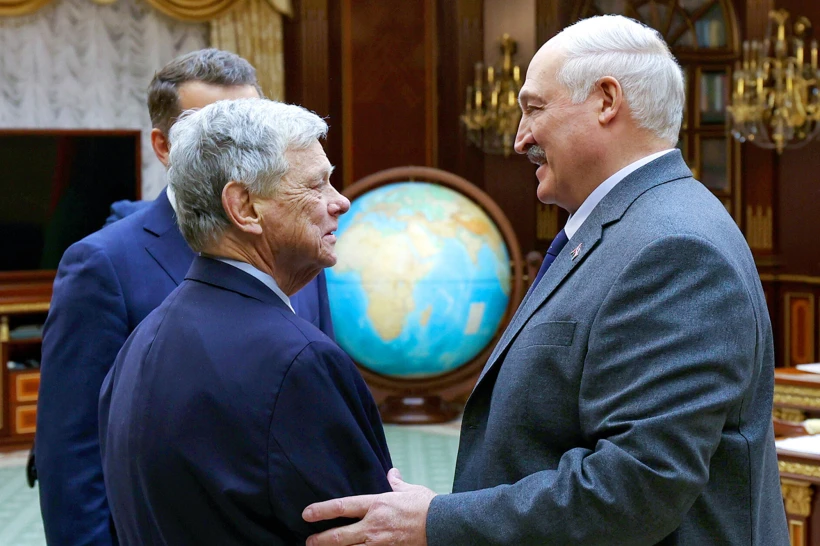
Belarus Prisoners Ales Bialiatski and Maria Kolesnikova were released from jail on Saturday, a human rights advocate confirmed. The move comes as President Alexander Lukashenko seeks to improve relations with Washington. In return for easing sanctions, Lukashenko pardoned 123 prisoners, according to the Belta state news agency.
The U.S. lifted sanctions on Belarus’ potash sector, signaling a step toward normalizing relations. John Coale, U.S. special envoy for Belarus, described two-day talks with Lukashenko as “very productive” and said the countries are moving from “baby steps to more confident steps.”
Background on Belarus and Sanctions
Belarus, a close ally of Russia, has faced years of Western isolation. Lukashenko has ruled the 9.5-million-strong nation for over three decades. Sanctions targeted Belarus for human rights violations and allowing Russian forces to use its territory during the 2022 invasion of Ukraine. Hundreds of prisoners have been released since July 2024 as part of diplomatic efforts.
Profiles of Bialiatski and Kolesnikova
Ales Bialiatski, 63, is a Nobel Peace Prize laureate and founder of Viasna, Belarus’ oldest human rights organization. He was jailed in 2023 on charges widely viewed as politically motivated, including smuggling and financing actions against public order. His health reportedly deteriorated during his imprisonment, as he battled multiple chronic illnesses.
Maria Kolesnikova, 43, is a prominent opposition figure and key player in the 2020 mass protests. She was sentenced to 11 years in prison for conspiracy and attempts to seize power. Kolesnikova became a symbol of resistance when she tore up her passport at the Ukrainian border in 2020, refusing forced deportation. She also faced serious health issues while in custody.
Diplomatic Context
The prisoner release is part of broader diplomacy between Minsk and Washington. During the latest talks, Coale emphasized ongoing dialogue and the goal of normalizing ties. The U.S. easing of sanctions on potash follows a similar September 2025 arrangement, when Belarus freed over 50 political prisoners.
Analysts note that Belarus relies heavily on potash exports. Sanctions had sharply reduced shipments and cut foreign exchange revenue. Anastasiya Luzgina of BEROC explained that lifting U.S. sanctions could start discussions for easing European sanctions, which remain stricter.
Reactions and Warnings
Opposition leader Sviatlana Tsikhanouskaya welcomed the release but urged caution. She noted that Lukashenko’s policies have not changed and the crackdown on dissent continues. She also emphasized that sanctions relief should not reinforce Russia’s war efforts in Ukraine.
Human rights advocates praised Bialiatski’s and Kolesnikova’s freedom. Bialiatski had been a high-profile prisoner, awarded the Nobel Peace Prize in 2022 while jailed. Kolesnikova’s courage during the 2020 protests made her a symbol of resistance against authoritarian rule.
Strategic Implications
The talks also included discussions on Venezuela and Russia’s invasion of Ukraine. Coale reported that Lukashenko offered advice on the Ukraine conflict, given his close ties to Vladimir Putin. Analysts view the prisoner release as both a diplomatic gesture and a signal of Belarus’ desire to ease economic pressures caused by sanctions.
The U.S. and Belarus appear committed to continued dialogue. Experts suggest that while the release of Belarus Prisoners is significant, systemic reforms and continued monitoring will be needed to ensure lasting change.
Moving Forward
The release of Bialiatski and Kolesnikova marks a notable shift in Belarus’ political landscape. While it may signal improved U.S.-Belarus relations, observers caution that Lukashenko’s authoritarian policies remain. The event highlights the delicate balance of diplomacy, sanctions, and human rights in Eastern Europe.

Leave a Reply