


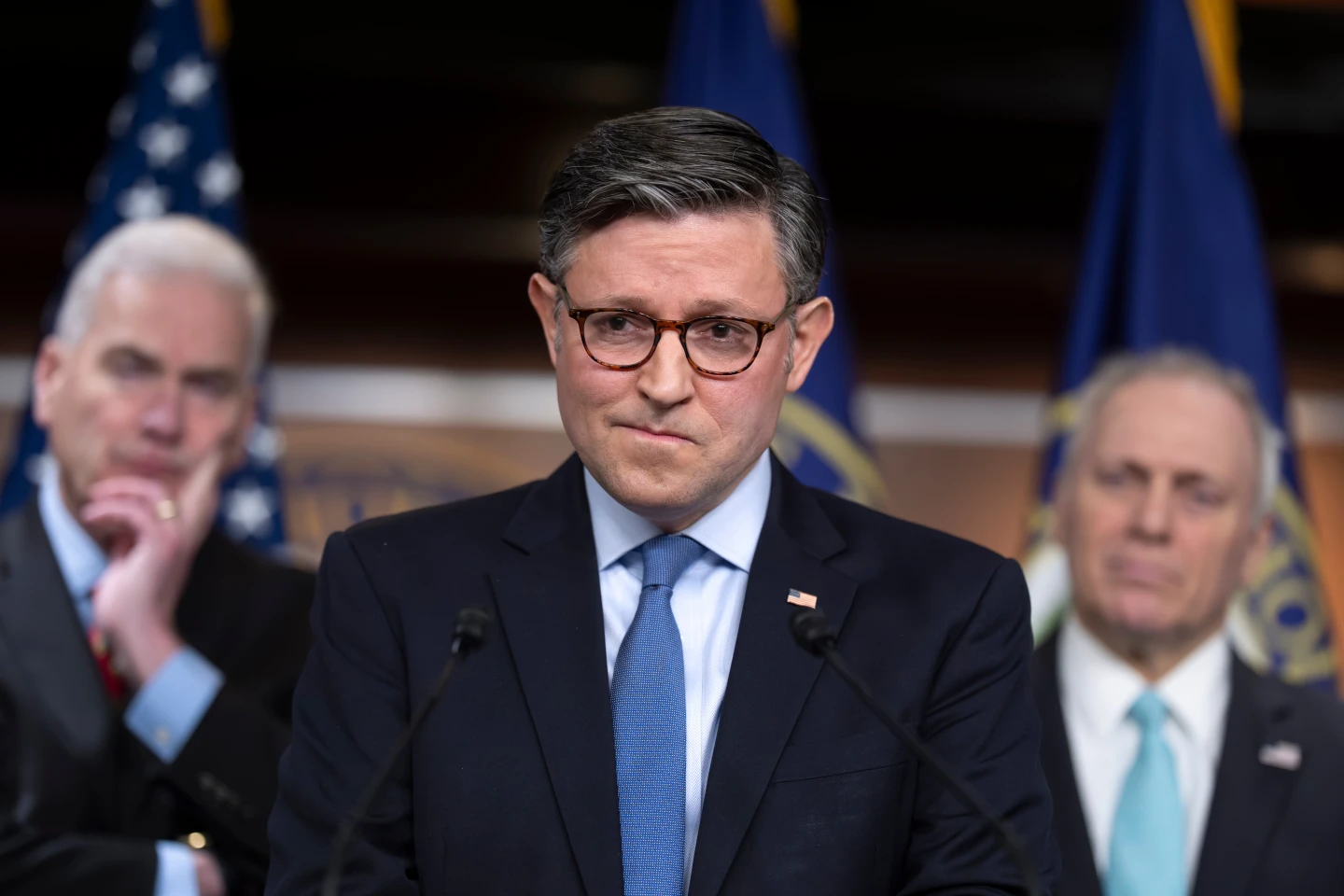
ACA subsidies now sit at the center of a tense and unexpected political showdown in Washington. Speaker Mike Johnson hoped to move away from extending the federal health care assistance that helps millions afford coverage. However, his own conference changed the script. Moderate Republicans revolted and reshaped the debate. Therefore, a planned pause became a dramatic escalation. The shift shows how policy, politics, and public pressure constantly collide on Capitol Hill.
How Moderates Forced the Issue
A small group of House Republicans broke ranks and joined Democrats on a discharge petition. As a result, the House must now vote on extending ACA subsidies early next year. Party leaders cannot block the vote. This development shocked many observers. It also demonstrated how vulnerable leadership becomes when the majority is razor thin. Moderates from competitive districts face intense pressure at home. Their constituents fear higher premiums and shrinking access to affordable coverage. Consequently, they refused to wait.
Democratic Strategy Pays Off
Democrats spent months building toward this moment. They framed the expiration of ACA subsidies as a real-life financial crisis for families. Moreover, they argued that delaying action would raise premiums dramatically. House Democratic Leader Hakeem Jeffries pushed relentlessly for a three-year extension. He rejected shorter deals and demanded a clear commitment. Eventually, Republican moderates aligned closer with his position than with their own leadership. This outcome strengthened Democratic leverage while exposing GOP divisions.
Republican Leadership Faces Internal Strain
Speaker Johnson argued that Republicans wanted to help every American, not only those enrolled in Affordable Care Act plans. He promoted an alternative package focused on broader reforms, small-business options, and limits on pharmacy benefit managers. Still, that message did not calm moderate fears. Many Republicans warned that voters would punish them if premiums spiked. Furthermore, party unity continued to fracture as lawmakers worried about upcoming elections. Leadership urged patience, yet frustration kept growing.
The Senate Becomes the Next Battleground
Even if the House approves an extension, the fight will shift to the Senate. Some senators strongly oppose a three-year extension and call the program flawed. Others, however, support negotiation and compromise. A bipartisan group has already explored middle-ground solutions. Nevertheless, they will not move before January. The Senate will weigh cost concerns, voter anxiety, and political risk. Therefore, the chamber must balance ideology with practicality.
White House Watches While Pressure Mounts
The White House has engaged in conversations but has mostly allowed Republicans to wrestle with internal disagreement. Strategists recognize that political tension benefits Democrats. Rising health costs create urgency. Meanwhile, voters expect action rather than partisan stalling. Every decision shapes both household budgets and national campaign narratives. Trust, clarity, and honesty matter as leaders argue over policy direction.
The Human Stakes Behind the Politics
Policy debates often sound abstract. Yet this one directly affects families, small businesses, and communities. Many Americans face the possibility of dramatic premium increases. Others risk losing coverage entirely. Consequently, lawmakers confront not only political pressure but moral responsibility. Experience, transparency, and credible information help citizens understand what is truly at stake. Ethical leadership requires acknowledging both fiscal limits and human impact.
Strategy, Power, and Uncertainty Ahead
Speaker Johnson now enters a critical stretch. The holiday recess gives him time to persuade moderates to retreat. However, each passing day strengthens Democratic momentum. Moderates argue that voters deserve a recorded vote. They want accountability and sunlight. At the same time, Republicans fear campaign attacks if they block relief. Therefore, every choice carries consequences for governance and reelection.
What This Moment Reveals
This clash highlights more than one health policy disagreement. It exposes tension between ideological purity and political survival. It shows how slim majorities weaken leadership authority. It also proves that voter pressure still shapes Washington. ACA subsidies remain a policy tool, but they are also a powerful political symbol. Ultimately, the coming vote will signal how Congress prioritizes public cost relief, party control, and constitutional responsibility. With integrity, experience, and trust-focused leadership, lawmakers can still reach solutions that protect both fiscal discipline and public well-being.


Leave a Reply