



Asia offshore wind is gaining global attention as Southeast Asia accelerates clean energy development. The region sees strong momentum while the U.S. retreats from offshore wind projects. This shift creates new opportunities. Nations with long coastlines and heavy energy demand now see wind power as a crucial solution. Moreover, the region’s natural geography strengthens its advantage. Investors and developers recognize the promise. Thus, Southeast Asia steps confidently into a strategic leadership role in the global wind sector.
Global Wind Industry Turns Toward Asia
The global wind industry faces dramatic change. The United States scaled back support under President Donald Trump, disrupting billions in planned offshore projects. Construction halts and canceled permits shook investor confidence. Because of this turmoil, attention quickly shifted abroad. Investors want stable policies and long-term clarity. Therefore, emerging markets with strong wind resources attract capital. Asia benefits most. Although challenges remain, robust interest proves the region’s rising importance.
Southeast Asia Becomes a Bright Spot
Southeast Asia’s geography makes it ideal for modern offshore wind farms. Archipelagos, deep coastal waters, and consistent ocean winds form natural advantages. Energy demand continues climbing as populations grow. Governments understand this trend. They seek cleaner power sources to support long-term growth. Therefore, nations like the Philippines and Vietnam advance policies faster than many expected. Their progress inspires confidence and encourages broader regional action.
Rebecca Williams of the Global Wind Energy Council calls Asia “a beacon of hope.” Her words reflect industry sentiment. While some markets stall, Southeast Asia accelerates.
Why Offshore Wind Matters
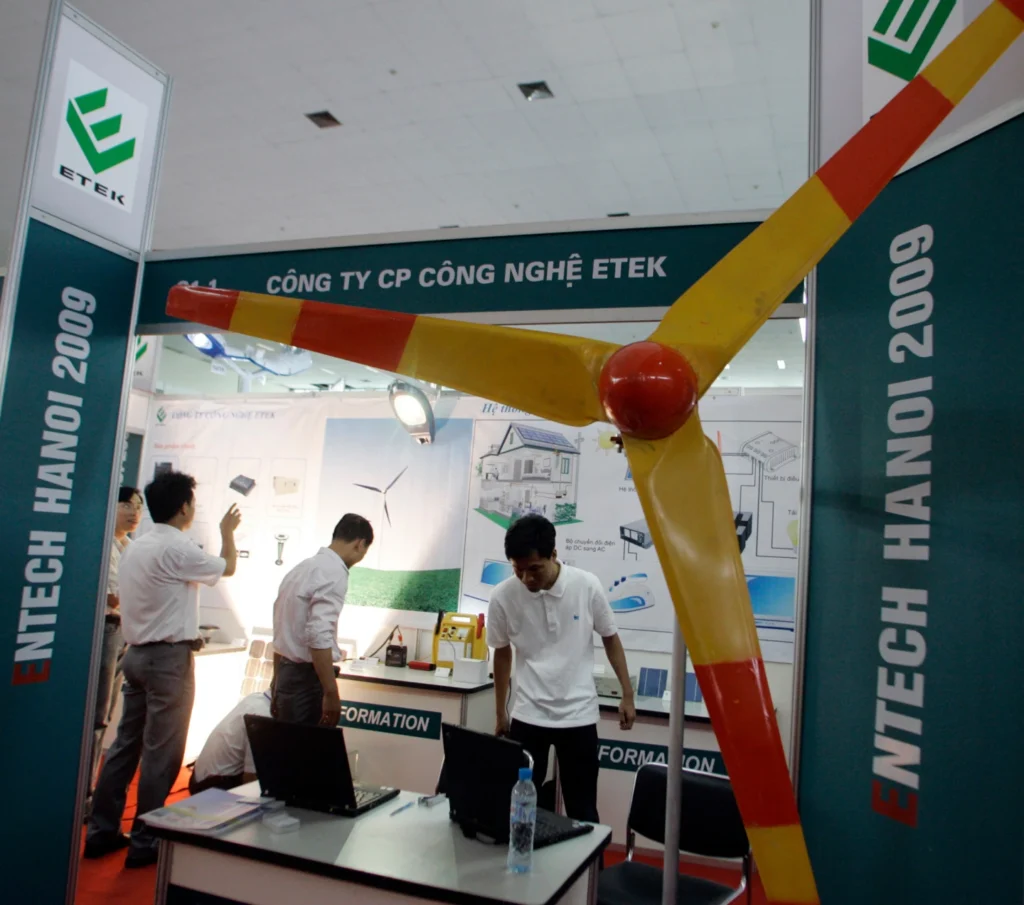
Offshore wind plays a key role in climate strategies. Stronger and steadier winds at sea generate reliable and clean electricity. The International Energy Agency says offshore wind will grow rapidly worldwide. Asia needs this growth. The region remains heavily dependent on fossil fuels. Because wind generates just 7% of Asia-Pacific electricity, the potential remains enormous. The opportunity for transformation is clear. As the world warms, clean energy deployment becomes urgent.
Shift in Global Investment
With U.S. policies reversing, developers seek new markets. China leads global installations and manufactures most of the world’s turbines. It now supports Southeast Asia with technology and engineering expertise. Meanwhile, emerging economies invest in renewable infrastructure. Countries that once lagged now step forward. This recalibration creates a pivotal moment. Since governments show growing commitment, investors feel more secure.
Untapped Potential Across the Region
Asia hosts half of the world’s population, and regional electricity demand climbs rapidly. Yet ASEAN’s 11 member states have no installed offshore wind capacity. This gap represents enormous opportunity. Analysts highlight how quickly momentum can build when governments adopt clear frameworks. Singapore, for instance, plans three years of wind energy conferences to attract investment and strengthen its role as a regional hub. The region could become a model for developing economies seeking alternatives to fossil fuels.
Amisha Patel of the Global Offshore Wind Alliance notes that Southeast Asia rises as the U.S. retreats. Her assessment underscores the global shift toward Asia offshore wind development.
Philippines Moves First
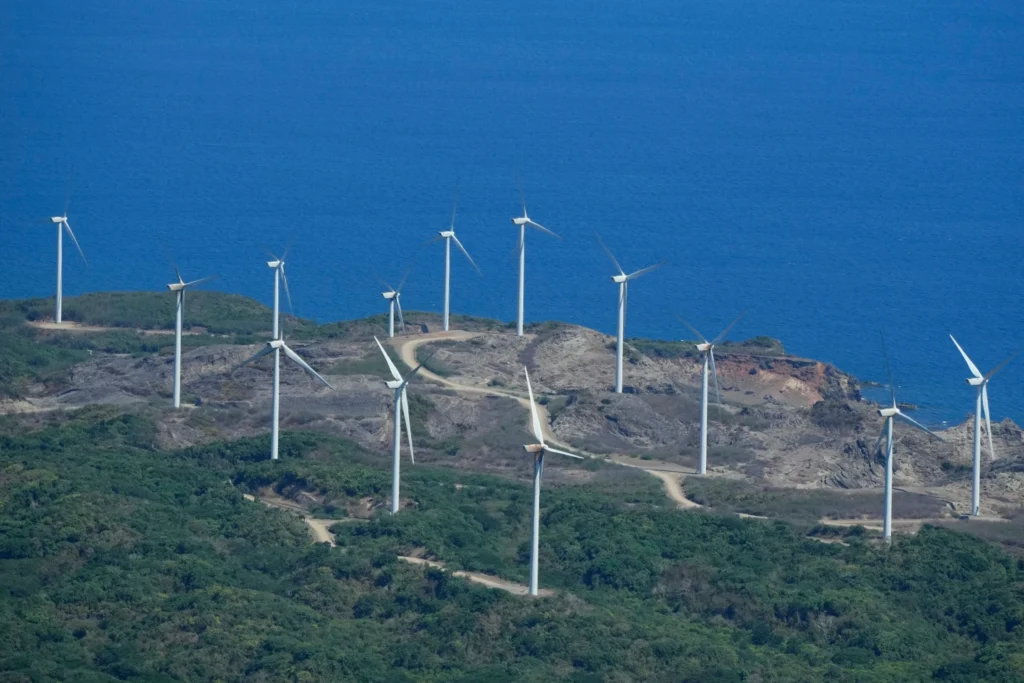
The Philippines stands out as an early leader. In November, it held a major auction allowing companies to compete for rights to build 3.3 gigawatts of offshore wind farms. Energy Secretary Sharon Garin emphasized that the country moved from “potential to reality.” The government now has clear rules for grid connections and port logistics. These details matter because they reduce investor uncertainty.
Local firm ACEN partnered with Denmark’s Copenhagen Infrastructure Partners to co-develop the nation’s first large-scale project. Their goal targets up to 1 gigawatt in Camarines Sur. This partnership signals growing confidence from international developers.
Vietnam Revives Its Offshore Ambitions
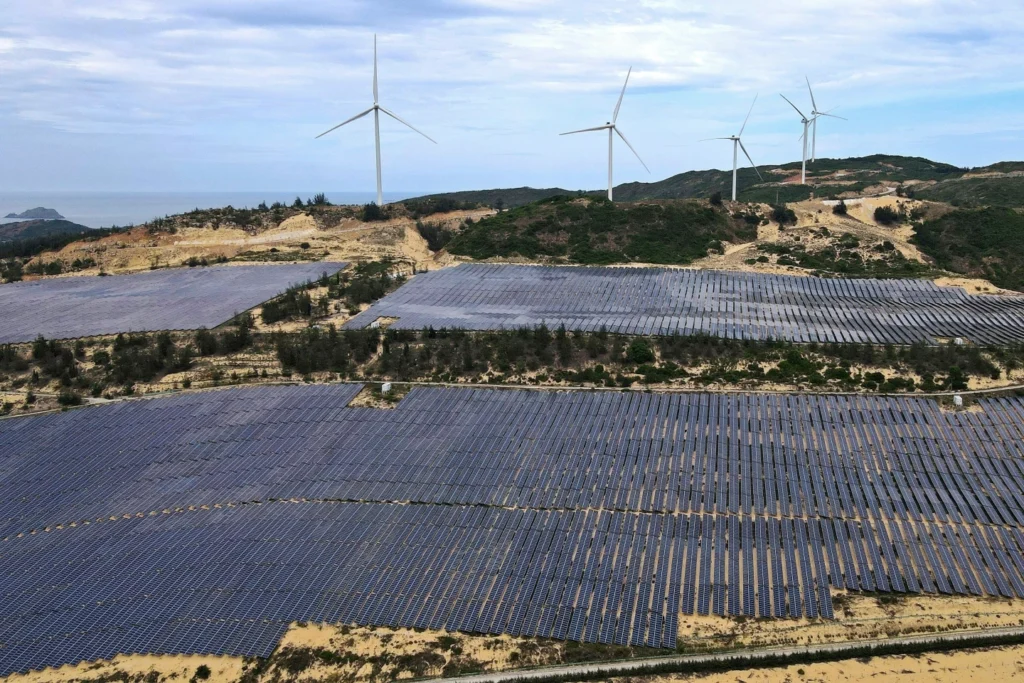
Vietnam also reenters the race. After years of delays, the government issued new rules and revised its national power plan. It now targets up to 17 gigawatts of offshore wind by 2035. Officials speed up marine zoning and streamline permitting. These actions rebuild investor trust.
Norway’s Equinor previously withdrew due to regulatory uncertainty. Now, however, confidence is returning. Copenhagen Infrastructure Partners collaborates with PetroVietnam on new projects, while Germany’s PNE AG plans a massive 2-gigawatt farm. Vietnam also explores regional energy trade. It agreed to transmit power to Singapore and Malaysia, demonstrating broader ambition.
China Strengthens Its Role
China remains an influential force in the region. Through state-owned enterprises, it offers turbines, technical expertise, and construction support. It recently completed Vietnam’s Binh Dai offshore wind project. In the Philippines, Chinese manufacturer Mingyang Smart Energy explores a 2-gigawatt development in Northern Luzon. These moves show China’s expanding reach within Asia offshore wind growth.
Challenges From Extreme Weather
The Philippines and Vietnam face frequent typhoons, which complicate offshore projects. However, disaster-resilient turbine technology continues evolving. Engineers design foundations, blades, and towers to withstand extreme conditions. Copenhagen Infrastructure Partners notes that each project must adapt to local environments. This flexibility ensures durability. With proper planning, offshore wind remains viable even in storm-prone regions.
Conclusion
Southeast Asia stands at a critical crossroads. As the U.S. pulls back from renewable energy, the region advances. Clear policies, rising demand, and strong natural resources position Southeast Asia as a global leader in Asia offshore wind development. Although challenges exist, momentum continues building. With consistent effort, the region can reshape its energy future, attract global investment, and support a cleaner world.






Leave a Reply