


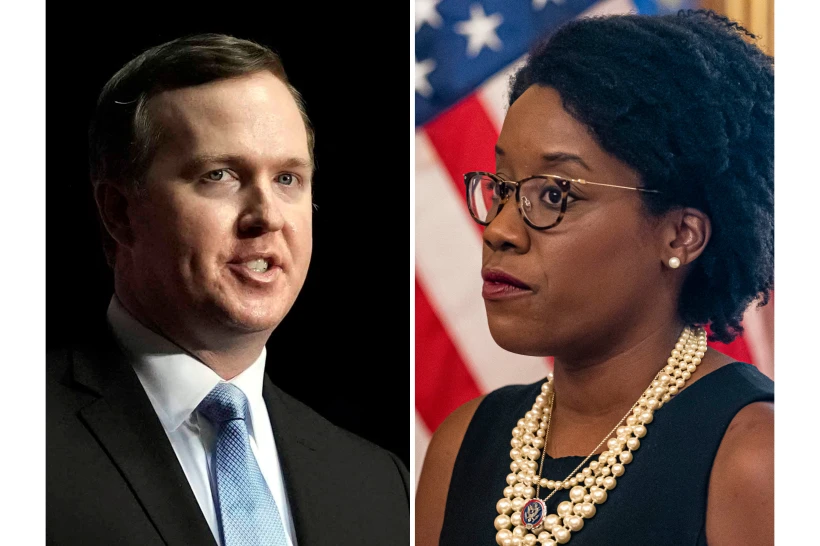
Blue Wave energy shapes the opening phase of the midterm fight. Democrats aim to regain control of the House with focused recruiting. Illinois Rep. Lauren Underwood leads that effort. She relies on lessons from 2018. She emphasizes service, credibility, and local trust. As a result, Democrats seek candidates with deep community roots.
Underwood speaks from experience. She won office as a nurse and health advocate. Therefore, she values real-world expertise. She highlights public service over party loyalty. Moreover, she believes voters respond to lived experience. That belief guides her strategy today.
Republicans Defend the Majority
Republicans move quickly to stop the Blue Wave threat. Georgia Rep. Brian Jack directs GOP recruitment. He works closely with President Donald Trump. That access strengthens party alignment. It also sharpens candidate screening.
Jack argues enthusiasm fuels victory. He trusts Trump’s base to drive turnout. Consequently, Republicans embrace the MAGA agenda. They frame loyalty as a winning asset. Jack believes motivation outweighs broader dissatisfaction. Thus, he pushes unity at every level.
Trump’s Direct Role
Trump plays a deeper role than in past cycles. He reviews candidates and polling data. He shapes endorsements early. This involvement marks a shift from 2018. Back then, coordination stayed limited.
Now, Trump seeks allies in Congress. He favors candidates who support his agenda. Jack views that clarity as strength. Still, measuring loyalty remains complex. First-time candidates vary in tone and focus.
Candidate Profiles Matter
Both parties stress fit. Democrats apply a district-first lens. Underwood says recruitment feels organic. Many candidates step forward on their own. They cite concerns about democracy and governance.
Veterans and women again draw attention. National security backgrounds appeal to swing voters. Former service members highlight leadership and discipline. These traits helped Democrats in 2018. They could do so again if the Blue Wave grows.
Cultural Alignment Counts
Democrats also seek cultural awareness. Candidates must reflect local values. That approach helps counter claims of elitism. In South Texas, for example, Democrats court a Tejano music star. His cultural voice could resonate widely.
Republicans echo this focus. They highlight personal stories and service records. They aim to inspire trust. At the same time, they tie campaigns to Trump’s message. That balance defines their path.
Redistricting Adds Uncertainty
Mid-decade redistricting complicates the race. Several states redraw maps at Trump’s urging. As a result, many districts remain in flux. Democrats see dozens of competitive GOP seats. Republicans see openings of their own.
Recent special elections offer clues. Democrats narrowed large margins in several races. Those gains mirror patterns before 2018. Analysts note similar shifts today. That data fuels Blue Wave optimism.
The Road Ahead
Both sides prepare for a close contest. Democrats bet on candidate quality and local appeal. Republicans rely on unity and enthusiasm. Each strategy reflects past lessons. November will test which approach works best.





Leave a Reply