


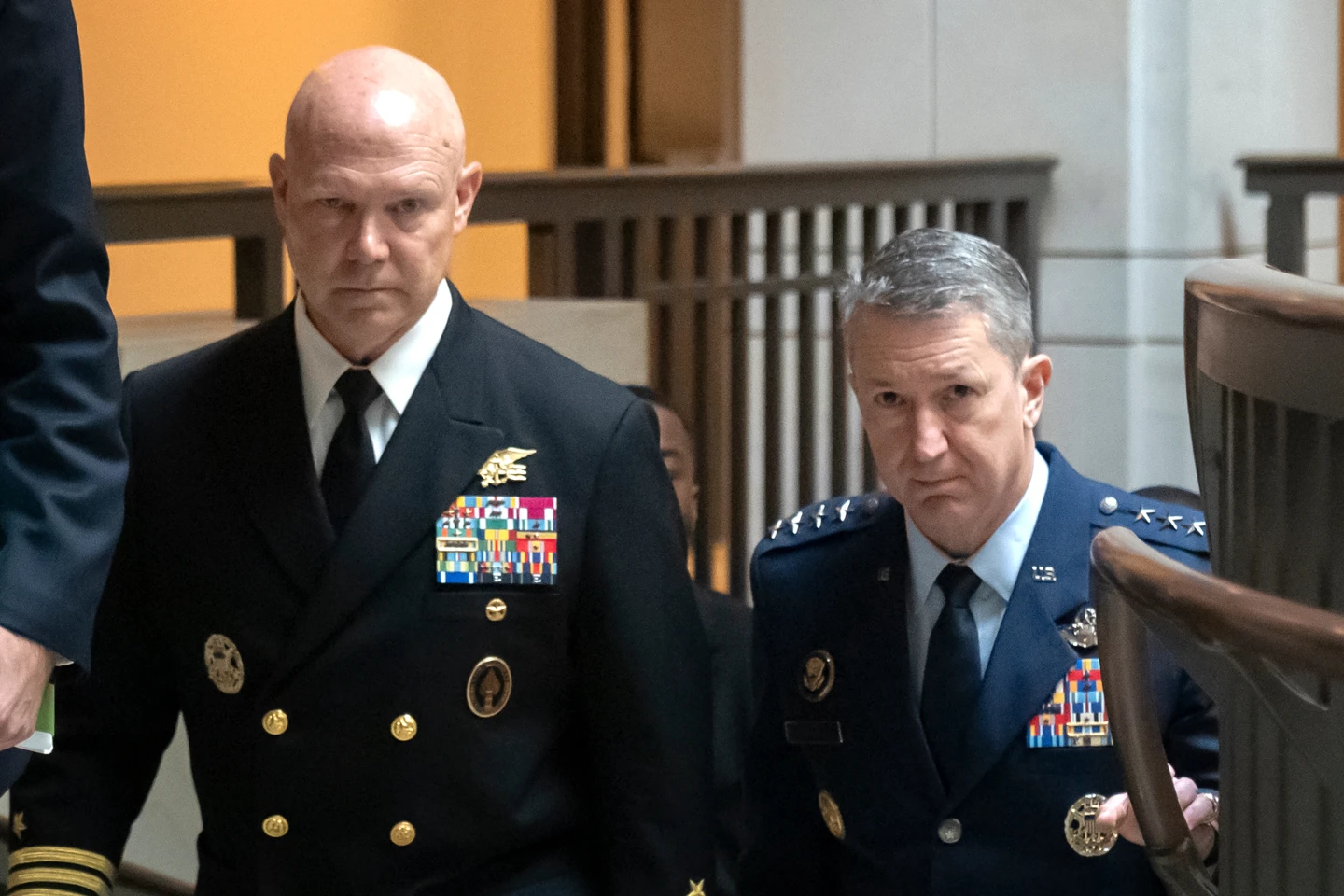
The boat attack controversy has ignited intense debate as lawmakers confront disturbing evidence and conflicting accounts surrounding a deadly U.S. military strike. The first video shown to Congress revealed haunting scenes, prompting immediate calls for transparency. Although the mission targeted an alleged drug vessel, the aftermath raised serious legal, ethical, and strategic concerns. The discussion now centers on clarity, accountability, and public trust. As the controversy grows, leaders aim to ensure responsible military conduct while maintaining pressure on illicit trafficking networks. Transitioning from secrecy to oversight has become essential.
Briefings Heighten Scrutiny
Lawmakers received classified briefings from Adm. Frank “Mitch” Bradley, who leads the U.S. military operations involved. Bradley denied ever receiving a “kill them all” directive. His testimony challenged earlier claims that implied Defense Secretary Pete Hegseth pushed for lethal escalation. Some lawmakers supported Bradley’s explanation, yet others questioned the consistency of the accounts. The tension highlighted the urgent need for solid documentation. As conversations continued, questions arose about whether the mission aligned with established legal standards. The growing demand for clarity intensified political pressure.
Leaders Respond With Concern
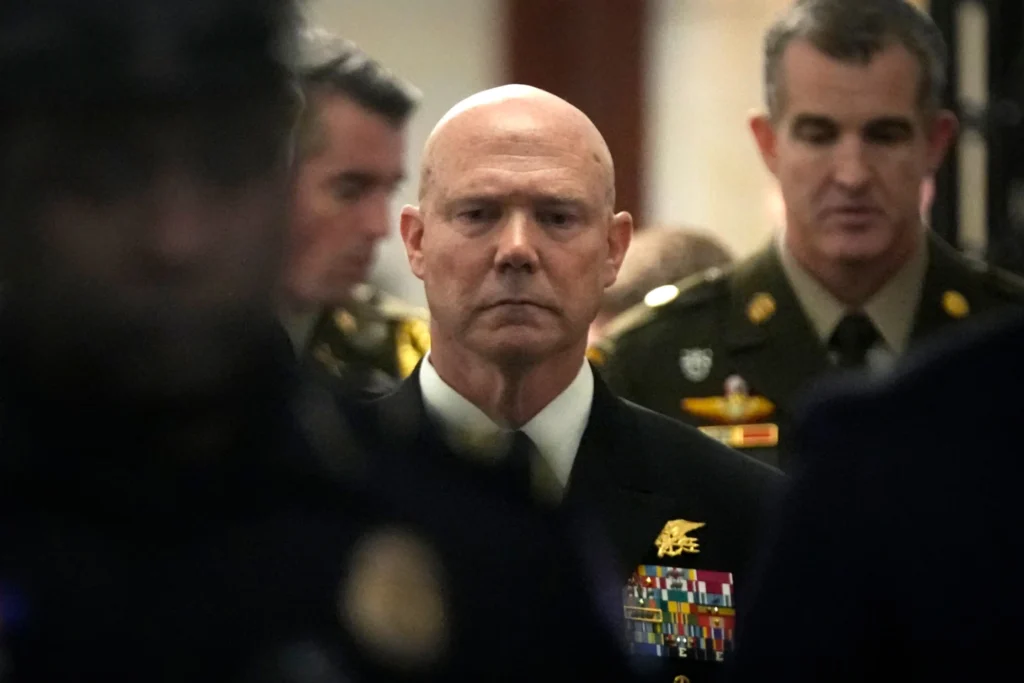
Republican leaders defended the mission, arguing that the operation disrupted potential drug trafficking routes. However, Democratic officials expressed profound alarm after viewing the footage. They described survivors clinging to the remains of a destroyed vessel before being struck in a follow-on attack. This sharp contrast in interpretation deepened the divide in Congress. Many agreed that more facts were necessary to determine whether rules of engagement were upheld. Transitioning to a full investigation became a priority as public confidence remained at stake.
Fresh Strike Raises Questions
Soon after the briefings, U.S. Southern Command announced another strike on a similar vessel in the eastern Pacific. The new event reignited concerns about authorization and oversight. Lawmakers noted that Congress had not approved the use of military force in these scenarios. Hegseth insisted the campaign would continue, prompting additional calls for restraint. As debates intensified, pressure mounted to reveal the legal reasoning behind the operations. The recurring attacks underscored the urgency for a coherent and legally supported strategy.
Demands for Investigation
Lawmakers from both chambers pushed for a full timeline of events. They wanted records of orders, operational videos, and legal opinions connected to the mission. Yet access to these materials remained limited. Conflicting descriptions of the survivors’ actions created further uncertainty. Some officials claimed the individuals attempted to right their vessel to continue the mission. Others said they were stranded and helpless. These conflicting narratives led to further confusion and strengthened demands for transparent inquiry. The truth became essential to restoring credibility.
Concerns About Legal Grounds
The controversy also reopened discussion about war powers. President Trump’s argument positioned drug traffickers as armed threats capable of harming Americans. Critics said the definition was too broad and risked misusing military force. Without a clear legal framework, lawmakers worried that the campaign blurred the lines between combat operations and law enforcement. This legal ambiguity pushed congressional leaders to seek written orders and post-operation analyses. They stressed that clarity was necessary to avoid future misuse of military authority.
Adm. Bradley’s Leadership Under Review
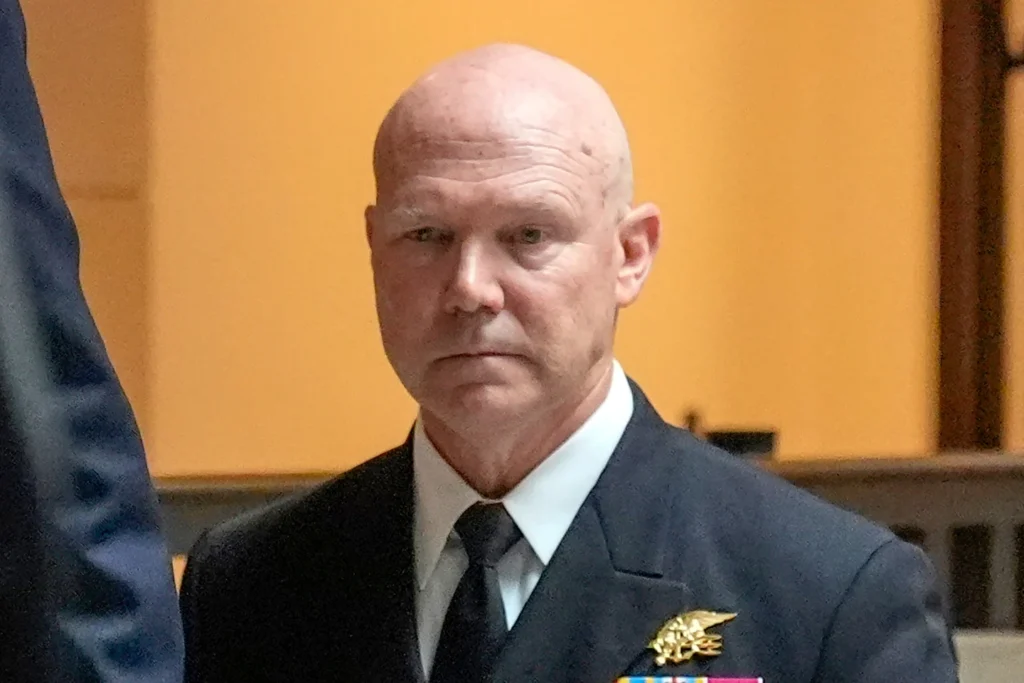
Bradley, a respected Navy SEAL with decades of service, commanded the operation during the incident. His distinguished career earned bipartisan praise. However, the strike placed a spotlight on his decision-making. Some lawmakers emphasized that accountability must apply regardless of rank. If evidence showed wrongdoing, they expected consequences. Others defended Bradley, citing his history of careful leadership. As the debate continued, the balance between honoring military service and ensuring oversight became central.
Growing Pressure on Defense Leaders
As investigators sought more information, pressure grew on Hegseth and senior officials. Democrats argued that the administration withheld essential documents, including the Office of Legal Counsel memo drafted after the strike. This delay fueled suspicion about the mission’s justification. Republican leaders remained supportive, yet they acknowledged the need for a complete review. While navigating political alliances, lawmakers understood that transparency was critical to maintaining legitimacy. The slow release of information kept tensions high.
International Implications
The boat attack controversy also affected U.S. relations with Venezuela. Leaders in the region viewed the strikes as potential attempts to influence political outcomes. Reports of communication between Trump and Venezuelan President Nicolás Maduro raised further questions. Although both sides confirmed the call, details remained unclear. The event highlighted the delicate balance between counter-drug operations and international diplomacy. Maintaining strategic stability while addressing regional security threats became increasingly challenging.
Why Accountability Matters
The ongoing debate underscores the importance of ethical warfare. Lawmakers stressed that military strength must align with legal principles. Ensuring that operations follow established rules preserves global credibility. It also protects service members who rely on clear guidance. With public confidence at risk, the push for accountability gained momentum. Transparent procedures not only resolve controversies but also reinforce trust in the institutions responsible for national security.
Next Steps for Congress
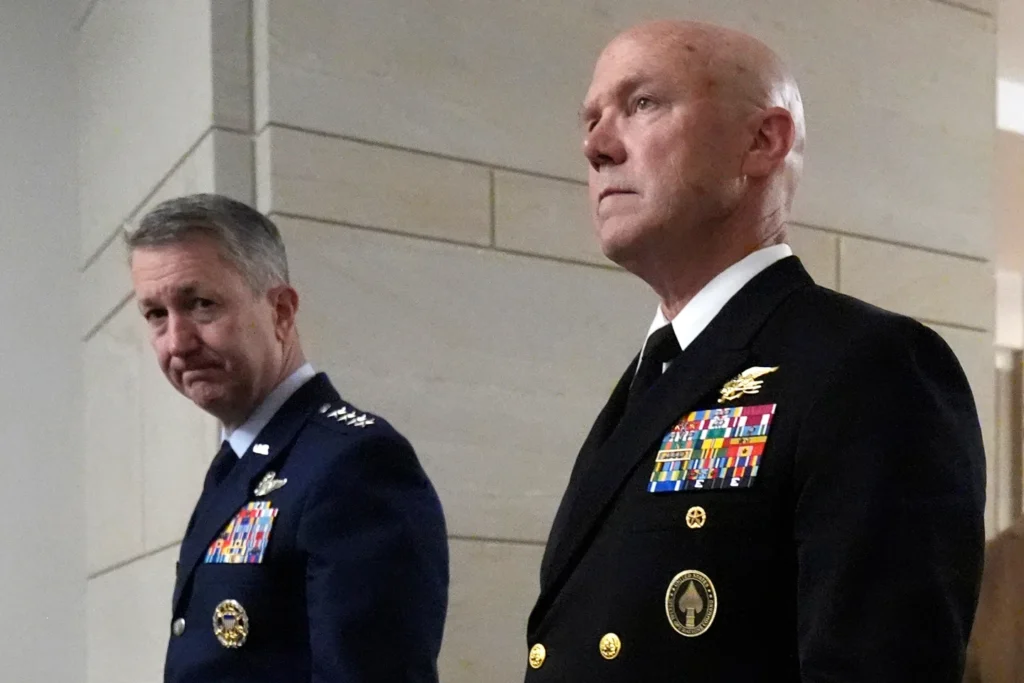
Moving forward, Congress plans to continue demanding documents, videos, and written orders. Leaders aim to clarify whether the mission followed legal and ethical requirements. As political pressures rise, bipartisan cooperation may determine the investigation’s success. The boat attack controversy serves as a reminder that oversight remains essential in a functioning democracy. Ensuring truth, responsibility, and ethical action will shape future military policy.


Leave a Reply