


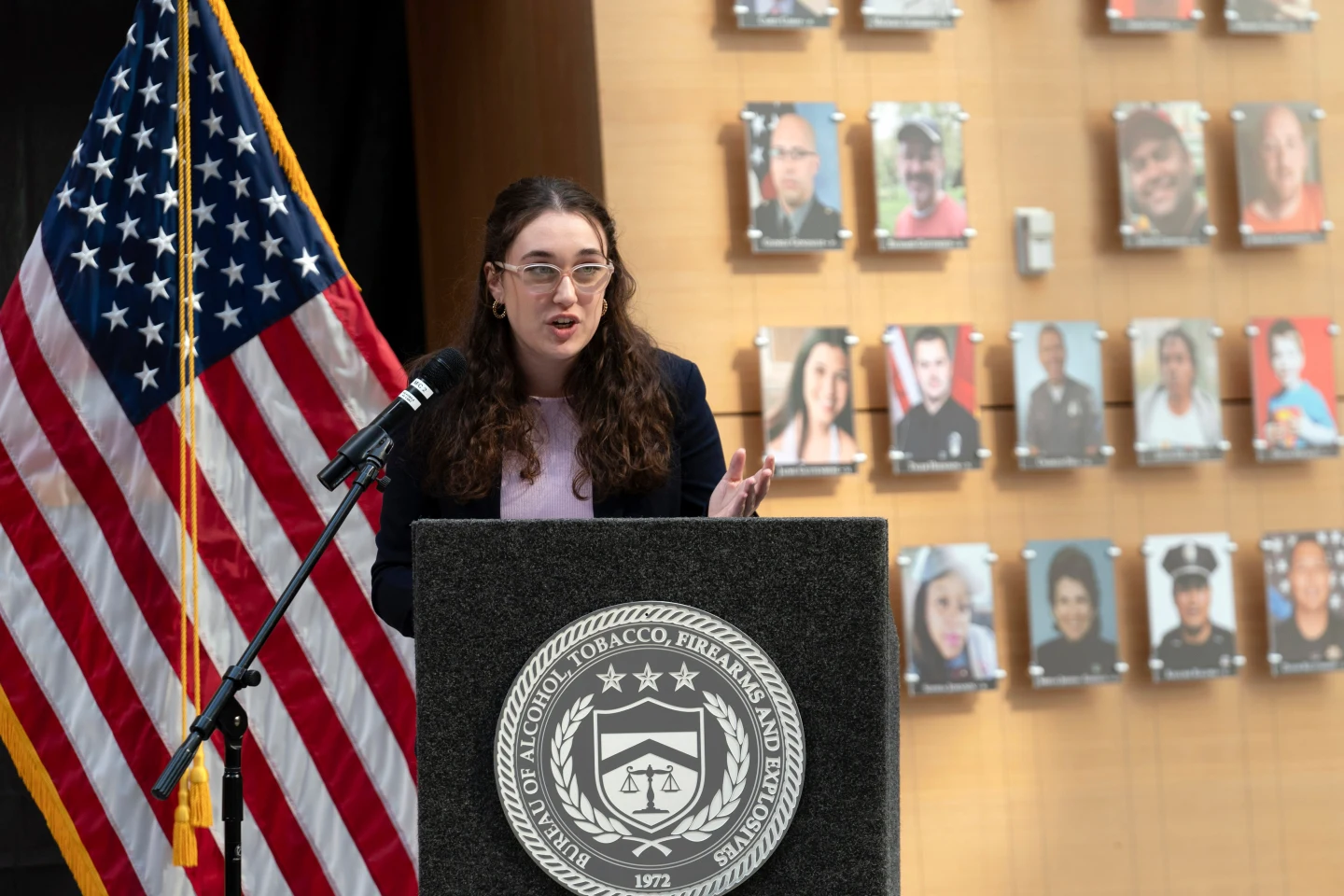
Campus shooting trauma returned to Mia Tretta during finals week at Brown University. When her phone buzzed, fear rose instantly. Years earlier, she survived a high school shooting. This time, alerts echoed the past.
In 2019, a gunman shot Tretta at her California high school. She survived serious injuries. Since then, memories stayed close. Therefore, when warnings urged students to lock down, denial faded fast.
Emergency Alerts That Trigger Fear
Emergency alerts serve a purpose. However, for survivors, they also reopen wounds. Each message carries emotional weight. Consequently, fear returns without warning.
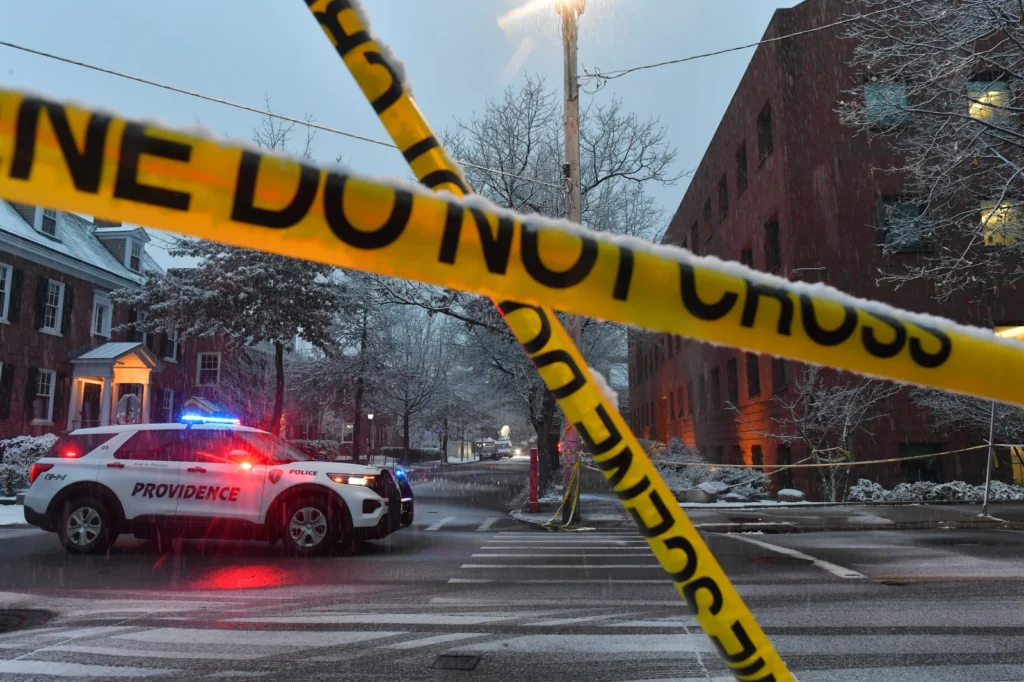
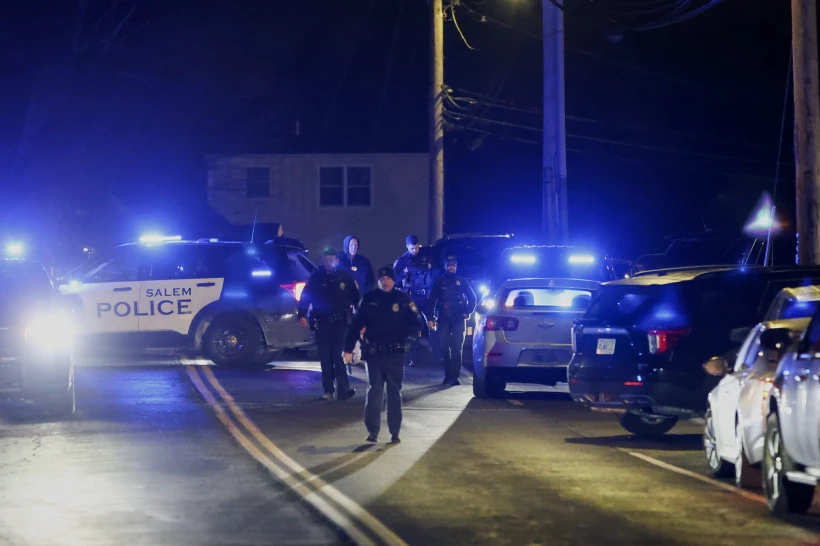
At Brown, alerts warned of danger near an academic building. Students hid inside dorms. Meanwhile, anxiety spread across campus. By nightfall, deaths and injuries confirmed the worst fears.
As a result, the campus atmosphere shifted completely. Safety felt uncertain. Trust felt shaken.
A Generation Marked by Violence
Today’s students grew up practicing lockdown drills. Because of that, many expected college to feel safer. It felt like an escape.
Yet, violence followed some students forward. Survivors of earlier school shootings now face new threats. Similarly, others lived near attacks or experienced family violence.
Together, these experiences shape how students view safety. More importantly, they shape how students respond to danger.
Fear Inside Supposedly Safe Spaces
For one Brown student, danger felt immediate. He lived across from the building where shots rang out. As a precaution, he and his roommates barricaded their home.
Previously, that student survived fear tied to violence against his father. College once offered relief. Unfortunately, the shooting shattered that comfort.
Because of this, campus shooting trauma reached beyond victims. It touched roommates. It touched families.
Trauma Extends Beyond Physical Harm
Gun violence leaves invisible scars. Survivors often face anxiety. They struggle with sleep. They remain hyper-aware.
Parents feel lasting fear as well. During emergencies, phone calls carry panic. Every alert feels personal.
According to experts, trauma spreads across communities. Therefore, healing requires support systems, not silence.
Turning Survival Into Advocacy
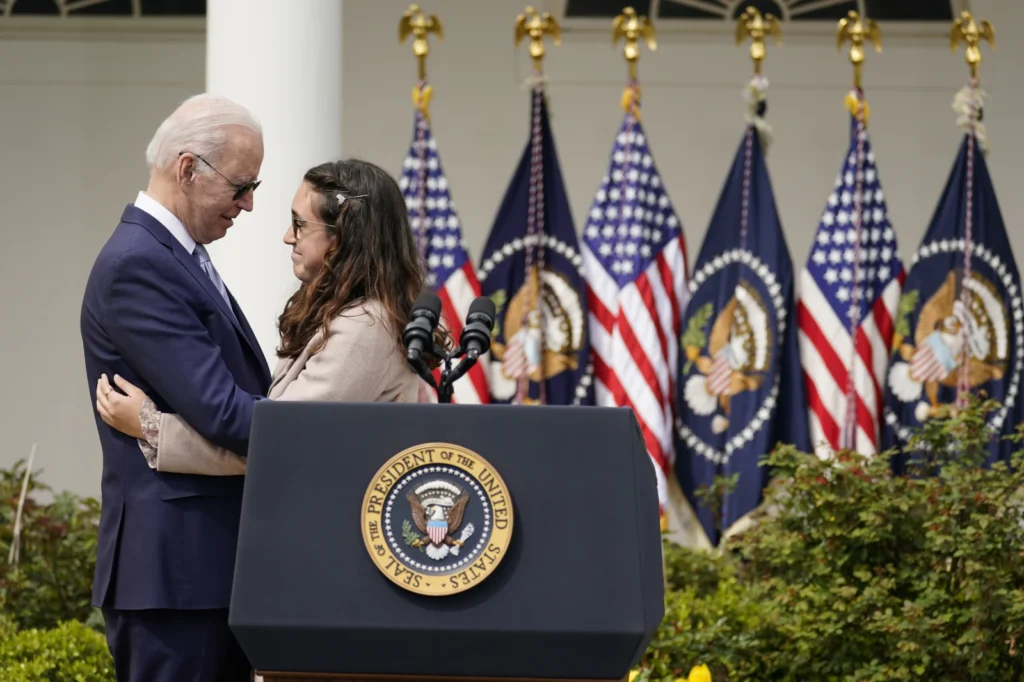
After surviving her first shooting, Tretta chose advocacy. She spoke publicly about gun safety. In addition, she joined student-led movements.
Her work focused on untraceable weapons. She pushed for accountability. Over time, advocacy gave her purpose.
At Brown, she studied education and public affairs. Notably, she researched how violence affects students. Her academic work reflected lived experience.
Education Interrupted by Violence
Gun violence disrupts learning immediately. Classes pause. Focus disappears. Students struggle to regain stability.
Beyond academics, campus shooting trauma damages trust. Students question whether safety exists on campus. Consequently, fear replaces confidence.
Still, many students respond with resilience. They support peers. They demand change.
Why Action Still Matters
Survivors often share one truth. One shooting already causes lasting harm. Two feels unbearable. Yet, hope remains.
Small steps matter. Community care matters. Policy conversations matter. Without action, fear grows stronger.
Tretta chose Brown because it felt safe. She believed normalcy was possible. Although the shooting changed that belief, it did not silence her.
Moving Forward With Awareness
Universities face serious responsibility. They must educate and protect. They must respond quickly and compassionately.
Acknowledging campus shooting trauma marks progress. Supporting survivors strengthens trust. Preventing violence protects futures.
Students deserve safety. They deserve peace. They deserve learning without fear.


Leave a Reply