


Introduction
China WTO reform took a major step this week. Beijing announced it will no longer claim developing-country status at the World Trade Organization (WTO). The United States had long demanded this change. Washington argued that the world’s second-largest economy should not enjoy benefits meant for poorer nations. Moreover, the move comes as President Donald Trump pushes steep tariffs on Chinese goods.
China’s New WTO Role
China’s Commerce Ministry said the country will give up the preferential treatment of developing economies. Previously, that status gave Beijing more time to apply trade rules and lower requirements to open markets. It also allowed Chinese industries to shield themselves from foreign competition.
Now, by ending this claim, China shows it is ready to share more responsibility in global trade. Furthermore, officials framed the step as an effort to strengthen the WTO at a time of rising protectionism and tariff wars.
U.S. Pressure and the Trump Factor
The push for China WTO reform has built for years. Successive U.S. administrations argued that Beijing enjoyed unfair advantages while holding trade surpluses and building advanced industries.
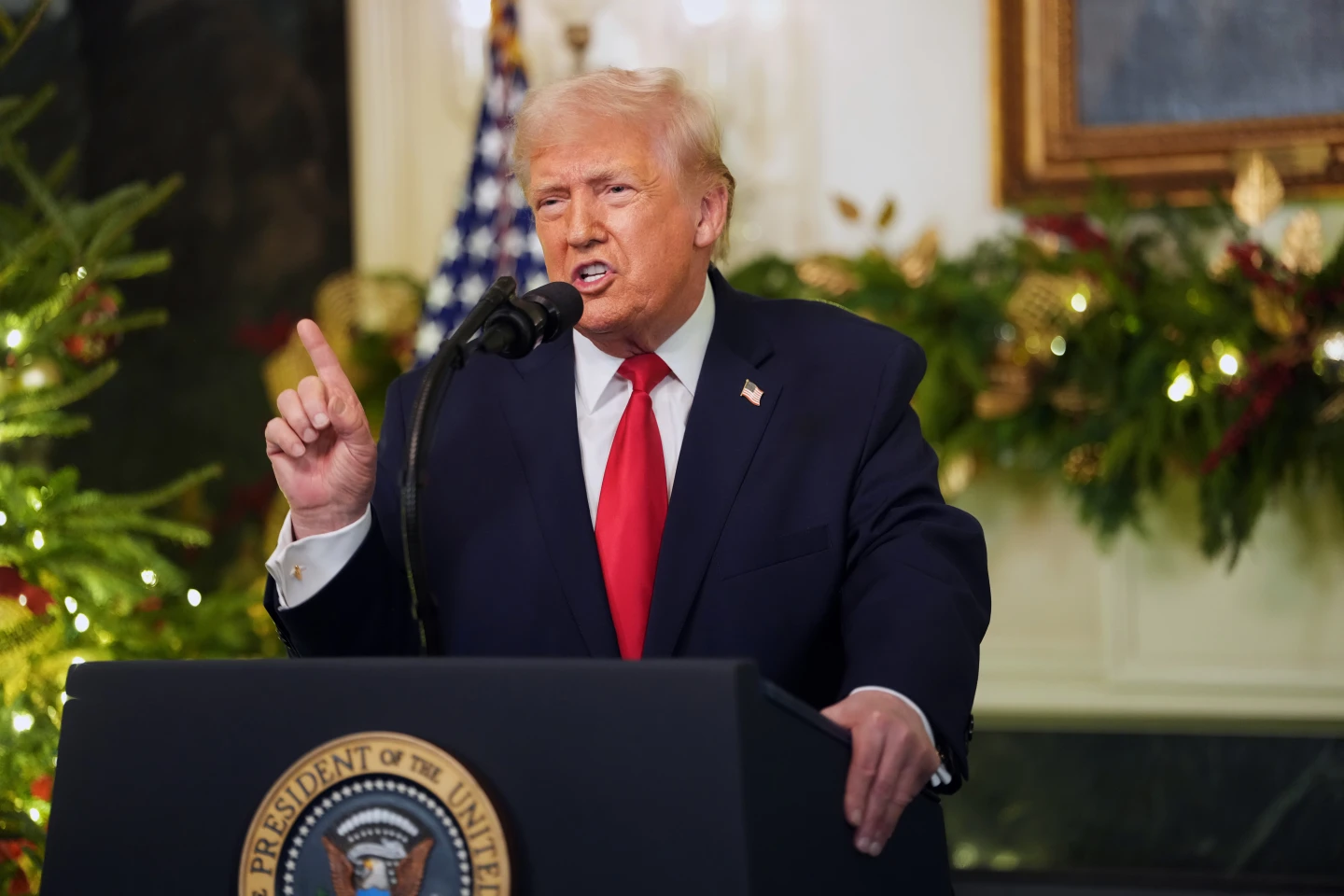
Trump, however, turned that debate into open conflict. His administration imposed wide tariffs on Chinese exports in 2025. As a result, analysts say Beijing’s policy shift addresses both global pressure and the damage from Trump’s tariffs.
WTO Welcomes the Reform Move
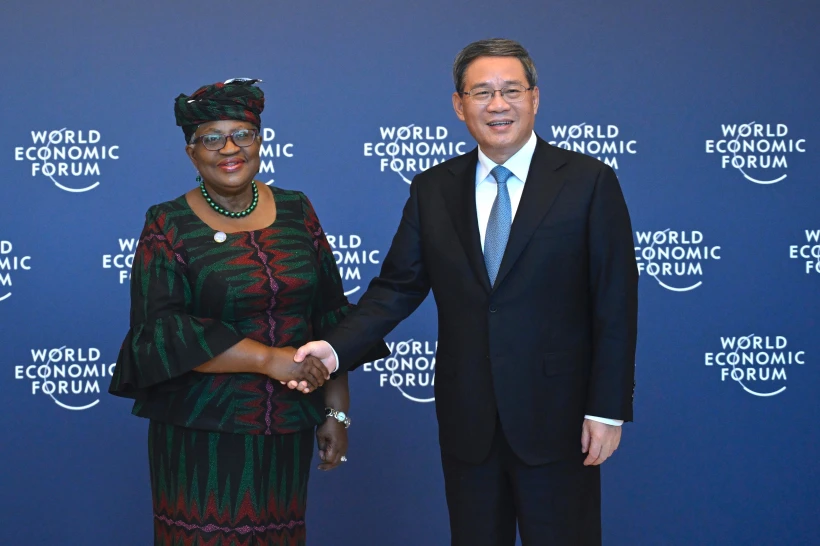
WTO Director-General Ngozi Okonjo-Iweala praised the announcement. She called it “major news key to WTO reform” and said it could help restart stalled negotiations.
“This is the culmination of many years of hard work,” she noted. In addition, she urged other large economies to follow suit and strengthen WTO credibility.
The decision also drew support from many WTO members who want fairer trade rules and stronger enforcement. Consequently, the move could build momentum for broader reforms.
Balancing Reform With Developing-World Ties
China WTO reform does not mean Beijing abandons the developing world. Commerce officials stressed that the country remains a middle-income economy. They highlighted wide gaps between coastal cities and rural provinces.
At the same time, China lends billions through the Belt and Road Initiative. Its state-owned firms build railways, roads, and dams in Asia, Africa, and Latin America.
Therefore, this dual role has sparked debate. Critics argue China used developing status to protect domestic industries while expanding its global reach.
Implications for Global Trade
China’s shift could reshape trade dynamics. By meeting higher WTO standards, Beijing hopes to defuse criticism and reduce tariff pressure.
For smaller developing nations, however, the change raises new questions. They may now face stronger calls to speed up their own reforms.
For the U.S. and Europe, meanwhile, the decision opens the door to broader WTO reform talks. Negotiators may finally address issues such as digital trade, climate rules, and supply chain security.
Conclusion
The China WTO reform decision marks a turning point in global trade. By dropping its developing-country status, Beijing answers one of Washington’s central complaints. It also signals readiness to follow stricter rules and support WTO reform.
Still, China will continue to balance this role with its ties to poorer nations. Ultimately, as tariff battles with the U.S. intensify, Beijing’s move may help restore the WTO’s relevance and keep global trade predictable.


Leave a Reply