


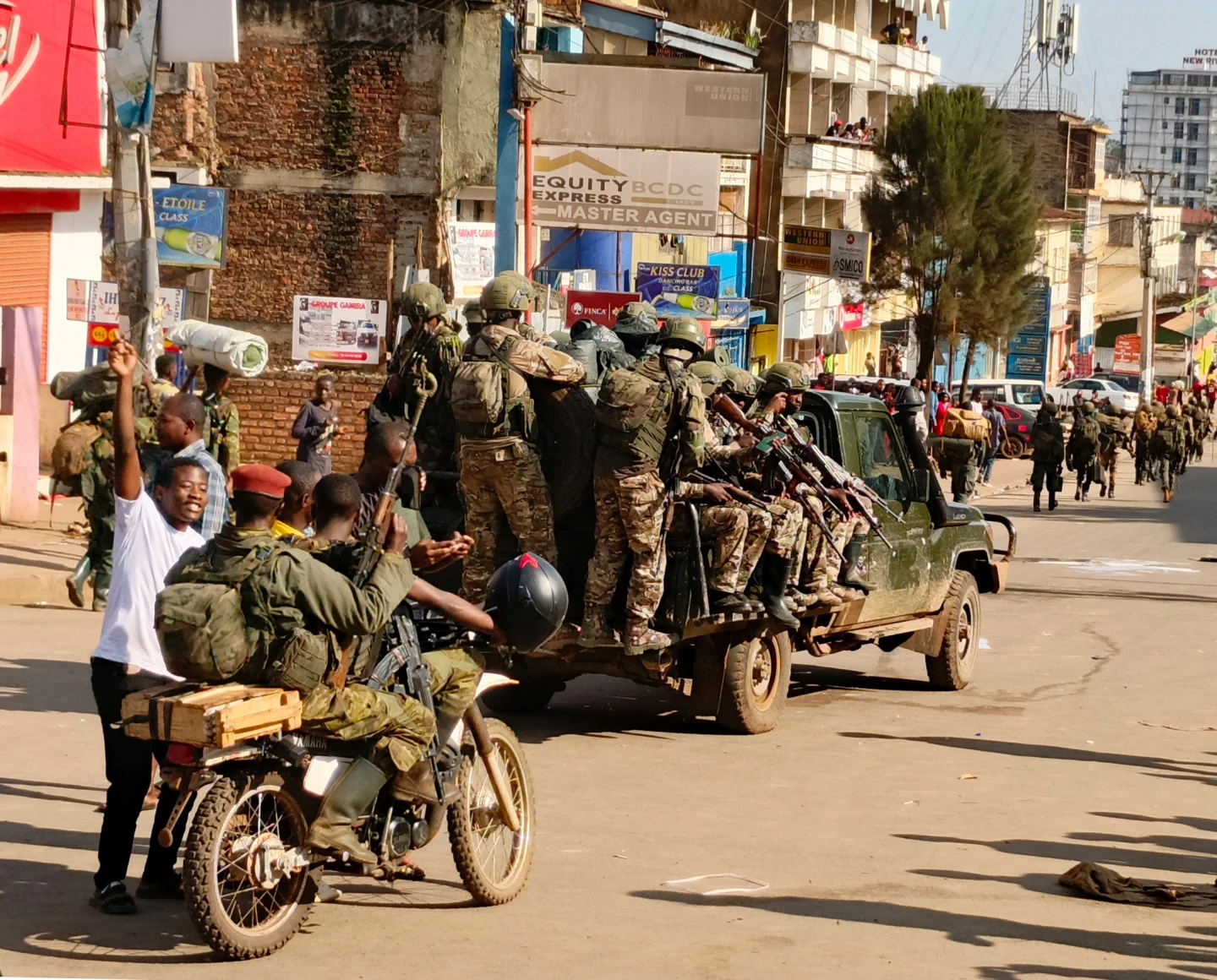
Congo peace deal negotiations gained new urgency as leaders convened in Washington to address the region’s escalating crisis. Although eastern Congo has suffered decades of conflict, the latest talks brought stronger diplomatic energy. Moreover, the involvement of the United States encouraged coordinated action. With violence spreading earlier this year, the meeting arrived at a decisive moment for all sides.
Leaders emphasized humanitarian needs, regional accountability and responsible governance. Additionally, they acknowledged the importance of sustained diplomacy. As a result, the gathering served as a platform to pursue stability, strengthen trust and reconnect communities cut off by conflict.
Regional Leaders Increase Engagement
The presidents of Congo and Rwanda entered discussions with sharper awareness of shared challenges. However, they also highlighted security concerns that demanded immediate attention. In addition, U.S. officials pushed both leaders to deepen cooperation. This expanded engagement signaled a shift toward more structured communication.
Through lengthy exchanges, each delegation outlined grievances, reviewed recent clashes and evaluated possible monitoring efforts. Furthermore, they identified short-term actions capable of reducing tensions. Because of this, the talks produced clearer expectations for both nations.
Conflict Intensifies Despite Talks
Violence remained a major obstacle. Armed groups advanced through several localities. Families fled at night to avoid crossfire. Markets closed as fear spread across Goma and Bukavu. Consequently, many residents doubted that high-level discussions would bring rapid relief.
Humanitarian conditions kept worsening. Aid programs collapsed after funding cuts. Food prices soared. Streets became unsafe. Even though regional leaders expressed optimism, civilians described their hardship as unbearable. Their voices underscored the urgent need for visible progress on security.
Minerals Heighten Global Interest
Eastern Congo holds vast rare earth minerals essential to modern technology. Because these materials support aircraft systems, electronics and renewable power, global competition intensified. China controlled the majority of mining and processing, which pushed the United States to seek alternative sources.
Congo’s request for security assistance aligned with U.S. interest in critical minerals. Consequently, the peace initiative merged economic and diplomatic priorities. Additionally, the new regional economic framework encouraged investment in mining, energy and tourism. Leaders framed these opportunities as incentives to stabilize the region.
Diplomatic Events Strengthen Cooperation
The signing ceremony at the U.S. Institute of Peace attracted African leaders, diplomats and business executives. Beyond symbolic gestures, the event focused on practical steps to support long-term peace. American business groups discussed potential partnerships. Meanwhile, delegations from Congo and Rwanda presented investment opportunities.
These coordinated events highlighted a shift toward integrated diplomacy. Political, economic and humanitarian concerns connected more clearly. Therefore, leaders expressed cautious optimism. They affirmed that security and development must advance together. They also stressed that transparency would determine the deal’s success.
Communities Face Harsh Realities
Residents across the region described daily struggles. Airports stayed closed. Banking services stalled. Crime increased. Nevertheless, many people expressed hope that renewed diplomatic efforts might bring relief. They followed updates closely because their safety depended on the outcomes.
Students, merchants and displaced families shared similar concerns. They wanted lasting security, functional services and fair economic opportunities. Their expectations reminded leaders that peace should be experienced in homes, schools and markets—not only in political statements.
Historical Roots Deepen the Crisis
The conflict’s origins trace back to the aftermath of the 1994 Rwandan genocide. As millions crossed into Congo, armed groups emerged and tensions intensified. Over the years, mutual accusations between Congo and Rwanda fueled distrust. Rwanda warned of hostile militias near its territory. Congo condemned outside support for rebel movements.
International experts documented evidence of cross-border involvement. Although Rwanda denied direct support for rebels, it maintained that certain actions protected its citizens. Congo insisted that peace required the removal of foreign forces and the dismantling of armed groups. Therefore, the dispute became layered and difficult to resolve quickly.
First Step Toward a Complex Future
Regional leaders recognized that the Congo peace deal represented a beginning, not an endpoint. They agreed to maintain open communication, expand security coordination and encourage economic cooperation. With consistent U.S. engagement, the agreement gained momentum.
Communities hoped these commitments would translate into safer roads, reopened services and fewer displacements. While challenges remained significant, the framework provided direction. It offered a structured approach to long-term stability and a realistic path toward recovery.



Leave a Reply