


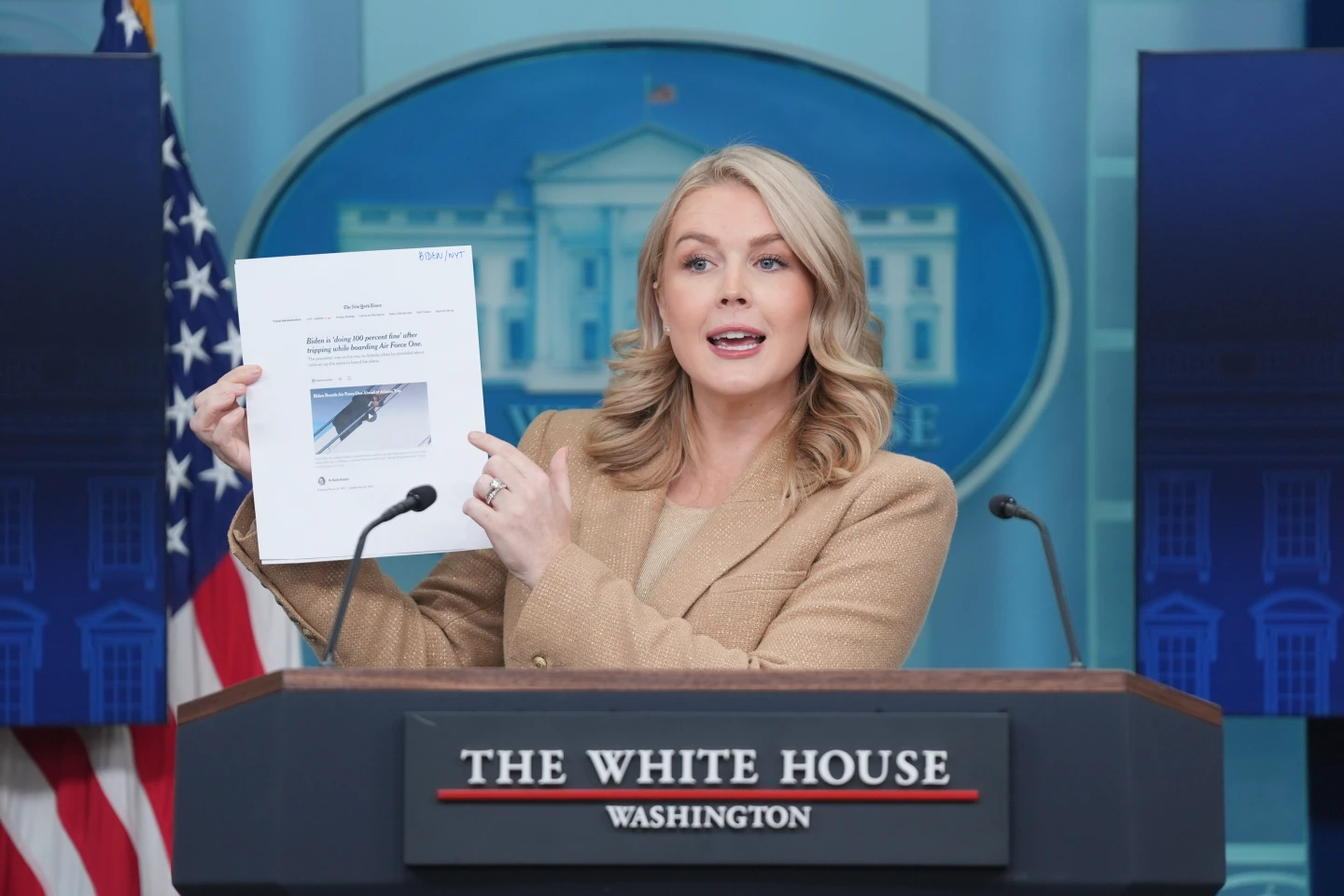
The drug boat strike ordered in September has triggered sharp debate, but the White House maintains that the Navy admiral acted within both his authority and the law. Press Secretary Karoline Leavitt said the second strike aligned with legal standards and operational rules. She emphasized that military leaders aimed to eliminate a threat in the Caribbean Sea and protect the United States.
Leavitt addressed reporters as lawmakers announced a congressional review of U.S. strikes against alleged drug-smuggling vessels in the Caribbean and eastern Pacific. The review follows a report claiming Defense Secretary Pete Hegseth verbally approved a second strike that killed survivors of the initial hit. The administration insists that Vice Adm. Frank “Mitch” Bradley—not Hegseth—ordered the follow-up strike.
Admiral to Brief Congress
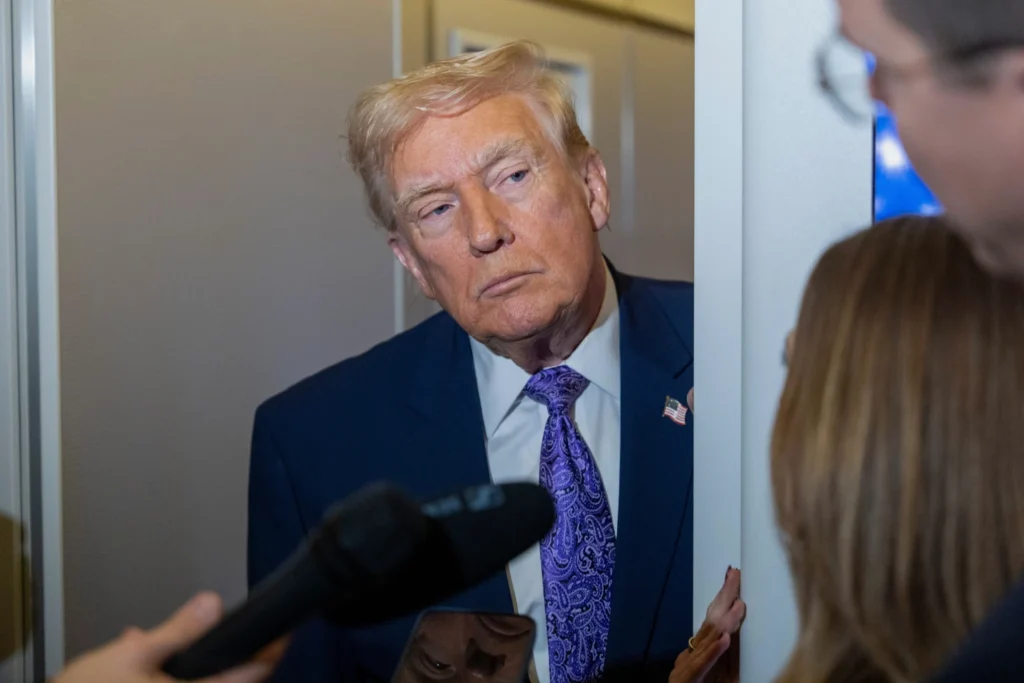
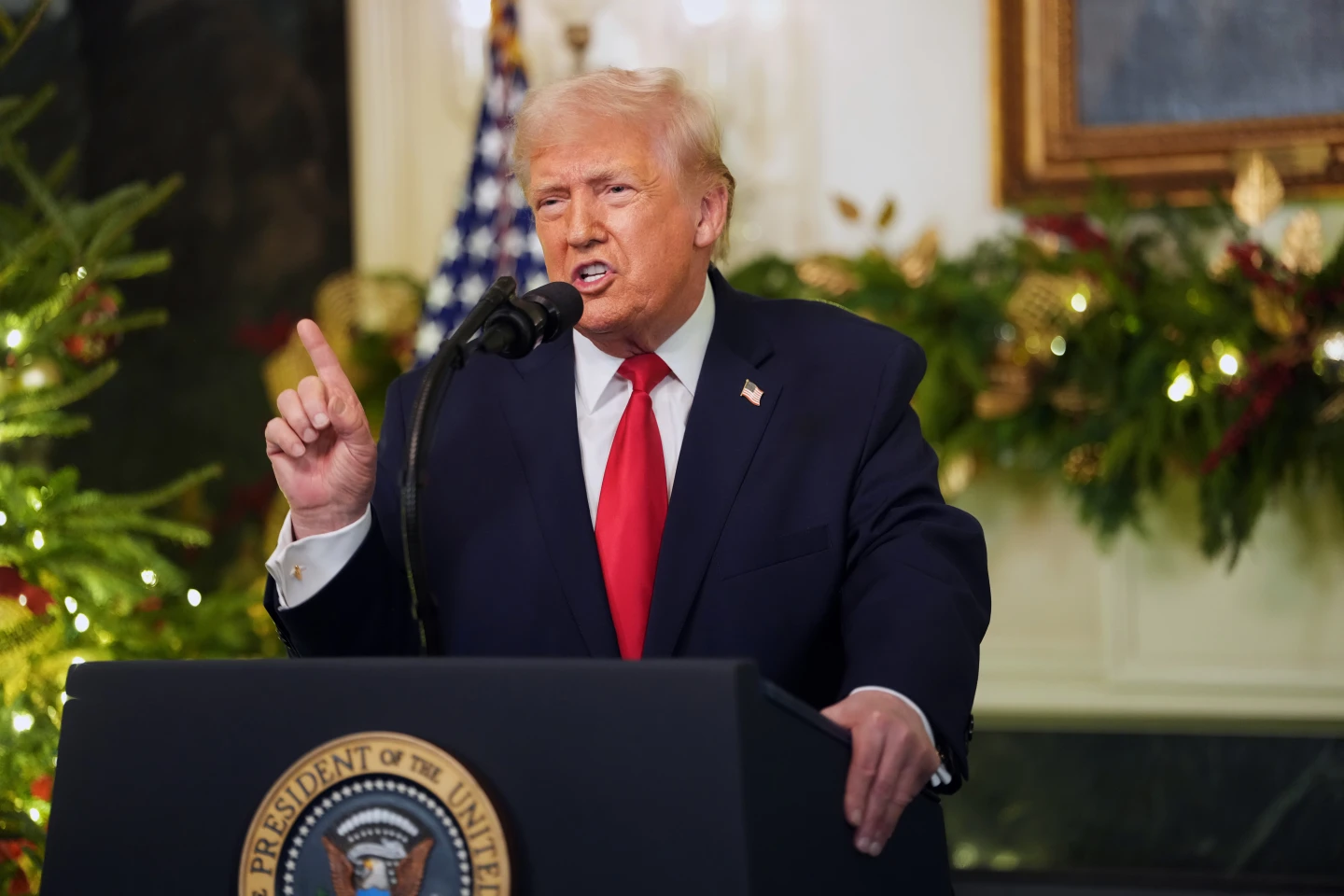
Bradley will deliver a classified briefing to lawmakers overseeing military operations. His appearance comes as bipartisan concern deepens. Leavitt did not deny reports that survivors remained after the first strike. President Donald Trump added uncertainty by saying he “wouldn’t have wanted” a second strike, though the White House continued defending the decision.
Hegseth later posted strong support for Bradley, calling him a hero and praising his combat decisions. A month after the mission, Bradley received a promotion to commander of U.S. Special Operations Command. The advancement drew further attention as lawmakers questioned the timeline and oversight.
Bipartisan Scrutiny Intensifies
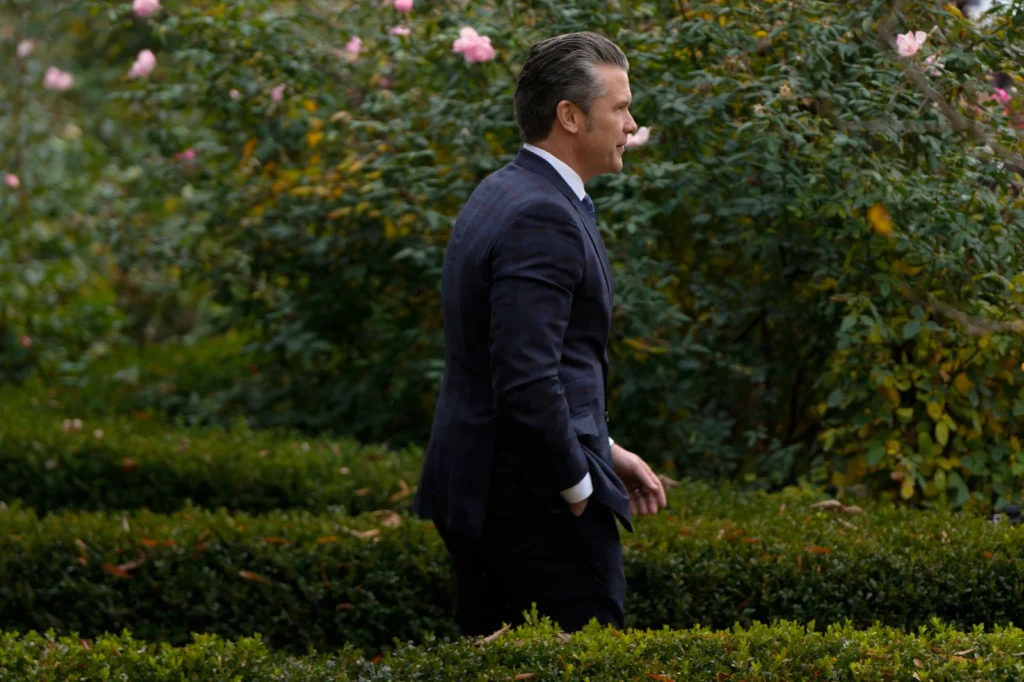
Members of Congress from both parties expressed alarm after learning of possible attacks on survivors. Some Republicans doubted elements of the report, but many agreed that the allegations demand investigation. Lawmakers worry about the legality of targeting alleged smugglers and the broader direction of U.S. strategy in the region, especially concerning Venezuela.
The White House stressed that Hegseth had engaged directly with lawmakers who raised concerns. Top military leaders, including Gen. Dan Caine, also contacted congressional committee heads. They reaffirmed confidence in the chain of command and described the mission as part of broader efforts to disrupt illicit trafficking networks threatening the Western Hemisphere.
Congressional Committees Seek Answers
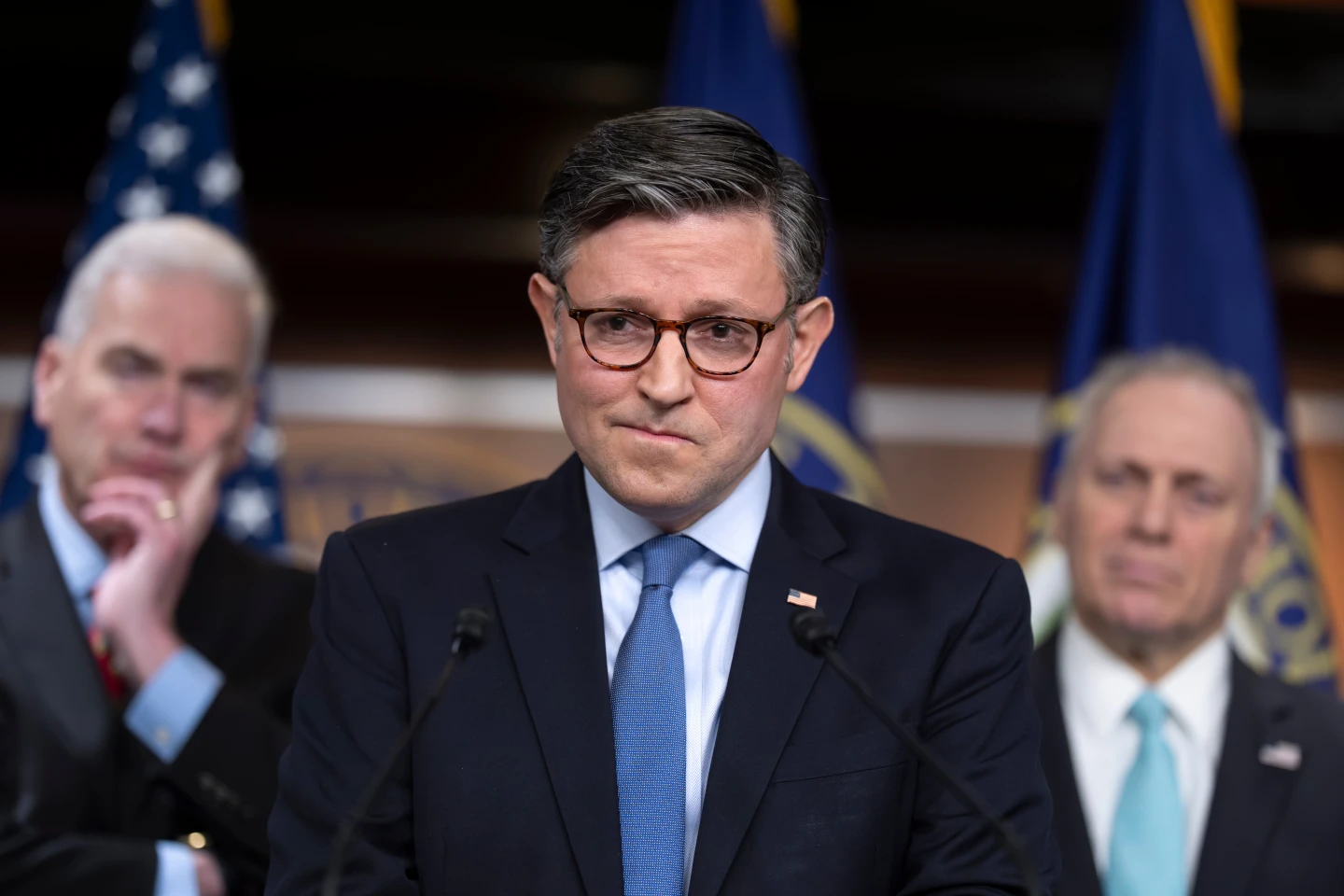
Senate Majority Leader John Thune defended ongoing operations but supported plans to collect all facts before drawing conclusions. After the report surfaced, Hegseth accused the media of producing inflammatory stories that undermine U.S. service members. He said the operations comply with U.S. and international law, and he noted that legal experts reviewed every action.
Not all lawmakers accepted his explanation. Senate Democratic leader Chuck Schumer criticized Hegseth harshly and demanded the release of the strike video. He argued that transparency would resolve doubts if no wrongdoing occurred. Republican Sen. Roger Wicker echoed interest in a methodical investigation and acknowledged the seriousness of the allegations.
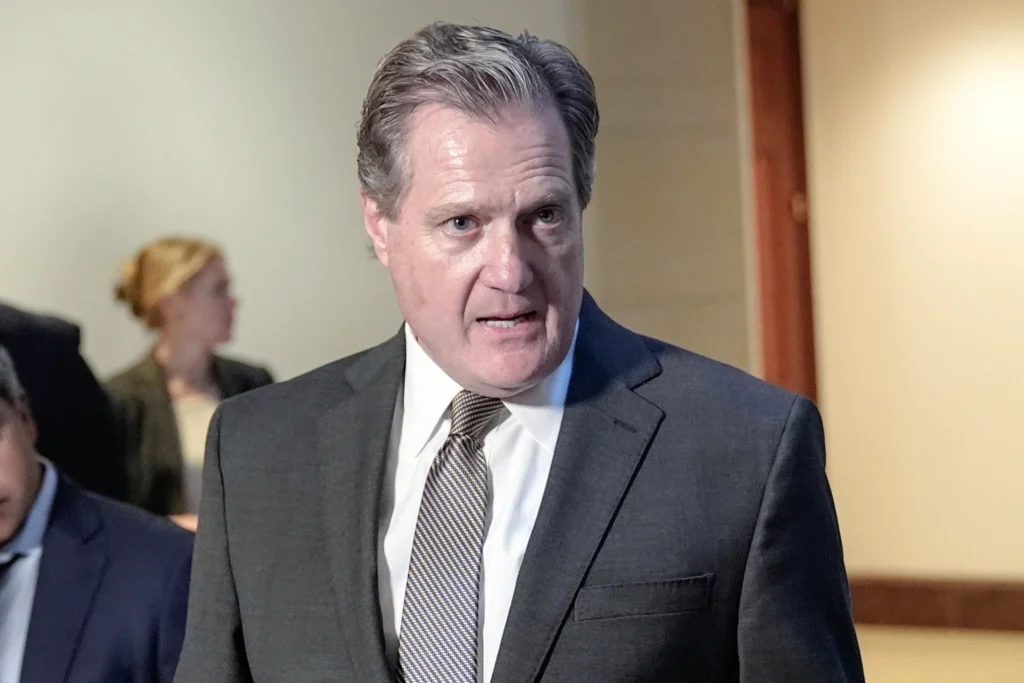
Democratic Sen. Jack Reed questioned why the administration resisted releasing footage if it believes the actions were legal. Reed said the inquiry would begin with briefings from those directly involved. On the House side, Armed Services Chair Mike Rogers said he felt reassured after speaking with Hegseth but noted that he still expects clarity from Bradley during Thursday’s briefing.
Pressure Builds Over Venezuela Policy
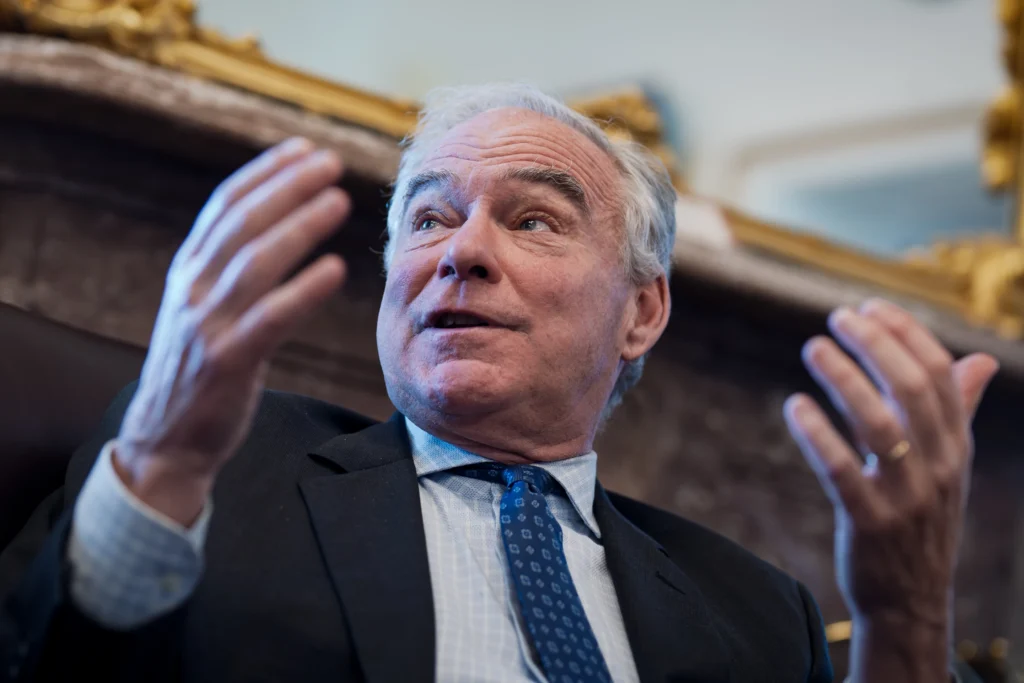
The controversy comes as the administration weighs further action toward Venezuela. Trump met with national security officials to discuss next steps. He has claimed that drug cartels—some allegedly tied to Venezuelan President Nicolás Maduro—operate the targeted boats. The administration also considers potential strikes on the Venezuelan mainland.
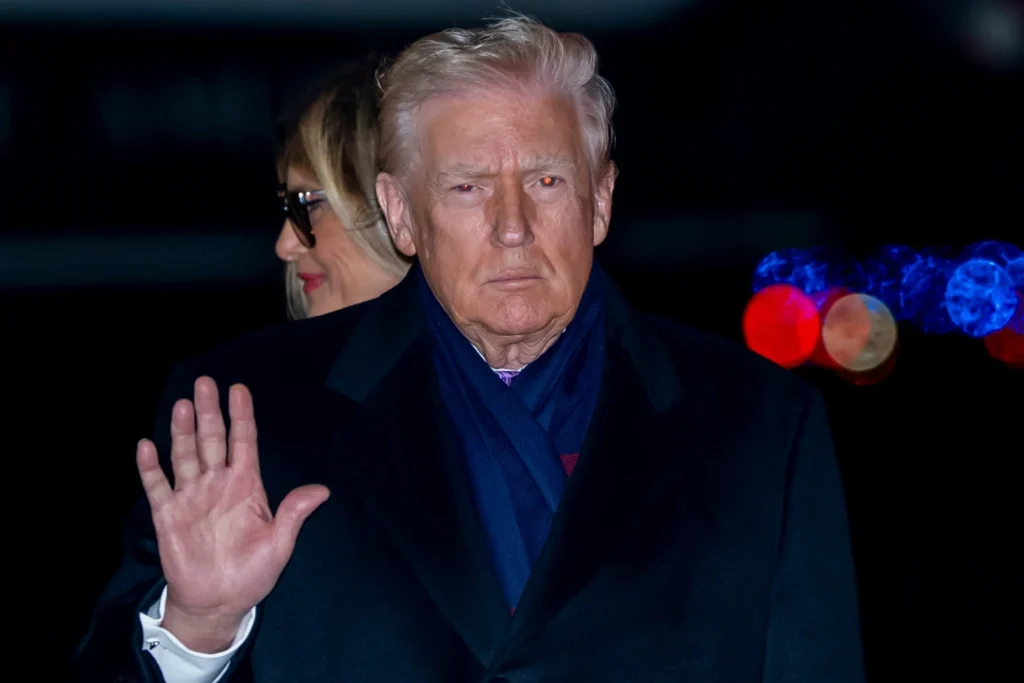
Trump recently acknowledged speaking with Maduro but declined to discuss the call’s content. Maduro responded publicly, saying Venezuela has endured “psychological terrorism” for 22 weeks and insisting the country will defend itself. He said U.S. pressure has tested citizens’ resolve but argued they stand ready to protect national sovereignty.
Regional Tension and Ongoing Operations
The September strike is one of many U.S. military actions conducted near Venezuela. Trump has ordered a buildup of naval forces, including the deployment of the nation’s largest aircraft carrier. More than 80 people have died during months of strikes against vessels suspected of transporting narcotics.
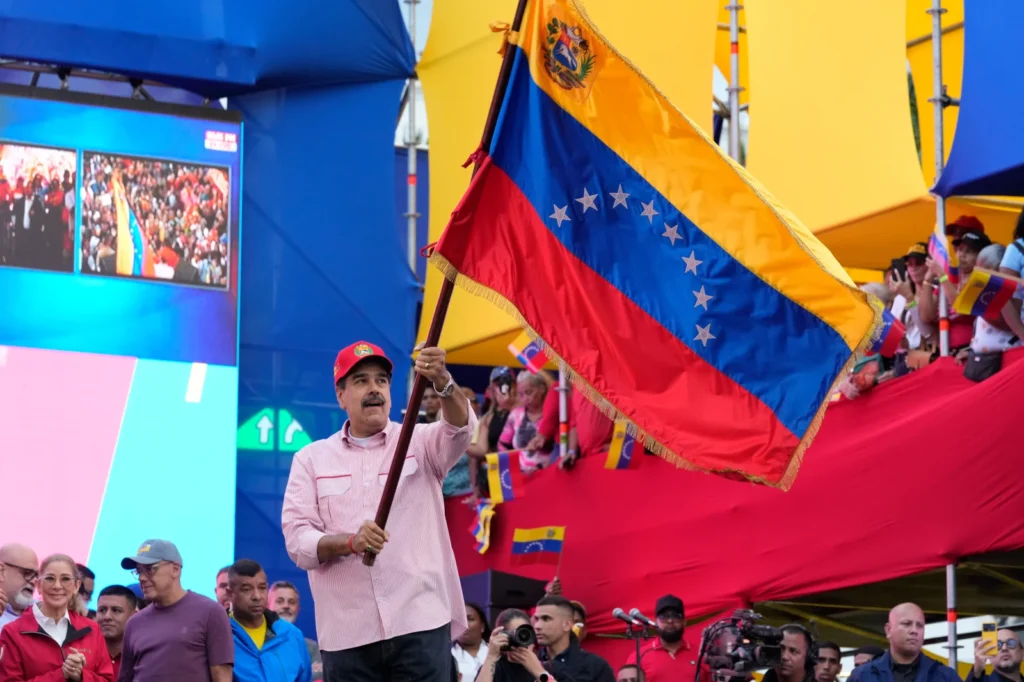
For the first time, Venezuela’s National Assembly acknowledged local casualties from the operations. Assembly president Jorge Rodríguez announced an investigation into what he described as the murder of Venezuelans in Caribbean waters. The statement marked a shift in the government’s public stance and signaled escalating diplomatic pressure.
Legal and Strategic Debate Continues
The debate extends beyond the incident itself. Lawmakers question the clarity of rules governing counter-narcotics missions, especially in international waters. They also seek to understand how authority is delegated among the Pentagon, commanders and the White House. The administration insists that Bradley acted properly and followed legal guidance. Critics argue that the situation exposes gaps in oversight and accountability.
This uncertainty places military strategy under a microscope. Supporters of the operations argue they disrupt violent cartels and protect U.S. communities. Opponents fear the missions could escalate conflict with Venezuela or risk civilian casualties. Both sides demand clear evidence and detailed briefings before forming conclusions.
What Comes Next
Congress now expects to gather facts from classified briefings, internal reports and potential video evidence. Their findings may shape future counter-narcotics policies and define how force is authorized abroad. The White House continues to defend the mission, urging lawmakers to trust commanders and legal advisers.
As Thursday’s briefing approaches, expectations rise. Lawmakers hope to determine whether the operation followed legal and ethical standards. They also want clarity on the roles played by Bradley and Hegseth. The administration says transparency will come through proper channels, not through the press.
Diplomatic tensions with Venezuela increase the urgency of this review. The United States faces a sensitive balance between combating drug trafficking and avoiding broader conflict. The coming weeks will determine whether the administration’s approach withstands congressional and public scrutiny.

Leave a Reply