


Fed rate cut discussions have reached a pivotal moment as the Federal Reserve prepares for one of its most divisive meetings in years. Chair Jerome Powell faces intense pressure to gather enough support for a third consecutive cut. The committee’s split highlights the unusual economic backdrop: inflation remains high, hiring is weak, and unemployment is climbing. These contradictions create an economic puzzle that fuels uncertainty inside and outside the central bank.
The 19-member committee rarely experiences this level of disagreement. Only 12 vote, but even several non-voters oppose another cut. Such deep fractures make consensus harder, especially when the economy sends mixed signals. As experts note, reasonable policymakers can easily reach different conclusions in these conditions.
Rising Dissent and Conflicted Economic Signals
The expected quarter-point reduction may face the most dissenting votes in six years. Some members worry that lowering rates again could signal complacency about inflation. Others argue that weakening employment demands further support. Transitioning between these viewpoints reveals how fragile the economic landscape has become.
The absence of official inflation and jobs data during the government shutdown intensified the conflict. Without clear numbers, interpretations vary widely. These gaps magnify philosophical differences and preview a future in which disagreements may become even louder once Powell’s term ends in May.
Leadership Questions and Policy Direction
President Donald Trump is expected to appoint Kevin Hassett as Powell’s successor. Many believe Hassett will push for faster and deeper cuts. His approach could push the committee into more contentious debates. Some see this as healthy diversity of thought. Others warn that extreme splits may shake financial markets, especially if votes fall along narrow margins like 8-4 or 7-5.
Fed Governor Christopher Waller noted that with a 7-5 split, even one shift in opinion could trigger a major policy swing. That risk creates unease among investors who rely on the Fed’s long-standing preference for unity.
A Hawkish Cut Likely This Week
Despite the division, markets expect what many call a “hawkish cut.” With this approach, the Fed reduces rates but signals fewer or no moves afterward. That balance aims to support hiring without feeding inflation. Officials who prefer higher rates may tolerate one more cut as long as strong warnings about a possible pause accompany it.
Kansas City Fed President Jeffrey Schmid is likely to dissent again, arguing for unchanged rates. St. Louis President Alberto Musalem may join him. Meanwhile, Governor Stephen Miran favors a sharper half-point reduction. His stance reflects ongoing battles between moderates and more aggressive policymakers.
Recent Comments Shift Market Expectations
After the last meeting, several leaders preferred holding rates steady. Markets briefly cut the odds of another move. Yet New York Fed President John Williams reshaped expectations when he stated that inflation spikes stemmed mainly from tariffs and might ease by mid-2026. His endorsement of room for “further adjustment” signaled alignment with Powell.
As the vice chair of the rate-setting committee, Williams votes at every meeting. Analysts say he would not make such statements without Powell’s backing. Investors reacted quickly, raising the probability of a cut to nearly 90%. This shift demonstrates Powell’s influence even amid growing internal tension.
Tensions with the White House
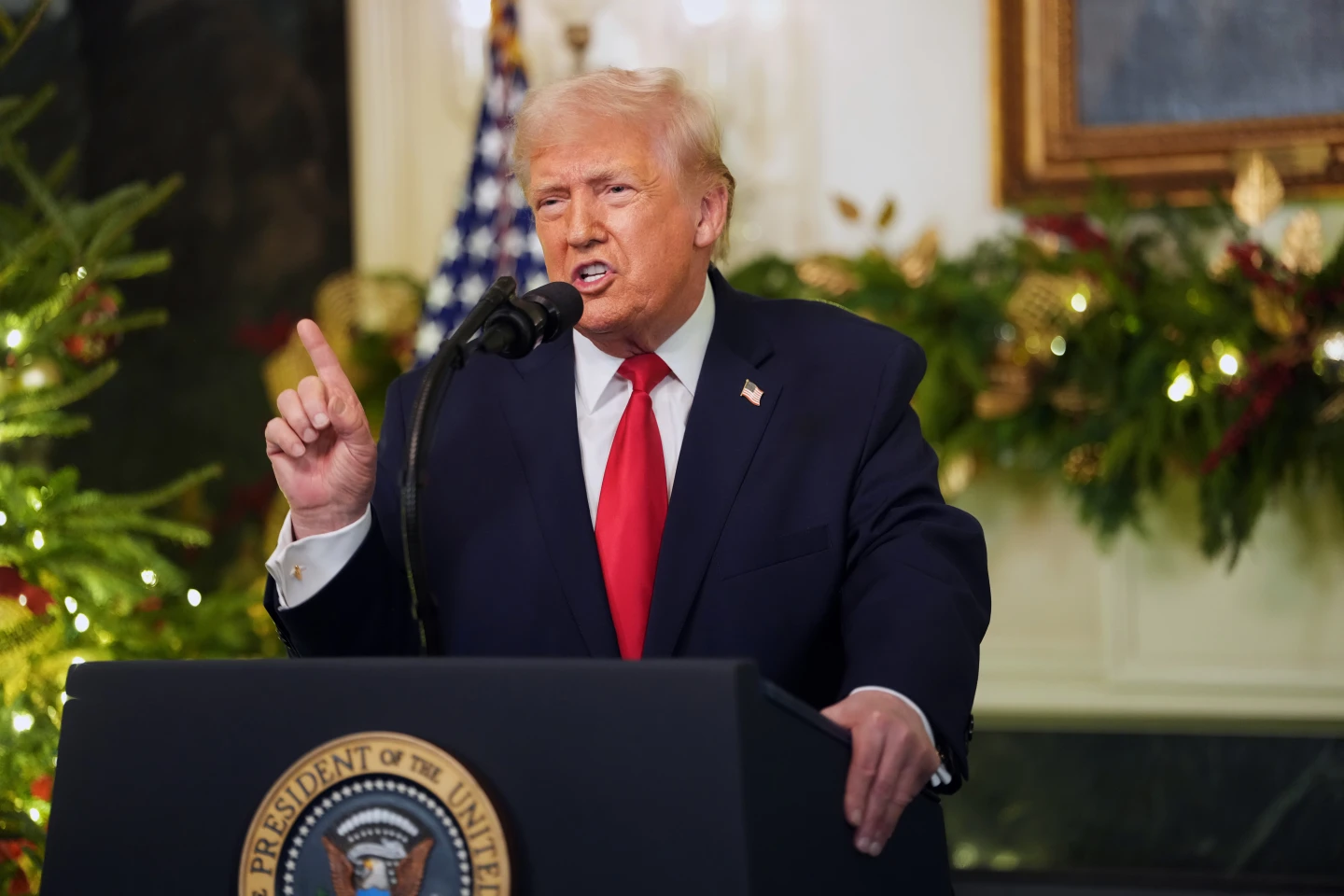
Powell continues to face harsh criticism from Trump, who recently mocked and insulted the Fed chair. Despite the pressure, Powell emphasizes the Fed’s dual mandate: low inflation and maximum employment. These goals often conflict. In the current climate, employment concerns are paramount. Weak jobs numbers, rising unemployment, and worsening private payroll data push many officials toward supporting another cut.
The unemployment rate reached 4.4% in September, its highest in four years. Layoff announcements from large corporations paint a bleak picture. And ADP reported that employers shed 32,000 jobs in November. These indicators reinforce fears that the labor market could deteriorate further in the coming months.

Why a Pause Could Follow the Cut
While another cut seems likely, officials are cautious about promising more. They will have access to months of backlogged data by January. That information could show whether inflation remains sticky or whether hiring rebounds. In either scenario, additional cuts may be unnecessary.
Some policymakers believe the best compromise is clear: lower rates now, then signal a potential pause. This approach provides economic support while maintaining credibility on inflation. Chief economist Kathy Bostjancic notes that such guidance would allow the Fed time to reassess before making another move.
Markets Watch for Clarity and Stability
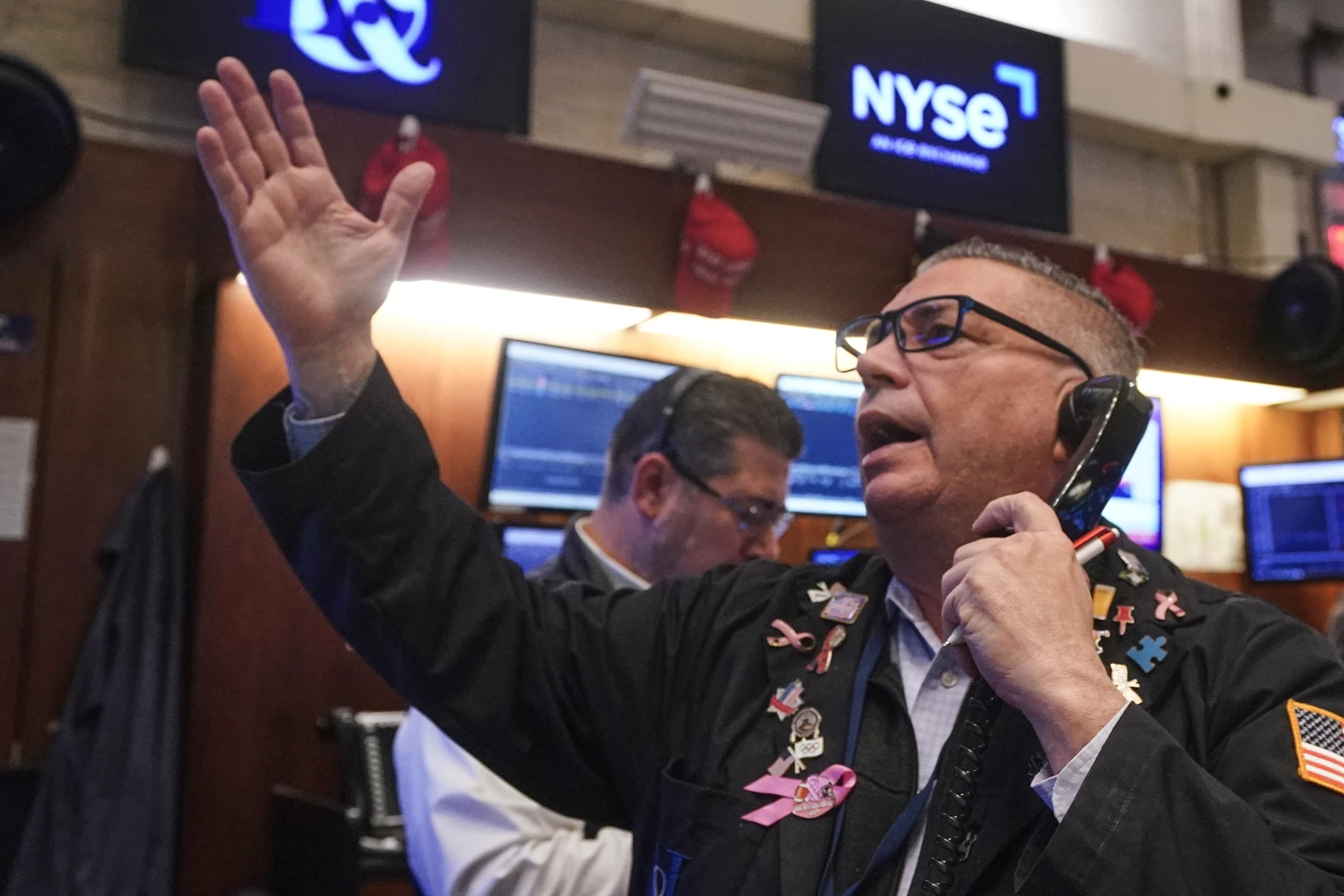
As the meeting approaches, investors crave stability. Sharp divisions risk unsettling markets. A narrow vote could spark doubts about the Fed’s direction. Conversely, a cut paired with strong language about a pause may reassure investors that officials remain aligned on long-term goals.
The next few months will provide crucial data that will determine whether the Fed must adjust again. Until then, Powell must navigate a divided committee, intense political pressure, and a complex economy. The outcome of this meeting will shape expectations for early 2026 and set the tone for the transition to the next Fed chair.


Leave a Reply