


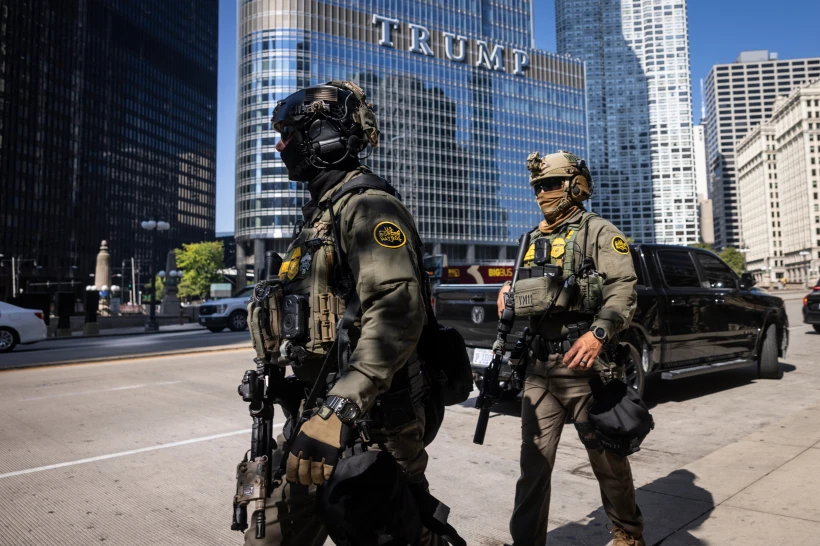
Federal law enforcement in US cities has surged this month, with heavily armed agents patrolling Chicago’s streets, National Guard troops ordered to Portland, and Memphis preparing for a new federal task force. The deployments, announced or executed under President Donald Trump, have drawn sharp criticism from governors, mayors, and civil rights groups who see them as intimidation tactics that threaten democratic norms.
Here’s what you need to know about the growing role of federal law enforcement in US cities — and why it has sparked controversy.
Chicago: Armed Patrols and Clashes Outside ICE Facility
On Sunday, residents and tourists in downtown Chicago were startled to see dozens of armed federal agents in tactical gear marching along Michigan Avenue, the Chicago River, and upscale shopping areas. Families eating at sidewalk cafés watched as agents from U.S. Customs and Border Protection (CBP) and U.S. Immigration and Customs Enforcement (ICE) patrolled with automatic weapons.
Mayor Brandon Johnson and Illinois Governor JB Pritzker condemned the operation. Johnson said it was an “intimidation tactic” that disrupted daily life, while Pritzker called it a “show of force that makes nobody safer.”
ICE Confrontations in Broadview
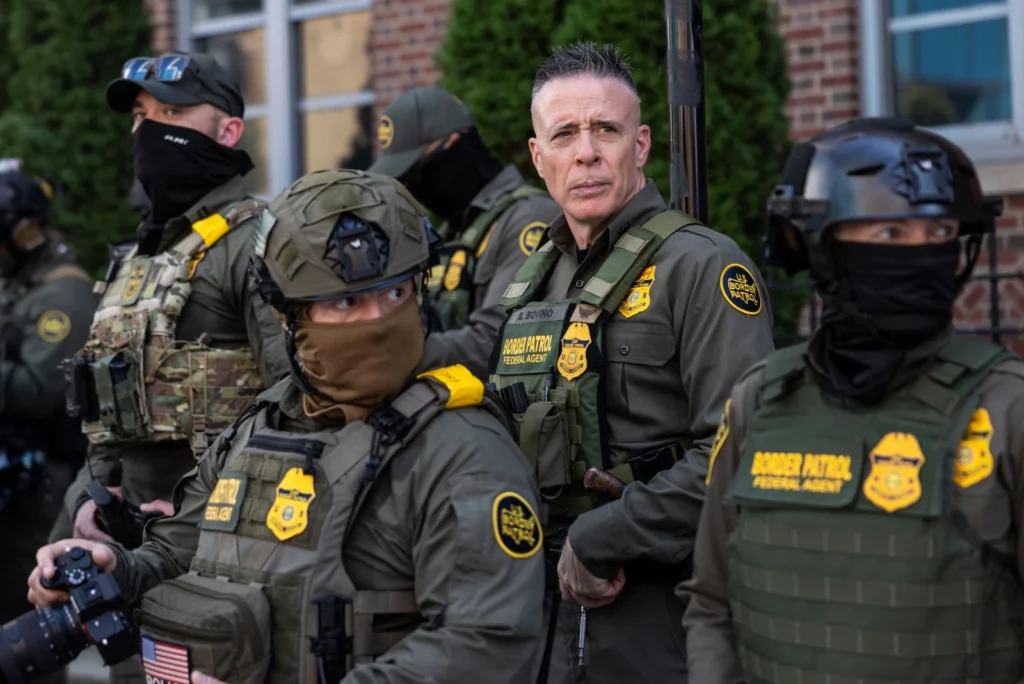
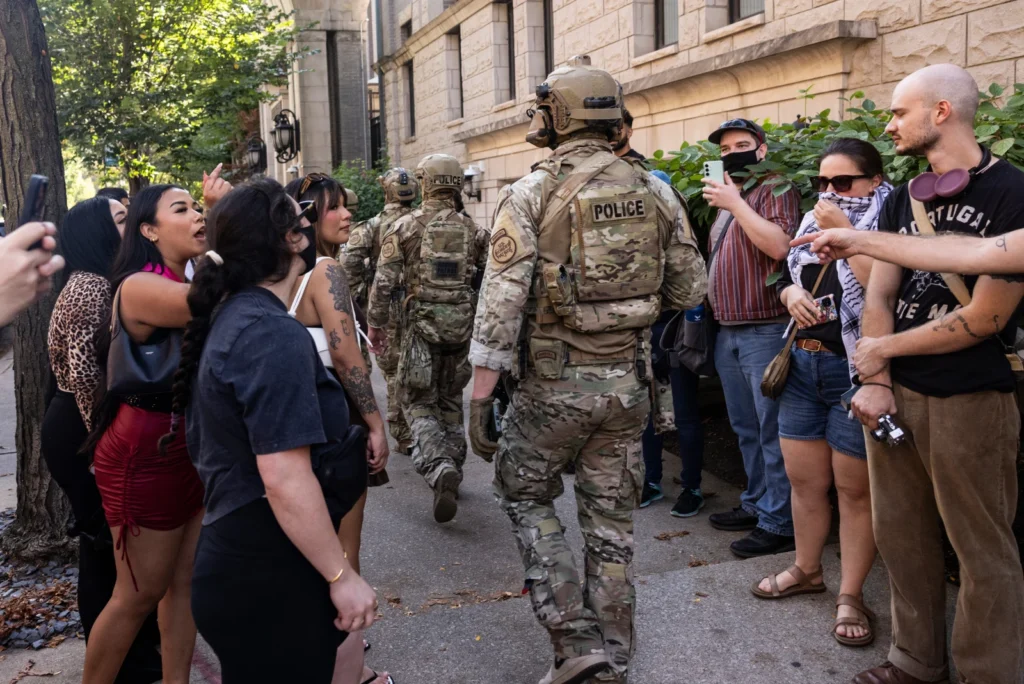
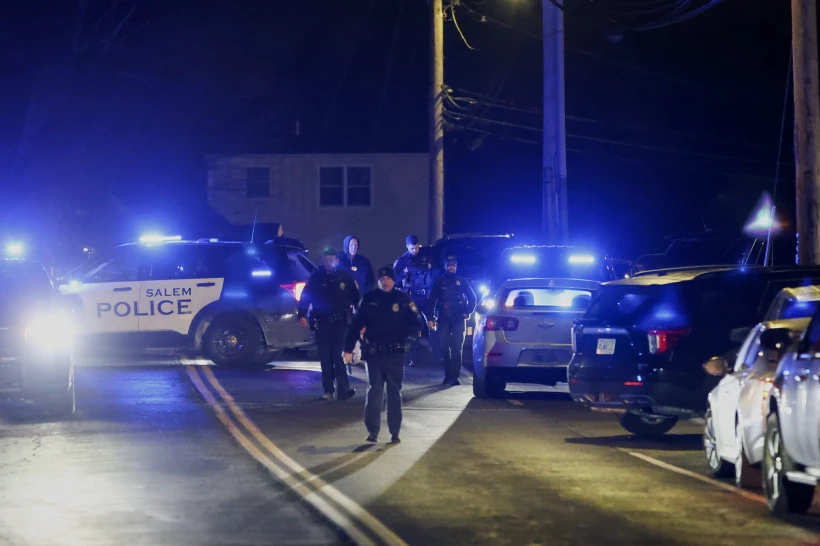
The visible patrols came after days of tension at an ICE facility in Broadview, a Chicago suburb. Protesters there clashed with federal agents who fired pepper bullets and tear gas into crowds. Local police are investigating reports that federal officers fired a chemical munition at a TV reporter’s vehicle, calling it an “unprovoked attack.”
Broadview’s mayor said ICE’s actions endangered residents, first responders, and journalists. Activists allege the site is operating as a detention center with unsafe and inhumane conditions.
Federal Perspective
Gregory Bovino, a Border Patrol chief also involved in Los Angeles crackdowns, said the Chicago operation targeted “the worst of the worst” — undocumented immigrants with criminal records. But critics noted that agents appeared to be patrolling without clear objectives, raising fears of random detentions.
Trump has previously threatened to send the National Guard into Chicago but has not yet acted. For now, federal law enforcement in US cities like Chicago is playing out as a mix of patrols, arrests, and escalating protests.
Portland: Trump Orders Troops, Oregon Pushes Back
Portland has been a flashpoint for protests against immigration enforcement. Demonstrations, often focused on one ICE building, have occasionally turned violent. Federal agents have reported injuries, while protesters say they too have been harmed by aggressive policing.
Trump’s National Guard Order
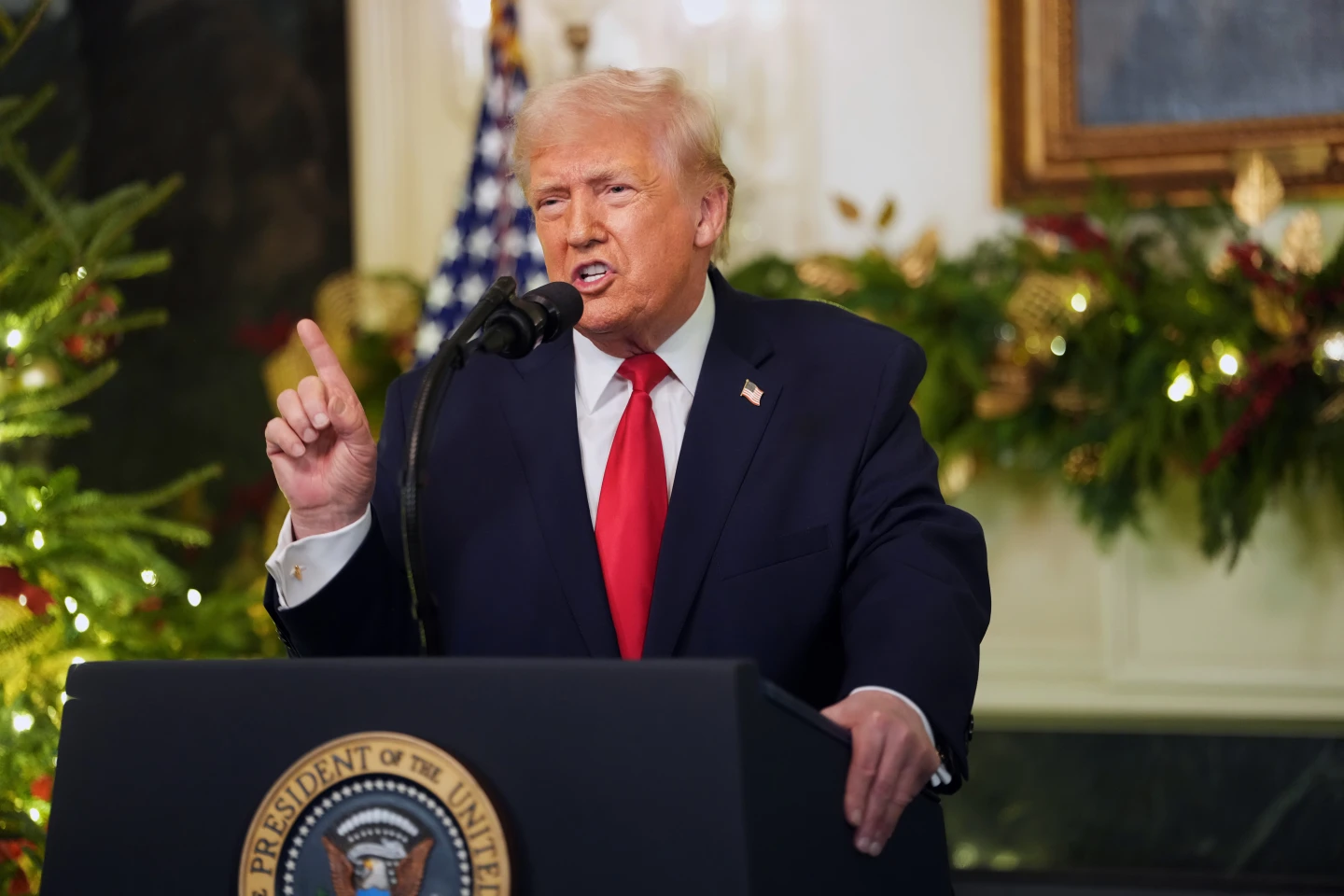
Last week, Trump ordered 200 National Guard troops to Portland, citing a need to protect immigration facilities and federal property. He described the city as “war ravaged” and claimed the protests threatened national stability.
Oregon Governor Tina Kotek rejected the deployment as unlawful. She refused to activate state troops, prompting Trump to bypass her by instructing Defense Secretary Pete Hegseth to mobilize them directly.
“This is an abuse of power and a disservice to our service members,” Kotek said.
Legal Challenge
Oregon Attorney General Dan Rayfield quickly filed a lawsuit, arguing Trump overstepped his authority. The complaint said Portland does not meet constitutional requirements for federal troop intervention, such as invasion or rebellion.
“Sending in 200 Guard troops to guard a single building is not normal,” Rayfield said. “Local officials have the capacity to handle public safety.”
The case now heads to federal court, setting up a high-stakes legal battle over the limits of presidential power and the role of federal law enforcement in US cities.

Memphis: Task Force and Guard Deployment Looming
Memphis, Tennessee, is bracing for the arrival of additional federal law enforcement this week. Trump announced a task force combining ICE, the Drug Enforcement Administration (DEA), and other agencies to tackle violent crime in the city.
Crime Context
Memphis has struggled with high crime rates, including homicides and carjackings. However, both Republican Governor Bill Lee and local Democratic officials note that some crime categories are already declining this year.
Lee said he expects no more than 150 National Guard troops, with another 300 Tennessee Highway Patrol officers supplementing local police. He insisted Guard members would not make arrests or deploy tanks, and that they would only carry weapons if requested by city officials.
Community Concerns
Latino residents in Memphis have expressed fear that ICE will use the surge to increase immigration detentions. Community leaders warned that legal residents could be swept up in raids.
On Saturday, demonstrators marched to City Hall demanding more investment in schools, healthcare, and youth programs instead of federal troops. “We need prevention, not militarization,” one activist said.
Why These Deployments Matter
The simultaneous crackdowns in Chicago, Portland, and Memphis reflect a broader trend: expanding federal law enforcement in US cities beyond traditional jurisdiction.
Critics argue the moves undermine local authority, escalate tensions, and erode civil liberties. Governors in Illinois and Oregon say Trump is using force to project strength rather than improve safety. Civil rights groups warn that deploying militarized agents creates fear among immigrants and minorities.
Supporters, however, say the federal government has a responsibility to step in when local authorities fail to control crime or protect federal property. Trump insists his actions are necessary to “restore law and order.”
Historical and Legal Context
The use of federal agents in domestic law enforcement has precedent, but usually in response to extreme situations: desegregation battles in the 1960s, riots in the 1990s, or terrorism-related emergencies.
Legal scholars note that the Constitution allows the president to deploy troops under the Insurrection Act in cases of rebellion or when states cannot enforce federal law. But opponents argue that isolated protests and crime spikes do not meet that threshold.
If Oregon’s lawsuit succeeds, it could set new limits on presidential authority. If it fails, the ruling might embolden further deployments of federal law enforcement in US cities.
What Comes Next?
- Chicago: Protests are likely to continue at ICE facilities, with city and state leaders pushing back against federal patrols.
- Portland: The lawsuit could determine whether Trump’s order stands. Even if overturned, the confrontation highlights ongoing tensions between states and Washington.
- Memphis: The impact of the new task force remains to be seen, but activists are already mobilizing to resist expanded ICE activity.
The deployments raise pressing questions: Will federal law enforcement in US cities improve safety, or deepen mistrust between communities and government? And how far will presidential authority stretch in the name of security?
Conclusion: A Test of Power and Public Trust
The growing presence of federal law enforcement in US cities has put Chicago, Portland, and Memphis at the center of a national debate. For supporters, it’s about restoring order. For critics, it’s about intimidation, overreach, and eroding democracy.
What happens next — in the courts, on city streets, and in Washington — will shape not only these three cities but also the precedent for how far the federal government can go in policing America’s streets.

Leave a Reply