


The gold card program launches a major shift in how the United States attracts investment and global talent. It replaces the previous EB-5 model and introduces a streamlined, revenue-generating pathway to residency and, eventually, citizenship.
A New Era of Investment-Driven Immigration
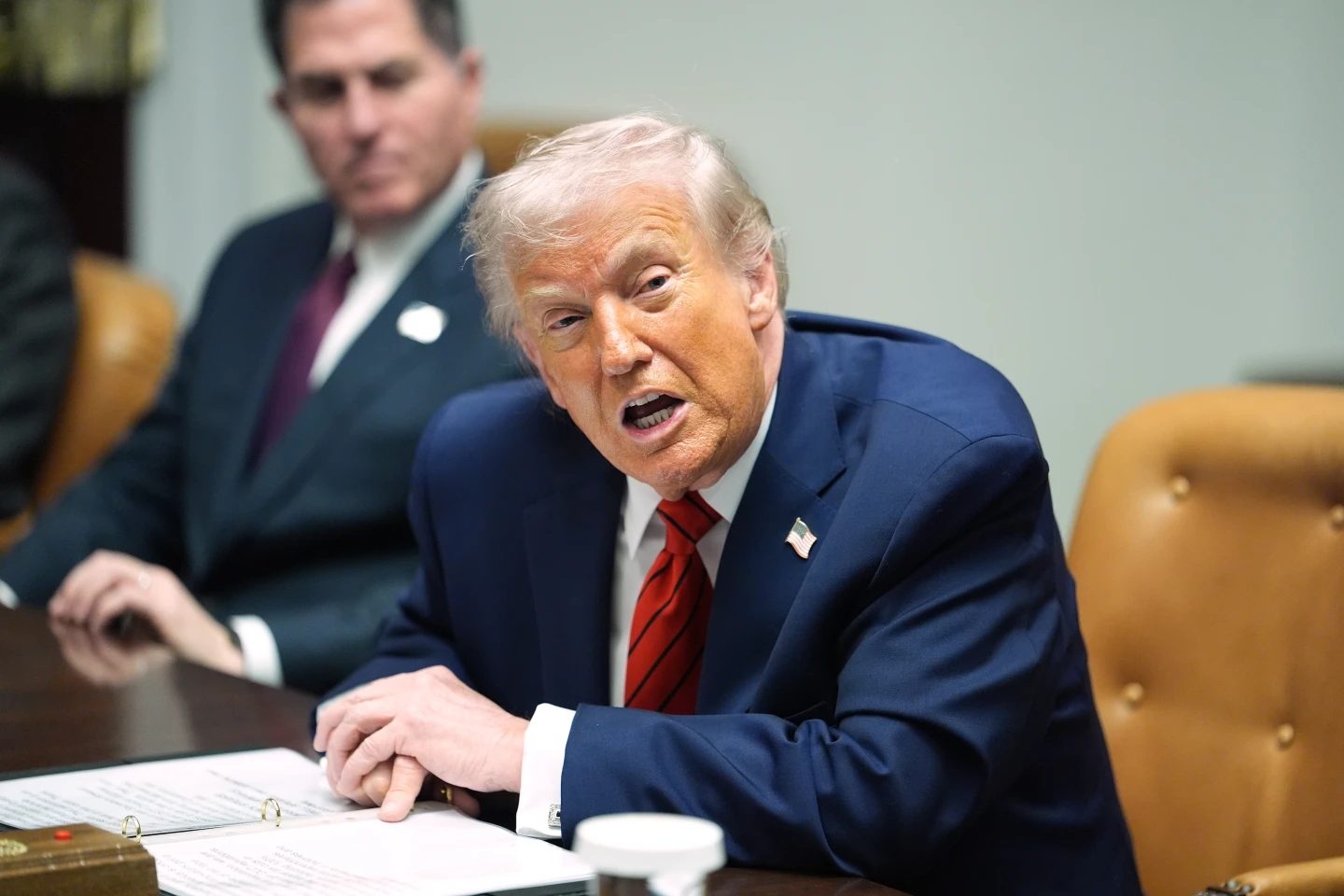
President Donald Trump introduced the initiative as a modern alternative to the EB-5 program. The earlier system required a similar investment but demanded job-creation benchmarks. The gold card program removes those conditions and focuses on clear pricing: $1 million per individual applicant and $2 million per employee sponsored by a corporation.
A new federal website now accepts applications. With that move, Trump signaled the administration’s goal to pull in substantial revenue while attracting high-achieving professionals. He emphasized that all collected funds will support federal priorities through a dedicated Treasury account.
A Direct Appeal to Global Talent
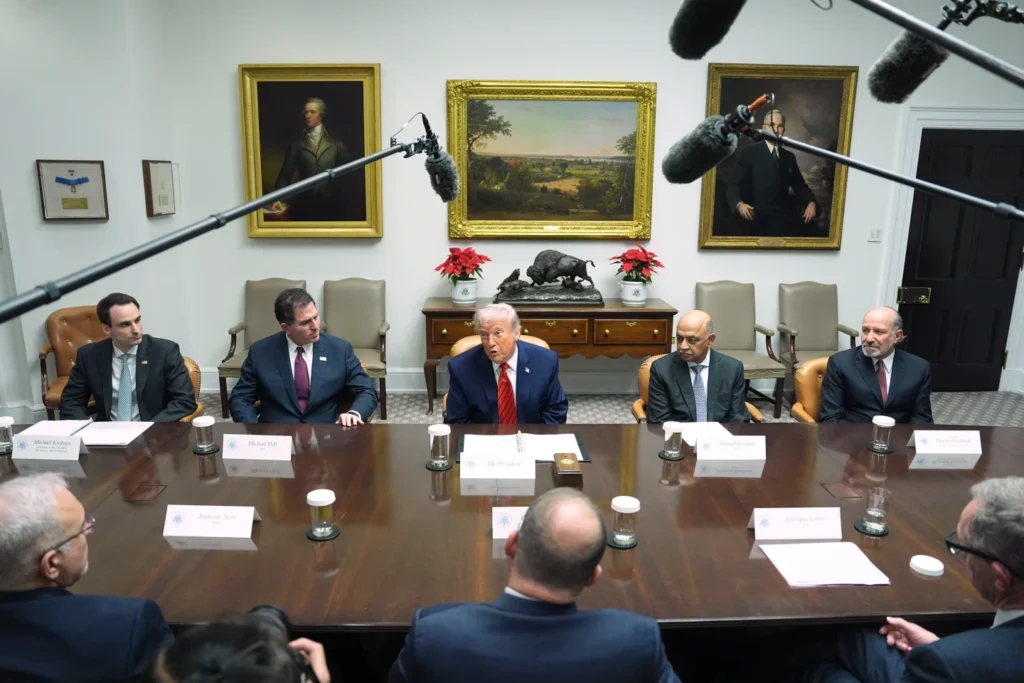
Trump positioned the program as a tool to retain skilled graduates from leading U.S. universities. Business leaders told him they struggled to keep top international students because they lacked long-term legal status. The gold card offers a direct solution for companies that wish to hire exceptional candidates without uncertainty.
The administration framed the card as an upgrade over the traditional green card. Trump labeled it “a much stronger path,” signaling its significance in the broader immigration strategy.
Balancing Tough Enforcement with Economic Strategy
Trump’s immigration policies have focused on strict border controls and large-scale enforcement efforts. Yet the gold card program highlights another aspect of his agenda: encouraging skilled immigration that fuels the U.S. economy.
Some supporters of Trump’s broader political movement have criticized this approach. They argue that allowing more skilled immigrants conflicts with his hard-line stance. Trump answered those concerns by emphasizing the economic value of high-performing global talent.
Corporate Use and Vetting Standards
Commerce Secretary Howard Lutnick outlined the program’s vetting fee of $15,000. He described a thorough background-checking process aimed at ensuring strong qualifications. Companies may apply for multiple cards but must associate each one with a single individual.
Lutnick also noted that many current green card holders earn less than the national average. He claimed the new program focuses on applicants who have strong potential to contribute economically from day one. His message underscored the administration’s goal to reshape the profile of long-term U.S. residents.
The U.S. Joins Global Golden Visa Trends
Many nations already use investor-visa programs to attract affluent individuals. Countries like the United Kingdom, Greece, Malta, Italy, Canada and Australia offer variants of golden visas. The U.S. gold card aligns America with that global trend but distinguishes itself with its emphasis on elite talent and high financial thresholds.
Trump highlighted that the U.S. views these applicants as “tremendous people,” pointing to top graduates from China, India and France. He said companies will welcome the ability to compete globally for skilled professionals without complicated visa uncertainty.
Economic and Workforce Impact
Supporters argue that the program can strengthen the U.S. workforce by adding high-earning, high-skill individuals who generate tax revenue and innovation. By reducing visa obstacles, companies may more easily recruit specialists in technology, finance, engineering and science.
The administration expects significant financial inflows from the program’s steep entry price. They also expect increased stability for companies planning long-term research projects or expansions that rely on specialized global expertise.
A Program With Broad Implications
The gold card program may influence economic policy, immigration strategy and business planning for years. It signals a shift toward welcoming talent through investment rather than emphasizing job creation metrics. While it has sparked debate, it clearly reflects a strategic effort to blend immigration reform with economic growth.
As the program gains traction, its long-term impact will depend on demand, corporate adoption and the global competitive landscape for skilled workers. For now, it stands as one of the most significant immigration changes of the Trump administration’s second term.





Leave a Reply