


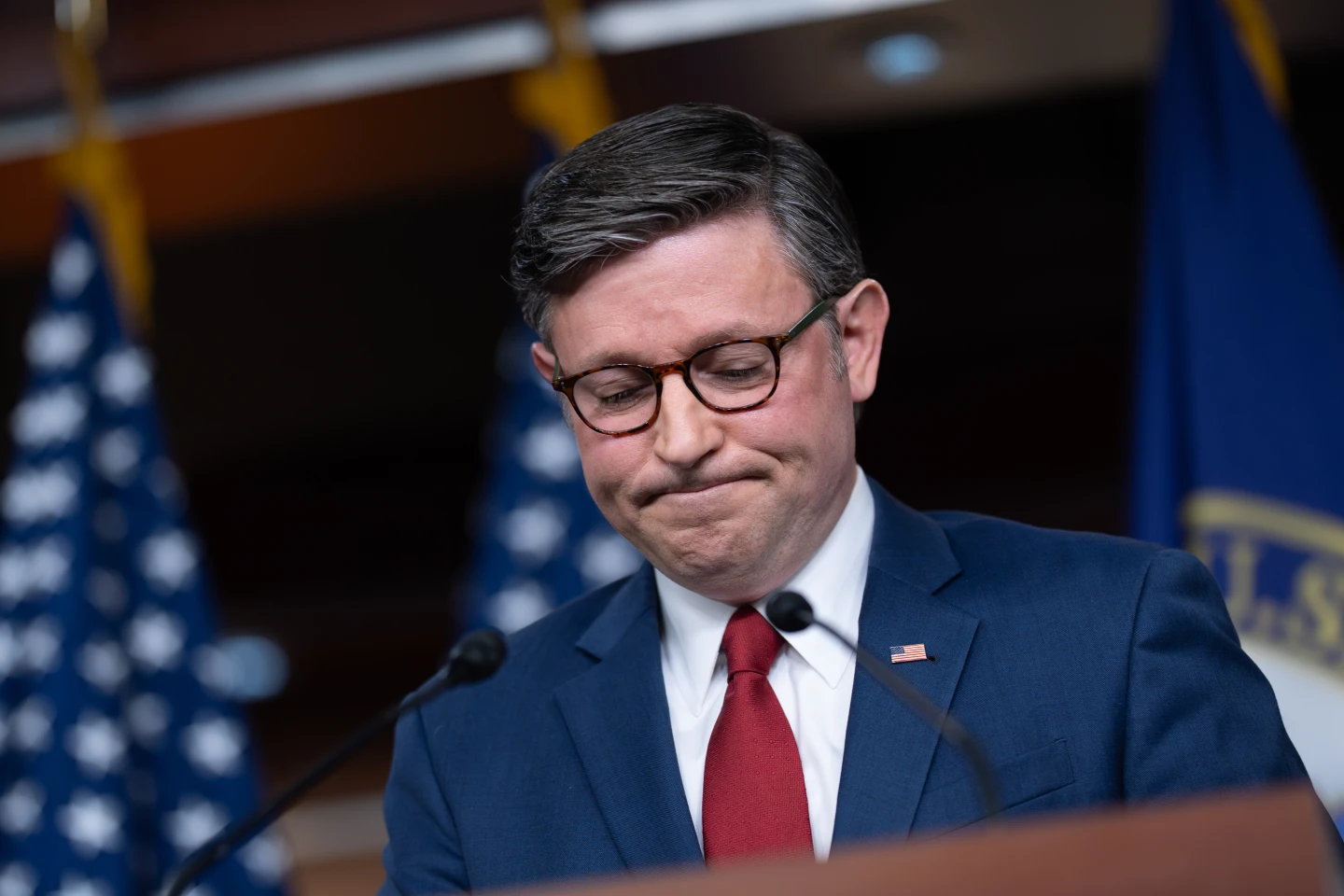
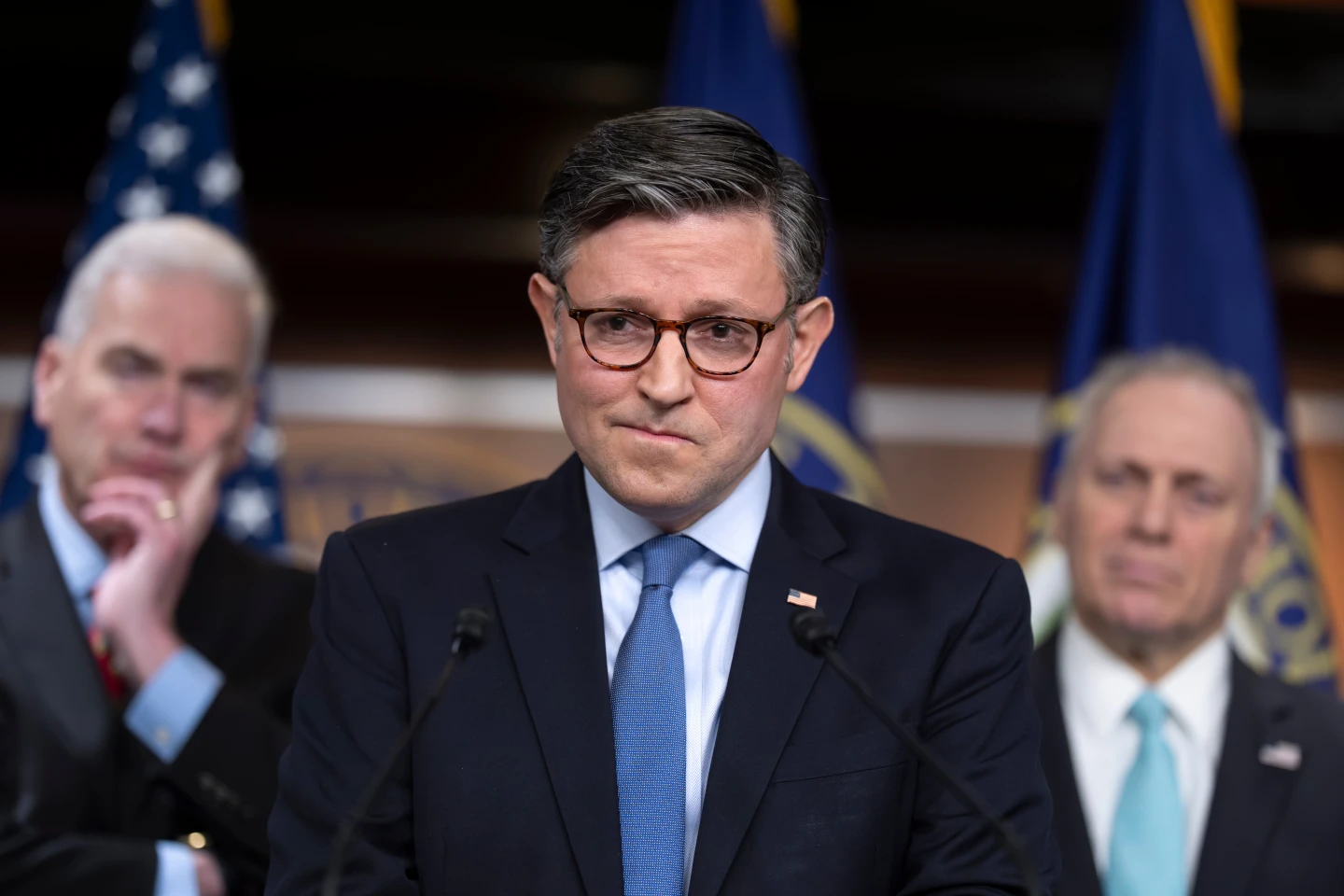
The GOP leadership turmoil escalated this week as Speaker Mike Johnson pleaded with Republicans to keep their grievances private and speak with him directly. Johnson urged members to avoid airing frustrations on social media, yet many ignored his request. The tension highlighted a widening divide inside the conference and intensified concerns about the party’s stability heading into next year’s elections.
Internal Friction Spills Out
Johnson acknowledged that disagreements are part of the legislative process, but he stressed the importance of direct communication. Despite his appeal, members openly criticized him, creating a storm of internal conflict. A leadership-backed bill faltered, Republicans forced votes through discharge petitions, and a member of his own leadership accused him of dishonesty. These moments exposed fractures that Johnson struggled to contain.
Rep. Kevin Kiley of California said Johnson needed to change his leadership approach. He argued that Johnson had criticized rank-and-file members, so he should be ready to receive criticism himself. Kiley added that there were ample reasons for dissatisfaction, pointing to the party’s strategic missteps, including redistricting losses in California.
Discharge Petitions Highlight Frustration
The use of discharge petitions became a symbol of Republican anger. Johnson once held his slim majority together to pass major elements of President Trump’s agenda. However, after a long government shutdown that kept lawmakers away from Washington for nearly two months, pent-up frustrations surfaced.
Members first forced a vote to release the Jeffrey Epstein files. That petition succeeded once it reached the required signature threshold. Lawmakers then began launching more petitions, an approach long viewed as a challenge to leadership authority. Rep. Dusty Johnson said the surge reflected deep frustration within the conference.
Another petition sought to repeal Trump’s executive order ending collective bargaining with federal labor unions. This one also crossed the signature threshold, backed by several Republicans. And this week, Rep. Anna Paulina Luna pushed a petition to ban congressional stock trading, gaining early bipartisan support.
Luna dismissed claims that she was acting out of anxiety. Instead, she said she was angry that Congress continued to rely on discharge petitions to move legislation. Rep. Nancy Mace echoed these concerns and said she personally communicated her frustrations to the speaker. She insisted she wanted Trump’s executive orders codified and questioned why such measures required petitions at all.
Leadership Clashes Intensify
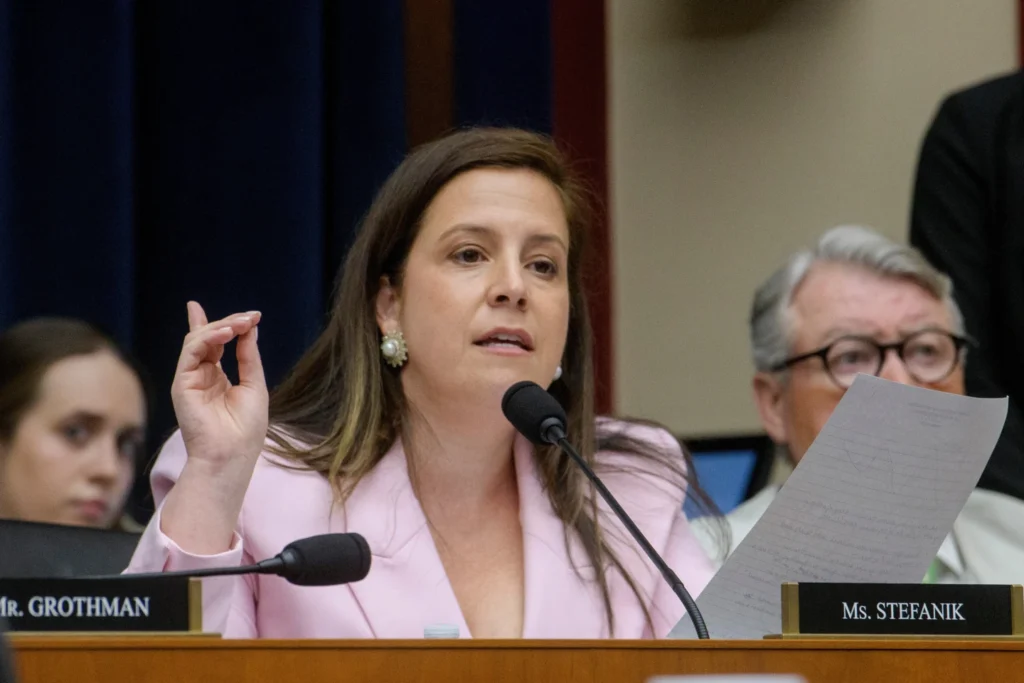
Tensions rose further when Rep. Elise Stefanik blasted Johnson for excluding a provision she supported from a defense bill. She publicly accused Johnson of lying and questioned his ability to lead. Her remarks marked one of the most direct confrontations Johnson has faced from within his leadership team.
Johnson said he spoke with Stefanik and wished she had come to him privately. When asked if she apologized, Johnson deflected. Some Republican members defended him, arguing that internal disagreements should not overshadow the party’s broader mission. Democrats, meanwhile, mocked the disarray, saying Republicans were unable to legislate effectively.
Fears of Losing the Majority
Concerns about the 2026 midterms added urgency to the internal struggle. A special election in Tennessee showed a sharp drop in GOP margins. Although Republican Matt Van Epps won, the narrowed victory margin alarmed lawmakers like Rep. Don Bacon, who said the result should be a wake-up call. He urged the party to deliver economic progress and break out of what he described as an ideological bubble.
Growing retirements—including Rep. Marjorie Taylor Greene’s abrupt announcement that she will resign—added to the party’s challenges. Redistricting battles triggered by Trump’s pressure on states have also backfired. California voters approved a new congressional map that benefits Democrats, pushing some Republicans into tougher districts.
Kiley argued that relying on redistricting to protect the majority was unrealistic. Instead, he said the House should focus on advancing meaningful legislation and demonstrating effective governance.




Leave a Reply