


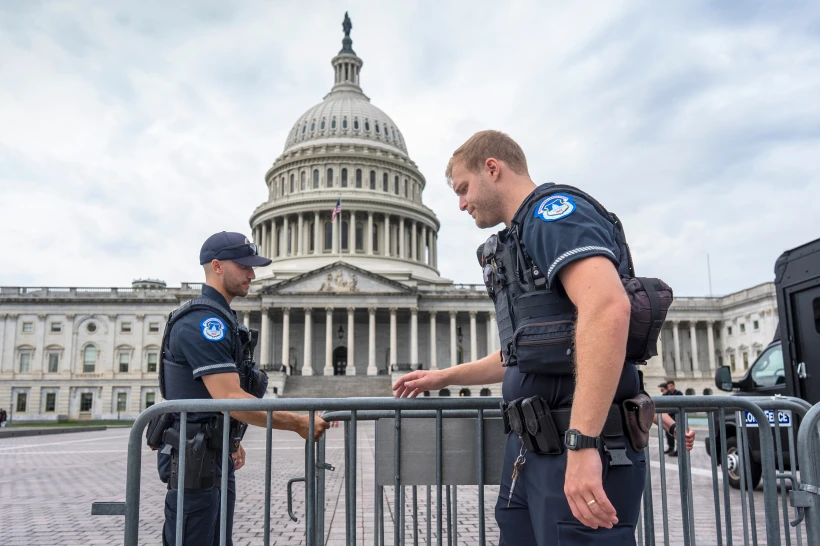
White House issues shutdown directive
WASHINGTON (AP) — The White House directed federal agencies to prepare firing plans if a government shutdown happens next week. The Office of Management and Budget (OMB) told leaders to create reduction-in-force strategies for programs that lose funding and fail to meet the president’s priorities.
This step goes beyond past shutdowns. In earlier crises, federal workers stayed on furlough and returned when lawmakers passed a funding bill. Now, OMB is pushing for permanent cuts that would eliminate positions entirely.
Shutdown could trigger mass layoffs
A government shutdown has always disrupted services, but this time, the stakes are higher. Instead of pausing work, agencies could fire thousands of employees. Once the shutdown ends, leaders would keep only the minimum staff needed to carry out essential duties.
Such measures threaten the stability of the federal workforce. Workers who lose their jobs may not return, leaving agencies with fewer resources to serve the public.
Democrats resist Republican plan
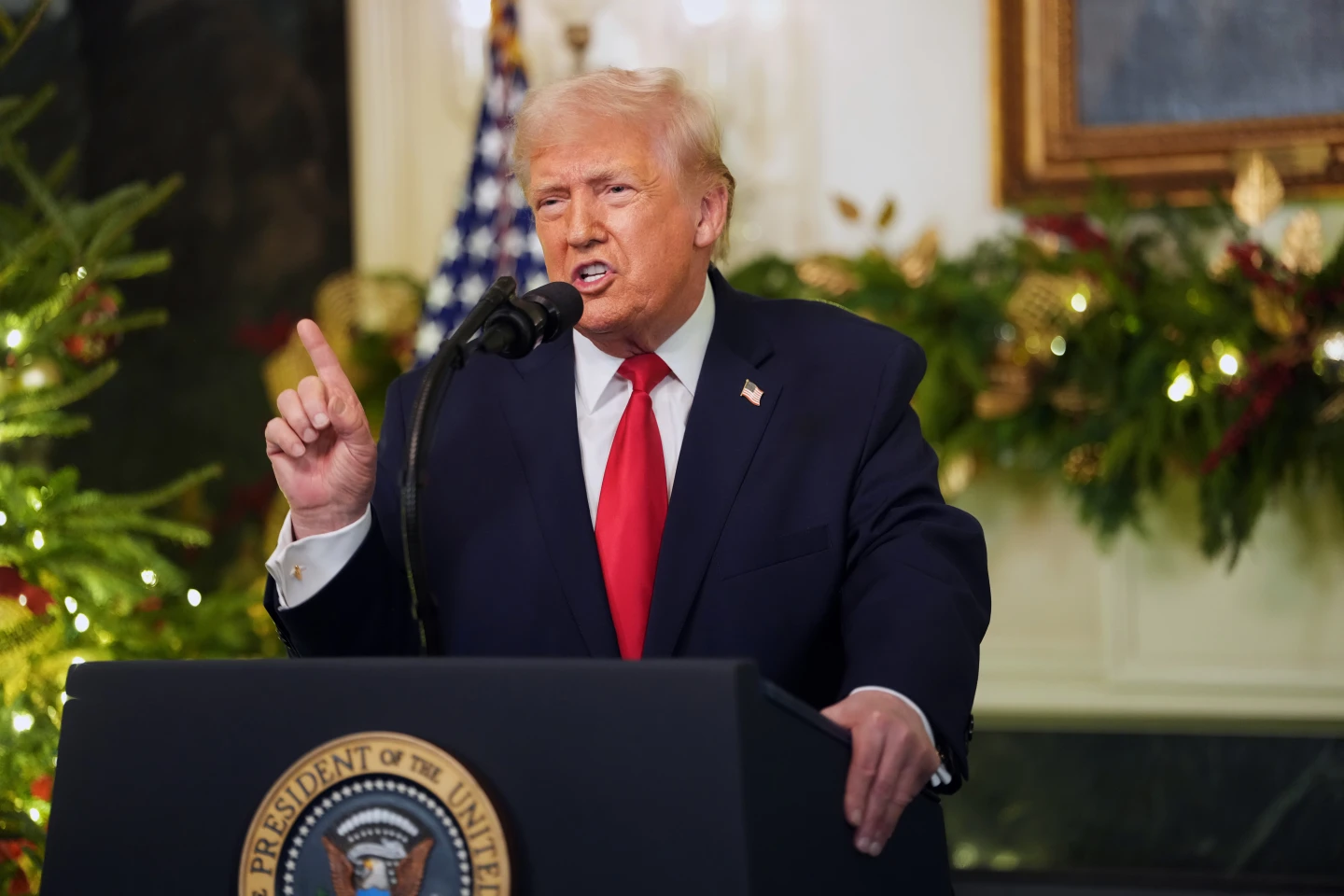
The OMB memo intensified the fight between President Donald Trump and Democratic leaders. Trump and Republicans back a seven-week spending bill to keep the government open. Democrats refuse to support it unless it includes health care protections and a reversal of Medicaid cuts.
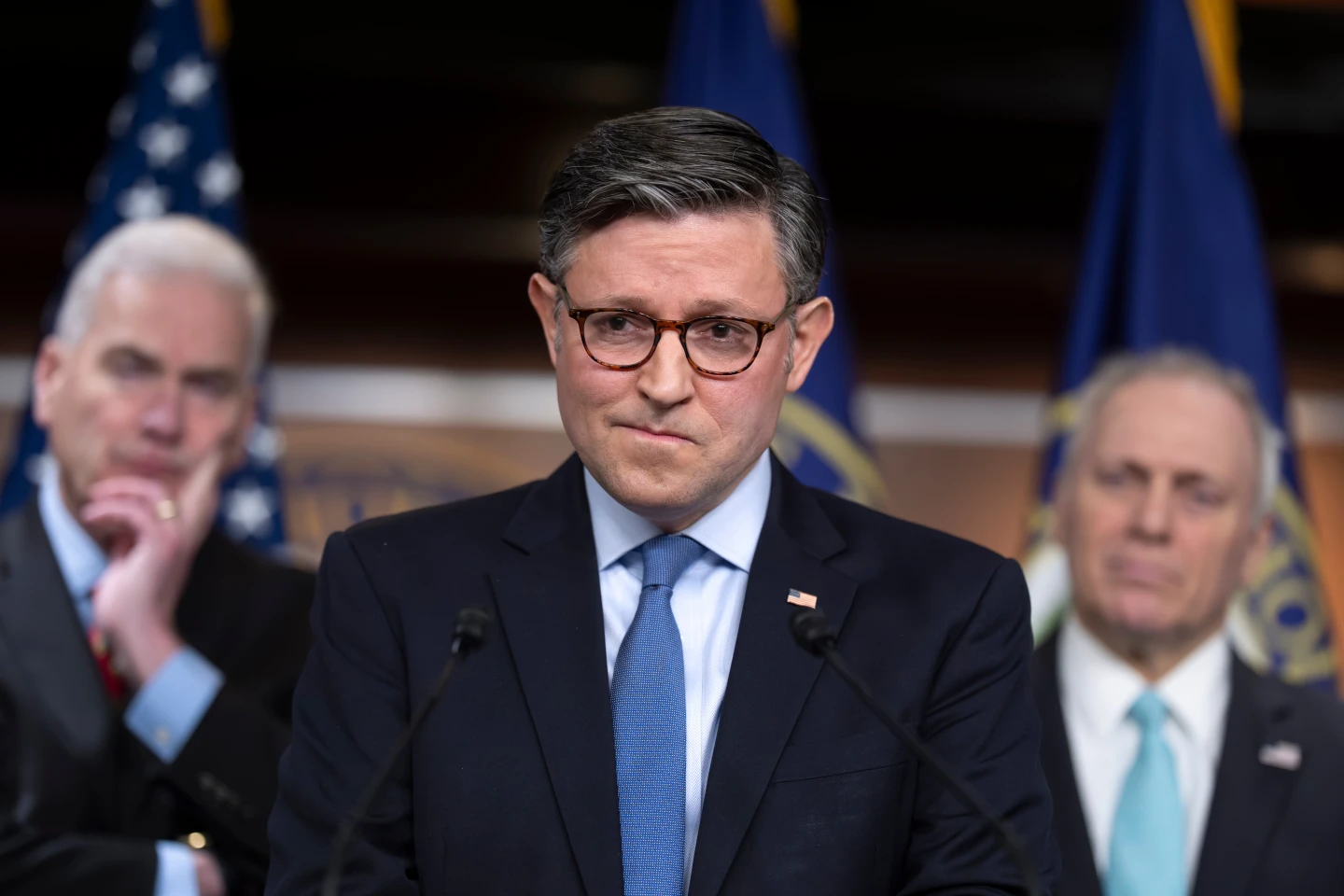
House Minority Leader Hakeem Jeffries denounced the firing plan. “We will not be intimidated by your threat to engage in mass firings,” he wrote on X. Senate Minority Leader Chuck Schumer also rejected the move, calling it “an attempt at intimidation.”
High stakes for workers
Federal workers fear the fallout from a government shutdown. Unlike furloughs, layoffs would cut their jobs permanently. John Palguta, a former federal employment official, warned: “These reductions could weaken agencies for years. Once talent leaves, it will be hard to replace.”
Employees already faced earlier cuts this year through the Department of Government Efficiency. Many now see this shutdown as the most severe threat yet.
OMB pushes agencies to act
OMB asked agencies to submit shutdown plans by August 1. Many complied, but some have not finished. Officials said they need updated strategies “ASAP.” The budget office also began regular planning calls to prepare for a lapse in funding.
In its memo, OMB blamed Democrats for refusing to support a clean bill. The office argued that the GOP’s new tax and border spending law secures enough money to keep “core Trump Administration priorities” running without delay.
Broader consequences of a shutdown
If leaders fail to strike a deal, a government shutdown will start October 1. Services could stall, and entire programs may vanish if cuts go forward. Beyond Washington, the layoffs could ripple through communities where federal workers live and spend their paychecks.
Economists warn that a prolonged shutdown could slow growth. With permanent job losses, recovery may take longer than in past crises.
What happens next
As the deadline approaches, the White House shows no sign of backing down. Democrats also refuse to change their stance. Unless both sides compromise, the country faces not only another government shutdown but also a lasting reshaping of the federal workforce.




Leave a Reply