


White House Scrambles to Clarify
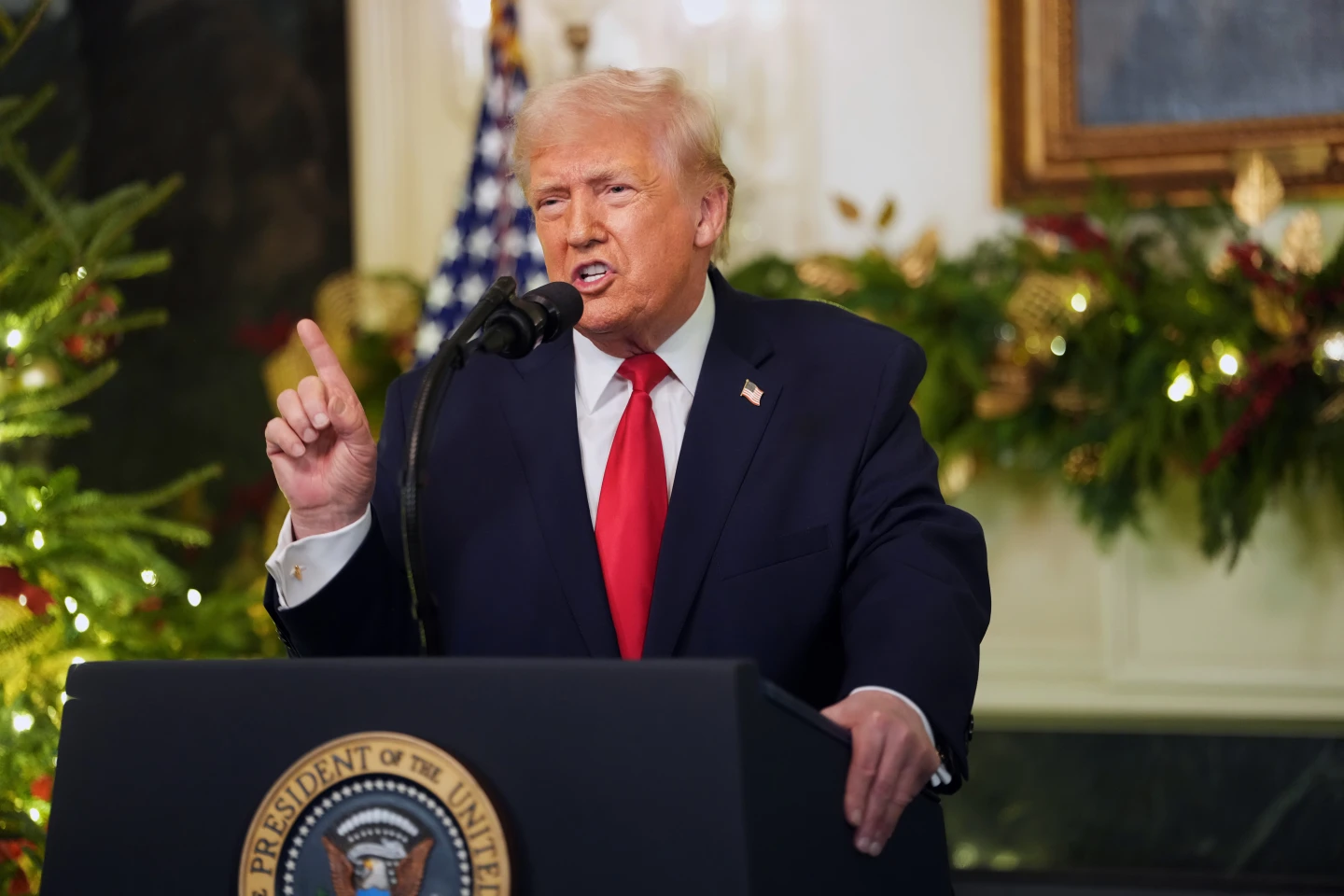
President Donald Trump’s latest immigration move has sparked confusion among skilled immigrant workers. On Saturday, Trump signed a proclamation imposing a new H-1B visa fee of $100,000 per year for new applicants.
The fee took effect Sunday at 12:01 a.m. ET and is set to last one year, though officials say it could be extended. Many immigrant workers feared they would have to pay the fee to maintain their legal status.
To calm concerns, White House press secretary Karoline Leavitt clarified the policy on social media. “Those who already hold H-1B visas and are currently outside of the country right now will NOT be charged $100,000 to re-enter,” she posted. “This applies only to new visas, not renewals, and not current visa holders.”
A Sharp Increase in Costs
The sudden change marks a massive jump from the previous visa fee of $215. Critics say the new H-1B visa fee could effectively shut the door on thousands of skilled foreign workers.
Trump defended the move, claiming tech firms would support it. “I think they’re going to be very happy,” he said. “If you have a very sophisticated engineer and you want to bring them in, you can pay $100,000 for your H-1B visa.”
Commerce Secretary Howard Lutnick argued the policy would make companies invest more in American workers. “If you’re going to train people, you’re going to train Americans,” he said.
Impact on Tech Industry
The H-1B visa program allows U.S. companies to hire skilled foreign workers in specialized fields. Major firms like Amazon, Microsoft, Apple, and Google rely heavily on the program. In 2024, Amazon alone secured more than 10,000 H-1B visas.
Analysts warn that the steep H-1B visa fee will discourage companies from sponsoring foreign talent. Lutnick himself admitted the fee would result in fewer applications, well below the annual 85,000 cap.
Some firms worry the policy will deepen labor shortages in high-demand fields like engineering and computer science. Others fear it will drive global talent to Canada and Europe, where immigration rules are more favorable.
Legal Challenges Ahead
Experts predict lawsuits will challenge Trump’s proclamation. Doug Rand, a former immigration official, called the fee “ludicrously lawless.” He argued that bypassing Congress to impose such costs undermines the legal framework of U.S. immigration policy.
Immigrant rights groups say the measure unfairly punishes skilled workers who already face long waits for permanent residency. Advocacy group U.S. Tech Workers, however, welcomed the move, calling it “the next best thing” to abolishing H-1B visas.
Courts will likely decide whether the executive action survives. For now, the uncertainty adds to the confusion among employers and workers.
Broader Immigration Agenda
The new H-1B visa fee is part of Trump’s broader push to reshape U.S. immigration. Alongside the fee, the administration unveiled new “gold card” and “platinum card” visas. These investor visas, priced at $1 million and $5 million respectively, promise fast-track citizenship and fewer tax obligations.
Critics say the changes favor the wealthy while restricting opportunities for skilled workers. Labor unions argue that Trump is using immigration as a political tool rather than solving underlying workforce challenges.
Other Headlines from the White House
The announcement comes amid several other Trump administration moves:
- Autism findings: Trump promised to reveal “an answer to autism” in a press conference. Health and Human Services Secretary Robert F. Kennedy Jr. has promoted controversial theories linking vaccines to autism, a claim widely discredited by scientists.
- TikTok takeover: Trump confirmed discussions with billionaire investors, including Rupert Murdoch and Michael Dell, about forming a group to take control of TikTok’s U.S. operations.
- Pentagon media rules: Journalists covering the Pentagon will be required to sign pledges restricting what they can report, raising concerns about press freedom.
What Comes Next
For immigrant workers, the immediate question is how the H-1B visa fee will affect their careers. While renewals are exempt, new applicants face steep costs that could discourage companies from sponsoring them.
The White House insists the change will boost U.S. jobs. Tech leaders, however, have yet to weigh in. Their response could shape whether the policy stands or faces swift reversal in court.
For now, uncertainty prevails. With the fee already in effect, skilled immigrants and employers must navigate a shifting landscape that could determine the future of America’s high-tech workforce.


Leave a Reply