


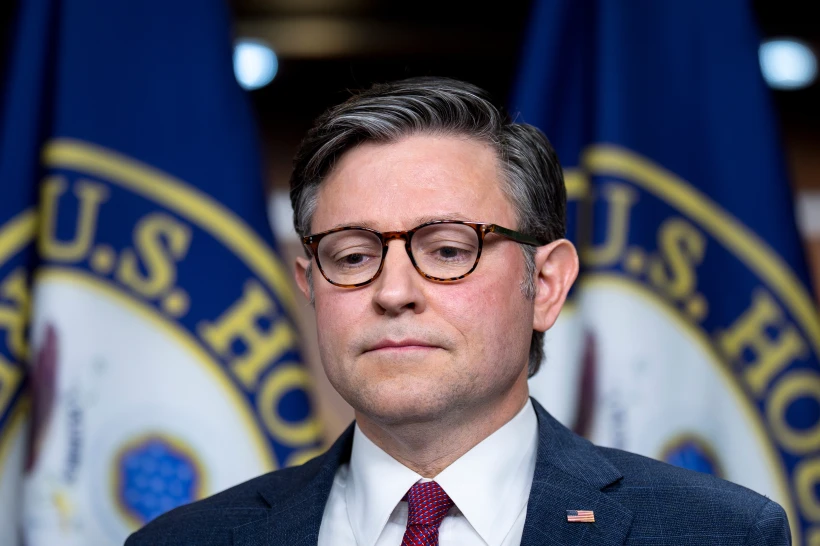
Health Care Plan initiatives are now in the spotlight as Speaker Mike Johnson introduced a new package late Friday. The plan comes as Republican lawmakers refuse to extend enhanced tax subsidies for Affordable Care Act policies, which expire at the end of the year. These subsidies help families reduce insurance costs.
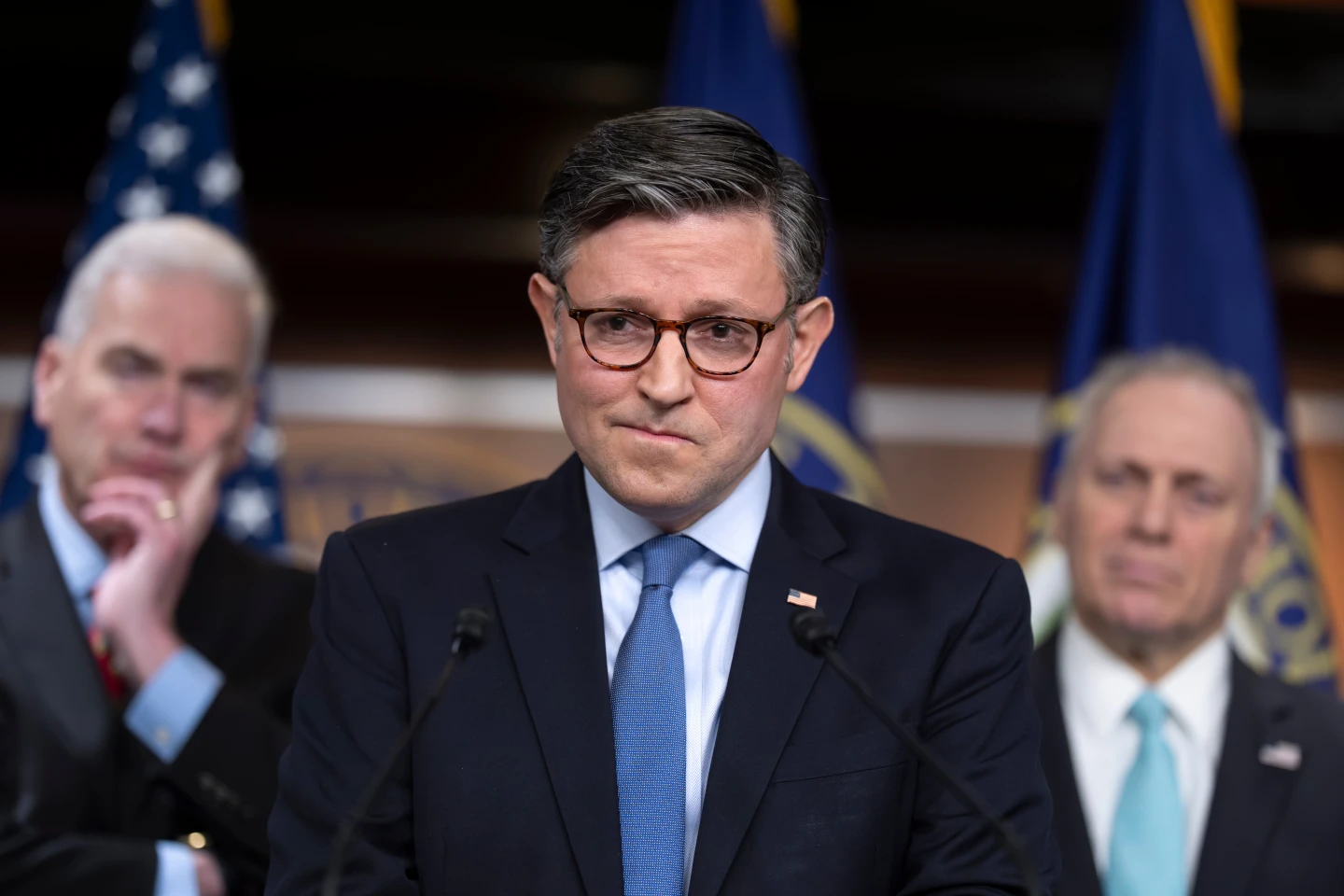
Johnson, R-La., held private meetings throughout the week to finalize proposals before the House wraps up 2025 work. “House Republicans are tackling the real drivers of health care costs to provide affordable care,” Johnson said. The package is scheduled for a vote next week.
Democratic Response
House Democratic Leader Hakeem Jeffries criticized the plan. “House Republicans have introduced toxic legislation that is completely unserious, hurts hardworking America taxpayers and is not designed to secure bipartisan support,” Jeffries said.
Democrats remain cautious after the longest federal government shutdown in U.S. history, which aimed to push Republicans toward negotiations on health care. The Senate could not pass either party’s proposal this week, leaving Congress with no consensus solution.
Key Republican Proposals
The Republican plan includes more than 100 pages focusing on long-standing GOP ideas. These include expanding association health plans for small businesses and self-employed individuals. Proponents argue these plans help negotiate lower premiums. Critics, however, warn that coverage may fall short of ACA standards.
The package also demands more transparency from pharmacy benefit managers (PBMs) to control drug costs. Critics claim PBMs have inflated prices and challenged independent pharmacies. Additionally, the plan mentions cost-sharing reductions for lower-income ACA participants, effective January 2027.
Notably, the proposal does not extend enhanced tax credits, which expire December 31. Families could face double or higher premiums without the subsidy, creating urgency among lawmakers.
President Trump’s Perspective
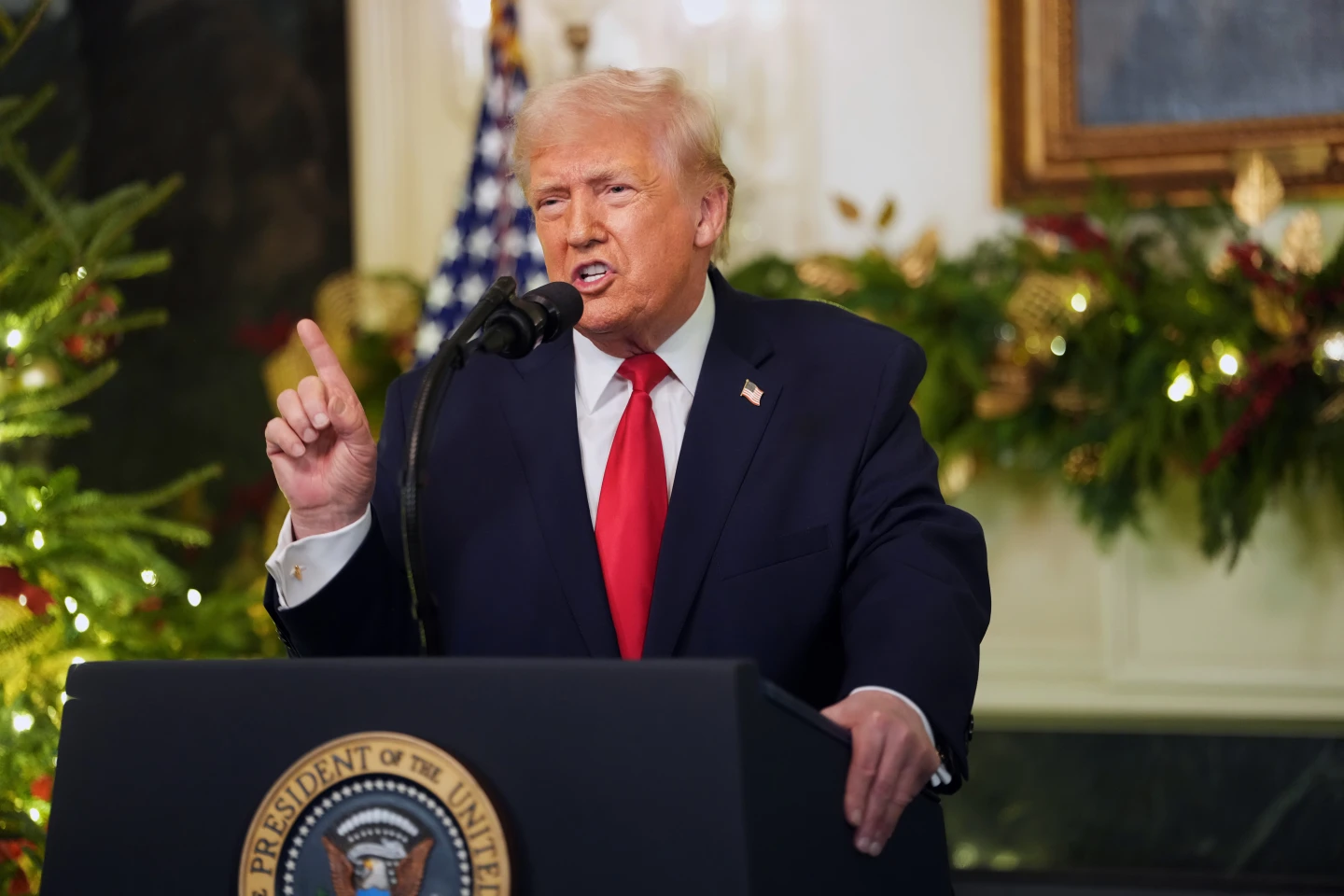
President Donald Trump endorsed a different approach, aiming to provide Americans with stipends to purchase insurance directly. “I want to see the billions of dollars go to people, not to the insurance companies,” Trump said. He did not comment directly on Johnson’s plan.
Previous Senate GOP proposals included health savings account payments up to $1,500 for older enrollees. The new House package contains no similar accounts.
Political Pressure and Discharge Petitions
Some centrist House Republicans seek temporary ACA subsidy extensions to avoid rising health costs for constituents. These lawmakers back bills and discharge petitions that could force a floor vote despite party leadership opposition.
Rep. Brian Fitzpatrick, R-Pa., and Rep. Josh Gottheimer, D-N.J., filed petitions with bipartisan support for one- and two-year ACA subsidy extensions. Meanwhile, Jeffries continues pushing a three-year Democratic proposal, though it lacks Republican backing.
With days remaining in 2025, Congress faces rising political pressure to act. Johnson’s Health Care Plan highlights the partisan divide as lawmakers scramble to protect Americans from higher premiums while advancing their political priorities.




Leave a Reply