


Iran Snapback Sanctions Return Amid Growing Hardship
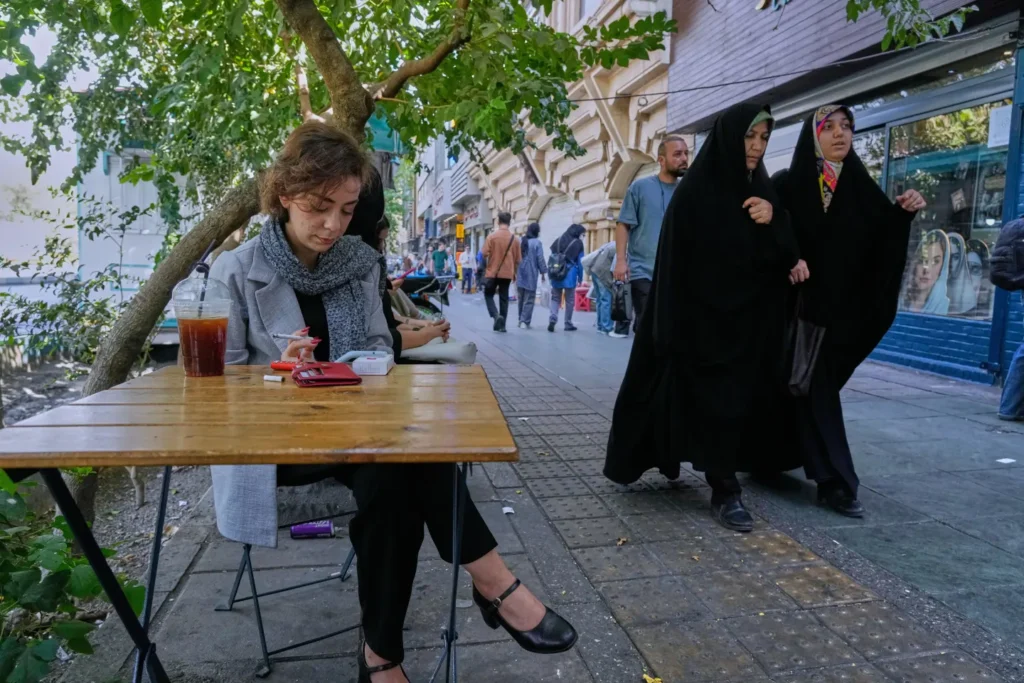
The United Nations has reimposed snapback sanctions on Iran over its nuclear program, further isolating the Islamic Republic as citizens struggle with rising food prices and mounting fears of war.
The sanctions took effect Sunday at midnight GMT, targeting Iran’s ballistic missile program, arms deals, and overseas assets. They mark the revival of measures from the 2015 nuclear accord, designed to “snap back” if Iran violated its commitments.
For everyday Iranians, already battered by inflation, the move means essentials like rice, meat, and cooking oil are further out of reach.
What Are UN Snapback Sanctions on Iran?
The snapback sanctions mechanism was written into the 2015 nuclear deal to ensure Iran could not block penalties if it breached terms. Unlike other U.N. Security Council actions, Russia and China cannot veto them.
France, Germany, and the U.K. triggered snapback after accusing Tehran of blocking nuclear inspections and refusing to account for its growing stockpile of uranium enriched up to 60% — just short of weapons-grade.
Iran, however, insists its nuclear program is peaceful and argues that the U.S. withdrawal from the deal in 2018 undermines Europe’s authority to enforce snapback.
Economic Strain: Food and Daily Life Under Sanctions
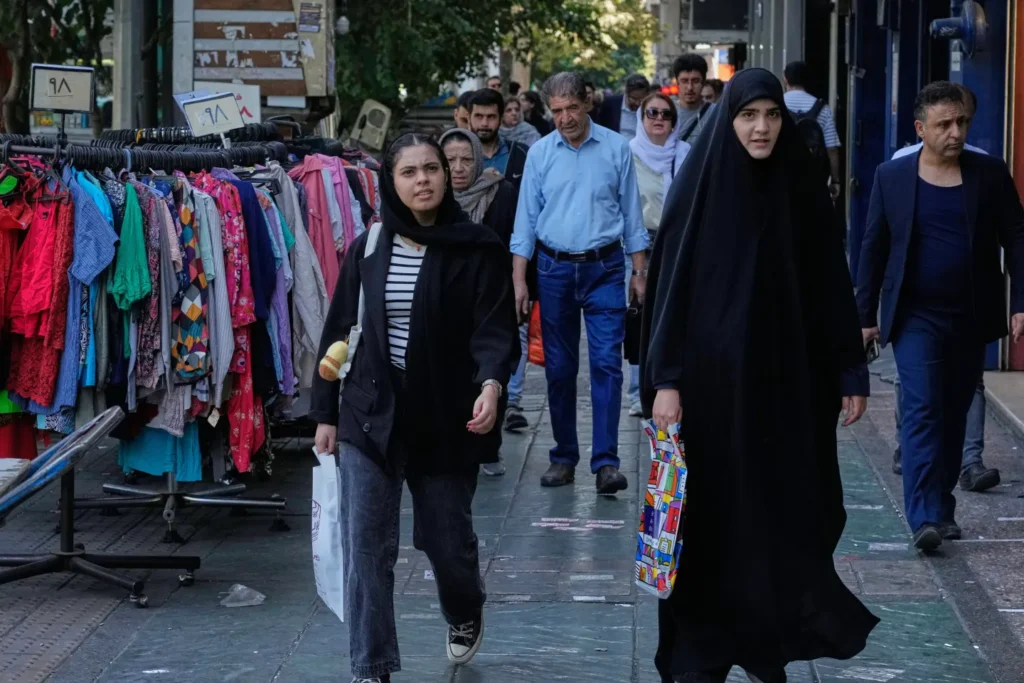
For ordinary Iranians, the snapback sanctions translate into a deeper crisis at the dinner table. The rial currency has plunged, sending food costs soaring.
- Rice: up 80–100% year-on-year
- Butter: nearly doubled in price
- Beans: tripled in price
- Chicken: up 26%
Shoppers in Tehran say they can no longer afford meat and fruit. “I cannot omit milk or butter for my kids,” said Sima Taghavi, a mother of two. “But every day the price is higher.”
Rising Fear of War and Repression
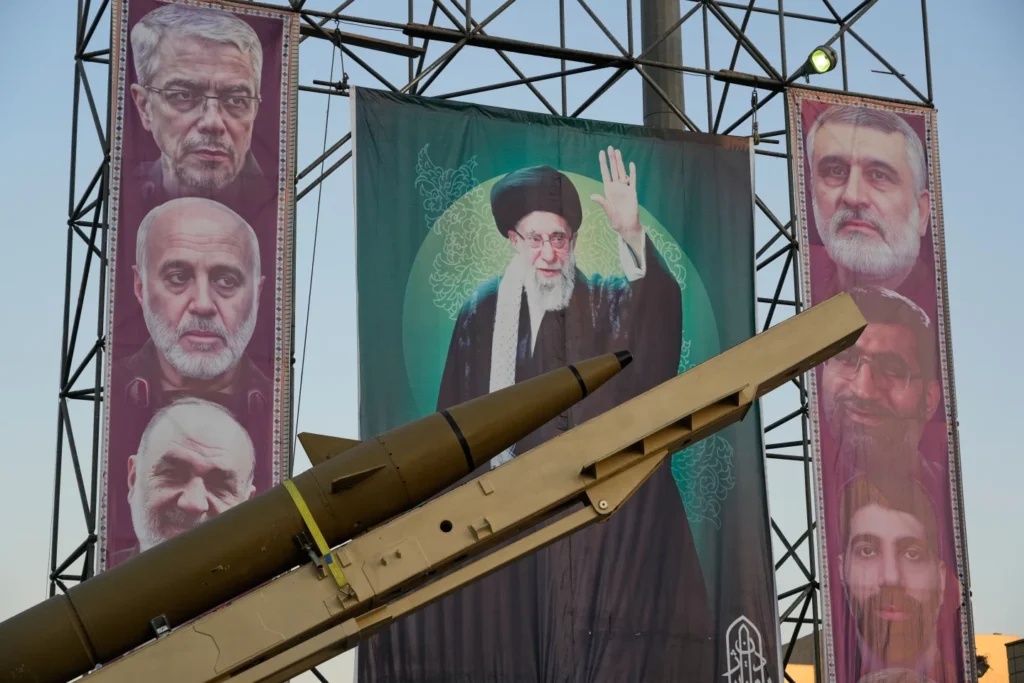
The sanctions come just months after a 12-day war between Israel and Iran in June, which left missile sites destroyed and triggered U.S. airstrikes. Many Iranians fear renewed fighting as Israel monitors Iran’s rebuilding efforts.
At the same time, repression inside the country has intensified. Human rights groups report over 1,000 executions in 2025 — the highest rate since the 1980s. Analysts warn that the combination of sanctions, inflation, and fear of war has created a society “exhausted and unmotivated.”
Snapback Sanctions: Global Stakes
U.S. Secretary of State Marco Rubio praised European nations for their “decisive global leadership.” President Donald Trump has said diplomacy is still an option, but warned Iran must return to direct talks.
Experts caution the opposite: without inspections, Israel or the U.S. could seize on the lack of transparency as a pretext for military strikes.
Meanwhile, Iran recalled its ambassadors to France, Germany, and the U.K., calling the move illegitimate. Russian Foreign Minister Sergey Lavrov dismissed snapback as a “trap” for Tehran.
Conclusion: A Hungrier, Poorer, More Anxious Iran
With the UN snapback sanctions on Iran now active, the pressure is being felt far beyond the nuclear program. Families struggle to afford basic food, repression is rising, and fears of conflict with Israel and the U.S. loom large.
For Iranians like Sina, a father in Tehran, the sanctions mark yet another chapter in decades of hardship: “For my generation, it’s always either too late or too early — our dreams are slipping away.”


Leave a Reply