


The Minnesota operation proposed by federal authorities has intensified concerns across the Twin Cities. Officials are reportedly preparing an immigration enforcement sweep aimed at Somali immigrants with final deportation orders. The plan focuses on the Minneapolis–St. Paul area, home to the largest Somali population in the United States. As details spread, community leaders, local officials, and residents expressed alarm over the potential consequences. They fear that such an operation could increase anxiety, undermine trust, and create a widespread sense of insecurity.
A Community Under Scrutiny
Somali immigrants have lived in Minnesota for decades. Many arrived seeking safety from civil conflict, and they built strong neighborhoods anchored by business ownership, cultural centers, and civic engagement. Today, roughly 84,000 Somali Americans call the region home. Most are citizens, and many have lived in Minnesota for generations. Despite this, national rhetoric has intensified pressure on the community. Critics argue that broad accusations unfairly target people who contribute significantly to the state’s economic and cultural landscape.
Escalating Political Rhetoric
Federal planning for the Minnesota operation comes as political tensions rise. Public comments from national leaders have generated strong reactions from both supporters and critics. The president has expressed disapproval of Somali immigration and questioned the value of immigrants from East Africa. These statements deepened the divide between the federal government and Minnesota officials who view such characterization as harmful. Minnesota elected leaders say these remarks inflame prejudice, foster division, and misrepresent the contributions of Somali Americans.
Local Officials Push Back
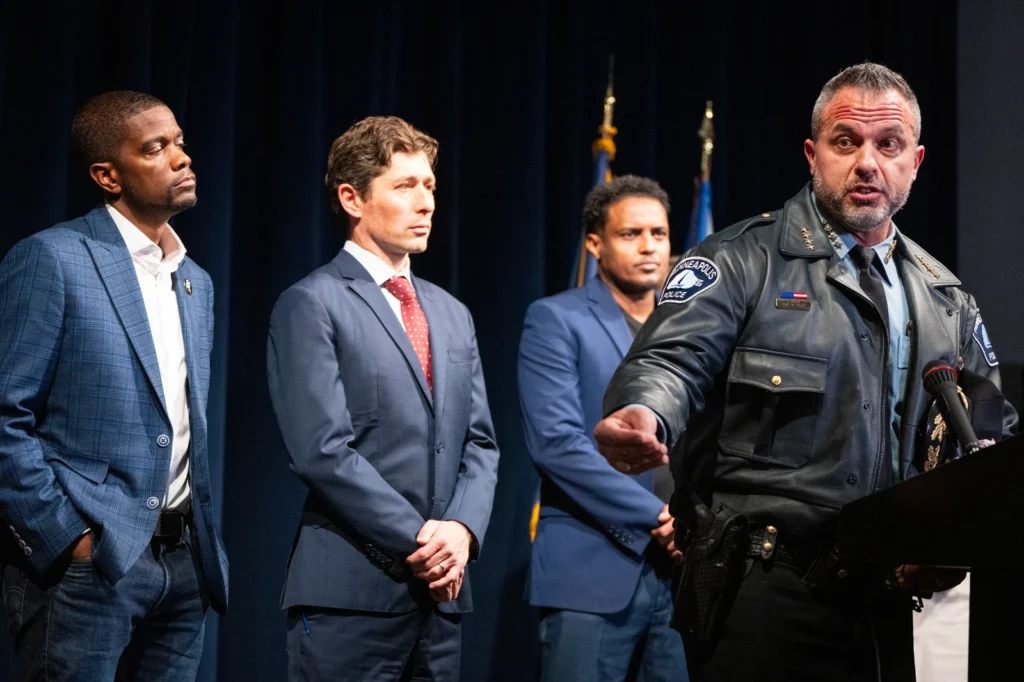
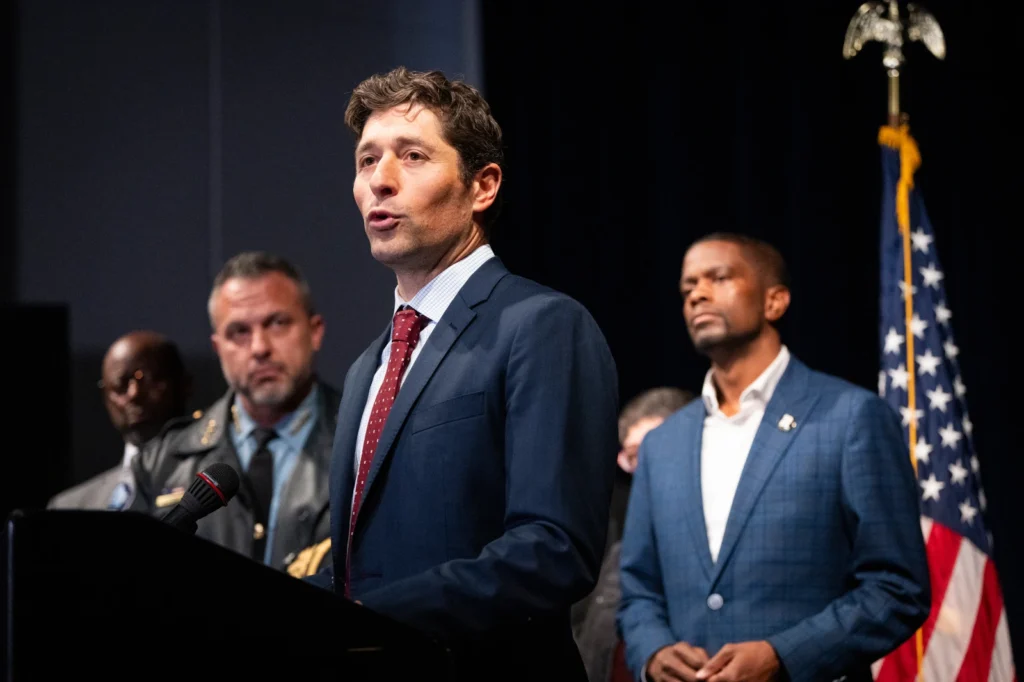
Minneapolis leaders immediately responded to reports of the upcoming enforcement sweep. City officials insisted that local police will not participate in the Minnesota operation. They argued that immigration enforcement falls outside the responsibilities of municipal officers. They also highlighted the risk of mistaking citizens for noncitizens during broad sweeps. Leaders stressed that such risks violate residents’ constitutional rights. Their message emphasized the importance of due process, equal treatment, and fairness.
A History of Mistrust
Minnesota’s Somali community has faced waves of suspicion in the past. They have experienced instances of profiling, misplaced scrutiny, and broad generational stereotypes. Leaders say that labeling an entire community based on the actions of a few revives long-standing fears. They also note that most Somali Americans are deeply rooted in Minnesota through family ties, businesses, education, and civic roles. These realities strengthen the argument that broad enforcement tactics can harm innocent people and weaken community cohesion.
Federal Agencies Defend Their Approach
Homeland Security officials maintain that immigration enforcement targets individuals based on legal status, not race or ethnicity. They emphasize that the Minnesota operation aims to locate people with final removal orders. They argue that such operations follow federal law and that agents must act when other alternatives fail. However, critics warn that large-scale actions often result in incidental arrests. They worry that people who are not the primary targets could still be detained or questioned based solely on proximity.
Information, Rumors, and Rising Anxiety
Reports of the Minnesota operation circulated quickly. Many Somali Americans said they heard conflicting details. Some worried about being stopped on the street, while others feared visits to their homes. Community advocates worked to clarify who might be affected, offering guidance on legal rights. They also reassured residents that most Somali Americans are citizens and cannot be targeted for immigration enforcement. Even so, fear spread because sudden enforcement actions disrupt daily life for entire neighborhoods.
Civic Leaders Call for Stability
City and state leaders emphasized that public safety depends on trust. They argued that when residents fear law enforcement, they avoid reporting crimes, seeking help, or cooperating with investigations. Minnesota officials also reminded the public that generations of Somali Americans have supported the state’s economy. They have opened businesses, revitalized neighborhoods, and contributed to public life. Civic leaders said the Minnesota operation threatens these positive developments by creating tension where stability is needed.
Impact on National Debate
The Minnesota operation has become part of a broader national conversation about immigration policy, enforcement priorities, and community identity. Some policymakers say strict enforcement is necessary to maintain legal order. Others argue that sweeping actions create fear and ignore the positive impact of immigrant communities. The debate now extends far beyond Minnesota, touching on legal protections, humanitarian concerns, and the relationship between federal and local governments.
Community Resilience and Advocacy
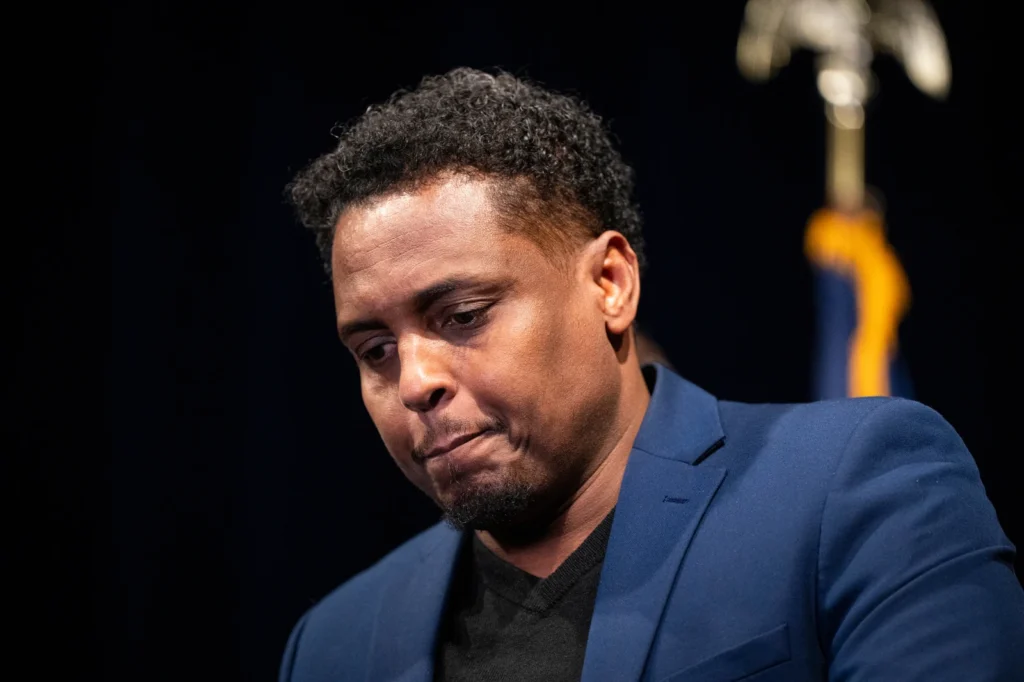
Somali American leaders responded by emphasizing unity. They encouraged residents to remain calm, informed, and engaged. Community organizations offered legal workshops, safety trainings, and support services. Advocacy groups stressed that Minnesota has always valued cultural diversity. They also pointed to the long history of immigrants strengthening the state’s workforce and enriching its culture. Despite fear and uncertainty, many leaders voiced optimism that the community would remain strong.
A Fight for Fairness
Minnesota officials described the Minnesota operation as a challenge to fairness and constitutional rights. They argued that enforcement must follow established legal standards and avoid targeting people based on appearance. They reiterated that American citizenship is not visible and that assumptions based on ancestry or language can lead to unjust outcomes. This message resonated across Minneapolis, where many residents stood in solidarity with their Somali neighbors.
Looking Ahead
The future of the Minnesota operation remains uncertain. Federal plans can evolve, delay, or shift depending on political decisions and logistical considerations. Community leaders continue to advocate for transparency, communication, and respect for civil rights. As national attention remains focused on the situation, Minnesota residents hope for solutions that balance safety, legality, and humanity. Many believe that bridging divides will require honest dialogue and a commitment to respecting every community within the state.

Leave a Reply