


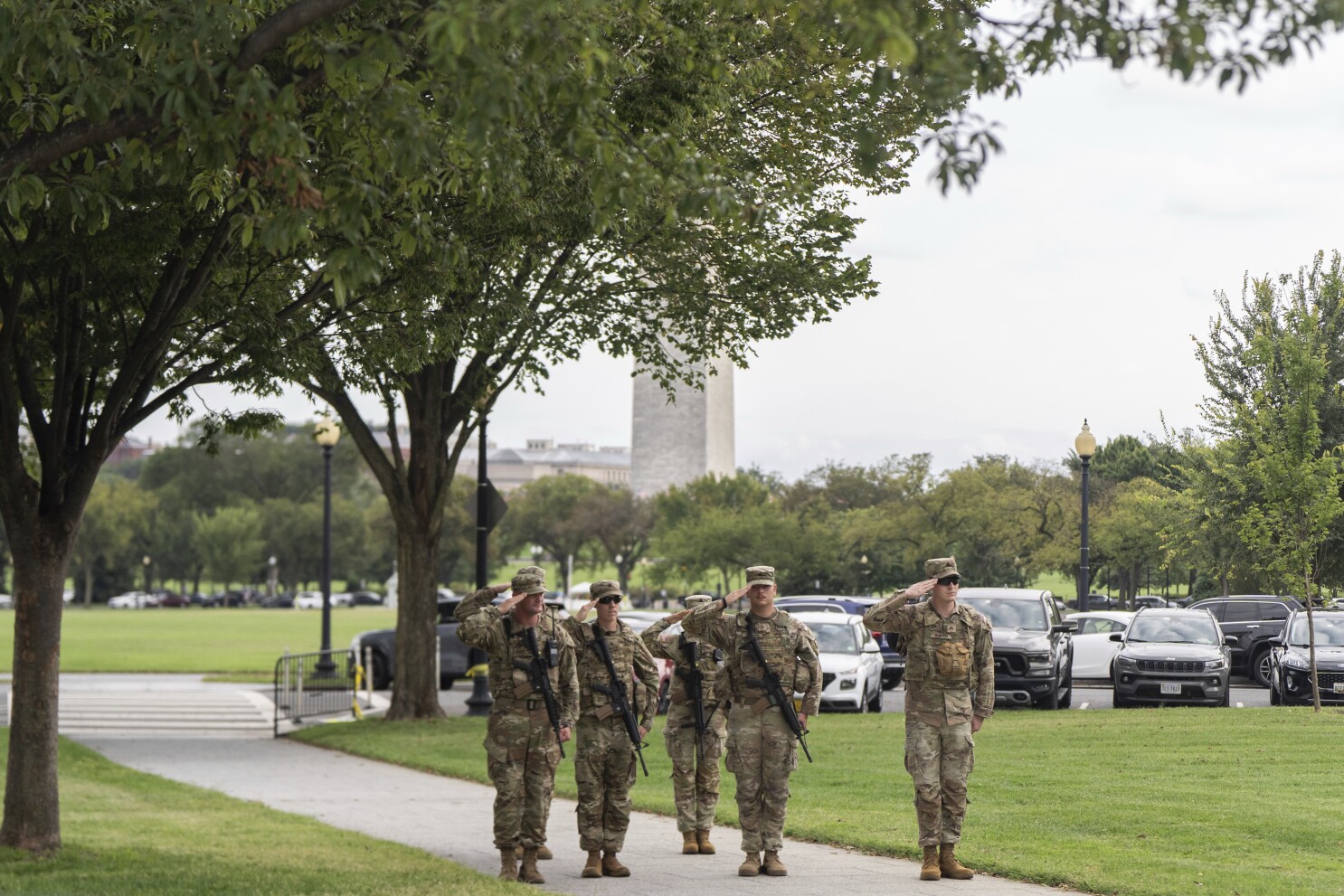
The recent National Guard Ruling marks a significant legal moment in American constitutional law. A federal judge has ordered the Trump administration to end its extended deployment of National Guard troops in Washington, D.C. This decision addresses the balance between federal power and local autonomy, making it both legally and politically impactful.
A Landmark Judicial Decision
U.S. District Judge Jia Cobb ruled that President Donald Trump’s decision to deploy National Guard troops to Washington, D.C., without the local mayor’s consent, illegally intruded on local authority. The National Guard Ruling clarifies that while the president has power to protect federal assets, he cannot use those powers to control routine crime enforcement without permission from local officials.
Judge Cobb put her order on hold for 21 days to allow the administration time to appeal. This temporary pause ensures that legal procedures are followed while maintaining transparency in the judicial process.
The Lawsuit That Sparked the Ruling
District of Columbia Attorney General Brian Schwalb led the legal challenge. He argued that the Trump administration exceeded its authority by sending troops without approval from local leaders. The National Guard Ruling supported this concern, emphasizing that uncontrolled federal military involvement in local law enforcement creates a dangerous precedent.
Schwalb warned that “normalizing the use of military troops for domestic law enforcement” could threaten democratic processes. His argument underscores the importance of preserving the balance between federal and local government roles.
Political Divide Over the Deployment
The National Guard Ruling intensified political debate. Dozens of states took sides in the lawsuit, largely along partisan lines. Democrats supported local control of law enforcement, while Republicans defended the president’s authority to deploy troops.
White House spokeswoman Abigail Jackson responded, saying the deployment was lawful and necessary to reduce crime. She argued that the use of National Guard troops had helped stabilize Washington, D.C., and protect federal property.
Inside the Washington Deployment
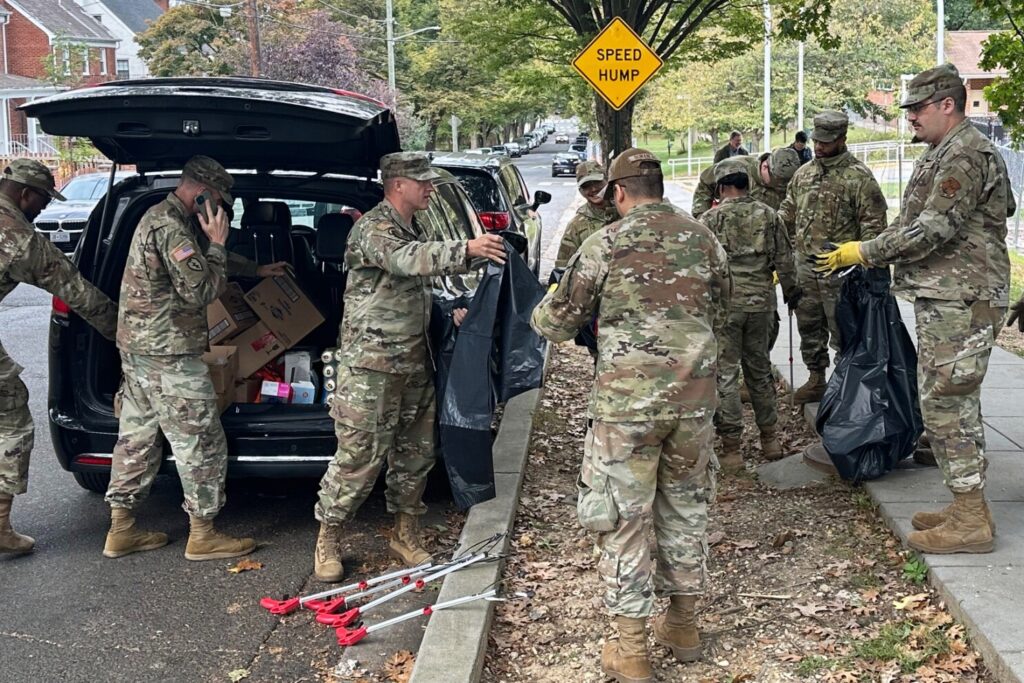
In August, President Trump declared a crime emergency in Washington, D.C. The administration then deployed more than 2,300 National Guard troops from eight states, along with federal agents. These troops were granted special U.S. Marshal Service authority to help in patrol and enforcement efforts.
The National Guard Ruling questions whether such federal intervention is constitutional, especially when used for general law enforcement rather than specific federal protection.
Wider Legal Implications Across the Country
This case is not an isolated incident. The National Guard Ruling may affect similar deployments in Los Angeles, Portland, Oregon, and Chicago. Courts have issued mixed opinions. Los Angeles deployments were allowed, while Portland’s were blocked. A Supreme Court decision is pending regarding the Chicago deployment, especially in connection with immigration enforcement.
The outcome of these cases could reshape presidential authority to use military personnel for domestic security.
Protecting Local Control and Democracy
The National Guard Ruling highlights concerns over federal overreach and the risk of military involvement in civilian policing. Schwalb’s office argued that the ongoing deployment harms D.C.’s ability to manage local law enforcement independently.
“Every day that this lawless incursion continues,” his attorneys wrote, “the District suffers harm to its sovereign authority.”
The ruling emphasizes the importance of maintaining local control of policing decisions, a fundamental element of democratic governance.
What Happens Next?
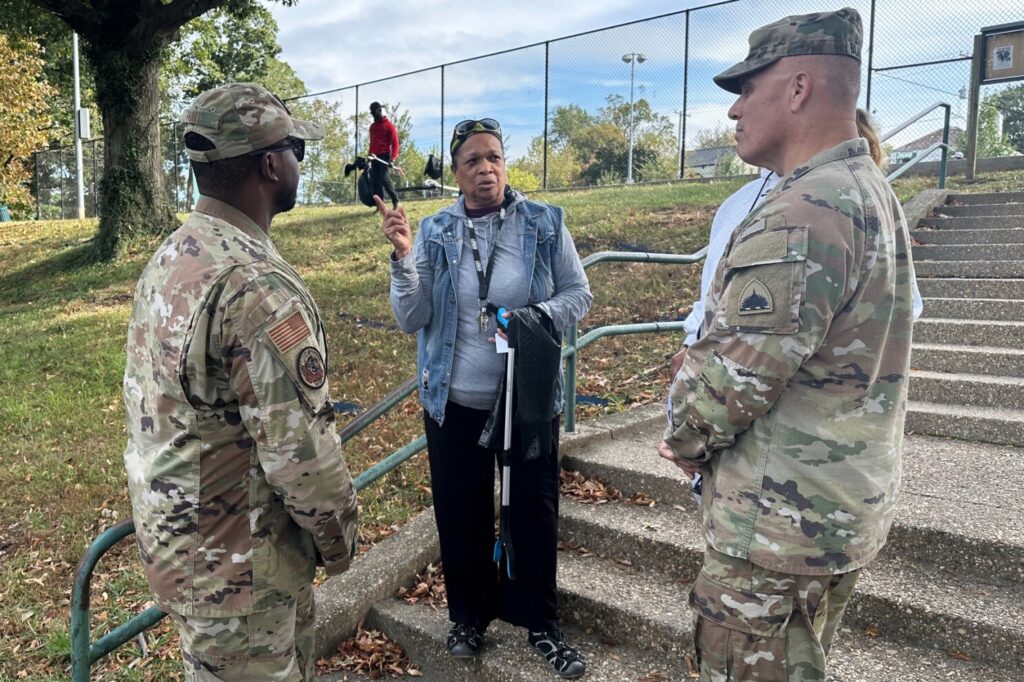
While the National Guard Ruling orders the withdrawal of troops, the administration has time to appeal. If the appeal proceeds, the issue may reach the Supreme Court. The ruling could become a major constitutional test of the president’s authority versus local and state rights.
Government lawyers argue that Congress has given the president power over the D.C. Guard. However, the judge’s ruling challenges that interpretation, making it likely to spark further legal and political debate.
Conclusion: A Turning Point for Federal Power
The National Guard Ruling is more than a legal decision — it is a statement about democracy, authority, and constitutional balance. It defends local control, limits presidential power, and reinforces the principle that military force should not be used to enforce local law and order.
Whether this decision stands or is overturned, it will shape future conversations about civil liberties, federal authority, and the proper use of military power in America.

Leave a Reply