


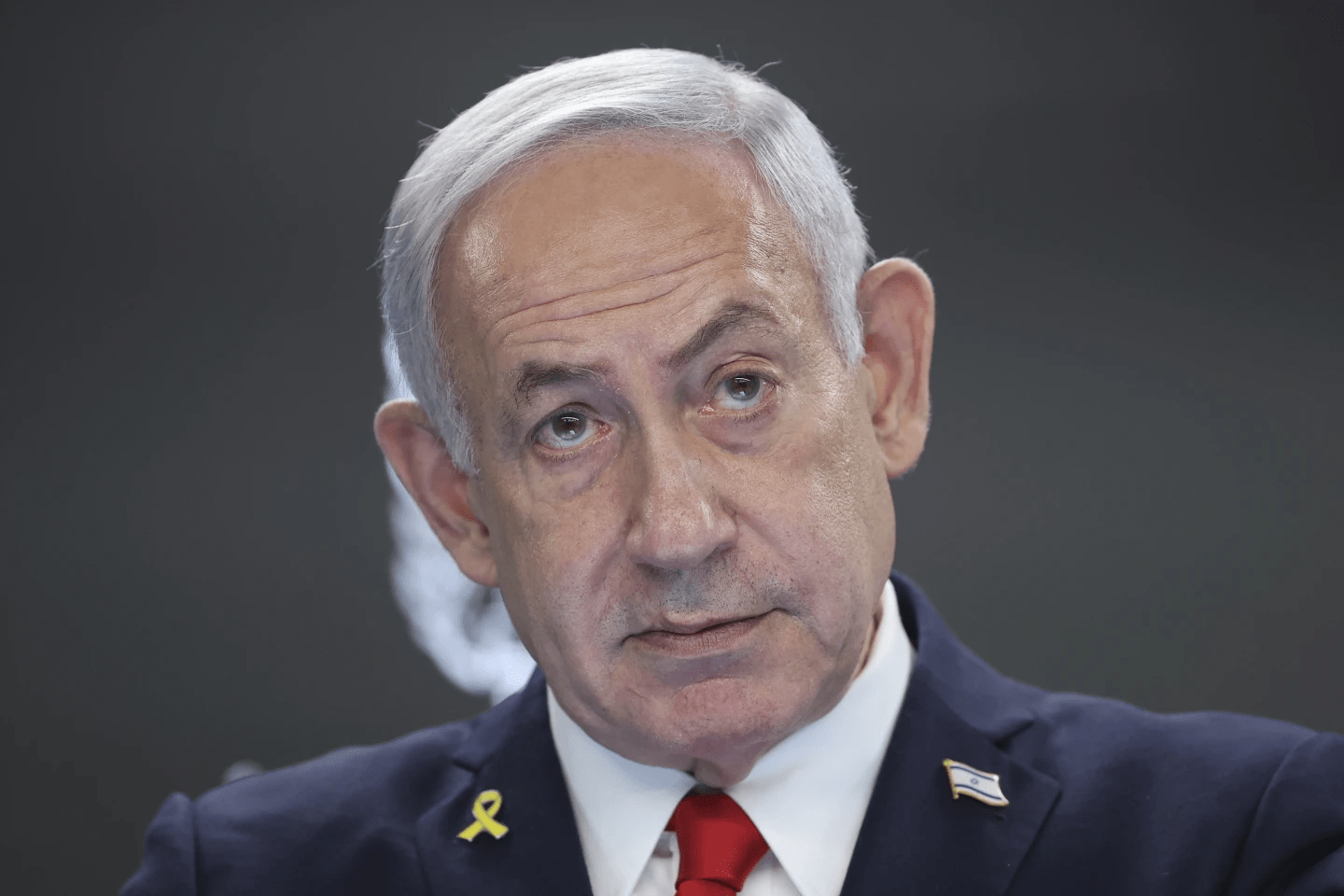
Israeli Prime Minister Benjamin Netanyahu gambled by ordering an attack targeting Hamas leaders in Qatar. The strike, intended to secure “total victory” against Hamas, instead appears to have backfired. Reports suggest Hamas leaders survived, Qatar has reacted angrily, and ties with Washington are now under pressure. What Netanyahu hoped would strengthen his position has instead created fresh instability.
A Gamble That Failed
Netanyahu’s Qatar attack backfired. By eliminating Hamas’ exiled leadership in Doha, he hoped to weaken the group’s ability to negotiate and portray himself as the man who delivered final victory. Analysts say the prime minister wanted an “image of triumph” to counter widespread criticism of his handling of the war.
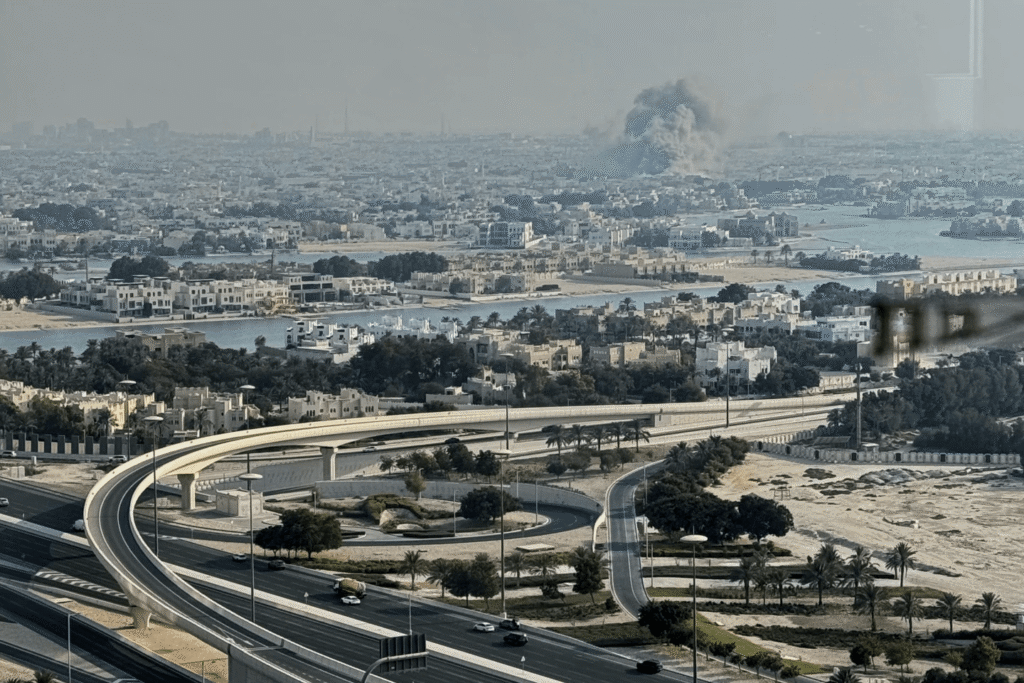
However, the outcome proved different. Hamas quickly announced that its senior leaders survived. The only confirmed casualties were five mid-level Hamas members and a Qatari security guard. The failure to eliminate the top leadership undermined the goal of a decisive blow. Instead of signaling victory, the attack exposed Netanyahu to charges of recklessness and short-sightedness.
Fallout in Qatar
The Qatari government, a key U.S. ally and mediator throughout the war, responded with fury. Prime Minister Sheikh Mohammed bin Abdulrahman Al Thani told the U.N. Security Council that Israel’s action jeopardized not only negotiations but also the safety of hostages still held in Gaza. “The extremists that rule Israel today do not care about the hostages,” he said.
Qatar has been crucial in securing the release of hostages through delicate negotiations but Netanyahu’s Qatar attack backfired. Twice before, it helped mediate agreements that freed 148 hostages in exchange for Palestinian prisoners. By striking Doha, Israel effectively burned the most important channel for future talks.
“Israel, by the attack, notified the whole world that it gave up on negotiations,” said Harel Chorev, an expert on Arab affairs at Tel Aviv University. The sense in the region is that Qatar, while not severing its role completely, will now demand far stronger guarantees before returning to mediation.

Strained Relations With the U.S.
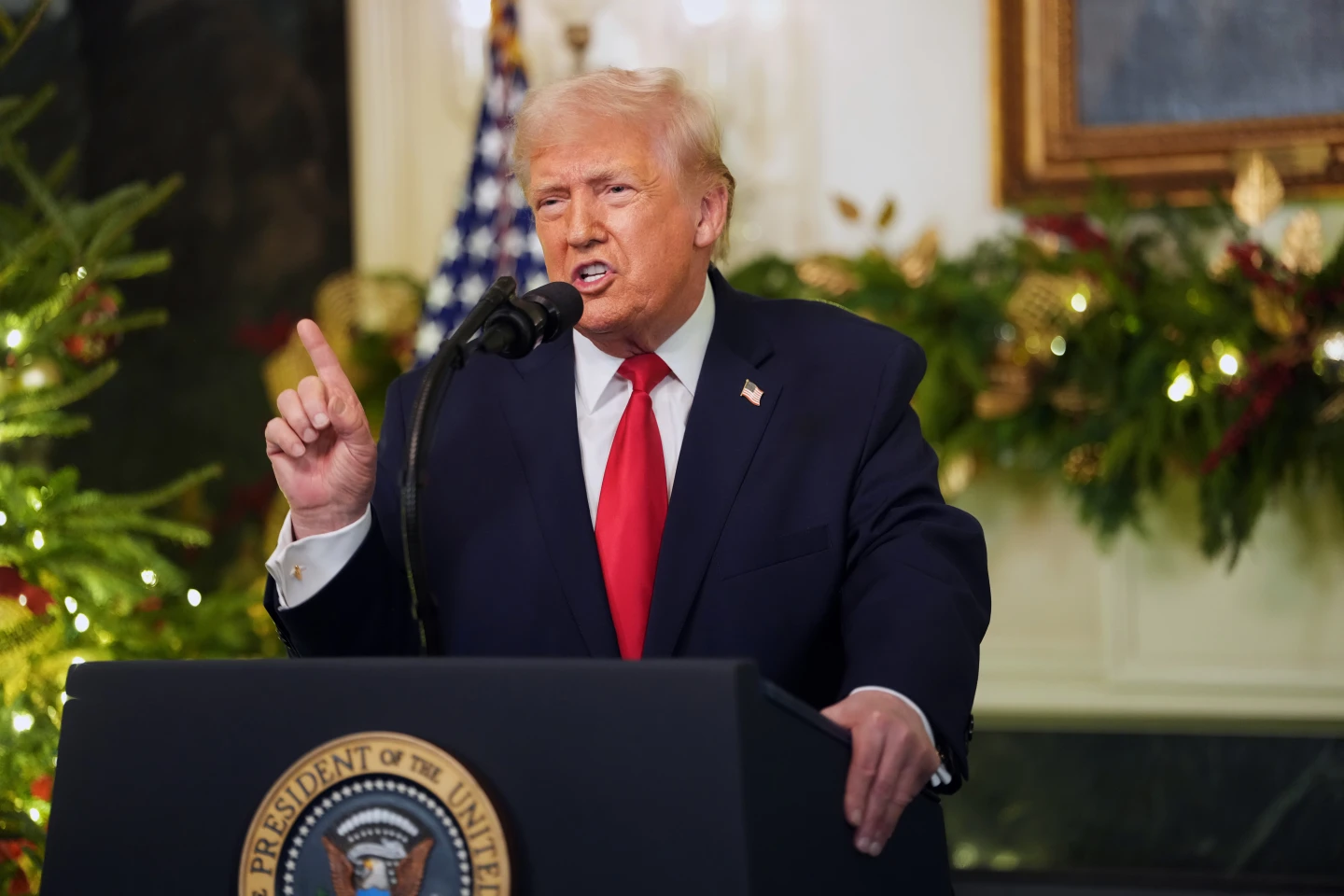
The airstrike also unsettled relations with Washington. President Donald Trump, a strong supporter of Netanyahu since returning to office, admitted he was “very unhappy” with the decision. He promised Qatar that such an attack would not happen again, signaling rare frustration with Israel’s leadership.
Yet Trump stopped short of imposing penalties or publicly pressuring Netanyahu to halt the war. Analysts say this hesitation emboldened the Israeli leader, who insisted that Hamas should see the attack as a warning. “There is no place where we cannot reach you,” Netanyahu declared defiantly after the strike.
The strained dynamic highlights a growing gap: while the U.S. seeks stability and a ceasefire, Netanyahu remains committed to pursuing “total victory” regardless of diplomatic costs.

Escalation in Gaza
While the Netanyahu’s Qatar attack backfired, Israel continues to push forward with its offensive in Gaza City. The military ordered the evacuation of nearly one million residents, warning of an expanded assault. The United Nations and European Union called for restraint, but their appeals were ignored.
Gayil Talshir, a political scientist at Hebrew University, noted: “Netanyahu’s government is adamant to go on with the military operation in Gaza. Only the U.S. president could change this trajectory.”
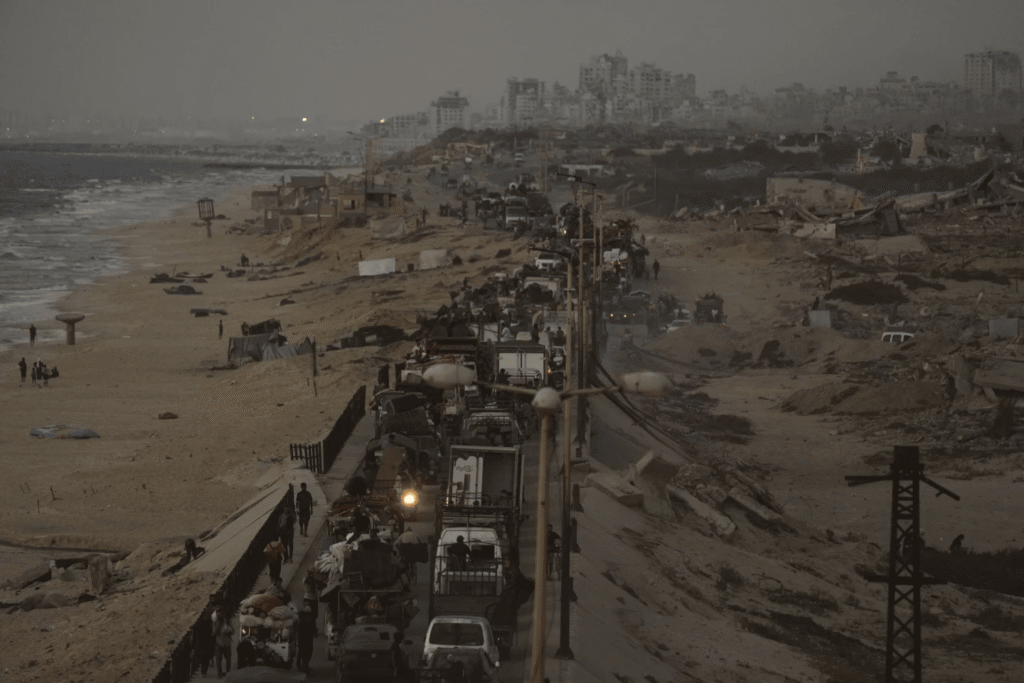
With global criticism mounting, the humanitarian toll deepens. Images of displaced Palestinians carrying belongings along Gaza’s coastal road underline the ongoing human cost of the conflict.
Political Repercussions
Inside Israel, the backlash is sharp but unlikely to unseat Netanyahu in the near term. Surveys suggest that two-thirds of Israelis want an end to the war and a deal to bring home the hostages. Families of captives, such as Einav Zangauker, expressed anger and despair after the Doha strike. “Why does the prime minister insist on blowing up every chance for a deal?” she asked tearfully.
Despite public anger, Netanyahu’s survival rests on his far-right coalition. Those allies, determined to continue the war at all costs, strongly support the attack on Qatar. As long as they remain behind him, his position appears secure.
Burning a Diplomatic Bridge
Perhaps the most lasting damage is diplomatic. Israel long had the capacity to target Hamas leaders abroad but avoided doing so in Qatar to keep negotiations alive. By crossing that line, Netanyahu sent a message: diplomacy is no longer his priority.
The gamble might have provided him with symbolic leverage if it had succeeded. Instead, it isolated Israel further, strained its alliance with Washington, and deepened divisions at home. In the eyes of critics, Netanyahu weakened his own hand both militarily and diplomatically.
Conclusion
The Qatar attack backfired on multiple fronts. Hamas’ leadership survived, Qatar feels betrayed, and the U.S. is frustrated. Ceasefire negotiations are at risk, and families of hostages fear for their loved ones. Still, Netanyahu presses forward, convinced that only relentless pressure will defeat Hamas.
Whether this strategy secures “total victory” or drags Israel into deeper isolation remains uncertain. What is clear is that Netanyahu’s gamble has left Israel with fewer allies, more critics, and a war that shows no signs of ending.



Leave a Reply