


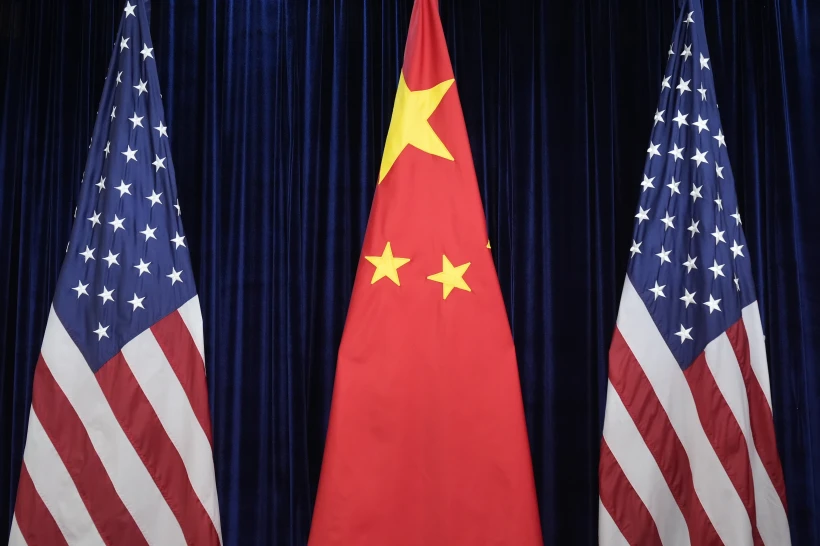
Nuclear research exploitation sits at the center of a growing national security debate in Washington. Lawmakers warn that China uses U.S.-funded scientific partnerships to access sensitive nuclear and defense-related knowledge.
Congressional Report Sounds the Alarm
A recent congressional investigation revealed widespread collaboration between American scientists and Chinese researchers. Many of these projects received funding from the U.S. Department of Energy. As a result, the report raised strong concerns about national security risks.
Investigators identified thousands of academic papers created through joint research efforts. Nearly half involved Chinese institutions connected to military or state-controlled industries. Therefore, lawmakers now question how taxpayer-funded research flows beyond U.S. borders.
Department of Energy Under Scrutiny
The Department of Energy funds advanced research in nuclear energy and weapons development. It also supports work in quantum computing, physics, and materials science. These fields drive innovation, but they also carry strategic risks.
The report stated that the department failed to apply consistent safeguards. As a result, sensitive research reached institutions linked to China’s defense sector. This lapse allowed nuclear research exploitation to persist over many years.
Military and Industrial Ties Raise Concerns
Investigators highlighted partnerships with Chinese laboratories and universities tied directly to the military. Some of these entities appear in Pentagon databases that track foreign military companies.
In addition, the report linked certain collaborators to cyber activities and human rights abuses. These findings intensified calls for stronger oversight. Lawmakers argued that national security demands immediate action.
Lawmakers Push for Stronger Protections
Congress views this issue as part of a broader technology rivalry with China. This competition will shape future global power. Therefore, protecting U.S. research has become a top priority.
Committee leaders urged the government to build a stronger firewall. They want to prevent federally funded science from strengthening a foreign military. Nuclear research exploitation, they argued, undermines U.S. strategic interests.
Proposed Policy Changes
The report outlined several recommendations. First, it called for a standardized system to assess national security risks. This system would review research proposals before funding decisions.
Next, lawmakers recommended better information sharing among federal agencies. Improved coordination would help identify risky partnerships early. These steps aim to protect innovation without halting progress.
Past Investigations Reinforce the Pattern
This investigation did not stand alone. Earlier congressional reports showed similar trends. Over the past decade, U.S.-China academic partnerships transferred valuable knowledge abroad.
Another review found that the Pentagon funded projects linked to China’s defense industry. Together, these findings revealed systemic weaknesses. Nuclear research exploitation emerged as a recurring problem.
Political and Scientific Tensions Grow
Some lawmakers introduced legislation to block funding for collaborations with foreign adversaries. The bill passed the House but stalled later. Scientists strongly opposed the measure.
Researchers warned that overly broad restrictions could harm innovation. They argued that open science drives competitiveness. Therefore, they urged targeted risk management instead of sweeping bans.
Academic Community Calls for Balance
More than 750 university leaders sent a letter to Congress. They emphasized the global competition for talent. According to them, careful safeguards matter more than blanket limits.
They supported security measures but stressed precision. The goal, they said, should protect research while preserving leadership in science. This balance remains difficult to achieve.
The Path Forward
Nuclear research exploitation now demands focused attention. Policymakers must protect sensitive knowledge without isolating American science. Clear rules, transparency, and accountability can help.
As global competition intensifies, the stakes continue to rise. How the U.S. responds will shape both security and innovation for years to come.




Leave a Reply