


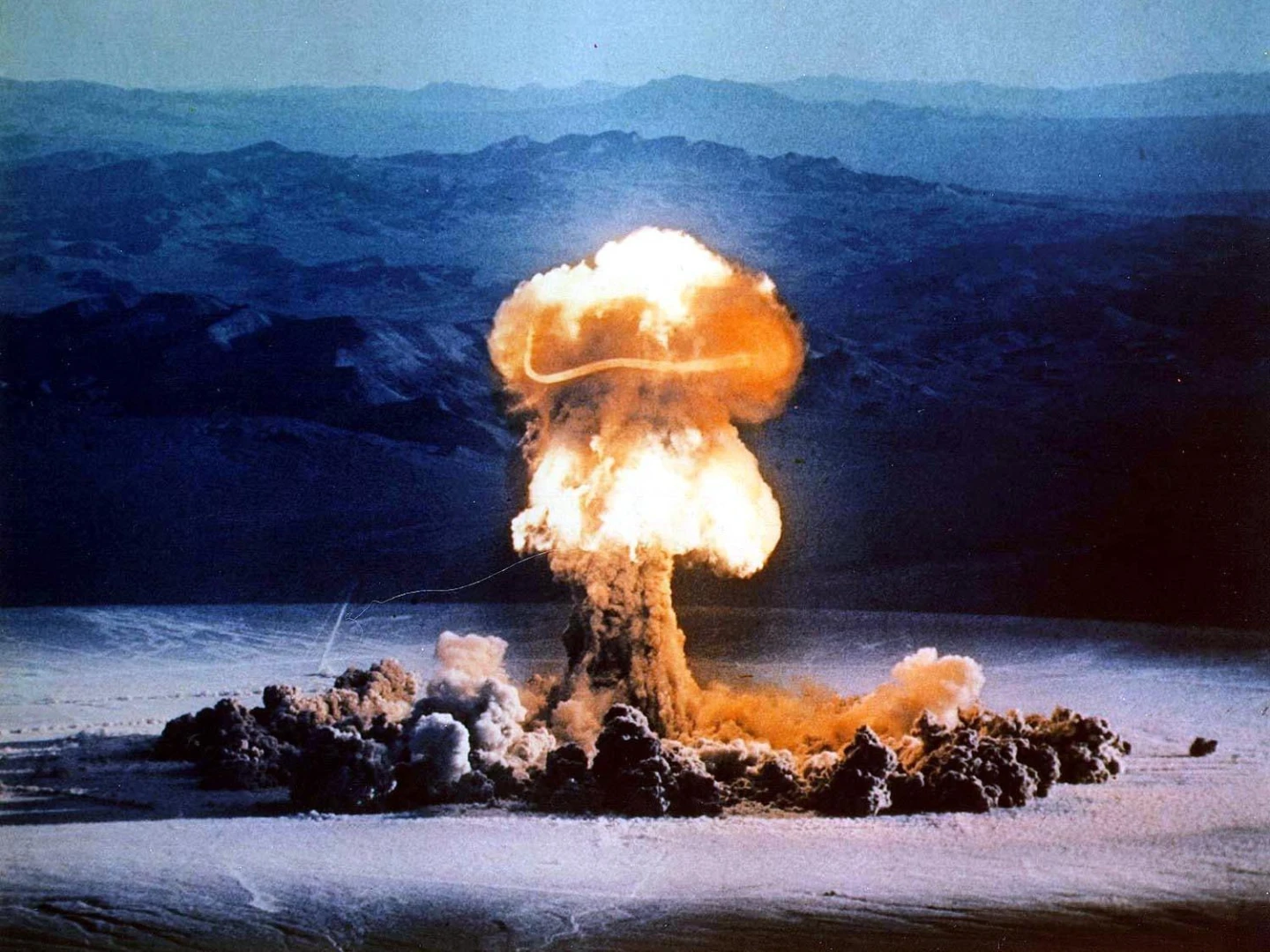
Nuclear testing risks dominate current arms control debates as US officials defend President Trump’s comments at global forums. These statements revived fears about stability, trust, and accountability in nuclear policy.
Rising Global Nuclear Pressures
Global security experts now focus on increasing nuclear pressure from several states. US officials argue that Russia, China, and North Korea continue activities that challenge long-standing moratoriums. As a result, policymakers stress urgency and caution. They frame nuclear testing risks as a response to changing threats rather than aggression.
US Defense of Testing Remarks
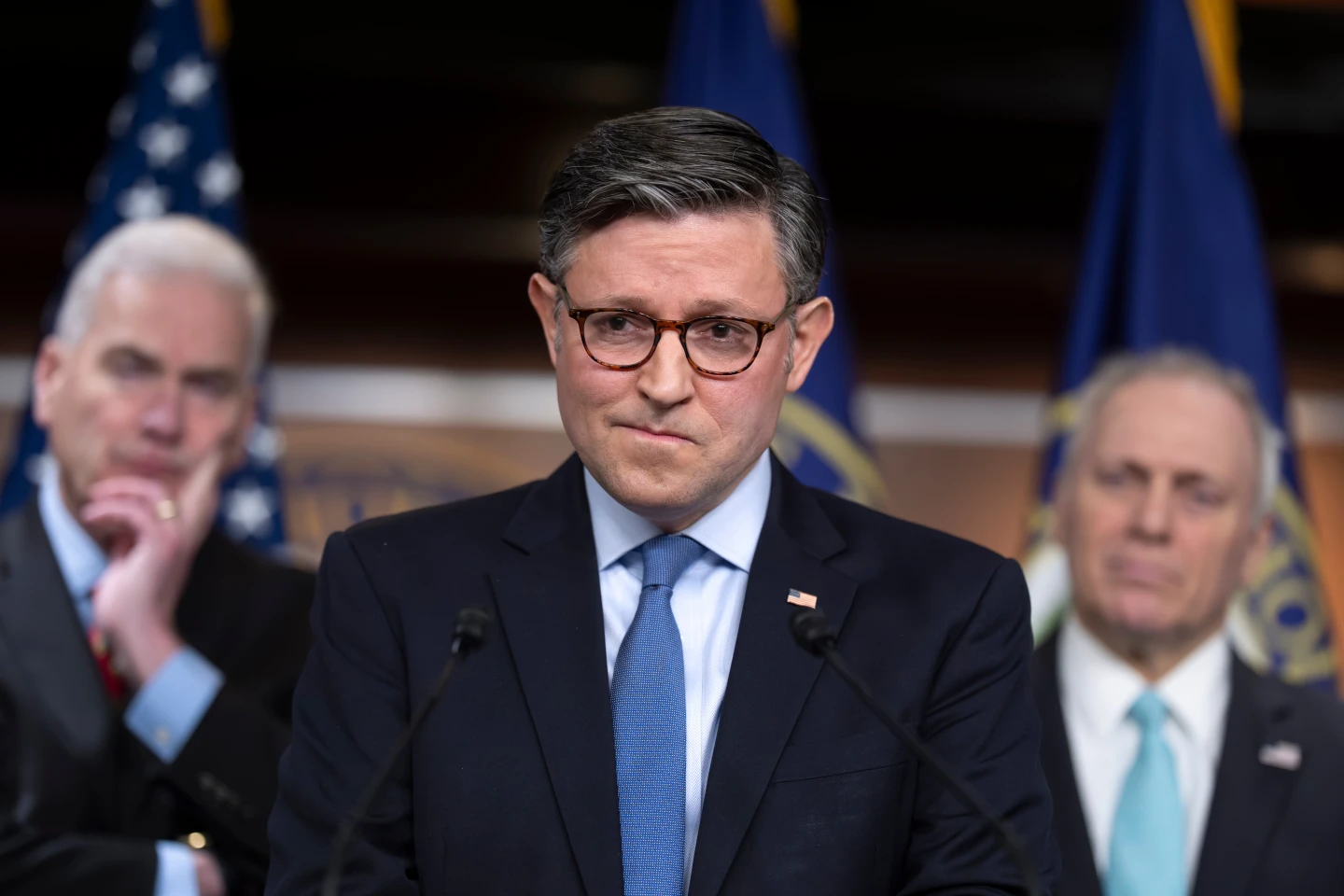
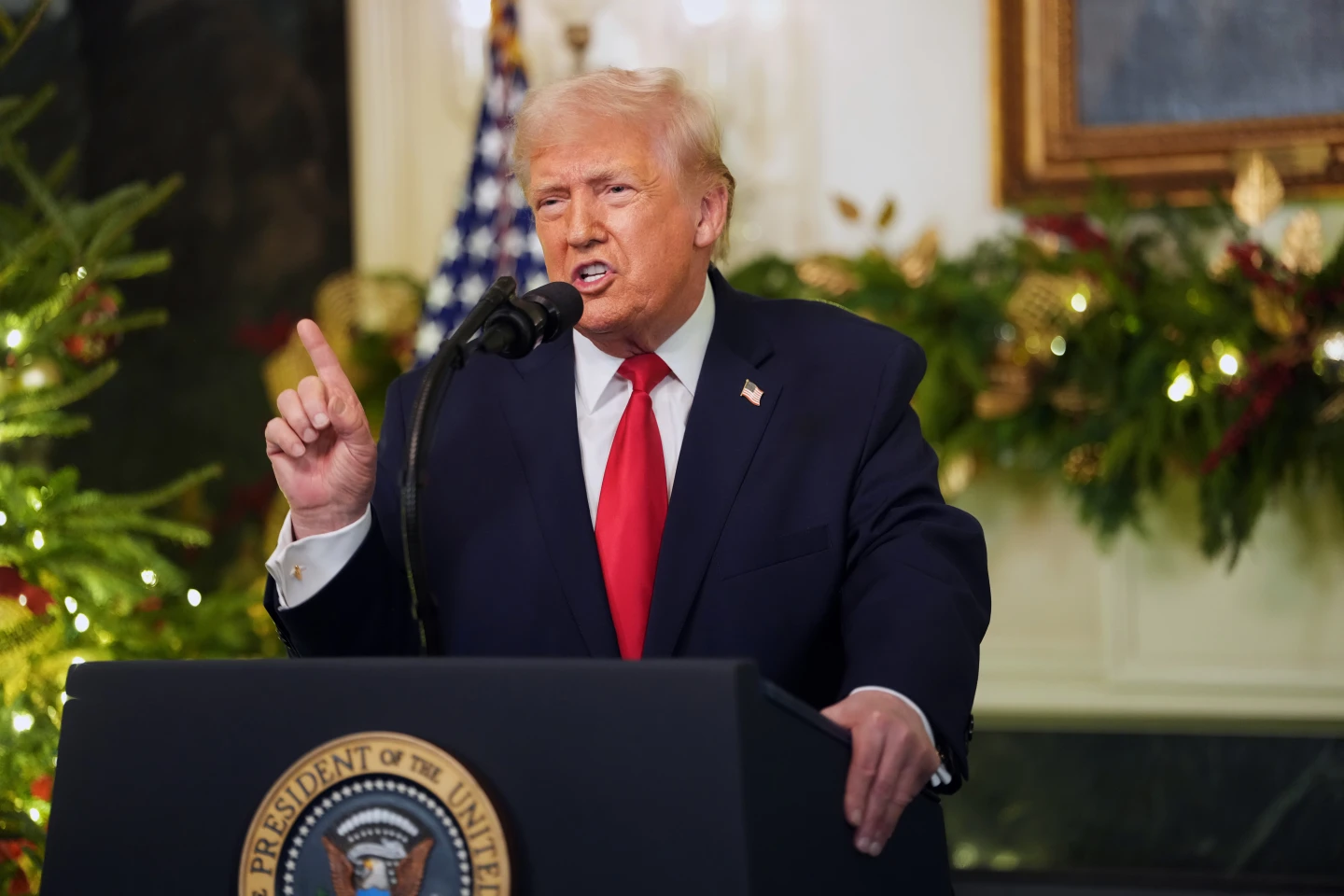
US representatives strongly defend Trump’s nuclear testing stance. They claim the United States must act on equal footing with other nuclear powers. Officials emphasize transparency and national security. Moreover, they argue that fairness sustains deterrence in a competitive nuclear environment.
Zero-Yield Treaty Concerns
The Comprehensive Nuclear-Test-Ban Treaty bans all explosive nuclear tests. However, US officials raise concerns about compliance. They point to possible low-yield testing that global monitoring systems struggle to detect. Consequently, nuclear testing risks increase when trust in verification declines.
Monitoring Limits Raise Alarm
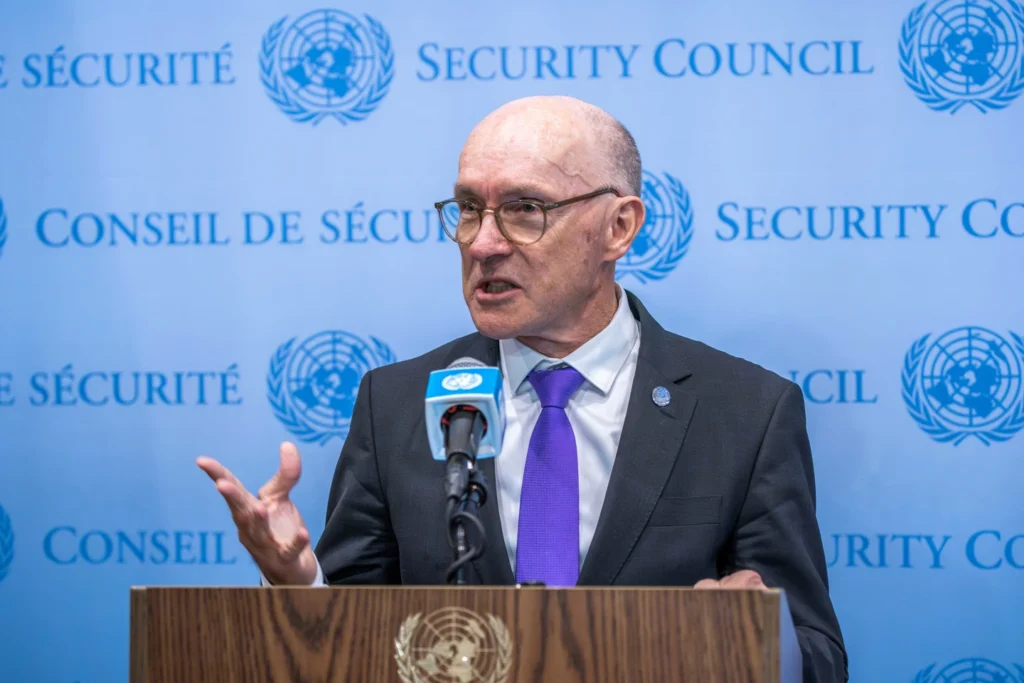
International monitoring networks detect large nuclear explosions. Yet experts warn that very small underground tests may escape detection. This gap creates uncertainty. Therefore, analysts see nuclear testing risks growing as technology evolves faster than oversight systems.
Russia and China Under Scrutiny
The United States continues to question Russian and Chinese adherence to testing moratoriums. Officials cite suspicious activity at known test sites. Although both nations deny violations, doubts persist. These tensions add weight to nuclear testing risks in diplomatic relations.
Russia Pushes Back Firmly
Russian officials reject all accusations of secret testing. They warn that renewed nuclear tests could damage global security. At the same time, they criticize US rhetoric as escalatory. This exchange highlights how this risks fuel mistrust between major powers.
Nonstrategic Weapons Increase Danger
Experts express serious concern about nonstrategic nuclear weapons. These weapons have lower yields but higher chances of use. Russia holds a much larger stockpile than the United States. As a result, analysts warn that these testing risks extend beyond testing into battlefield escalation.
Arms Control Framework Weakens
Nuclear arms control agreements now face severe strain. Russia suspended participation in the New START treaty, although limits remain temporarily observed. Without renewal, strategic arsenals could expand unchecked. This reality intensifies nuclear testing risks worldwide.
Future Stability at Stake
Without strong agreements, nuclear competition may accelerate. Policymakers stress dialogue, verification, and restraint. Still, actions speak louder than words. The future of global security depends on reducing nuclear testing risks through accountability and cooperation.


Leave a Reply