



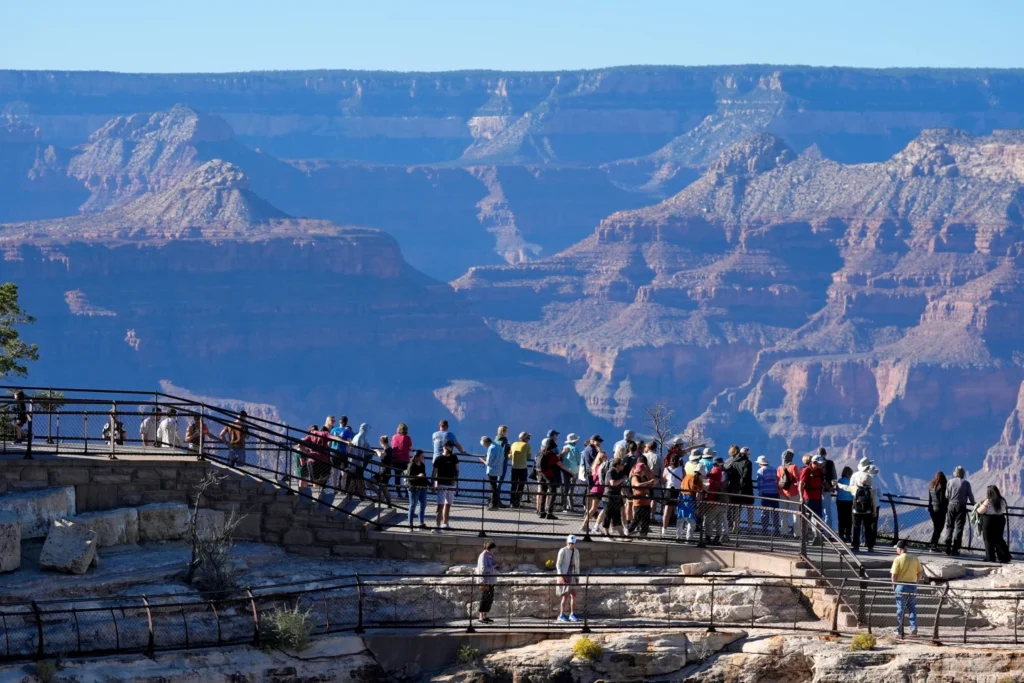
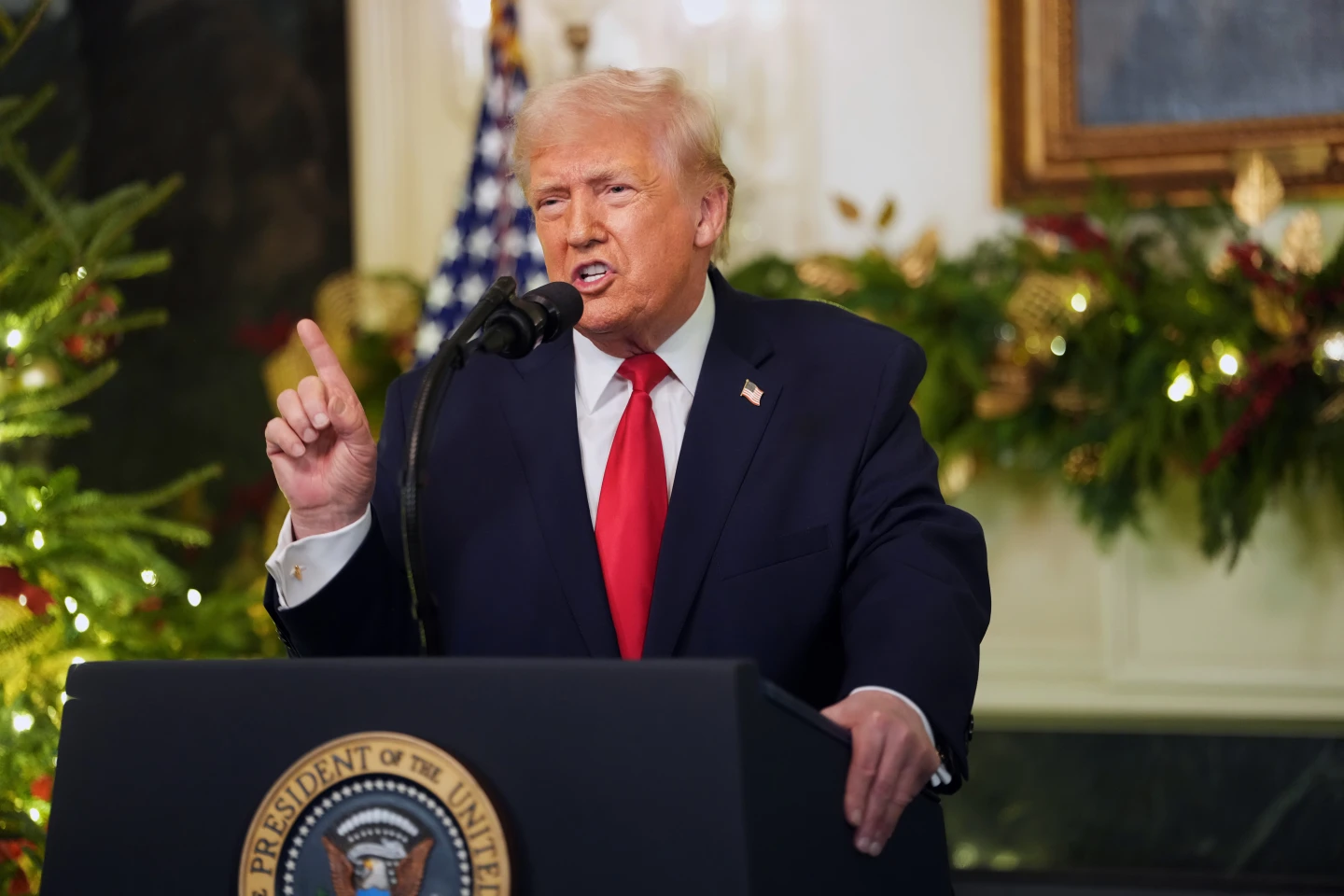
Park admission changes are drawing national attention as the National Park Service announces a new list of free-admission days. The changes begin Jan. 1 and reshape how Americans access public lands. The most notable update adds free admission on President Donald Trump’s birthday, which falls on June 14 — also Flag Day. At the same time, the agency removes Martin Luther King Jr. Day and Juneteenth from the list, sparking intense debate. Critics argue that the new policy sends a harmful message about how the nation values civil rights history.
Free Days Added — and Free Days Removed
The Park Service historically offered free admission on days that honor major national ideals or figures. Last year’s list included Martin Luther King Jr. Day and Juneteenth. This year, those days are gone while Trump’s birthday enters the roster. Other free-entry days for 2026 remain: Presidents Day, Memorial Day, Independence Day, Constitution Day, Veterans Day, President Theodore Roosevelt’s birthday, and the anniversary of the Park Service’s creation.
The striking shift removes two holidays deeply tied to civil rights. Juneteenth marks the day in 1865 when enslaved Americans in Texas finally learned of their freedom. Martin Luther King Jr. Day honors the legacy of one of the nation’s most influential civil rights leaders. These omissions raise questions about the administration’s priorities and its approach to history.
Concerns From Civil Rights Voices
The policy change quickly drew strong reactions. Harvard Kennedy School professor and former NAACP president Cornell William Brooks denounced the move, calling it “raw & rank racism.” His criticism reflects a broader concern that the decision diminishes the role of Black history in the nation’s collective memory.
Other civil rights advocates echoed those concerns. They argue that the new list doesn’t simply adjust dates — it shifts cultural meaning. For many, the elimination of these holidays signals an effort to minimize stories of struggle, resistance, and progress.
Impact on Community Service Traditions
Kristen Brengel from the National Parks Conservation Association pointed out that Martin Luther King Jr. Day has long served as a national day of service. Community groups use the holiday to organize cleanup events, restoration projects, and volunteer activities at parks. Without free admission, these efforts will be costlier, creating barriers for participants and nonprofits.
Brengel stressed that the holiday does more than celebrate a historical figure. It inspires action that directly benefits public spaces. Removing free access undermines both the spirit of the day and its practical community value. She expressed frustration that Black history faces repeated marginalization under the current administration.
Reaction From Lawmakers
Democratic lawmakers also weighed in. Senator Catherine Cortez Masto criticized the decision, highlighting the symbolism behind removing the two holidays. She argued that eliminating both events while adding Trump’s birthday shows poor judgment. Her remarks reflect broader political concern that the administration is recasting national narratives for ideological reasons.
Republican lawmakers have been less vocal on the admission changes but have supported other symbolic gestures promoting Trump’s legacy. Some have floated ideas such as placing his likeness on currency or national monuments. These gestures reinforce how deeply political identity now intersects with public heritage.
Silence From the Park Service
Despite the widespread reaction, the National Park Service has provided no explanation. Requests for comment went unanswered. Without clarity, observers continue to speculate on the motivation. Many view the change as part of a broader pattern within the administration rather than an isolated administrative update.
A Broader Pattern of Messaging
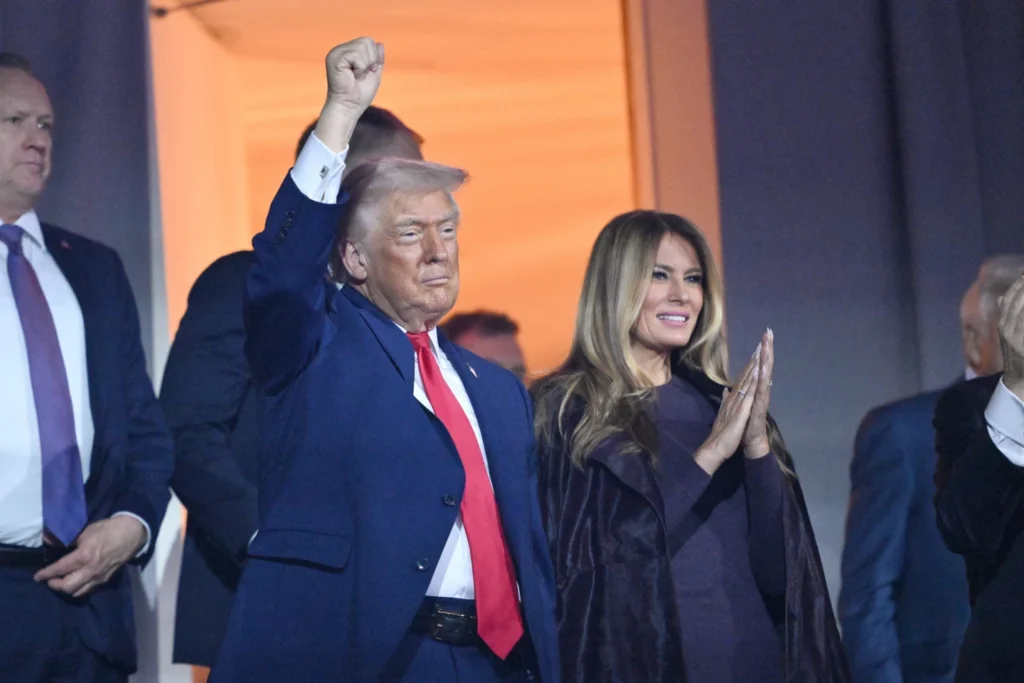
Since returning to office, Trump has taken steps to eliminate diversity-related programs across federal agencies. Critics argue that these moves contribute to erasing important elements of American history — especially those involving race and civil rights. The president’s self-promotion also remains a hallmark of his leadership. Efforts to secure prestigious recognition, rename institutions, and attach his name to public assets highlight his desire to shape national memory.
Recent examples include attempts to rename the U.S. Institute of Peace after himself and proposals to brand a forthcoming NFL stadium in Washington with his name. His administration also introduced a new children’s savings initiative bearing his name. These actions align with the addition of his birthday as a free park day, reinforcing concerns about the politicization of public institutions.
What These Changes Mean Moving Forward
The park admission changes hold implications beyond the cost of entry. They influence which values the nation celebrates and which stories it elevates. Access to public lands reflects national identity and serves as a shared civic resource. When policy shifts appear to prioritize political image over historical significance, public trust erodes.
Removing two holidays tied to the long fight for equality reshapes how Americans encounter their own history. Adding the president’s birthday amplifies questions about intent and priorities. As the country approaches 2026, the debate over free-admission days may continue to grow. These decisions shape public experience, national memory, and the symbolic power of federal institutions.


Leave a Reply