


Introduction
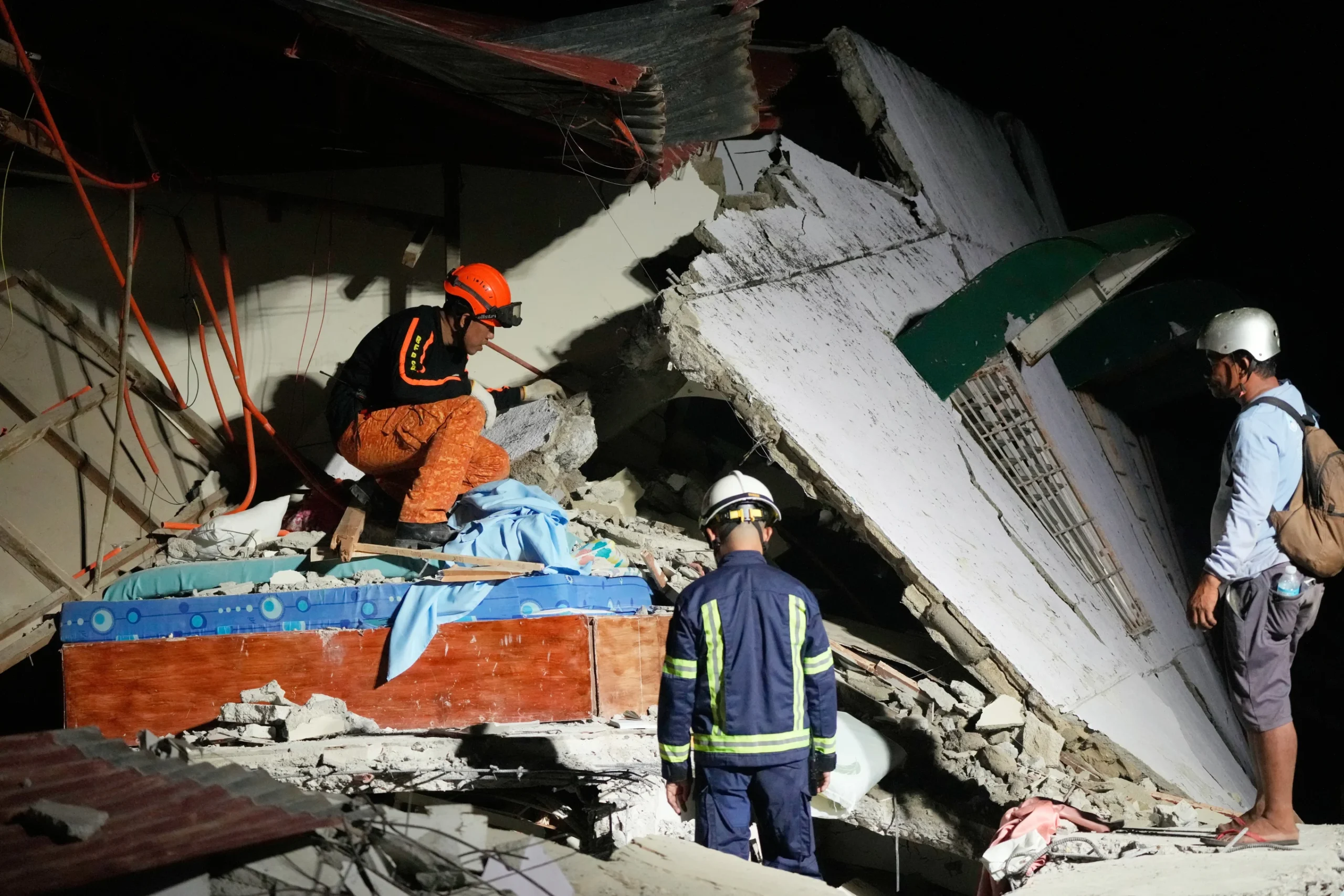
The Philippines earthquake struck with devastating force, leaving behind collapsed buildings, fractured roads, and thousands of displaced families. As dust settled over ruined communities, rescue teams rushed to save survivors trapped beneath rubble. The nation, situated in the Pacific “Ring of Fire,” is no stranger to seismic disasters, but this earthquake has once again tested the resilience of its people and the strength of its emergency response systems.
Widespread Destruction Across Provinces
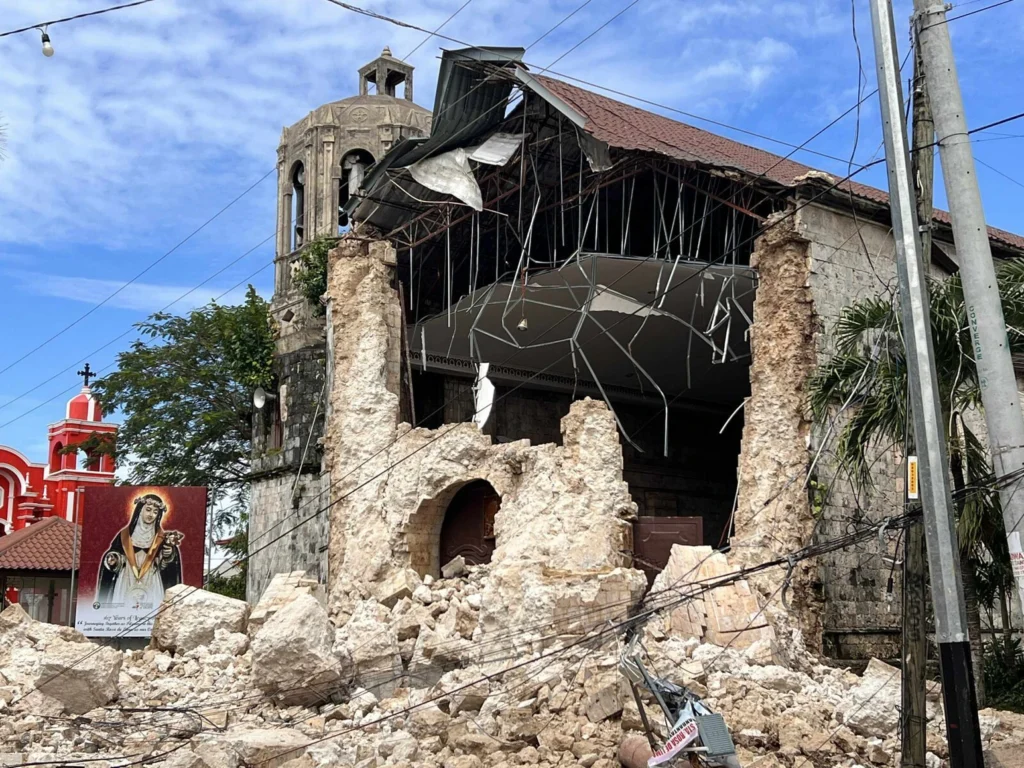
Entire towns bore the brunt of the Philippines earthquake, with epicenters located near densely populated areas. Houses made of light materials crumbled, while concrete structures tilted or pancaked into debris. Schools, markets, and hospitals suffered severe damage, forcing the closure of essential services when they were needed most.
Road networks fractured, isolating villages from outside assistance. Landslides triggered by aftershocks blocked mountain passes, complicating relief convoys. Electricity and water supplies were cut off in many regions, leaving survivors to depend on generators and bottled water.
The national disaster agency reported that thousands of homes were damaged beyond repair, while several cultural and religious landmarks collapsed, erasing decades of heritage in seconds.
Human Toll of the Philippines Earthquake
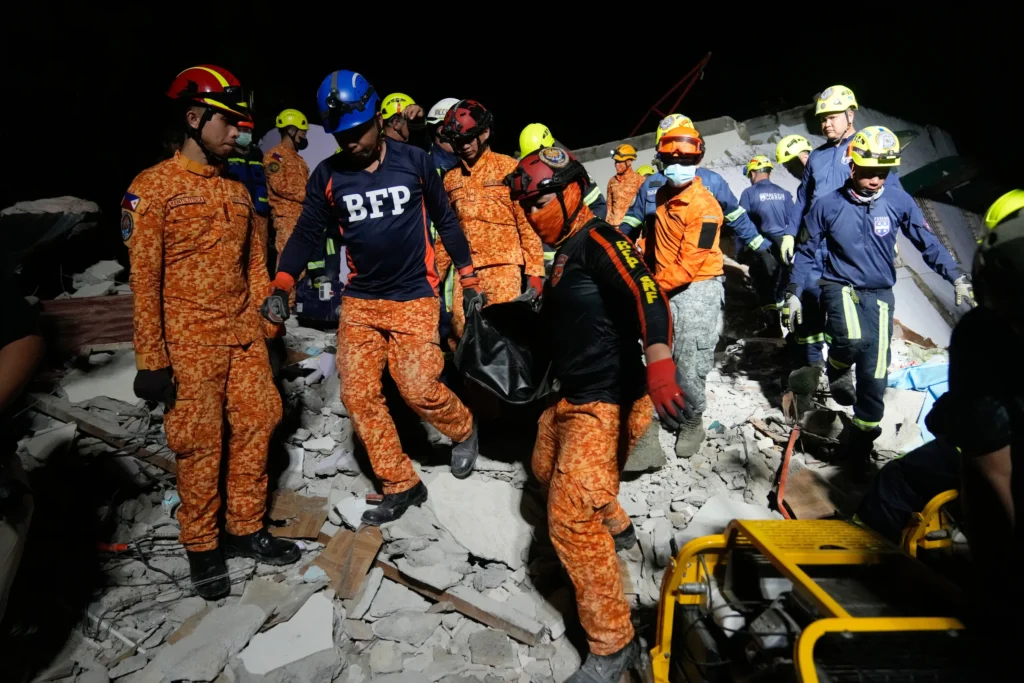
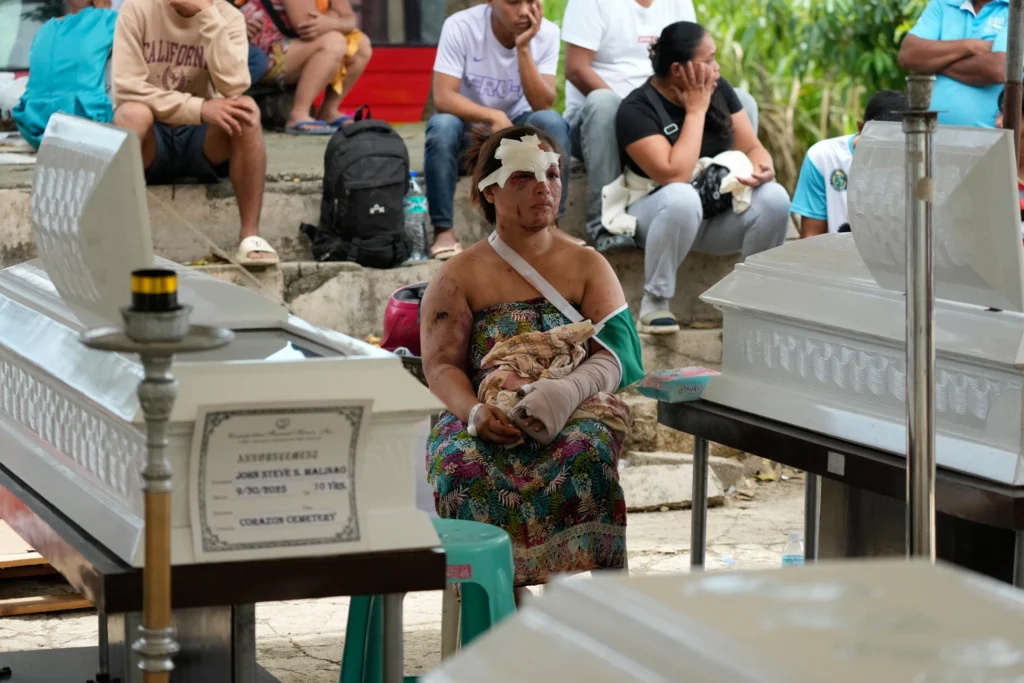
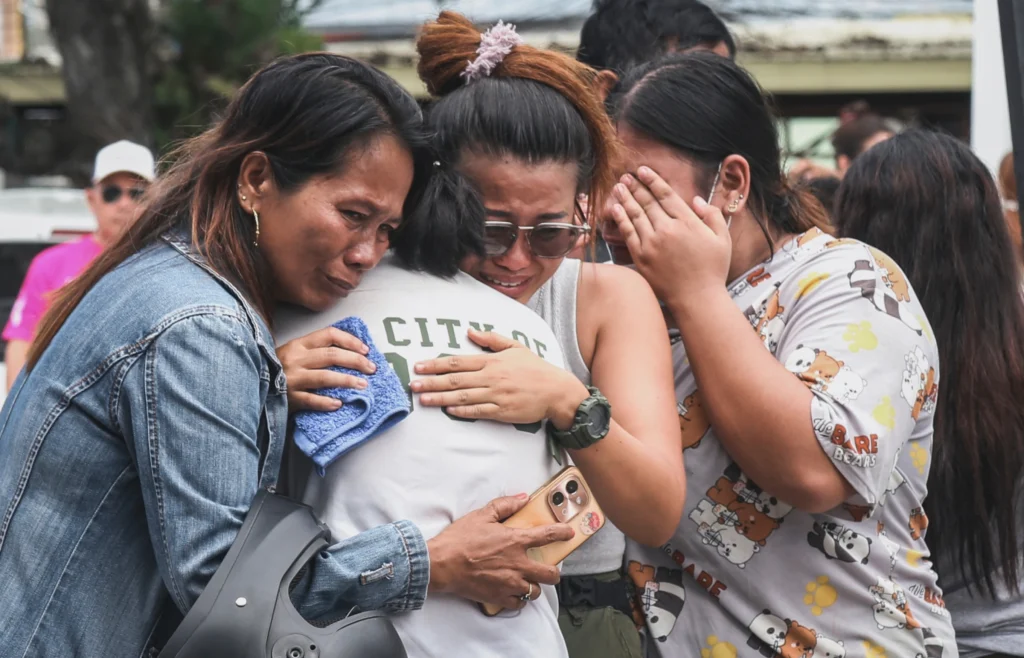
The human cost of the Philippines earthquake has been staggering. Families were separated in the chaos as buildings fell. Many survivors spent the first night in open fields, fearful of aftershocks. Temporary shelters quickly became overcrowded, with parents comforting children traumatized by the tremors.
Hospitals, some damaged themselves, overflowed with the injured. Medical workers treated crush injuries, fractures, and trauma cases in makeshift tents. Rural areas without hospitals relied on volunteer paramedics and military medics flown in by helicopter.
Immediate Rescue Efforts
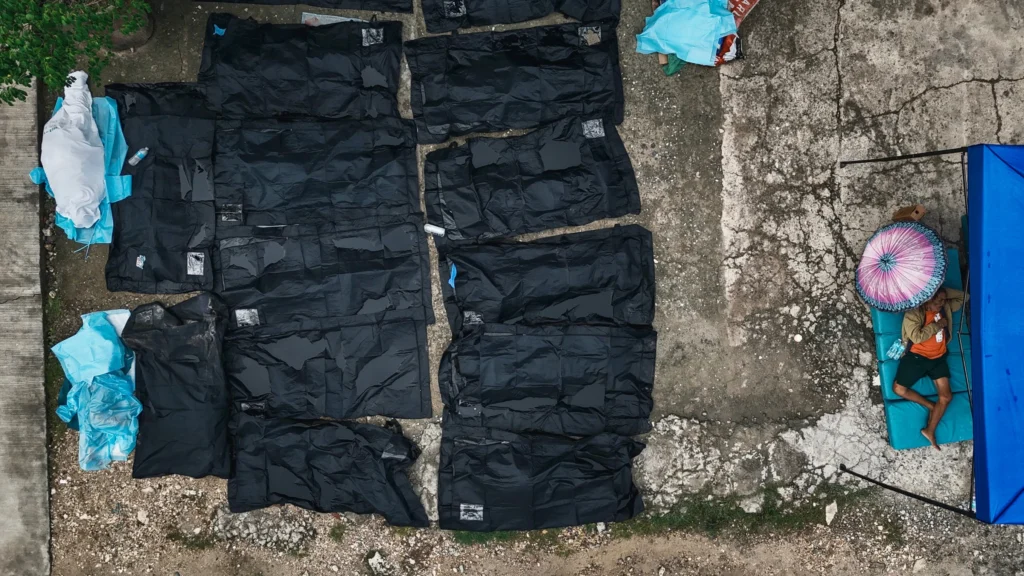
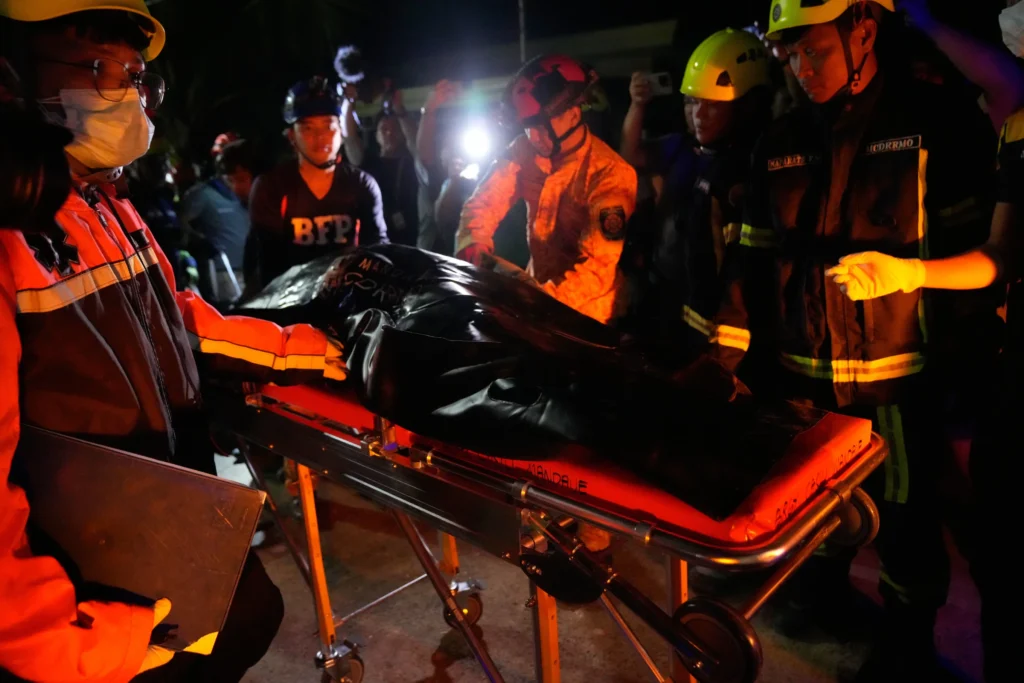
Within hours of the Philippines earthquake, local responders, volunteers, and neighbors became first rescuers. Armed with shovels, bare hands, and improvised tools, they pulled survivors from collapsed homes. Social media lit up with desperate calls for help, as pinned victims sent messages from beneath rubble.
The Philippine military mobilized search-and-rescue units, deploying sniffer dogs, drones, and heavy equipment. Firefighters and police officers worked tirelessly, often risking their lives amid unstable structures. Rescue workers described hearing faint cries under debris, giving them the determination to keep digging.
International aid organizations, including the Red Cross and U.N. disaster teams, began coordinating with local officials. Offers of assistance poured in from neighboring countries experienced in earthquake response, such as Japan and Indonesia.
Stories of Survival
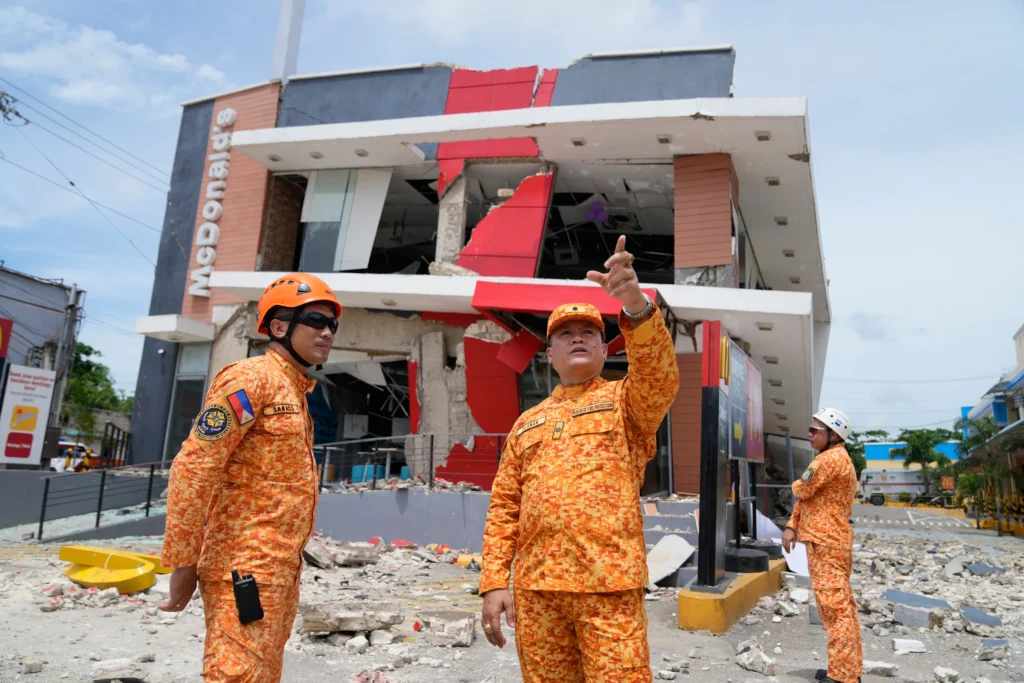
Amid destruction, remarkable stories emerged. In one province, a child was rescued after more than 12 hours trapped beneath a school building, shielded by a fallen beam. In another town, a family of five was found alive inside their collapsed home after neighbors refused to give up searching.
These moments of hope inspired exhausted rescuers and gave grieving communities strength. Survivors often described their ordeal as “miraculous,” emphasizing both human resilience and the power of solidarity.
Challenges Facing Rescue Operations
Despite tireless efforts, the Philippines earthquake posed enormous challenges for rescue teams. Collapsed roads and bridges delayed the arrival of heavy machinery. Constant aftershocks made rescue operations risky, forcing pauses whenever structures threatened to fall further.
In coastal areas, fears of a tsunami initially complicated evacuations. Mountainous provinces, where many villages are accessible only by foot or motorcycle, proved especially difficult to reach. Bad weather grounded helicopters, delaying supply drops.
Communication networks, damaged by the quake, created information gaps. Some communities went days without reporting their status, leaving families in limbo about the fate of loved ones.
Humanitarian Response and Aid
Humanitarian efforts have been swift yet overwhelming. The Philippine Red Cross set up mobile kitchens and distributed food packs, water, and hygiene kits. Temporary shelters were established in schools, gymnasiums, and community halls.
The government allocated emergency funds for relief and called on the private sector to donate supplies. Religious organizations mobilized volunteers, while local businesses offered trucks and warehouses for storage and distribution.
International aid agencies flew in tents, medical supplies, and engineers to help restore critical infrastructure. Psychological first aid teams worked with children and families to address trauma, ensuring emotional well-being was not overlooked amid physical recovery.
Long-Term Impact of the Philippines Earthquake
While immediate rescue efforts dominate headlines, the Philippines earthquake will have long-lasting consequences. Entire communities face months, if not years, of rebuilding. Agriculture, the main livelihood in rural provinces, has been disrupted, with rice fields and plantations damaged by cracks and landslides.
Displacement threatens to create long-term humanitarian challenges. Families who lost homes will need sustainable housing, not just temporary shelters. Schools must be rebuilt before children can return to normal learning. Healthcare facilities will require reinforcement to withstand future quakes.
Economic losses will likely climb into billions of pesos. Small businesses that form the backbone of local economies face closures, worsening poverty levels.
Lessons for Disaster Preparedness
The Philippines earthquake highlights the urgent need for stronger disaster preparedness. While the country has improved early-warning systems and community drills, challenges remain in ensuring building codes are enforced and critical infrastructure is quake-resistant.
Urban areas, with taller buildings, face higher risks, while rural villages often lack resources for safer construction. Experts stress the importance of investing in resilient infrastructure and pre-positioning relief supplies.
Community-based disaster risk reduction, empowering locals with training and equipment, has proven effective. In many places, neighbors were the first to save lives before professional responders arrived. Strengthening these community systems will be key to future resilience.
Global Solidarity and Hope
Despite the destruction, the Philippines earthquake has also shown the power of solidarity. From ordinary citizens donating food and clothing to foreign governments pledging aid, humanity’s best has emerged in response to tragedy.
Rescue workers, often exhausted, find renewed energy from the gratitude of survivors. Children drawing pictures of “thank you” in shelters remind responders why their work matters. Communities are already planning how to rebuild stronger, safer, and more united.
Conclusion
The Philippines earthquake has brought immense suffering, but it has also revealed courage, compassion, and resilience. As rescue operations continue and the long road to recovery begins, the spirit of bayanihan — the Filipino tradition of communal unity — shines brightly.
Though buildings may crumble, the determination of survivors and the collective efforts of rescuers prove that hope remains unshaken.





Leave a Reply