


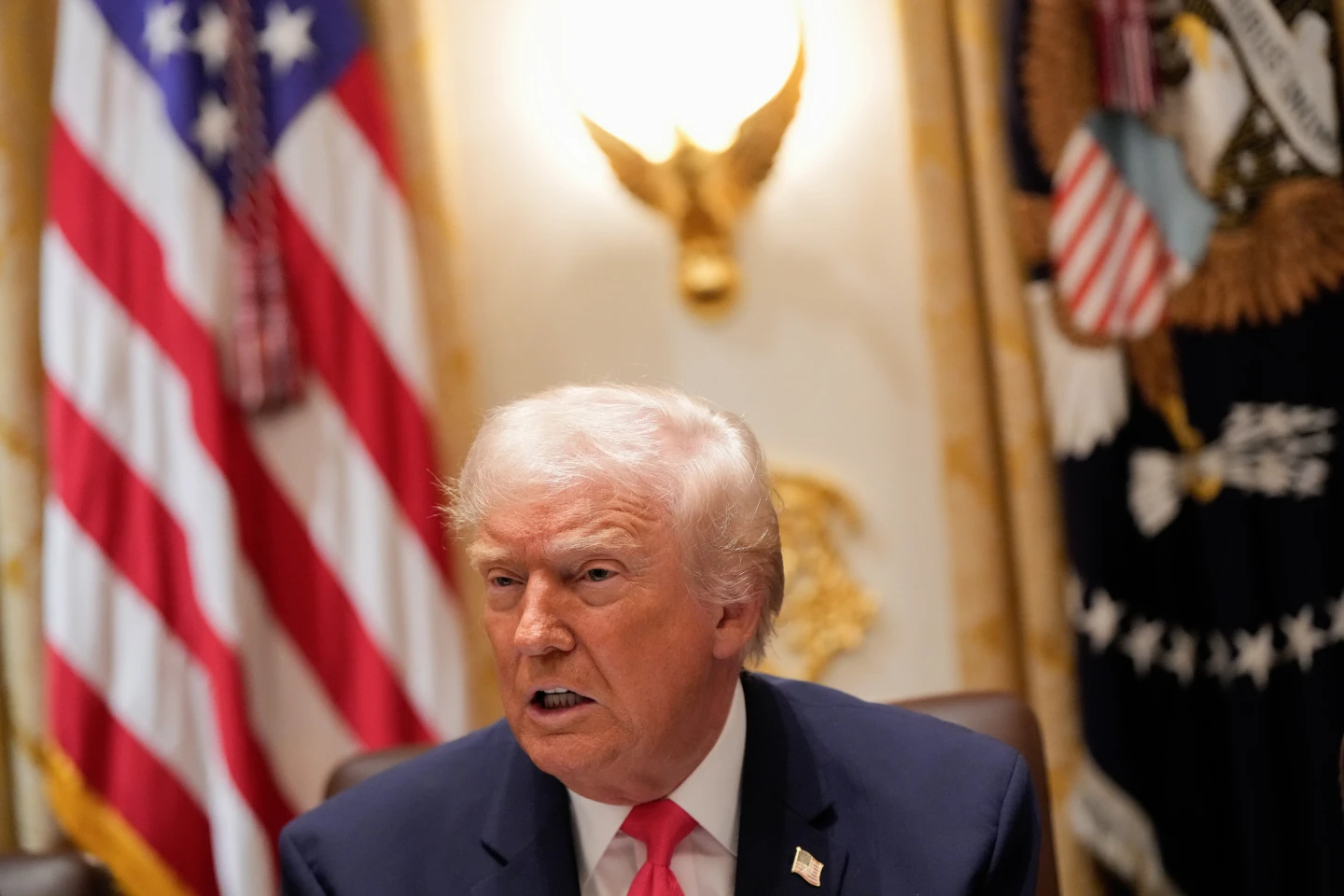
Presidential power sits at the center of a growing debate as the Supreme Court signals another major shift. The court’s conservative majority continues to take steps that strengthen the executive branch. Chief Justice John Roberts guides this expansion with steady resolve. His leadership shapes a legal landscape that favors broader presidential control. This momentum affects the structure of federal agencies and the limits of executive reach.
The Case Challenging a 90-Year Precedent
The justices now consider whether to overturn a decades-old restriction on removing agency officials. The current case involves the Federal Trade Commission. It mirrors the 1935 ruling in Humphrey’s Executor, which blocked presidents from firing agency heads without cause. Yet the court’s conservative wing appears eager to revisit that rule. Justice Elena Kagan recently suggested that the majority seems ready to strike it down.
Trump’s Removals and the Court’s Direction
During the early months of Trump’s second term, the court allowed him to remove several officials. These included leaders from the FTC, NLRB, MSPB, and CPSC. However, two officials—Lisa Cook and Shira Perlmutter—kept their positions. The court hinted that the Federal Reserve holds a unique status. Even so, Trump expressed his desire to remove Cook while she firmly denied wrongdoing. This conflict emphasizes how deeply the debate over removal power runs.
The Rise of the Unitary Executive Theory
Supporters of the unitary executive theory argue that agencies within the executive branch must follow presidential direction. They maintain that the Constitution grants full executive authority to the president. Justice Antonin Scalia once articulated this view in a strong 1988 dissent. His words continue to inspire conservative legal thinkers today. As a result, this theory gains influence in major Supreme Court decisions.
A Decade of Steady Expansion Under Roberts
Since 2010, the Roberts Court has chipped away at limits on executive removal power. A major step came in 2020. Roberts wrote that the president’s ability to fire officials represents the rule rather than the exception. The decision upheld Trump’s removal of the CFPB director. Then, in the 2024 ruling on presidential immunity, Roberts included firing authority as a core presidential function. Together, these decisions broaden the scope of presidential power.
Scholars Push Back on the Historical Basis
Despite the court’s direction, some conservative and liberal scholars challenge its historical foundation. Legal historian Caleb Nelson argues that the Constitution’s text does not offer an absolute view of executive authority. Others, including professor Jane Manners, submitted historical briefs. They believe the early understanding of removal power was far less clear. Still, they doubt the court will change course.
The Stakes for FTC Leadership
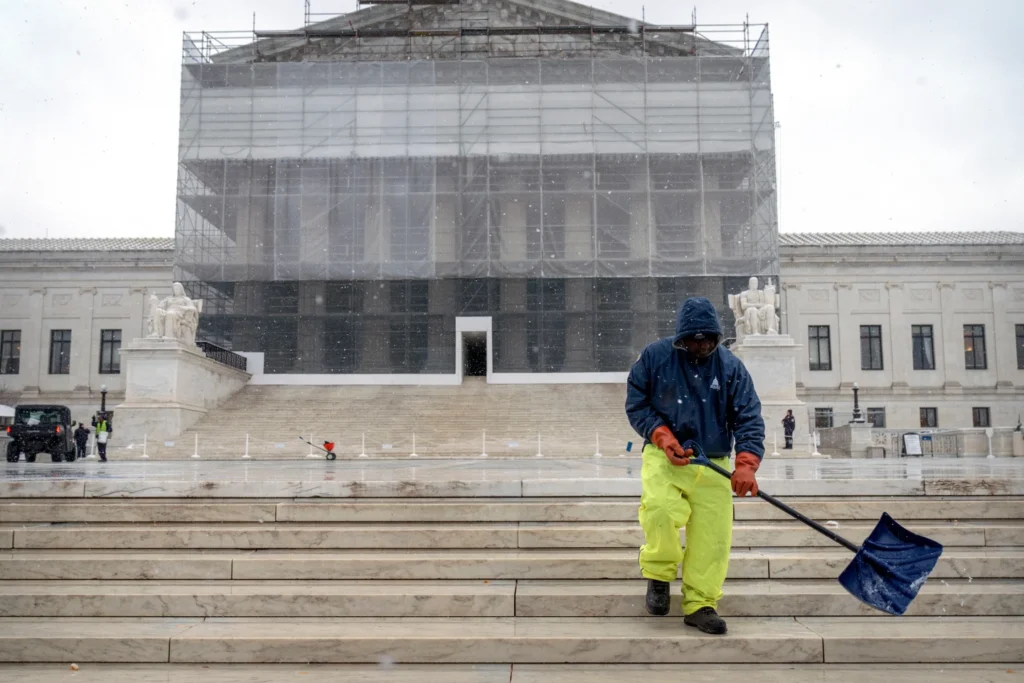
Rebecca Slaughter’s firing from the FTC now anchors the legal battle. Her attorneys assert that constitutional history supports limits on removal power. They emphasize that unchecked presidential power risks eroding the independence of key regulators. Meanwhile, the Justice Department insists the president needs full control to enforce his agenda. It urges the court to discard the 1935 precedent entirely.
A Secondary Question With Big Consequences
The case also raises another issue: whether courts can reinstate officials who were removed illegally. Justice Neil Gorsuch suggested earlier that courts can award back pay but cannot return someone to office. This view could influence the fate of Lisa Cook. The justices worry that instability at the Federal Reserve could disrupt the economy. They will address her situation in separate arguments soon.
What Comes Next
The court’s final ruling could reshape the federal government. It may define the limits of presidential power for decades. The decision will determine how presidents control agencies, how much independence regulators keep, and how the balance of authority shifts again.



Leave a Reply